



Vintage Library Shelves
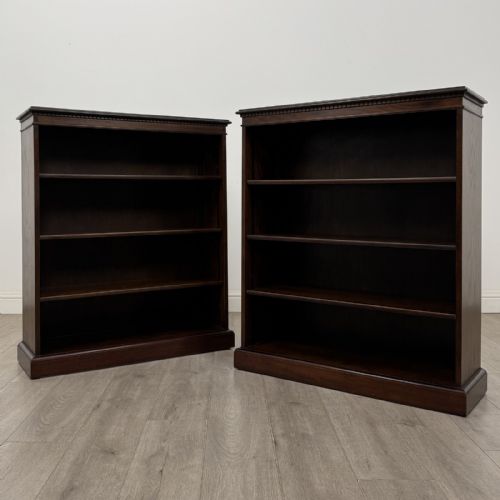
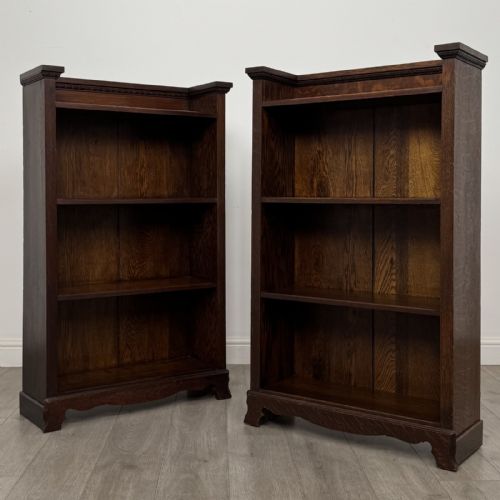
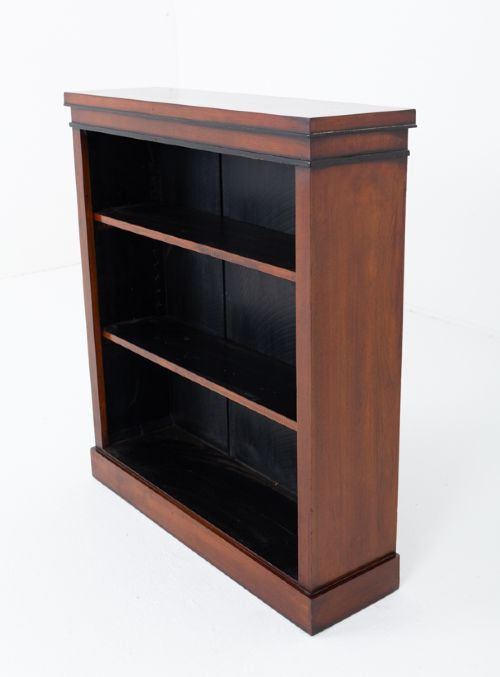
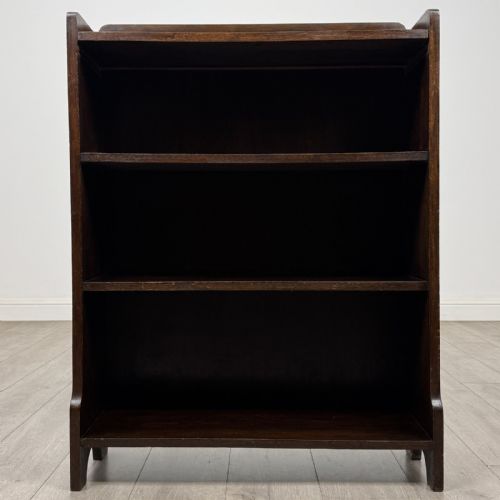
Vintage library shelves organise volumes in open bookcases, revolving bookcases, and library trolleys, bringing timber character to reading spaces.

Vintage Library Shelves
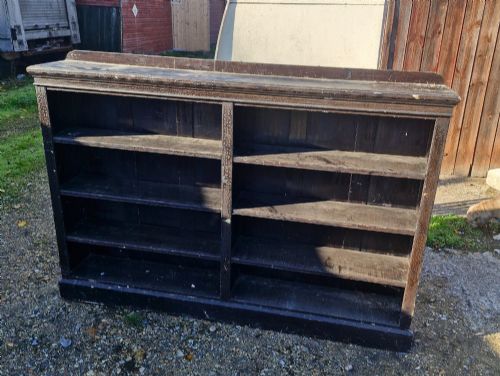
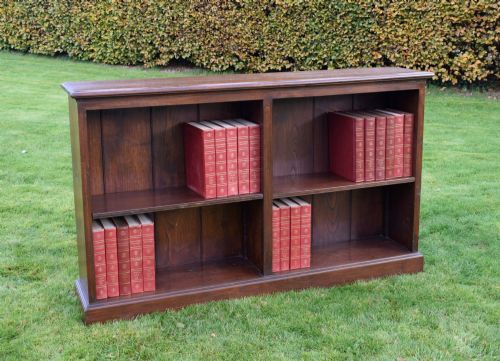
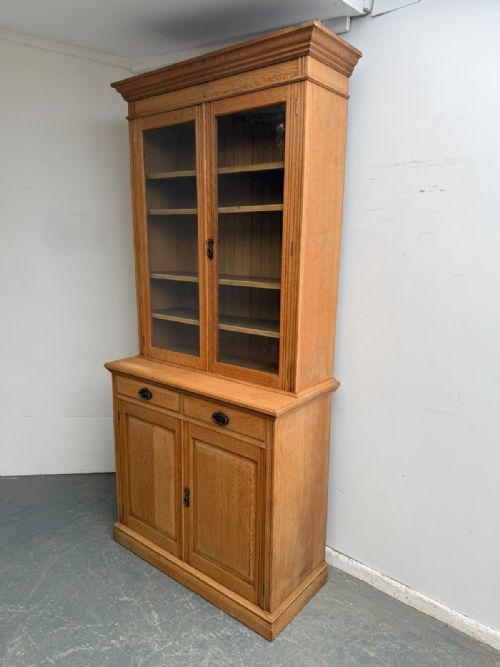
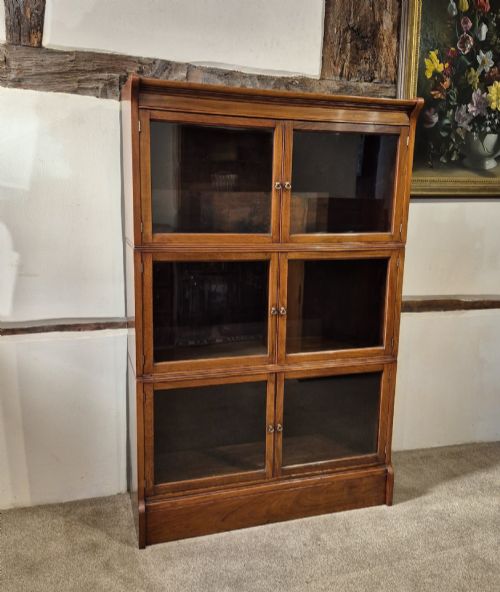
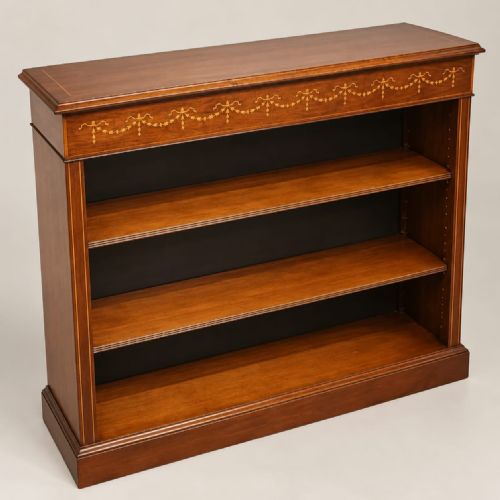
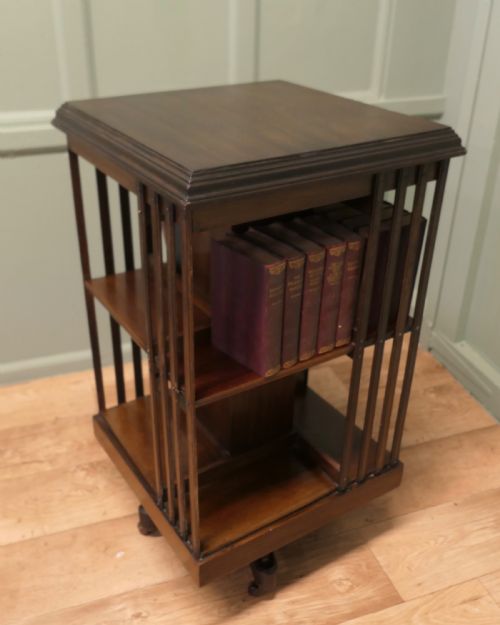
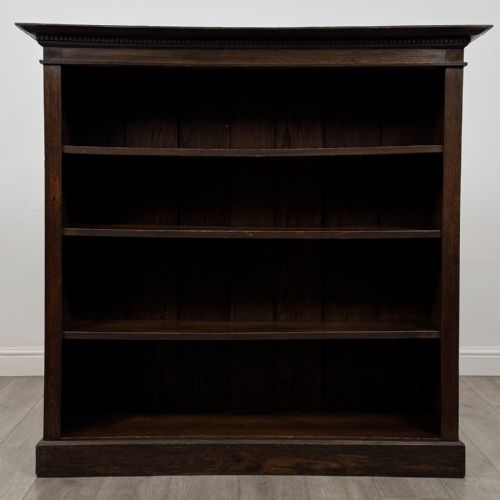
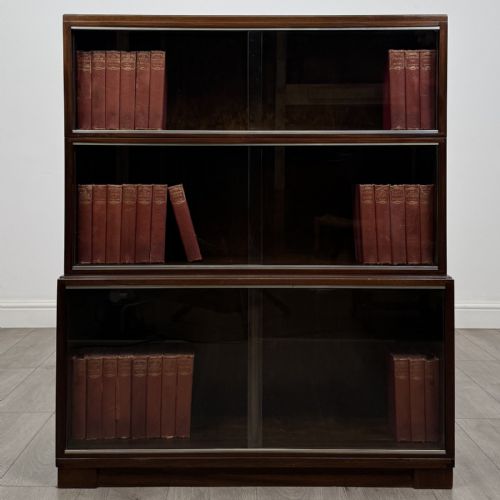
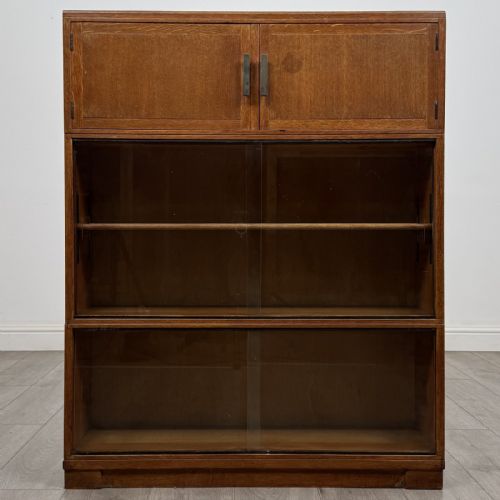
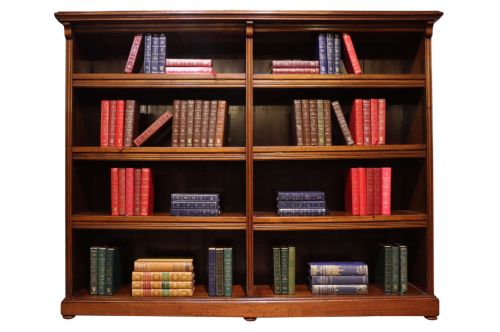
Vintage library shelves appear most frequently as open bookcases and revolving bookcases spanning the nineteenth and twentieth centuries. Buyers seeking vintage library shelves encounter sturdy oak and mahogany examples from the Victorian, Edwardian, and later periods.
The selection ranges from tall, adjustable open shelving units to compact revolving models and tiered what-not bookcases. Pieces trace origins across British workshops and Continental makers, reflecting diverse stylistic revivals.
Materials and construction
Cabinet makers constructed these pieces primarily from solid hardwoods such as mahogany, oak, and walnut, frequently utilising burr walnut veneer for decorative surfaces. Brass hardware appears on revolving mechanisms, whilst iron provides structural support for industrial style variants.
Shelving systems incorporate adjustable wooden tiers supported by traditional wooden ratchets or metal pins. French polishing and wax finishes protect the timber surfaces whilst accentuating the natural grain patterns of the wood.
Vintage Library Shelves Retail Price Guide 2026
Typical asking prices for vintage library shelves among the pieces listed under this phrase on Sellingantiques today, from the lower quarter to the upper quarter. They describe what is for sale here now, not the wider market.
Some revolving bookcases spin so smoothly they double as reluctant desk companions when books pile too high.
Gradations in execution
Quality separates mass-produced units from finer workshop creations through timber selection and joinery precision. Superior pieces employ solid cabinet timbers throughout, including the backboards and internal shelving.
Refined examples display careful proportioning, such as slender uprights and subtle inlay work, alongside smoothly functioning revolving mechanisms. The integration of adjustable shelving systems with clean wood movement demonstrates superior cabinet making.
The Vintage Library Shelves Glossary
- Open bookcase
- A freestanding storage unit featuring exposed shelves without doors. This form allows immediate access to volumes and displays bindings clearly.
- Revolving bookcase
- A compact shelving unit mounted on a rotating pivot base. This design permits users to access books from multiple angles in limited space.
- What-Not
- A tiered set of open shelves used for displaying books and decorative objects. These multi-level pieces date across the nineteenth century.
- Library trolley
- A mobile wooden cart fitted with wheels for transporting volumes. These functional pieces served administrative tasks in larger archives.
- Burr walnut
- A highly figured timber veneer derived from tree growths. Cabinet makers utilised this material to create decorative patterned surfaces.
Vintage Library Shelves: Frequently Asked Questions
What periods do these shelves cover?
The pieces span from the nineteenth century through the Edwardian era and into the early twentieth century. This timeline includes Victorian and Arts and Crafts movements.
Craftsmanship styles shift across these decades from heavy formal mahogany designs to lighter golden oak formats.
How do adjustable shelves work?
Adjustable shelves rest on movable wooden supports or metal pins positioned inside vertical tracks. This system allows owners to alter shelf heights for varying book sizes.
Older examples rely on traditional timber ratchets cut directly into the interior uprights.
Where were revolving bookcases used?
Revolving bookcases sat beside desks or armchairs to keep reference books within arm's reach. Their rotating bases eliminated the need to walk around the furniture.
They became particularly popular in studies and libraries during the late Victorian and Edwardian periods.
How do I care for the timber?
Maintain the wood by applying quality beeswax periodically to nourish the surface and prevent drying. Avoid placing pieces near direct heat sources or strong sunlight.
Dust regularly with a dry cloth to protect the polished finish.