


Vintage Lattice Rug
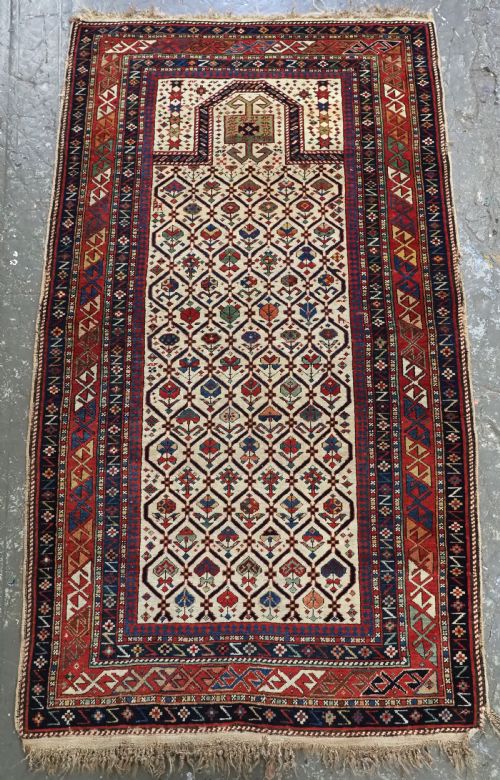
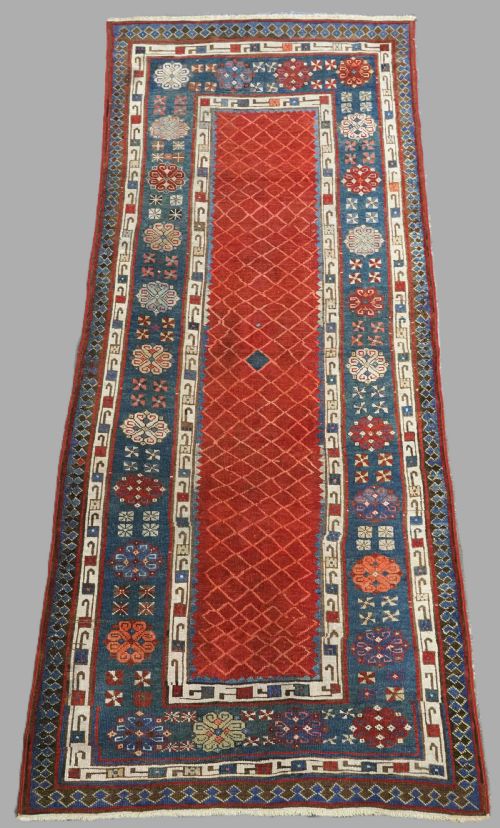
A vintage lattice rug brings geometric balance and deep historic dye work into a room through repeated diamond or trellis motifs.
Vintage Lattice Rug
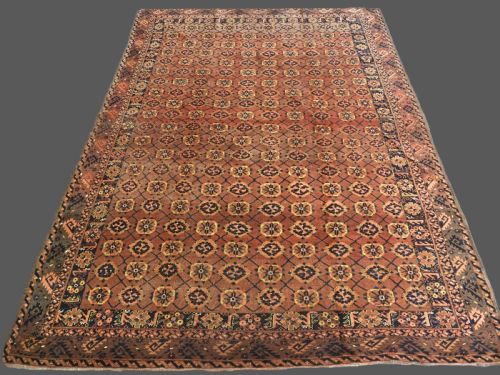
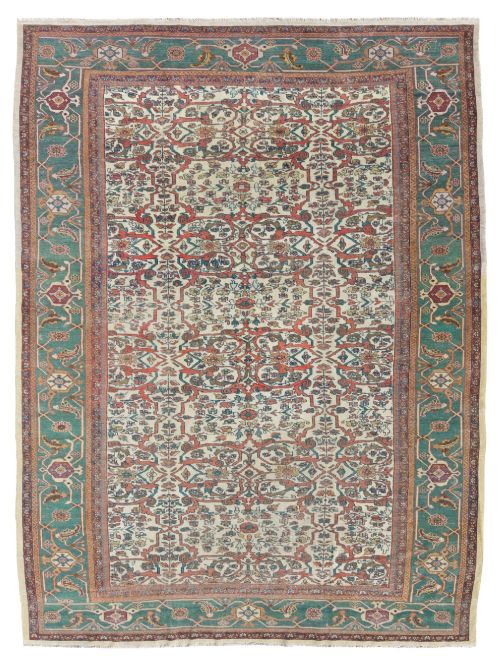
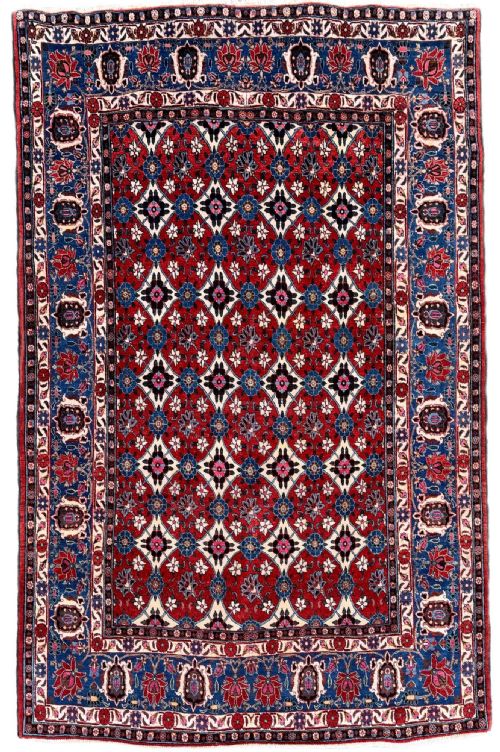
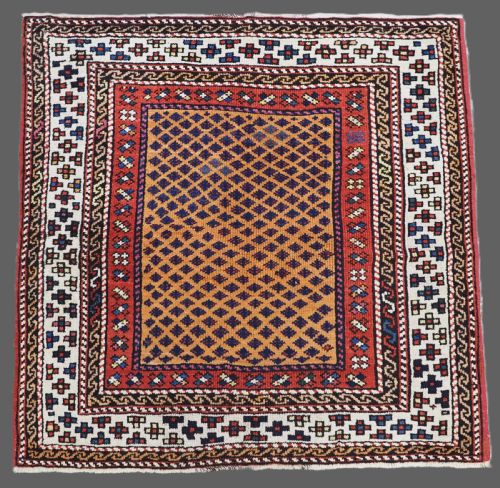
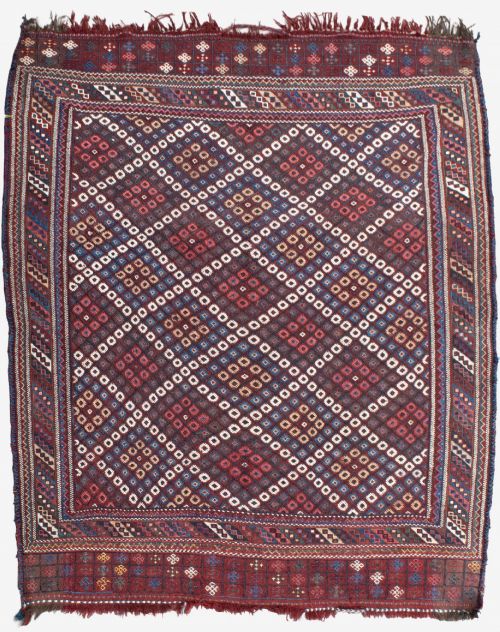
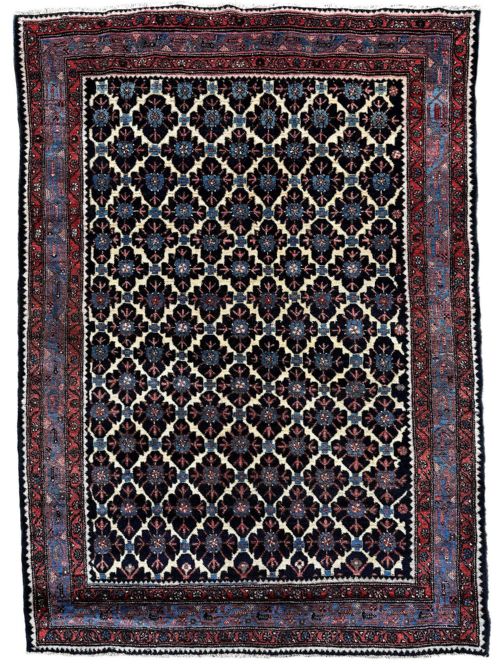
The pieces on this page span diverse weaving traditions including Caucasian, Persian and Turkmen workshops. Most examples display either geometric lattice work or stylised floral arrangements organised within a structured grid.
Formats range from square formats and small village rugs to elongated hallway runners and room-size carpets. Buyers frequently meet pieces bearing traditional motifs such as the Mina Khani pattern set against fields of ivory, yellow or deep red.
Materials and construction
These floor coverings are constructed primarily from wool and cotton, utilising sturdy foundation threads for warp and weft. Weavers hand-tied dense knots or flat-wove soumak structures, creating durable surfaces designed to withstand generations of daily use.
Natural dye stuffs provided the rich colour palettes seen in older specimens, resulting in subtle variations and depth across the wool pile. Skilled artisans bound the outer edges with wool overcast to protect the structural integrity of each rug.
Listings feature wool and cotton rugs originating from Persian, Caucasian and Turkmen tribal traditions dating from the mid-nineteenth century onward.
Assessing quality and execution
Quality rests in the precision of the geometric layout and the handled crispness of the lattice design against the background. Superior examples exhibit tightly packed knots, balanced proportions and harmonious colour saturation across the entire field.
The choice of wool and the clarity of the natural dyes distinguish finer workshop pieces from standard village output. Integrity of the original borders and surviving kilim ends further elevate the standing of a textile.
The Vintage Lattice Rug Glossary
- Lattice
- A repeating geometric framework of diagonal intersecting lines that creates a grid of diamonds or compartments across the rug field. This layout is common in Caucasian and Persian village weaving.
- Soumak
- A flat-weave technique where coloured face yarns are wrapped horizontally over the warp threads before continuing across. This method creates a durable textile without a cut pile.
- Warp
- The vertical foundation threads stretched tightly on the loom before weaving begins. All knots and wefts are built upon this hidden framework.
- Weft
- The horizontal threads passed alternately over and under the warp threads to lock the knots in place. They provide structural stability to the body of the rug.
- Mina Khani
- A traditional Persian floral lattice pattern composed of daisy-like blossoms linked by curved stems. It appears frequently in classical carpets and village runners.
Vintage Lattice Rug: Frequently Asked Questions
How do I clean a wool rug?
Regular gentle vacuuming without a beater bar removes loose grit before it settles into the wool foundation. Professional textile cleaning is necessary for deep washing to protect natural dyes.
Avoid soaking antique foundations and address spills immediately with dry blotting rather than rubbing. Proper care preserves the lanolin within the wool fibres.
Where should I place a runner?
Hallway runners suit high-traffic corridors, narrow entryways or alongside bedroom furniture where floor protection is needed. Their linear formats draw the eye through architectural spaces.
Ensure you use a quality underlay beneath the textile to prevent sliding on hard wood floors and reduce friction.
How are tribal rugs different?
Tribal pieces reflect nomadic or village production rather than urban workshop standards, often displaying asymmetric designs and saturated local dyes. These rugs tell stories of specific regional weaving groups.
Their character lies in minor irregularities and spontaneous shifts in geometry that formal city carpets lack.
Can I use these in modern rooms?
These geometric textiles anchor contemporary minimalist interiors by adding warmth, texture and historical contrast to neutral floors. The disciplined grid patterns bridge traditional and modern design aesthetics.
Layering a smaller village rug over a larger plain carpet creates a distinct focal point within a living area.