

Vintage Landscape Artwork
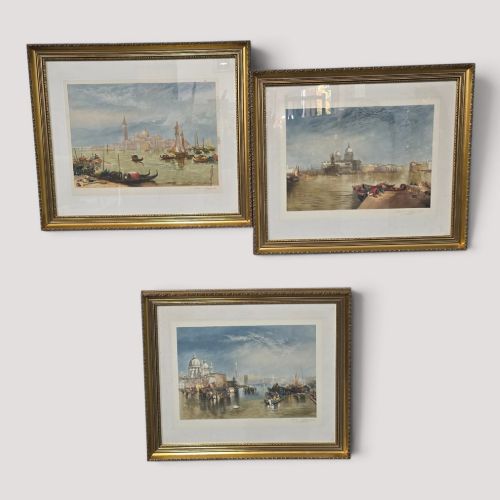
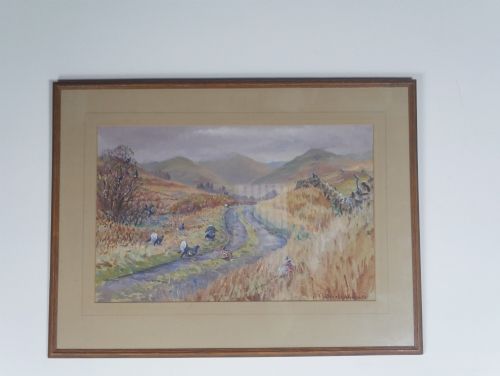
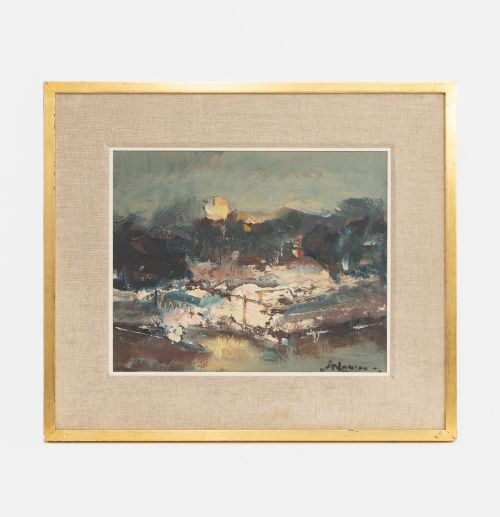
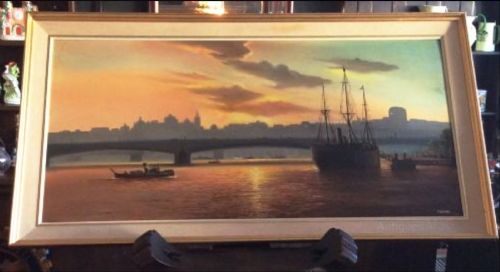
Vintage landscape artwork brings scenes of rivers, coasts and fields into a room through oil and watercolour paintings.
Vintage Landscape Artwork
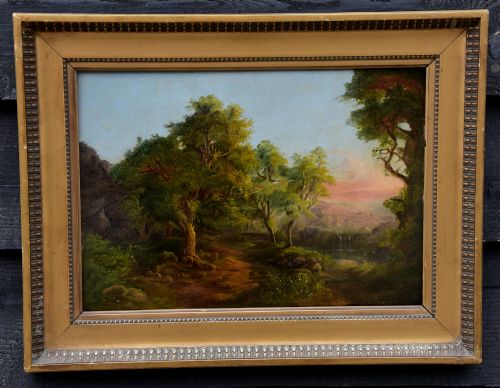
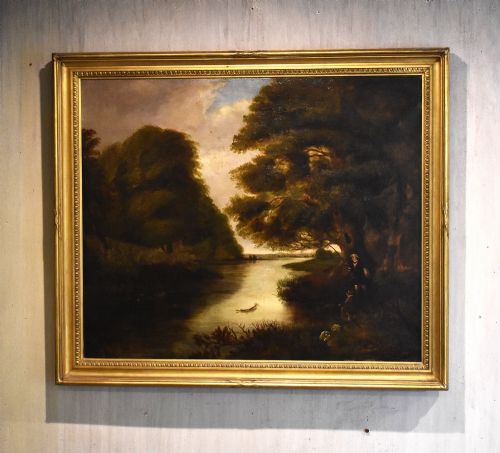
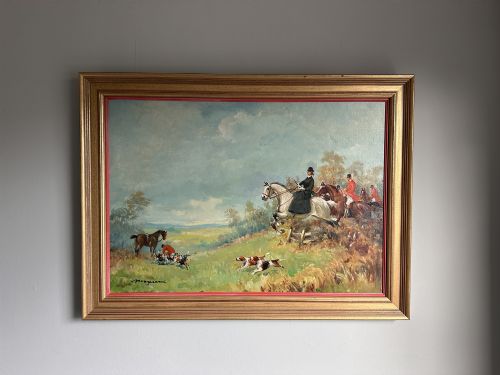
Vintage landscape artwork comprises paintings and drawings depicting natural scenery, coastal views, rural fields and marine subjects. These pieces span from the nineteenth century through the mid-twentieth century, capturing changing approaches to rural and maritime observation.
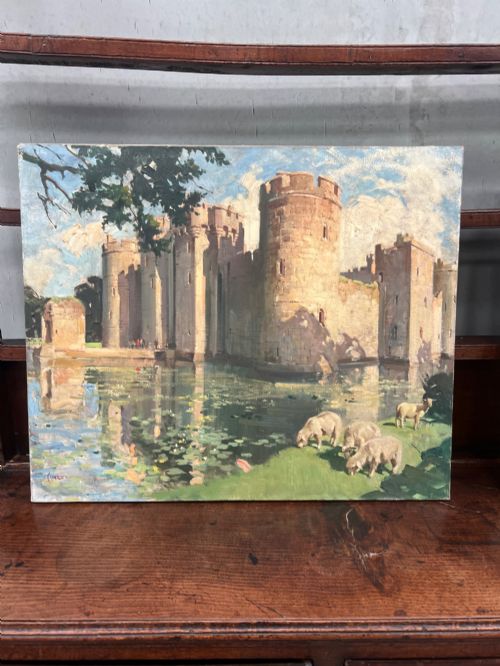
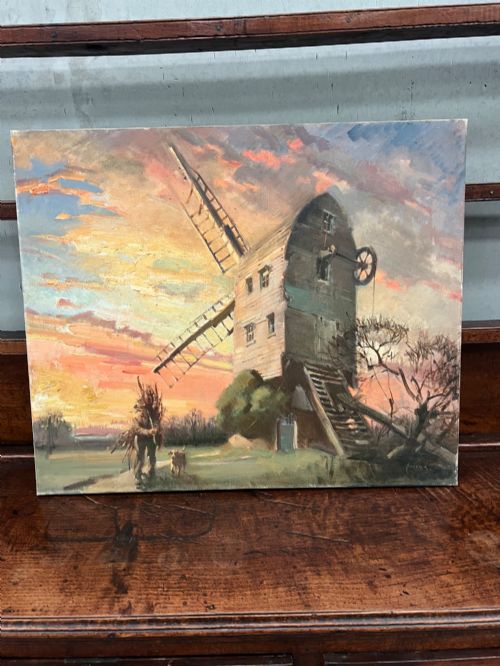
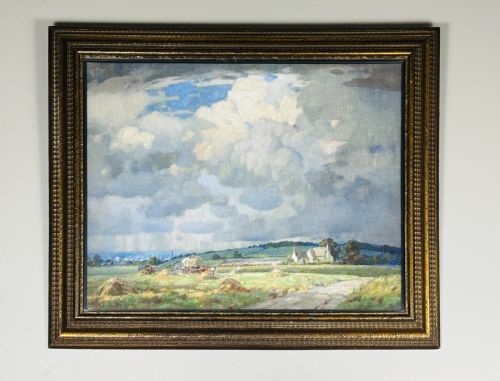
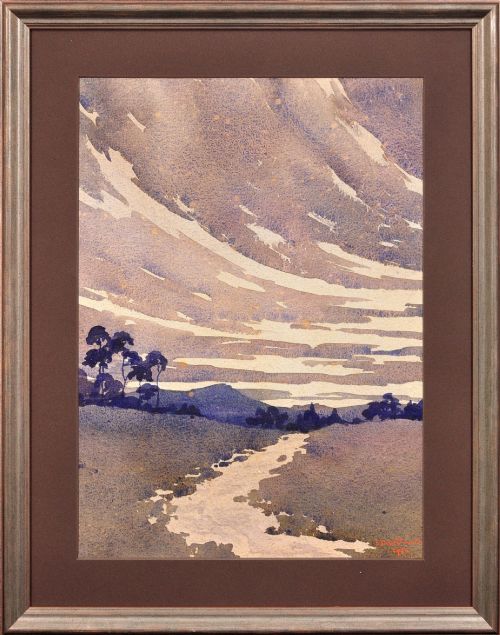
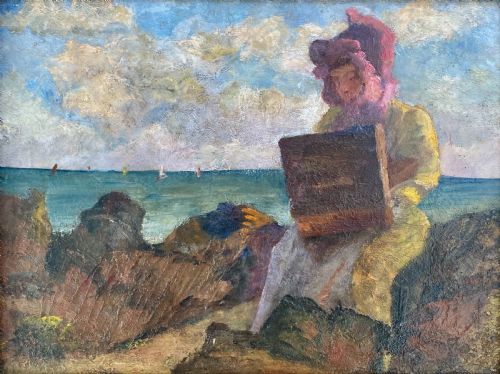
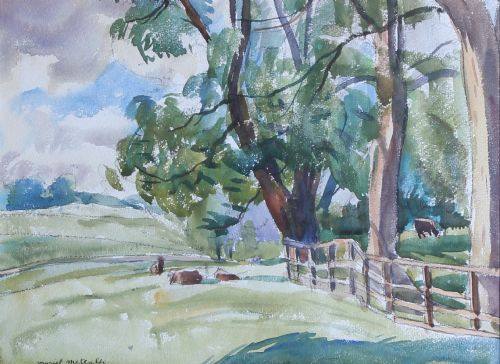
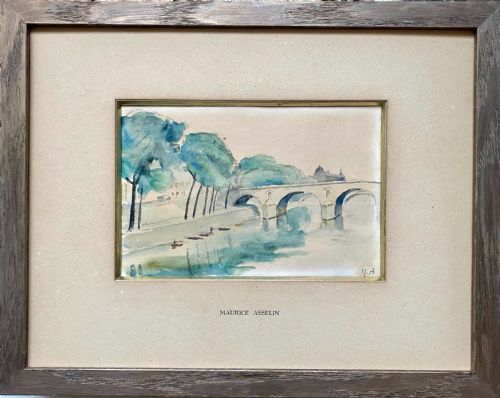
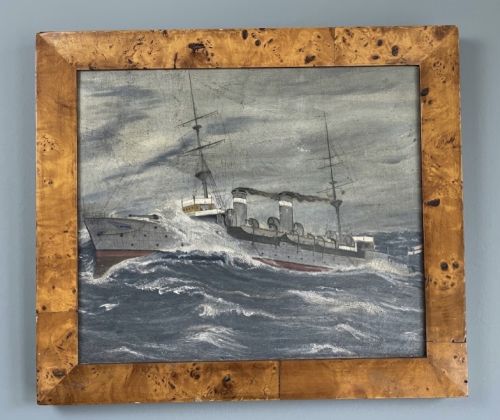
The most common examples on this page are oil paintings on canvas or board and watercolours on paper. Subjects range from Scottish highlands and Welsh rivers to maritime scenes and pastoral farm life.
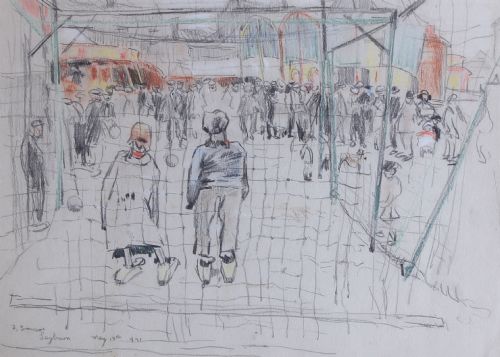
Makers and painters of these works often operated within regional British and European schools. Styles stretch from Victorian and Edwardian realism through to Impressionism, Post-Impressionism and Mid-Century Modernism.
How They Were Made
Artists utilised oil paint on stretched canvas, wooden panels or thick board to build depth and texture, often applying thick impasto strokes or working en plein air. Watercolours were painted on paper, capturing light and atmosphere with transparent washes.
Frames of gilt wood and simple wood mouldings housed these works, protecting the paper and canvas while completing the presentation of the wall art.
Vintage Landscape Artwork Retail Price Guide 2026
Typical asking prices for vintage landscape artwork among the pieces listed under this phrase on Sellingantiques today, from the lower quarter to the upper quarter. They describe what is for sale here now, not the wider market.
Several sheep and cattle made it into these fields long before the artists did.
What Varies in Quality
Quality rests in the handling of light, brushwork confidence and the fidelity of the composition. Skilled artists capture atmospheric conditions and perspective with surety, whereas lesser works remain stiff and flat.
The condition of the medium matters greatly, from the stability of oil paint on canvas to the preservation of watercolour paper free from heavy foxing.
Cecil Keeling·Kenneth Cozens·Henry Percy Huggill·William H Myers·Tom Campbell·Alfred Young Nutt·Clifford Hanney·Frederick Marriott·Reginald Arthur Borstel·William Joseph Shayer Senior·Alfred Fontville de Breanski Jr·Sidney A Court·EJ Letheren·B Nash·Robert Leslie Howey·James E Aitken·Kershaw Schofield·George Houston·Herbert Royle·John E Aitken·William Banks Fortescue·Thomas W Lascelles·William Joseph Boyes·Hubert Haider
The Vintage Landscape Artwork Glossary
- Impasto
- Paint applied thickly to a canvas or board, standing out from the surface so that the marks of the brush or palette knife remain visible. This technique adds tactile dimension and captures light dynamically.
- En plein air
- The practice of painting outdoors to capture direct natural light and environmental atmosphere. Artists working this way finish their pieces in front of the actual landscape.
- Sea stack
- A geological landform consisting of a steep and often vertical column or columns of rock in the sea. They frequently appear in coastal and marine paintings.
- Foxing
- Brown spots and discolouration that develop on old paper due to chemical reactions over time. It is commonly observed on vintage watercolours and drawings.
- Provenance
- The chronological record of ownership and origin for a work of art. Documented history helps confirm the authenticity and background of a painting.
Vintage Landscape Artwork: Frequently Asked Questions
What subjects appear in vintage landscape artwork?
These works depict rivers, coastal scenes, mountains, woodlands and rural fields with farm animals. Many capture specific locations across Britain and Europe.
Marine views featuring sailing boats, harbours and sea stacks also feature prominently among the available paintings.
How do I care for an old oil painting?
Keep oil paintings away from direct sunlight and sources of extreme heat to prevent the canvas and paint from cracking. Dust the surface gently with a soft, dry brush.
Avoid using water or liquid cleaners on the paint surface or the gilt wood frame.
What is the difference between oil and watercolour?
Oil paint uses pigments suspended in a drying oil, applied to canvas, wood or board to create rich, textured layers. Watercolour uses water-soluble pigments on paper, creating translucent washes.
Watercolours require framing under glass for protection, whereas oil paintings on canvas remain open to the air.
How can I tell the period of a painting?
The style, subject matter and framing often point to the era in which the piece was created. Victorian and Edwardian works tend towards detailed realism, while mid-century pieces show freer brushwork.
Signatures, dates inscribed on the reverse and artist biographies provide further evidence for dating.