

Vintage Landscape Art
Vintage landscape art captures pastoral scenes, coastal views and rural life through works spanning the nineteenth and twentieth centuries.
Vintage Landscape Art
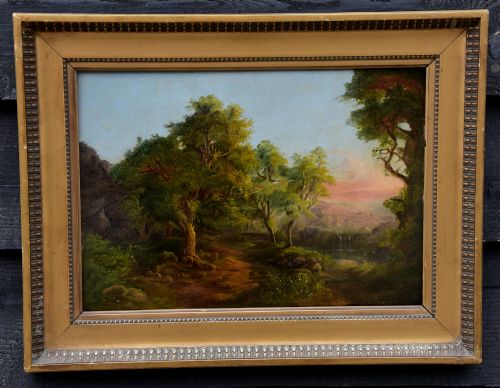
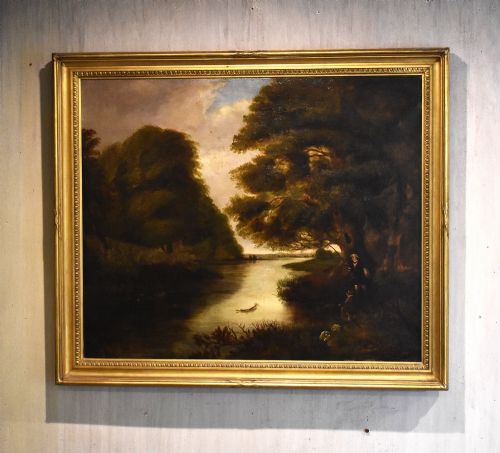
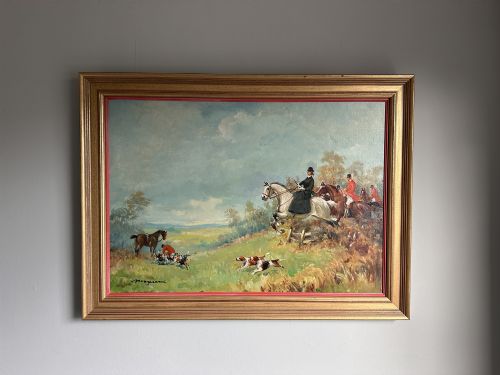
When searching for vintage landscape art, a buyer encounters original paintings, watercolours, drawings and wall art representing rural, coastal and maritime scenes. These works originate from periods across the nineteenth and twentieth centuries, including Edwardian and Victorian eras through to mid-century modern movements.
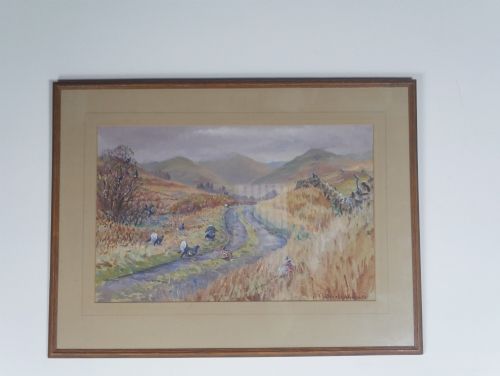
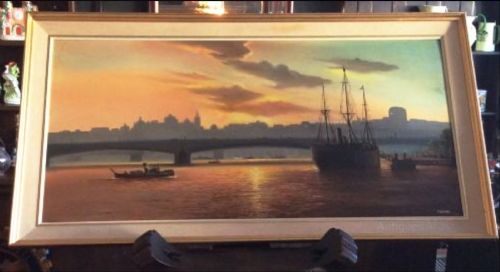
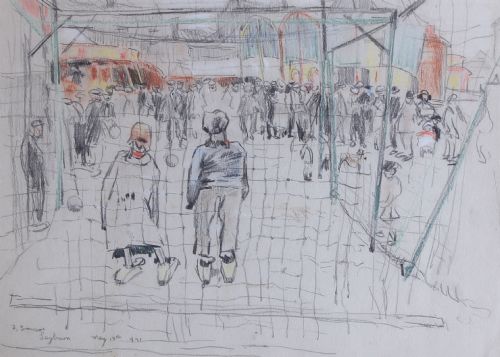
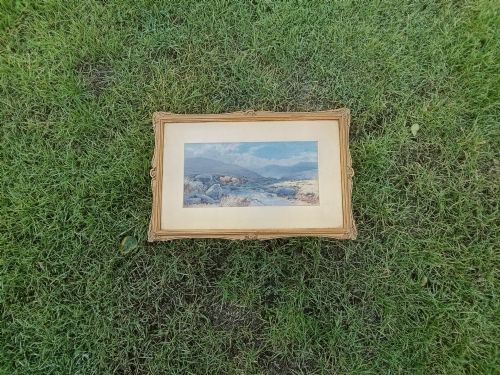
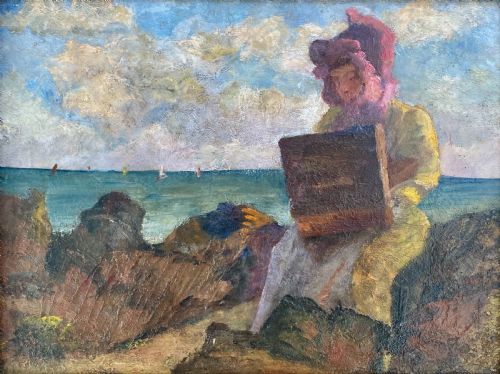
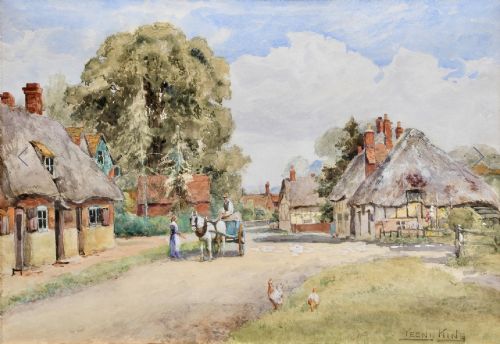
The most common formats met on this page are oil paintings on canvas or board and works on paper such as watercolours and pencil drawings. Subjects range from British landscapes and Scottish highlands to marine views and village harbours.
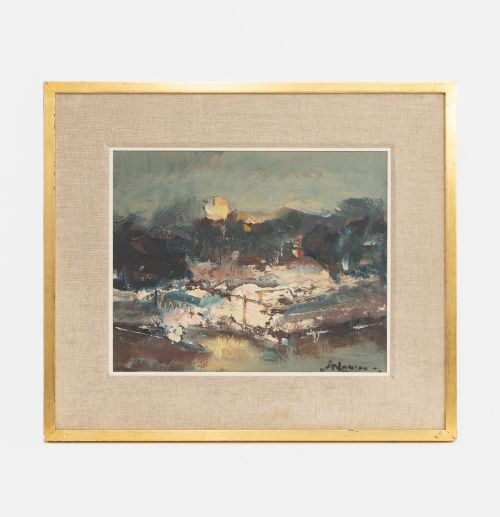
Works often reflect specific regional schools or styles, including British Impressionism, Post-Impressionism and 19th Century Realism. These pieces capture topography, weather and light through the individual hand of the artist.
How they were made
Artists created these works using traditional painting and drawing materials, predominantly applying oil paint to canvas, wood panel or board, and watercolours or pastels to paper. Canvases are frequently stretched over wood frames, whilst panels provide a rigid support for en plein air studies.
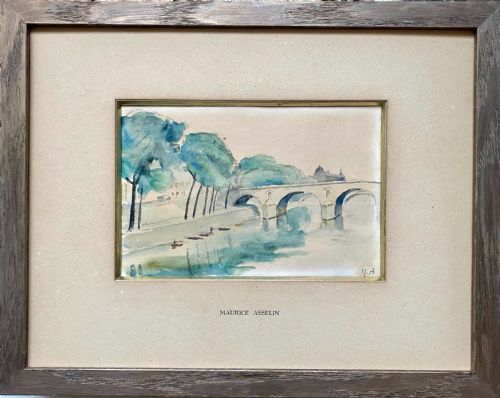
Techniques vary from delicate watercolour washes and fine pencil lines to thick impasto oil applications that build texture. Framing often involves gilt wood or glass protection to preserve the paper or painted surface.
Vintage Landscape Art Retail Price Guide 2026
Typical asking prices for vintage landscape art among the pieces listed under this phrase on Sellingantiques today, from the lower quarter to the upper quarter. They describe what is for sale here now, not the wider market.
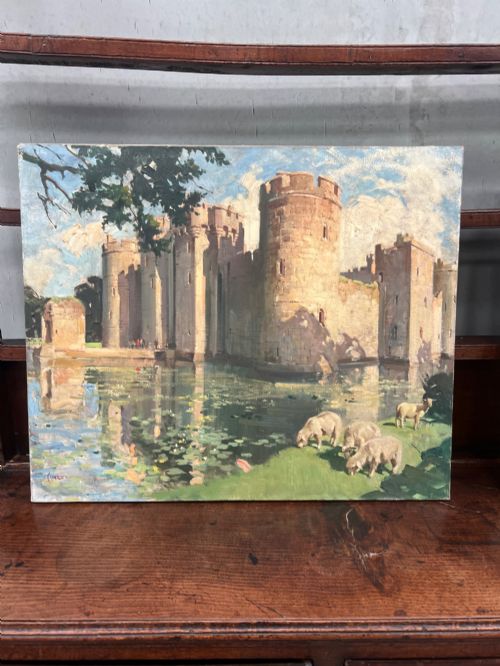
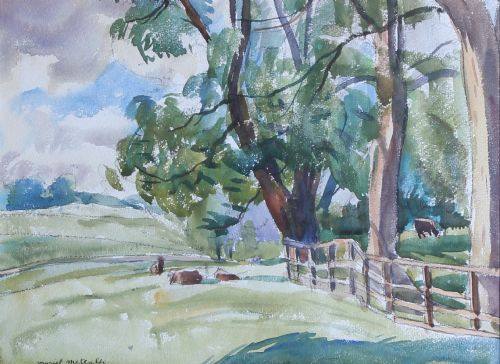
Several sheep and at least one distinguished shorthorn bull managed to wander into the backgrounds of these landscapes.
What varies in quality
Quality in these works rests upon the confidence of the brushwork, the handling of light and atmosphere, and the composition of the scene. Stronger pieces demonstrate a assured command of medium and perspective rather than merely a faithful recording of a view.
The preservation of the original surface, whether canvas, board or paper, influences the integrity of the piece. Works that retain their original pigment vibrancy and framing elements command greater appreciation.
Kenneth Cozens·Henry Percy Huggill·William H Myers·George Graham·Tom Campbell·Alfred Young Nutt·Frederick Marriott·Alfred Fontville de Breanski Jr·Sidney A Court·Robert Leslie Howey·Kershaw Schofield·George Houston·Herbert Royle·Albert Pile·Fred Lawson·John Arthur Dees·Orlando Greenwood·Cecil Arthur Hunt·Hubert Haider·Joseph Alfred Terry
The Vintage Landscape Art Glossary
- Impasto
- Paint applied thickly to a canvas or board, standing out from the surface so that brush or palette knife marks are clearly visible. This technique adds tactile depth and catches light across the landscape.
- En plein air
- Painting outdoors in the open air to capture natural light and atmospheric conditions directly. Artists utilised this approach to record fleeting changes in weather and time.
- Wood panel
- A flat piece of timber used as a rigid support for oil paintings before canvas became dominant. Panels offer a stable surface that prevents the flexing associated with fabric supports.
- Watercolour
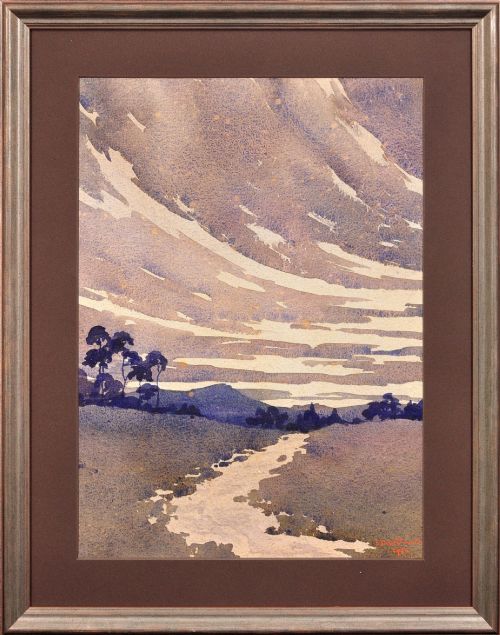
- A paint consisting of pigment suspended in a water-soluble vehicle, typically applied to paper. It creates luminous, transparent washes that define early twentieth-century topographical views.
- Maritime landscape
- An artwork focusing primarily on the sea, ships, coastal views and shorelines. These pieces frequently depict harbours, dramatic sea stacks and coastal weather.
Vintage Landscape Art: Frequently Asked Questions
How do I date an old landscape painting?
Dating relies upon stylistic markers, costume in any figures, framing methods and materials like canvas or board types. Signatures and exhibition labels on the reverse also offer documentary evidence.
Comparison with documented works by the same artist or regional school helps narrow the decade of creation.
What is the difference between oil and watercolour landscapes?
Oil paintings utilise pigment bound in drying oil on canvas or wood, offering rich textures and deep colour layering. Watercolours use water-soluble pigments on paper, producing luminous and translucent effects.
Oils generally require a rigid support and heavier framing, whilst watercolours need glass protection to prevent moisture damage.
Where should I hang vintage landscape art?
These works suit traditional living spaces, studies and hallways where natural light enhances the painted tones. Placing them away from direct sunlight protects pigments from fading over time.
Matching the frame style, such as gilt wood, to your room enhances the overall display.
How do regional British art schools differ?
Regional schools reflect the distinct topography and light of their locations, from Scottish highland scenes to Northern industrial watercolours and southern coastal views. Local groups often shared techniques and painting locations.
Examining the subject matter and recorded locations helps identify the specific regional school.