
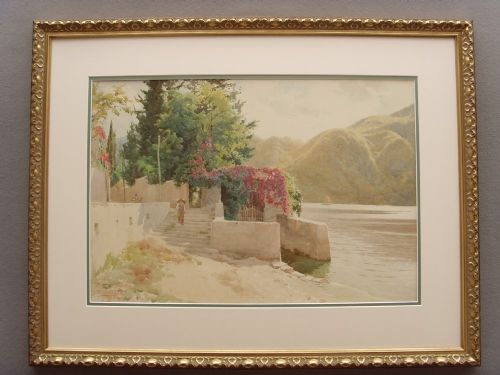


Vintage Lake Landscape Artwork
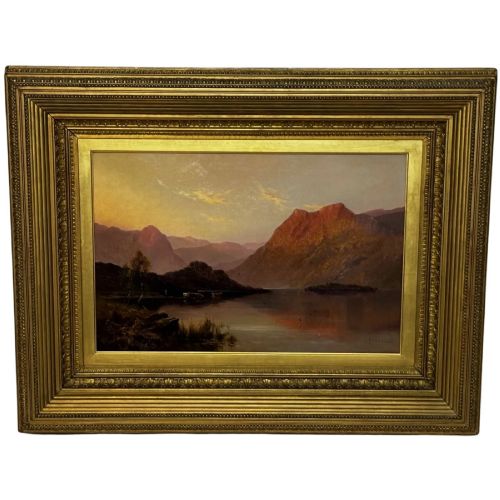
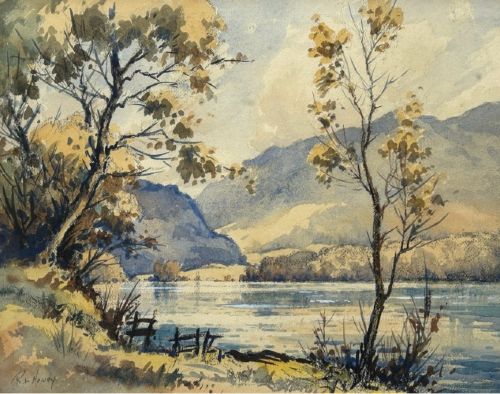
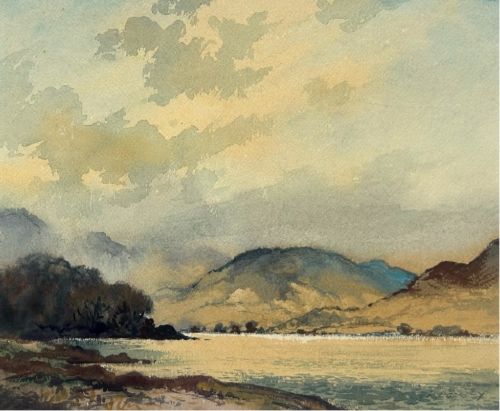
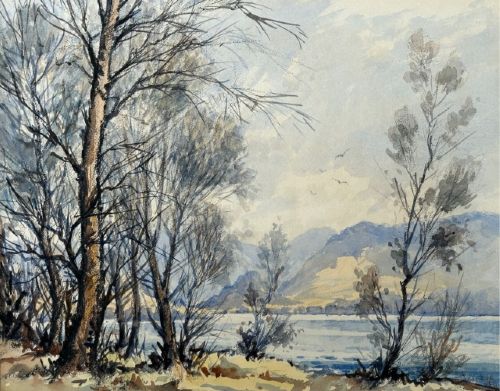
These vintage lake landscape artwork pieces capture open water and shoreline views through oil, watercolour and ink across multiple centuries.
Vintage Lake Landscape Artwork
Vintage lake landscape artwork brings picturesque bodies of water, mountain backdrops and pastoral shores into interior spaces. These pieces encompass framed paintings, drawings and prints spanning the nineteenth century through the mid twentieth century.
Buyers encounter works executed in oil on canvas, watercolour and ink on paper. Many depict specific British settings such as the English Lake District, Scottish highlands and Cumbrian waters alongside continental European scenes.
The selection ranges from Victorian oils and Edwardian watercolours to post war impressionist studies and mid century sketches. Each piece records topography, atmosphere and light through historical artistic lenses.
How they were made
Artists built these compositions upon canvas, paper, wood or gesso grounds using oil paint, watercolour or ink. Brushes applied pigments in layers, ranging from smooth washes to textured impasto strokes that give depth to water and foliage.
Works on paper frequently employ pen and ink or watercolour washes, sometimes framed behind glass with supportive mounts. Canvases are stretched over wooden frames, occasionally retaining their original decorative gesso frames.
Featured geographical subjects span the English Lake District, Scottish highlands, French rivers and Austrian alpine lakes.
What varies in quality
Quality rests in the handling of light, atmospheric depth and compositional balance rather than the mere age of the item. Skilled brushwork or precise ink lines define the natural movement of water and the distant structure of hills.
The strength of provenance, legible signatures and the integration of original framing materials distinguish finer examples. Masterly command over colour harmonies elevates individual pieces above standard topographical illustrations.
Alfred Fontville de Breanski Jr·Robert Leslie Howey·Robert George Talbot Kelly·Helen Layfield Bradley·Gabriel Dauchot·Edward Dayes·Frank Hider·Giulio Cecchini·John Douglas Perrett·Edward Horace Thompson·James Bell Anderson·Claude Muncaster·Frederick Tucker·Milton Drinkwater·George Harrison·Louis Smets·Antoine Bouvard
The Vintage Lake Landscape Artwork Glossary
- Impasto
- Paint applied thickly to a canvas or panel, standing out in relief from the surface. This technique creates tactile texture on water lilies or mountain highlights.
- Watercolour
- Pigments ground in a water soluble gum binder, painted onto paper. It produces transparent washes ideal for capturing pale lake mists.
- Gesso
- A plaster mixture applied to wood or canvas as a base for painting or moulded into decorative picture frames. It provides a smooth foundation for intricate gilding.
- Topographical
- Representing specific real world locations with geographical accuracy. These artworks record actual lakes, valleys and buildings of their era.
Vintage Lake Landscape Artwork: Frequently Asked Questions
What is vintage lake landscape artwork?
These pieces comprise historical paintings, watercolours and drawings depicting bodies of water and surrounding shores. They date from the nineteenth and twentieth centuries.
The works range from detailed topographical views of specific lakes to impressionist interpretations of water and light.
How should I display these artworks?
Most works suit traditional living spaces, studies or hallways where lighting can be managed to protect paper and canvas from direct sunlight. Framing choices often reflect the period of creation.
Watercolours require glass protection to prevent moisture damage, whereas oil paintings on canvas breathe more easily in stable indoor environments.
How do I identify the period of a piece?
Dating relies on stylistic clues, framing materials, artist signatures and biographical records. Victorian and Edwardian works often show heavier framing and traditional academic composition.
Mid twentieth century examples lean towards impressionist or abstract interpretations of landscape, reflecting modern shifts in artistic technique.
Were these painted outdoors?
Many artists created preliminary sketches en plein air using pencil, ink or watercolour on paper. Finished oil paintings were typically developed in studios from these initial observations.
Topographical pieces often record exact viewpoints from hillsides or lake shores visited during sketching tours.