



Vintage Lacquered Table
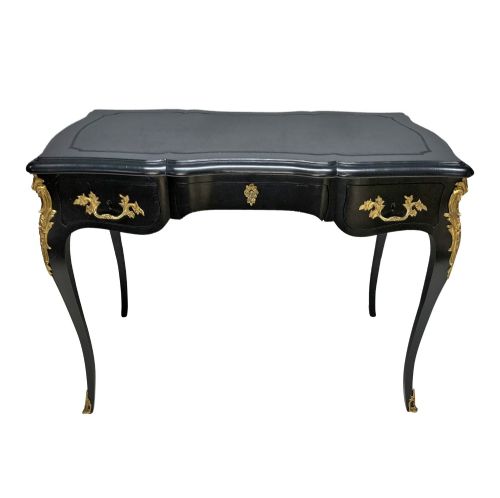
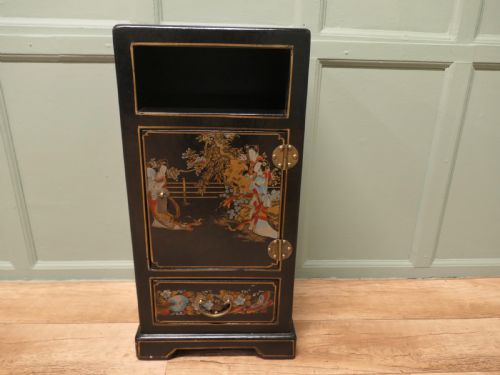
A vintage lacquered table brings rich decorative depth to a room through centuries-old orientalist and European painted traditions.
Vintage Lacquered Table
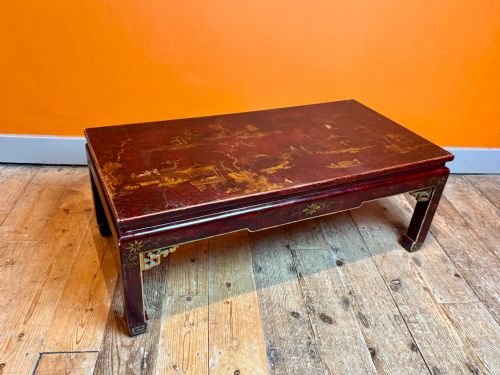
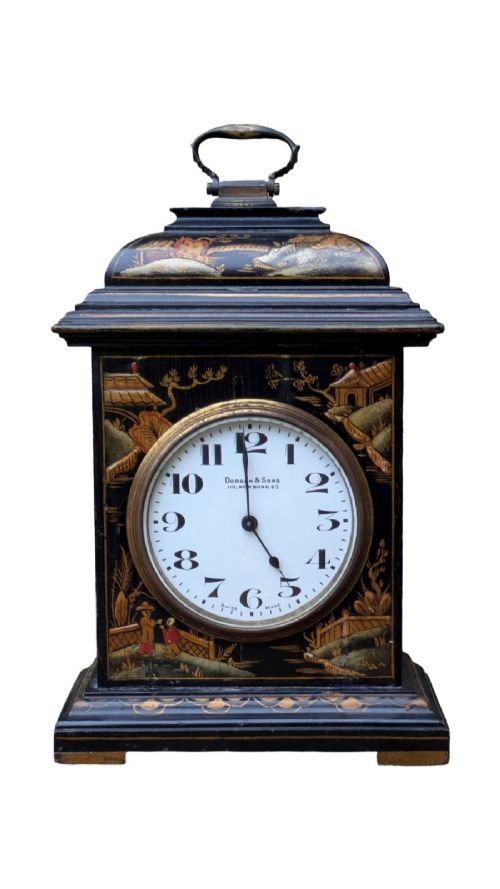
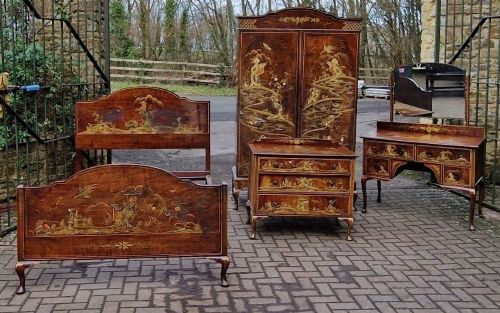
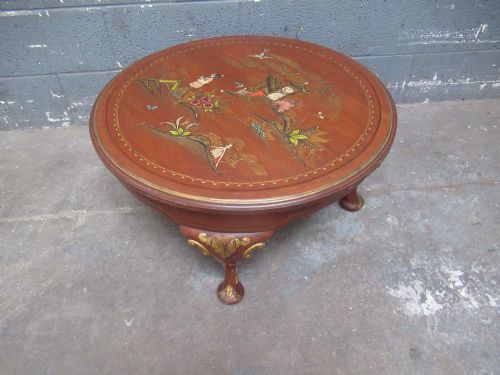
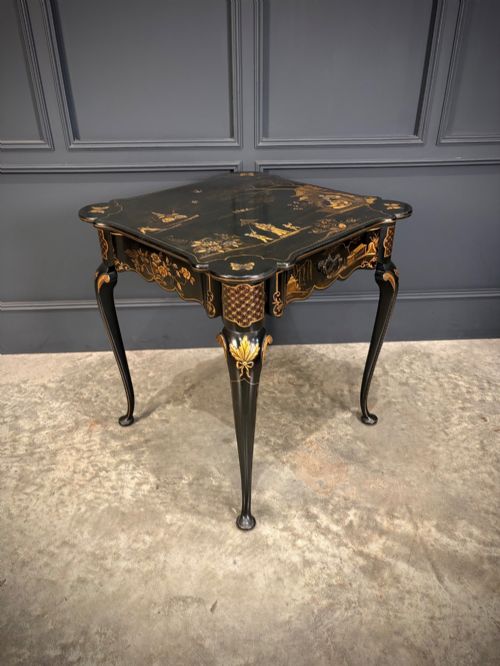
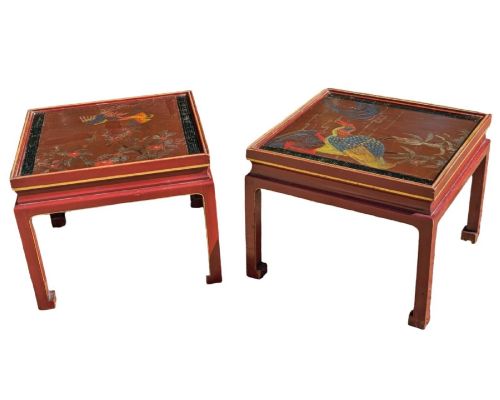
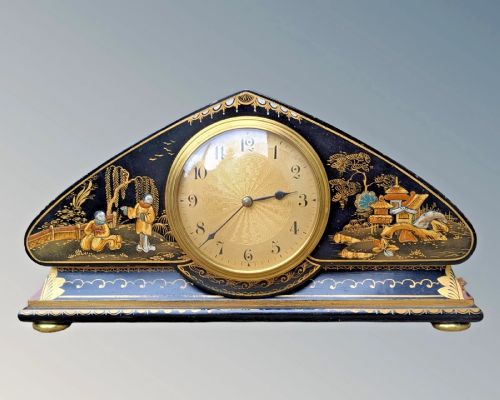
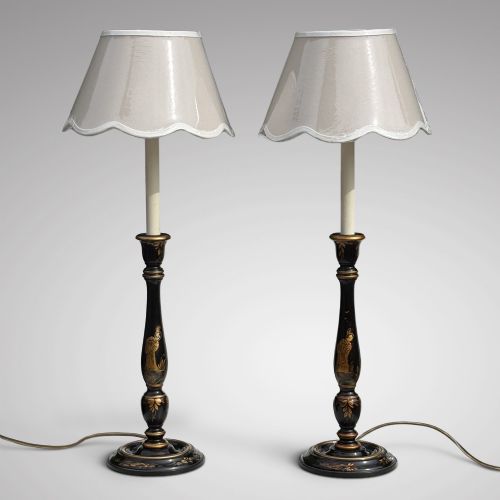
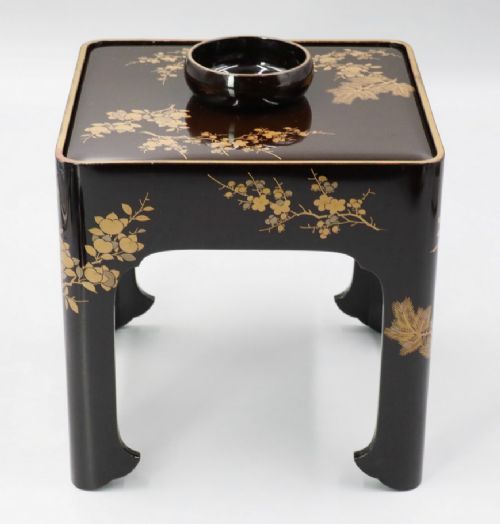
A vintage lacquered table encompasses varied low, side, and occasional forms spanning the Victorian era through the mid-twentieth century. The selection leans heavily toward Chinoiserie designs, Kashmiri painted works, and Japanese Meiji period items.
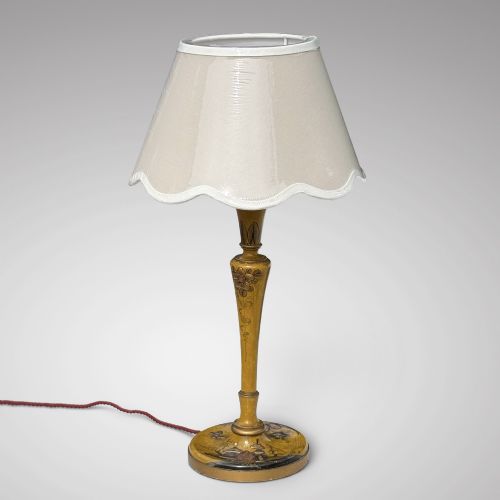
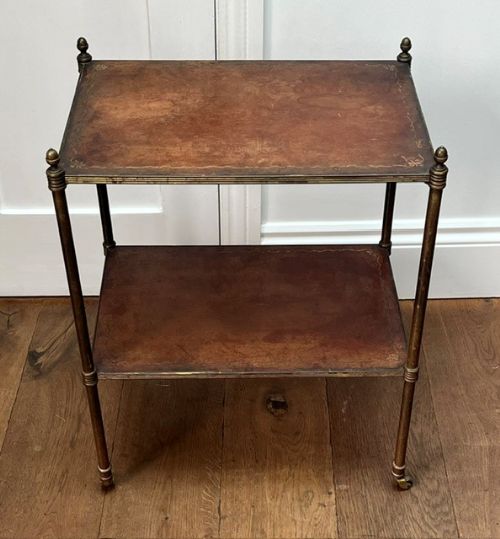
Buyers encounter everything from nest of tables and dropleaf lamp tables to coffee tables and tray tables. These items utilise traditional finishes such as black, red, ochre, and green lacquer over wood.
Origins stretch across China, India, Japan, and Britain, reflecting global stylistic exchanges over successive decades. Pieces often display hand-painted motifs, gilt details, and figural scenes.
How they were made
Construction relies on timber substrates, notably elm, bamboo, and carved wood, built into functional furniture and decorative objects. Surfaces receive successive coats of lacquer to form a smooth, protective base.
Artisans apply intricate hand-painted designs, gilt, and gold leaf over the cured surface, often sealing the pictorial elements with a clear topcoat. Brass and cloisonne mounts appear alongside leather and fabric elements on select items.
Vintage Lacquered Table Retail Price Guide 2026
Typical asking prices for vintage lacquered table among the pieces listed under this phrase on Sellingantiques today, from the lower quarter to the upper quarter. They describe what is for sale here now, not the wider market.
Elephants carved from wood and finished in lacquer stand ready to guard your mantel.
What varies in quality
The sophistication of the hand-painted detailing and the depth of the lacquer finish dictate the standing of an individual piece. Workmanship shows in the precision of Chinoiserie landscapes, figural scenes, and the crispness of applied gilt.
The integrity of the underlying timber and the preservation of the original surface determine longevity. Pieces retaining their initial finish without heavy intervention command greater appreciation among collectors.
Elliott London·Maison Bagues·Mallett of London
The Vintage Lacquered Table Glossary
- Chinoiserie
- European decorative style reflecting Chinese artistic influences, popular across furniture and decorative objects. It employs whimsical landscapes, pavilions, and figures rendered in lacquer and gilt.
- Japanned
- European imitation of Asian lacquerwork created using heat-dried varnish layers. The technique produces a glossy dark surface often decorated with raised metallic motifs.
- Lacquer
- Protective and decorative coating derived from tree sap or resin, built up in thin layers. It cures to a hard, durable finish that accepts polishing and intricate painting.
- Meiji Period
- Era in Japanese history spanning from 1868 to 1912 noted for detailed craftsmanship exported to Western markets. Works from this time display fine pictorial lacquer and metalwork.
- Nest of tables
- Set of graduated tables designed to fit neatly beneath one another when not in use. This form gained popularity in various wood and lacquered finishes during the nineteenth and twentieth centuries.
Vintage Lacquered Table: Frequently Asked Questions
What periods do these lacquered tables cover?
The selection spans from the nineteenth century through the mid-twentieth century, including Victorian examples and 1920s and 1930s revivals.
Craftsmen produced these items across various decades, drawing on traditional Asian techniques and European interpretation.
How do I care for a lacquered surface?
Dust gently with a soft, dry cloth and avoid placing the item in direct sunlight or near heat sources. Moisture and abrasive cleaners damage the delicate finish.
Maintain stable room humidity to protect the underlying wood and prevent the lacquer from cracking.
Are these tables purely decorative?
While highly ornamental, forms like coffee tables, side tables, and nests of tables offer practical utility for daily living spaces. They serve as functional surfaces for lamps, books, and small objects.
Careful placement ensures they withstand regular use without compromising the painted details.
What distinguishes Kashmiri lacquered pieces?
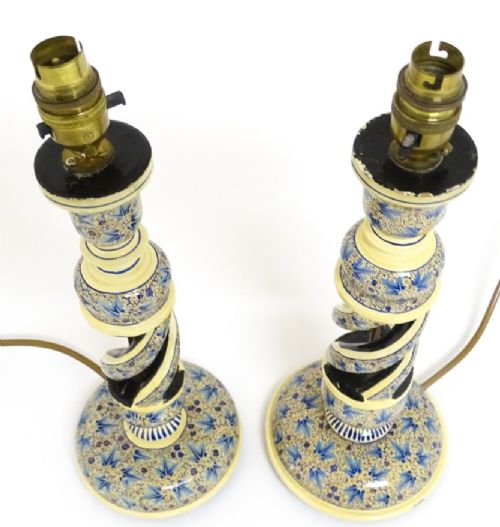
Kashmiri items often feature distinct hand-painted floral and pictorial motifs executed in vibrant green, gold, and ochre hues. Many utilise papier-mache or carved wood substrates.
These pieces reflect specific regional artisan traditions distinct from East Asian Chinoiserie works.