

Vintage Lacquer Desk
A vintage lacquer desk brings hand-painted Chinoiserie scenes, rich pigments, and polished surfaces directly into a modern study.
Vintage Lacquer Desk
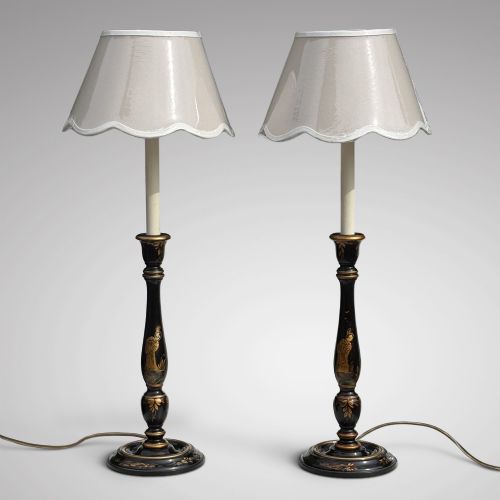
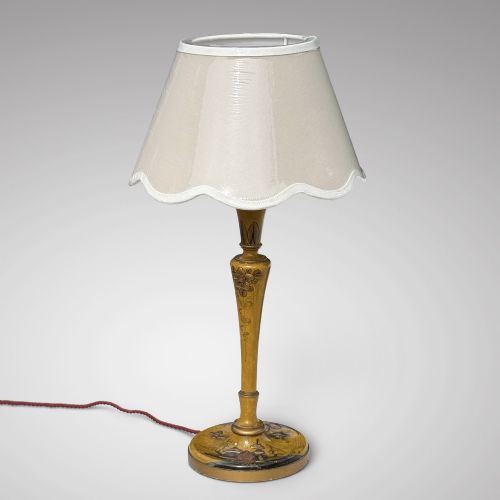
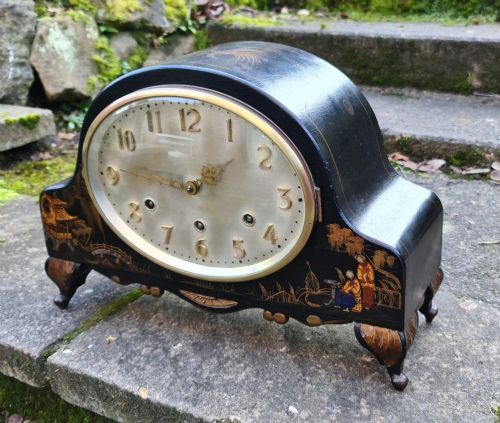
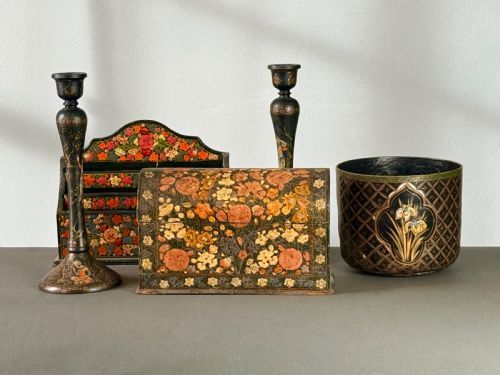
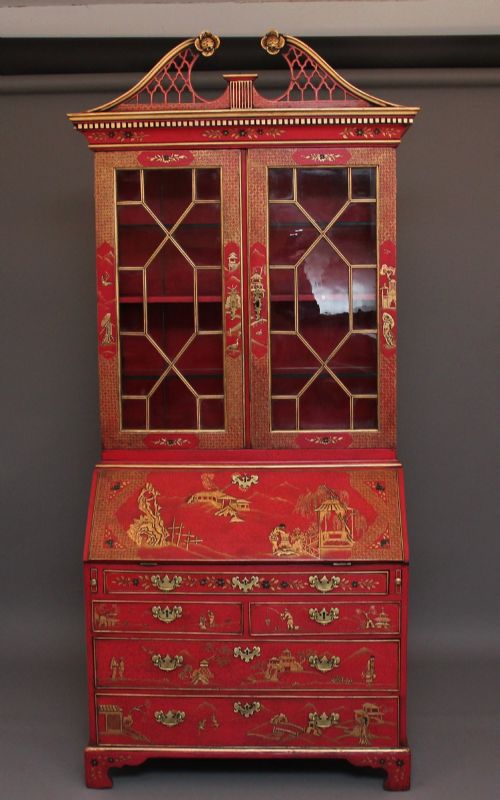
A vintage lacquer desk sits among a diverse family of surface-finished writing furniture, bureau bookcases, and occasional writing tables originating from various global traditions. When searching for a vintage lacquer desk, buyers encounter writing surfaces decorated in the Chinoiserie taste, Kashmiri hand-painted motifs, and oriental red or black lacquer finishes. These pieces span the nineteenth century through the early decades of the twentieth century, including Victorian and Edwardian interpretations.
The material expression ranges from solid wood and lacquered wood to papier-mâché and elm, often paired with contrasting brass hardware or painted details. Forms vary from compact writing tables and serpentine kneeholes to bureau platts and bureau bookcases with fitted stationery compartments. Many items display distinct regional influences, notably English adaptations of oriental styles alongside authentic imported forms.
Materials and construction
Craftsmen built these pieces using traditional timber foundations, applying successive coats of lacquer to create smooth, resilient outer layers. Surface decoration relied heavily on hand-painted pigments, gilding, and fine brushwork to depict intricate figural or floral scenes.
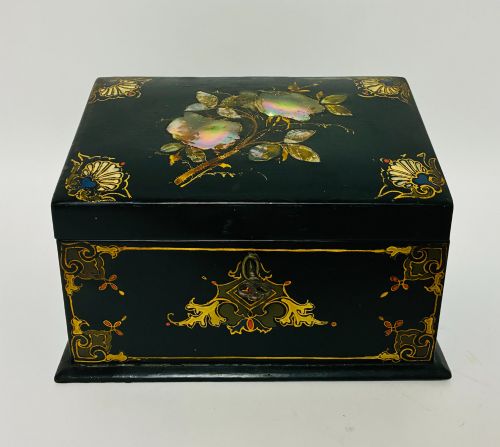
Papier-mâché formed an alternative base for smaller desk accessories and boxes, moulded and finished with similar lacquer protective layers. Brass fixtures, handles, and occasional glass elements completed the construction, combining structural woodwork with decorative surface artistry.
Current listings demonstrate periods spanning from the nineteenth century through the 1930s, utilising lacquer, brass, wood, and papier-mâché across diverse desk and table forms.
Judging quality in lacquered furniture
Quality rests upon the depth and preservation of the lacquer surface, where multiple polished coats yield a richer finish than thin or flat applications. The precision of the hand-painted detailing distinguishes superior examples, as finely rendered brushwork requires considerable skill from the artisan.
Structural integrity of the underlying timber and the retention of original hardware further separate standard production from exceptional pieces. The harmony between the decorative scheme and the structural form dictates the overall refinement of the desk.
The Vintage Lacquer Desk Glossary
- Chinoiserie
- European artistic interpretation of Chinese and East Asian styles, prominent in furniture decoration. This aesthetic employs painted motifs of landscapes, figures, and pavilions.
- Bureau bookcase
- A combination writing desk featuring a sloping fall-front writing flap positioned beneath enclosed shelving. These tall pieces provide both workspace and storage.
- Papier-mâché
- A composite material made from paper pulp mixed with glue and resin, pressed into moulds. It provides a lightweight yet durable base for lacquer and paint.
- Bureau platt
- A flat-topped writing table, often fitted with drawers beneath the surface. This freestanding desk design exposes finished surfaces on all sides.
- Kodansu
- A small Japanese tabletop cabinet with multiple internal drawers. These decorative storage pieces frequently feature detailed lacquer work.
Vintage Lacquer Desk: Frequently Asked Questions
How do I care for a lacquer surface?
Dust the surface regularly with a soft, dry microfibre cloth to prevent abrasive particle buildup. Avoid chemical cleaners and direct sunlight, which can damage or fade the delicate painted layers.
Keep the room at a stable humidity level to protect both the timber substrate and the outer lacquer finish from cracking. Gentle treatment preserves the integrity of the original hand-painted details over time.
Are these desks suitable for daily writing use?
Many historical writing tables function effectively for modern writing tasks, provided the working height matches your requirements. Smaller bureau formats offer compact surfaces suited for laptops and occasional paperwork.
Protect the lacquer top with a blotter or leather pad if you plan to write directly on the surface. This prevents scratches from pens and everyday office items while maintaining the decorative finish.
What is the difference between Chinoiserie and Kashmiri lacquer?
Chinoiserie reflects European interpretations of East Asian artistic traditions, typically featuring raised gold motifs on black or coloured lacquer grounds. These designs often depict imaginary oriental landscapes and pavilions.
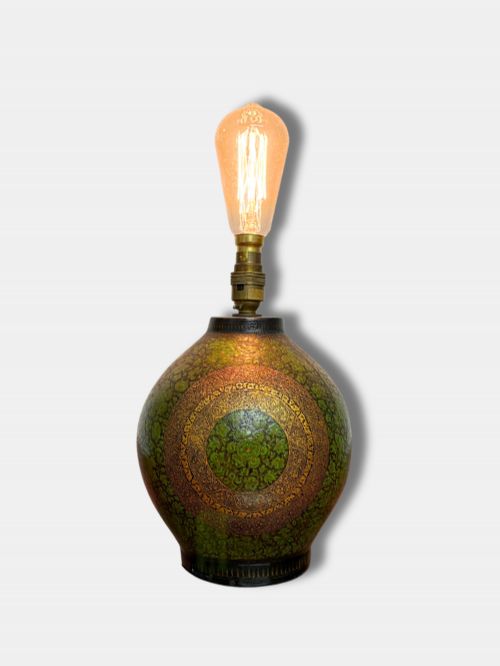
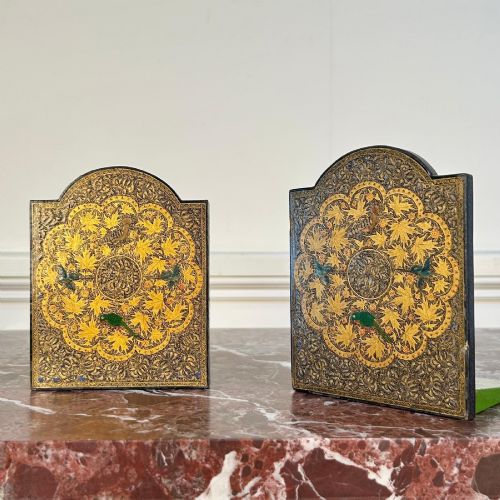
Kashmiri lacquerwork originates from northern India and is distinguished by vibrant, flat hand-painted floral and botanical patterns. The colour palettes frequently incorporate bright tones such as ochre, green, and cream.
How can I date a lacquered desk?
Examine the construction methods, secondary timbers, and hardware style to establish an approximate period. Nineteenth-century pieces often display hand-cut joinery and heavy timber framing, whereas Edwardian examples may show lighter construction.
The style of the painted decoration also provides clues, as Victorian interpretations differ significantly from early twentieth-century Art Deco or Chinoiserie revivals.