

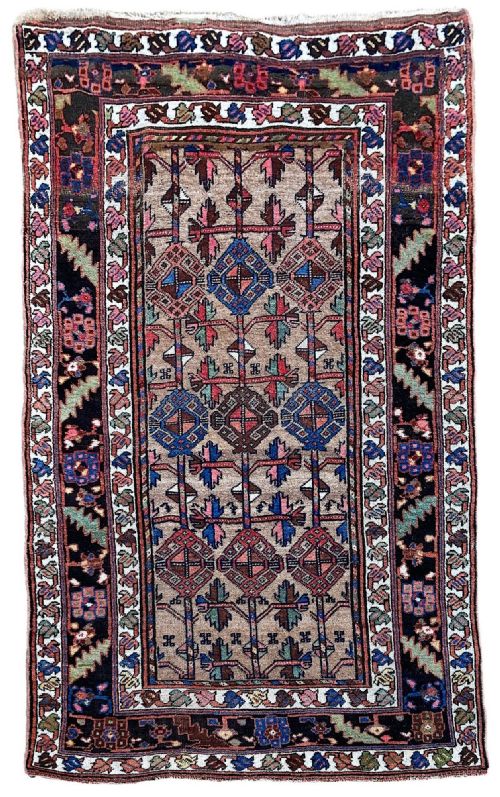
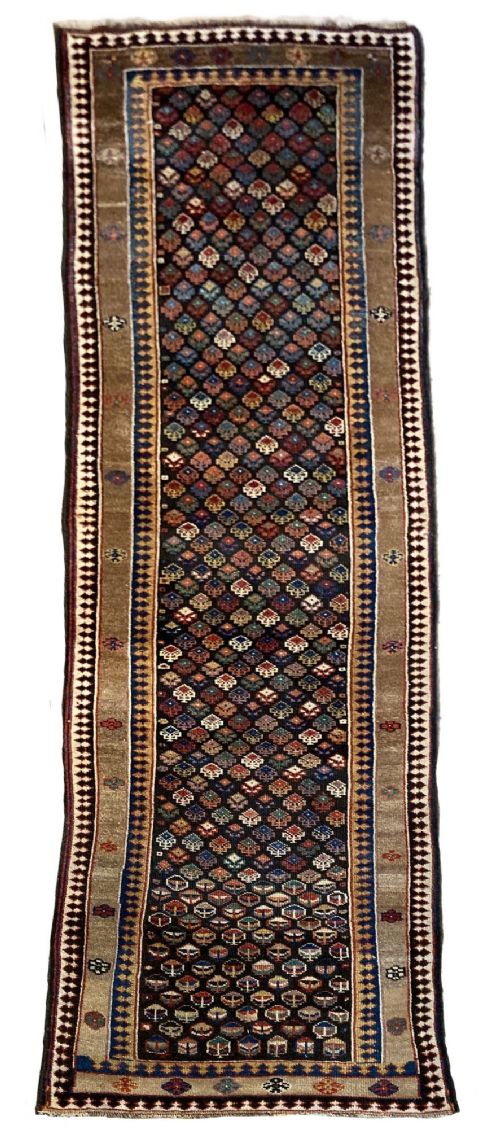
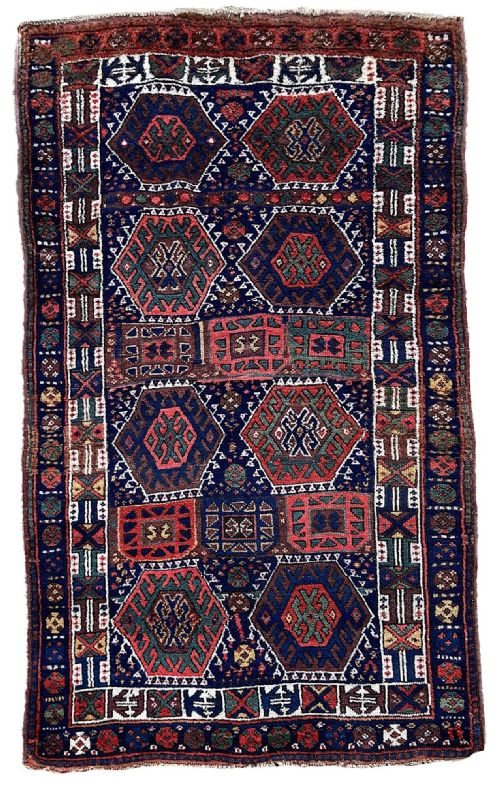


Vintage Kurdish Carpet Runner
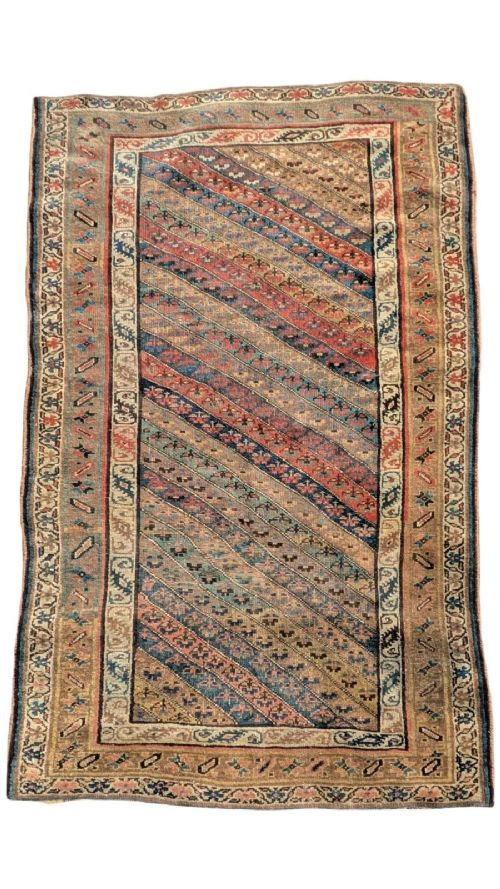
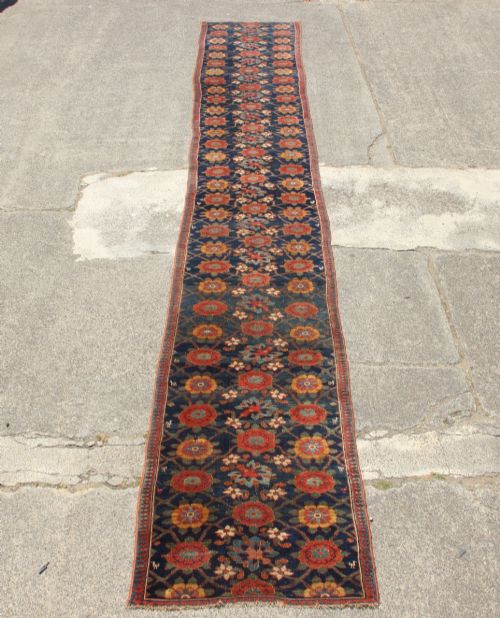
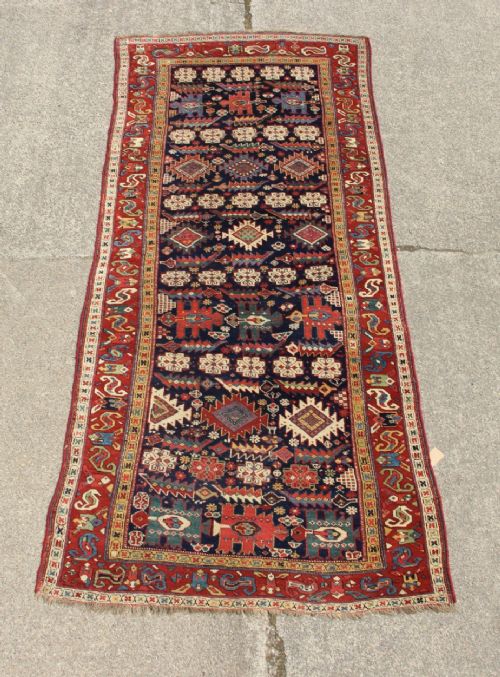
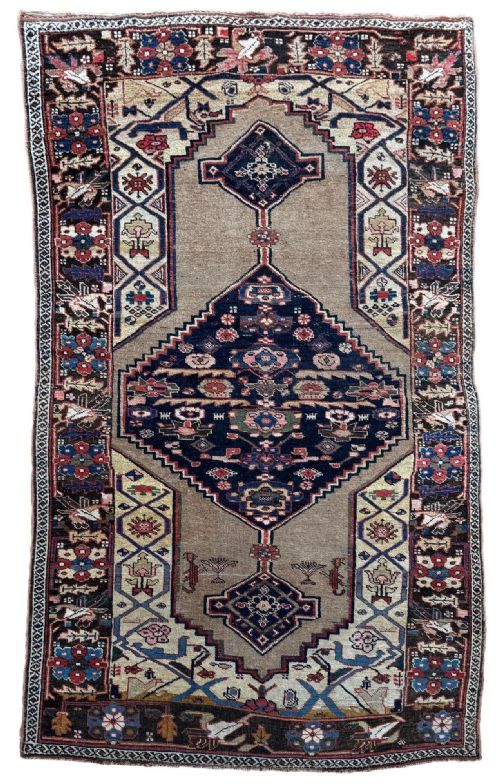
When you search for a vintage kurdish carpet runner, you are looking at resilient tribal floor coverings woven by nomadic and village makers.
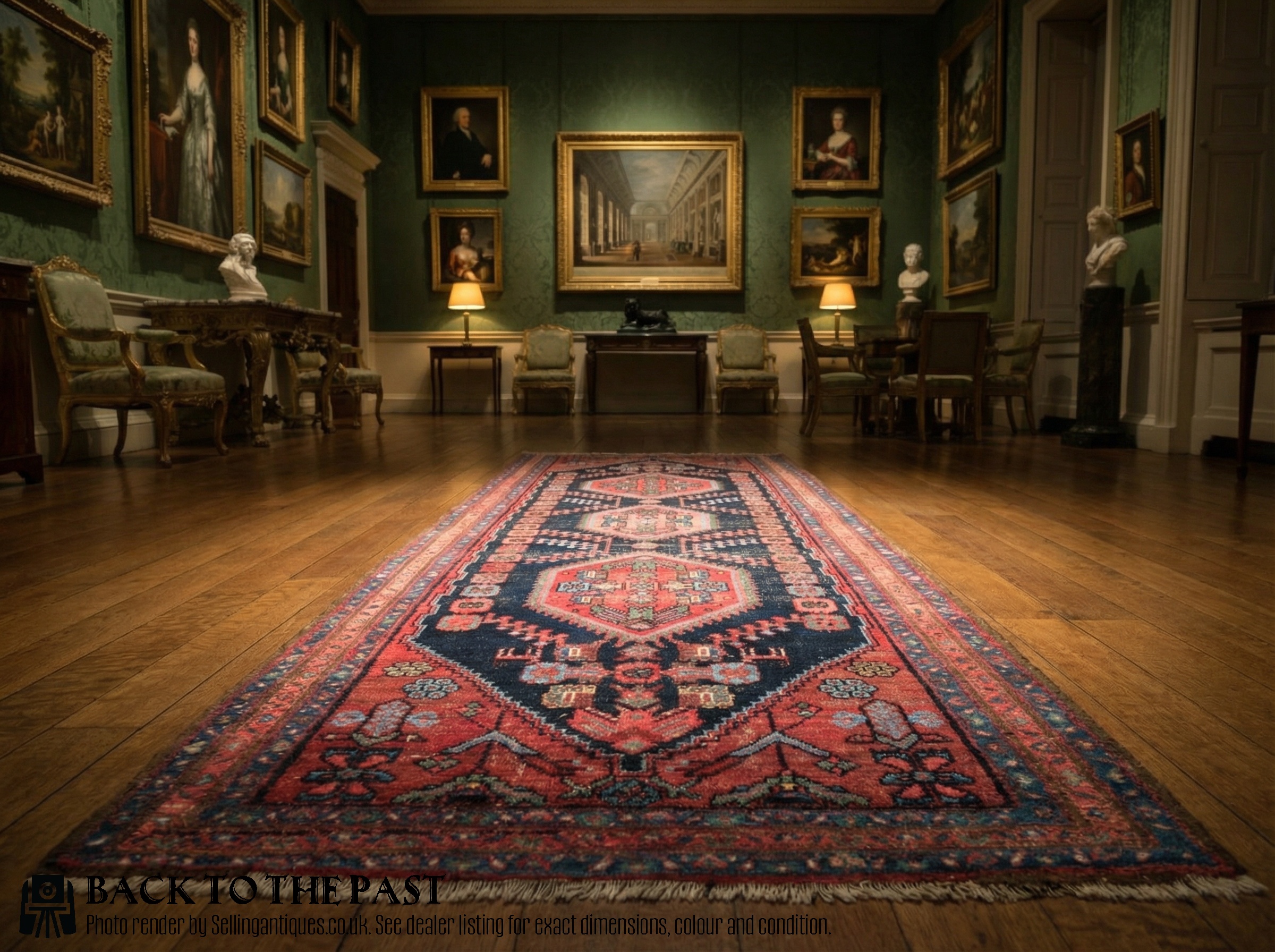
Vintage Kurdish Carpet Runner
A vintage kurdish carpet runner brings together dense geometric patterns and robust construction suited to heavy hallway use. These pieces emerge from regions spanning Persia, Anatolia, and the Caucasus, reflecting distinct tribal traditions.
Most examples you encounter date from the late nineteenth century through to the early decades of the twentieth century. They appear in formats designed for corridors and narrow spaces, often carrying traditional motifs such as guls, shrubs, or trellis patterns.
What separates the grades
The fineness of the knotting and the precision of the geometric layout distinguish exceptional examples from standard village pieces. Tighter foundations allow complex designs like Mina Khani patterns to maintain crisp definition.
The integrity of the wool and the depth of the natural dye palette also govern the standing of an individual runner. Pieces retaining strong, saturated colours and intact original selvedges represent the upper tier of survivals.
Some runners measure over six metres long, demanding very long corridors to show off their repeating tribal motifs.
The Vintage Kurdish Carpet Runner Glossary
- Kelleh
- A large format rug or short carpet, often longer than it is wide. These formats served specific seating or floor layouts in traditional interiors.
- Gul
- A repeating medallion or floral motif used across tribal carpets. They act as distinct identifiers for specific weaving groups.
- Mina Khani
- A traditional all-over floral pattern consisting of daisy-like rosettes linked by curved vines. This design frequently appears in fine Persian and Kurdish carpets.
- Warp
- The vertical foundation threads stretched tightly on the loom before knotting begins. The visible ends often finish in decorative fringes.
- Weft
- The horizontal threads passed across the warp threads after each row of knots to secure them. Multiple shots of weft add stability to the structure.
Vintage Kurdish Carpet Runner: Frequently Asked Questions
How do I care for a runner?
Vacuum gently without a rotating brush head to protect the hand-spun wool pile from unnecessary friction.
Rotate the piece occasionally to ensure even wear across high-traffic hallway sections.
Are these runners durable?
The dense wool construction and tight knotting make these textiles exceptionally tough for daily hallway use.
Using a suitable underlay prevents slipping and cushions the foundation against hard flooring.
Where were they woven?
Weaving centres span the Kurdish regions of Persia, Anatolia, and parts of the Caucasus.
Nomadic groups and village communities produced these pieces using localized motifs and dyeing traditions.
How do I spot natural dyes?
Natural dyes display subtle tonal variations known as abrash, where the colour shifts gently across the wool.
These plant and insect-derived colours age gracefully, developing rich patinas over decades of light exposure.