

Vintage Kitchen Art
Vintage kitchen art brings together oils, signs and honest utility to turn a hardworking room into a space with history.
Vintage Kitchen Art
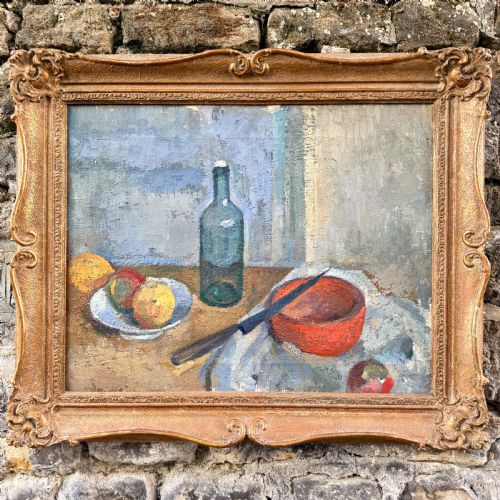
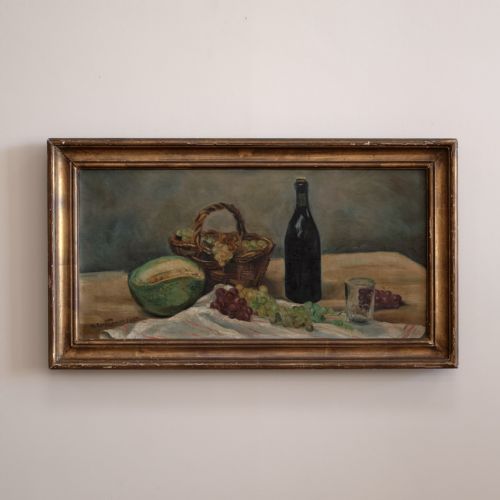
Vintage kitchen art gathers oil paintings, still lifes and brass shop signs that evoke the daily life of food preparation and dining.
Most pieces on this page span from the nineteenth century through the early decades of the twentieth, reflecting both modest domestic spaces and grander country interiors.
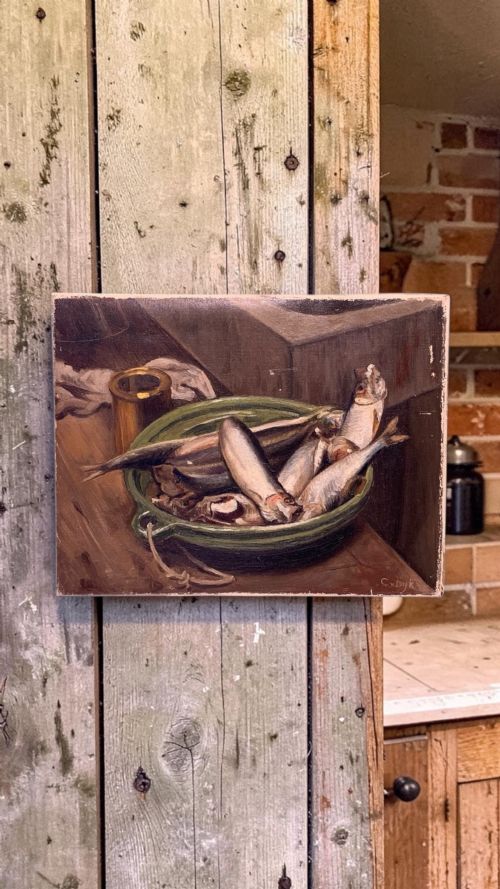
Buyers encounter oil on canvas paintings of fruit and fish alongside functional brass wall markers that ground the decorative aesthetic in actual trade.
How they were made
Paintings utilise oil on canvas or wood panel, framed in solid wood to protect the pigment and ground the composition.
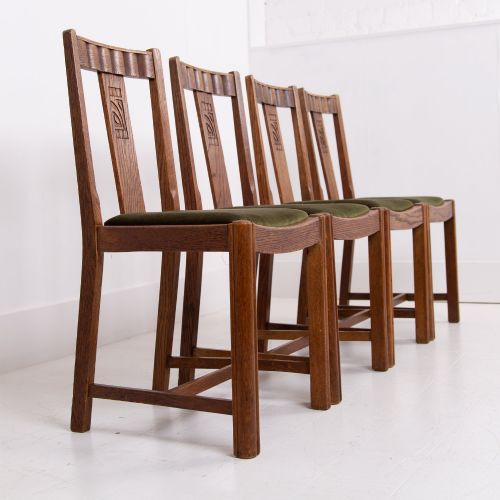
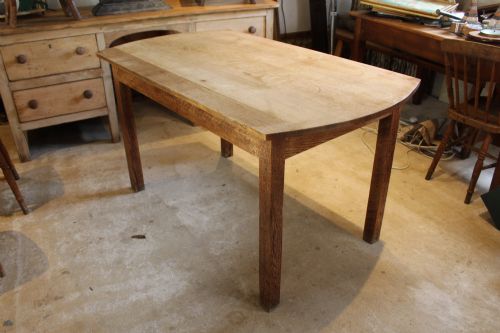
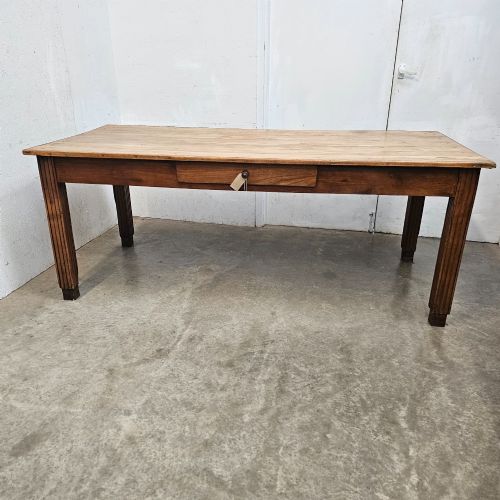
Signage relies on heavy cast brass, while the broader domestic items supporting this aesthetic depend on oak, pine, fruitwood and mahogany joined by hand.
Surfaces show the natural grain of timber or layers of period paint applied to pine, oak and teal or cream backdrops.
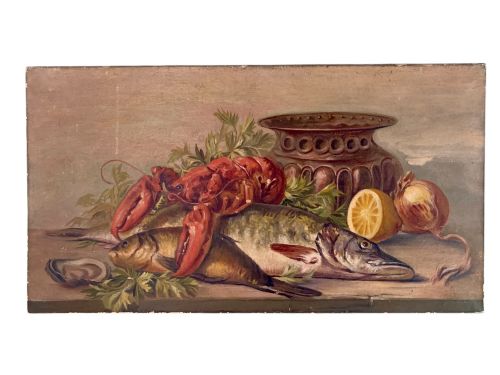
A lobster makes an unexpected star in the kitchen, peering quietly from nineteenth-century canvas long before reaching the plate.
What varies in quality
Quality rests on the handling of the subject by the artist, distinguishing a skilled still life study from a routine commercial piece.
The integrity of the materials matters greatly, with quartered oak and heavy cast brass holding their structural and visual weight better than lesser substitutes.
Condition of the canvas and the originality of the frame determine the overall visual strength of the artwork.
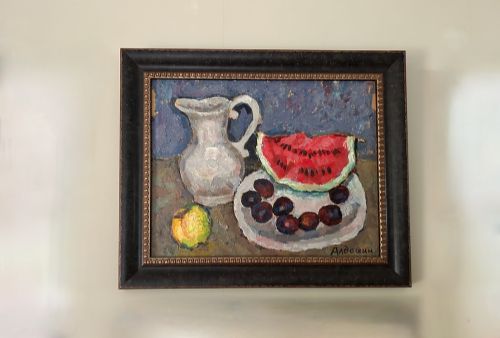
Vladimir Aldoshin·Mundus Kohn·Heals of London
The Vintage Kitchen Art Glossary
- Still life
- A painting or drawing depicting mostly inanimate subject matter, typically commonplace objects which may be either natural or man-made. In these listings, they frequently feature food, fish or fruit.
- Oil on canvas
- Pigments bound in a drying oil applied to stretched fabric. This medium allows for deep colour saturation and subtle blending.
- Brass sign
- A plaque cast or engraved from a copper and zinc alloy, used traditionally for trade identification. They bring a sharp metallic contrast to painted wooden interiors.
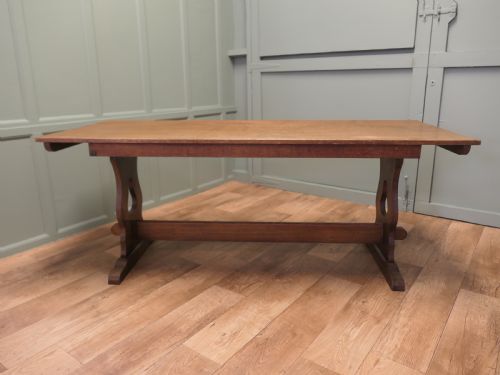
- Refectory table
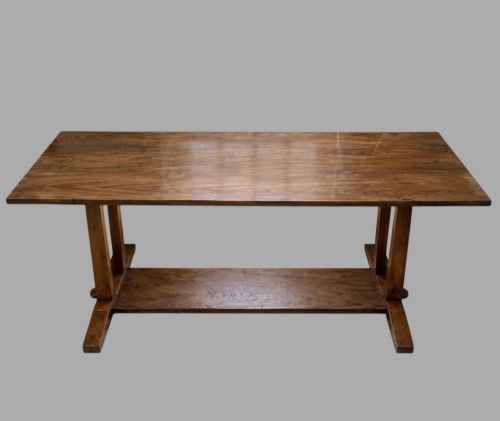
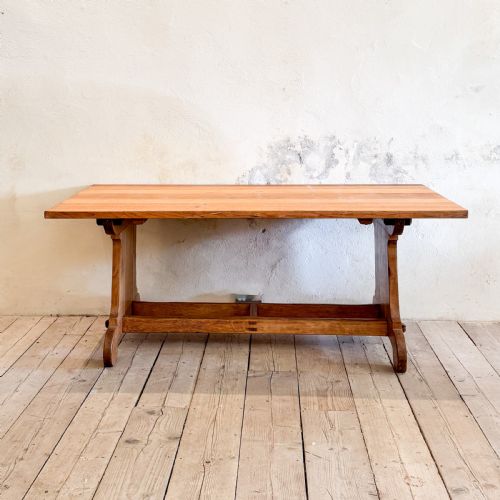
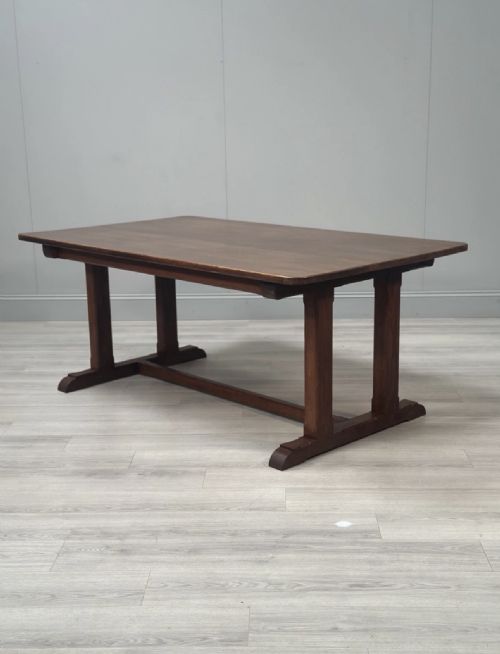
- A long dining table used originally for meals in monasteries and large halls. They form a robust architectural foundation in rustic and arts and crafts interiors.
- Arts and crafts
- An international design movement championing traditional craftsmanship and simple forms. Pieces from this tradition avoid excessive machine ornamentation.
Vintage Kitchen Art: Frequently Asked Questions
What subjects appear in vintage still life paintings?
The canvases on this page focus heavily on food, featuring arrangements of fish, lobsters, apples, pomegranates and melons.
These domestic subjects celebrate the harvest and the preparation of meals, making them a natural fit for kitchen and dining spaces.
How do I hang a heavy oil painting safely?
Heavy oil paintings in solid wood frames require fixings secured directly into wall studs or heavy-duty wall anchors rated for the weight.
Using wire rated well above the actual mass of the frame ensures the piece hangs securely over time.
Can brass signs be cleaned safely?
Brass shop signs tolerate gentle dusting and occasional wiping with a soft, dry cloth to remove surface grime.
Harsh chemical polishes should be avoided to preserve the dark patination accumulated over decades of use.
How do I date a nineteenth-century canvas?
Dating relies on the stretcher construction, the type of canvas weave, and the style of the period frame housing the work.
Signatures, artist records and exhibition labels on the reverse provide definitive chronological markers.