




20th Century Oil Board
A 20th century oil board brings direct texture and spirited brushwork into a room, offering an intimate window into past landscapes and domestic scenes.
20th Century Oil Board
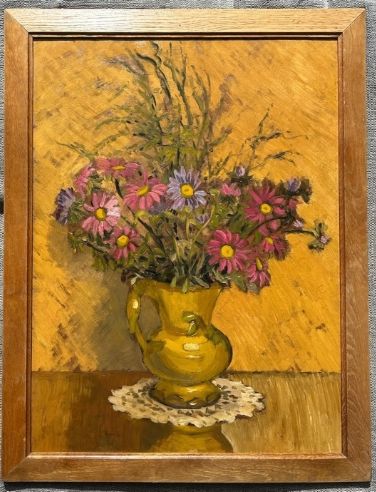
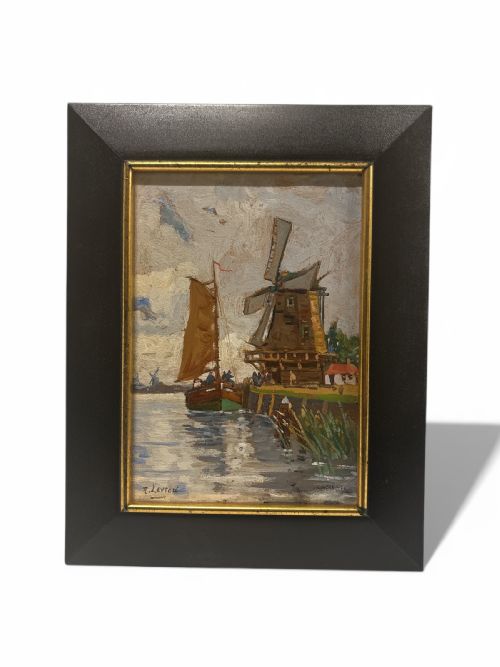
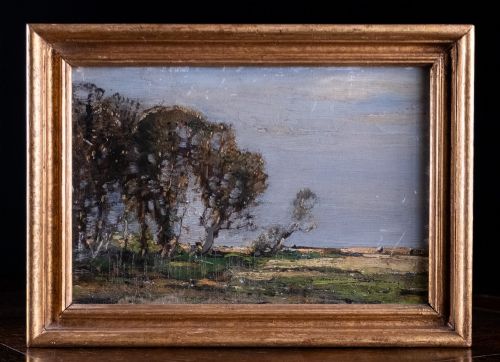
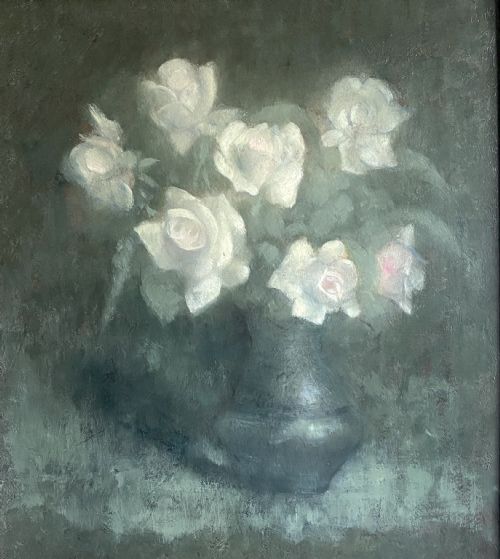
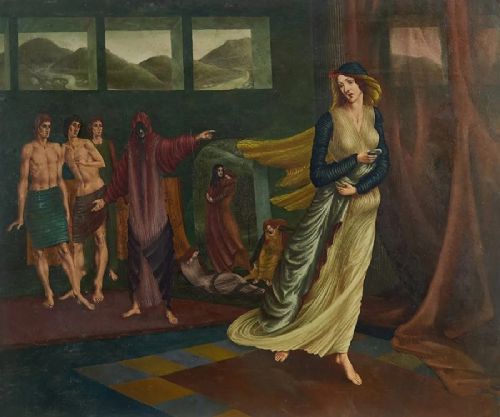
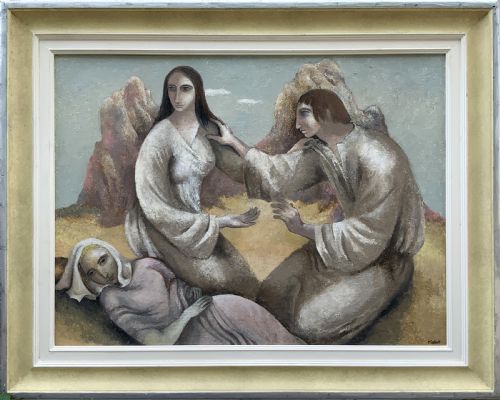
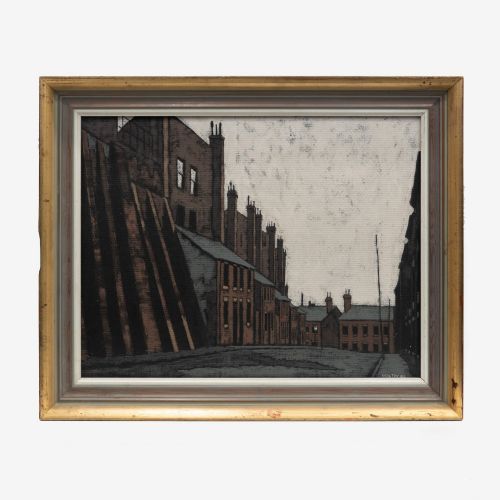
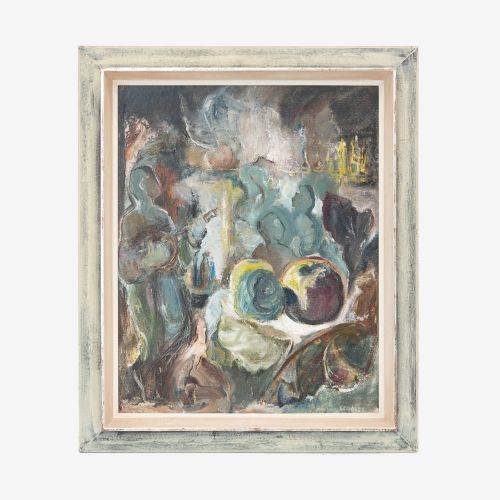
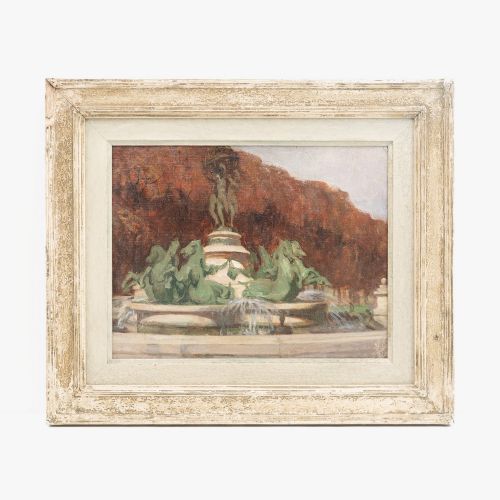
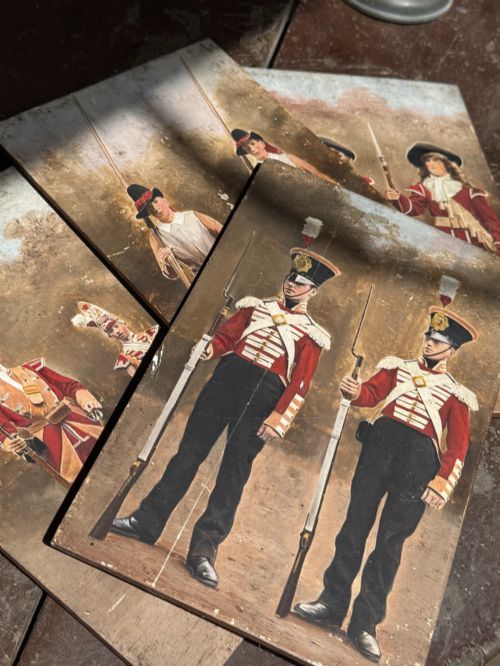
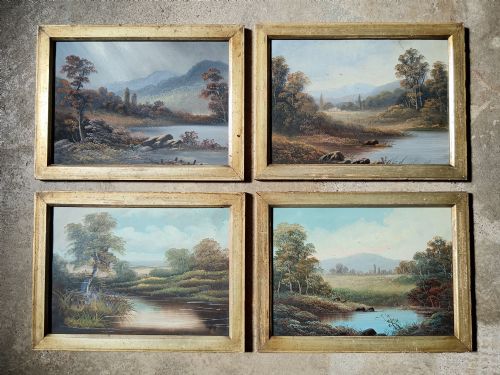
A 20th century oil board captures a diverse array of subjects executed directly on rigid supports rather than stretched fabric. Buyers encounter everything from Edwardian coastal harbours and floral still lifes to mid-century abstract cityscapes and regional British countryside views.
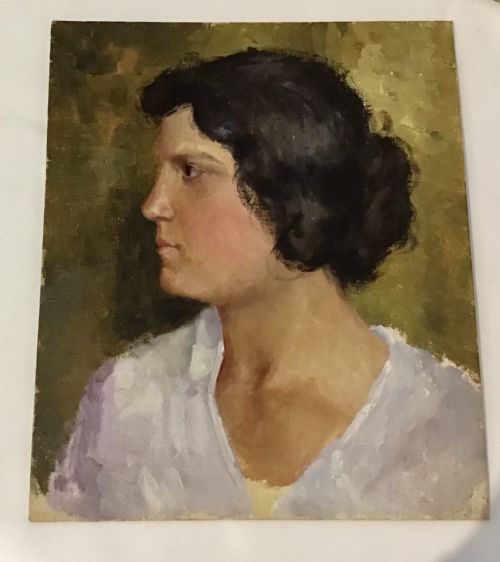
The selection ranges from early works displaying Post-Impressionism and Art Nouveau influences to later mid-century modernist explorations. Landscapes and townscapes dominate the examples, alongside intimate portraits and floral studies recorded by regional and nationally recognised painters.
Materials and construction
Artists applied oil paint directly onto prepared wooden panels, thick card, or fibreboards, sometimes utilising canvas laid down onto a rigid backing board for added stability. These firm surfaces allowed painters to work rapidly outdoors during plein air sessions or build up heavy impasto textures.
Many compositions retain visible brush marks and palette knife applications that emphasise the tactile nature of the medium. Gilding occasionally appears on frames or within the decorative details of early period pieces.
Listings span from nineteen-ten to nineteen-sixty, encompassing Edwardian, Post-Impressionist, and Mid-Century Modernist movements across Britain and Europe.
Distinctions in quality
Quality rests upon the confidence of the brushwork and the artist's ability to capture light and atmosphere within a compressed format. Superior pieces demonstrate purposeful mark-making and balanced composition that enliven the subject matter.
The sophistication of the palette and the strength of the provenance elevate certain works above standard decorative examples. Earlier Edwardian pieces and well-documented mid-century modern works often display greater artistic ambition.
Kenneth Cozens·Kershaw Schofield·Florence Adelina Hess·Alexander Jamieson·Joan Gillchrest·William JB Jenkins·Fred Yates·William Burns
The 20th Century Oil Board Glossary
- Board
- A rigid flat support made of wood, millboard, or composite material used by artists instead of stretched canvas.
- Impasto
- Paint applied thickly to a surface, leaving raised areas where the bristles or palette knife have left distinct marks. This technique adds physical dimension and texture to the painted surface.
- Plein air
- Painting outdoors in direct natural light to capture ephemeral atmospheric effects. Practitioners often utilised portable oil boards for this method.
- Post-Impressionism
- An art movement developing from about the eighteen-eighties that rejected naturalistic depiction in favour of expressive colours and forms. Works in this style often use simplified shapes and bold brushwork.
- Provenance
- The documented history of ownership of a work of art, providing evidence of authenticity and origin. Studio sales and exhibition labels often contribute to this record.
20th Century Oil Board: Frequently Asked Questions
What is an oil board painting?
An oil board painting is a work created with oil-based pigments applied directly onto a rigid support such as heavy card, wood, or millboard. Artists favoured this format for its portability and durability during sketching trips.
These pieces offer a direct record of an artist's technique, as the rigid ground supports both thin washes and thick impasto without flexing.
How should I frame an oil board?
Oil boards require framing that protects the edges of the rigid support while allowing the surface to breathe without direct contact with glass. Traditional wood or gilt frames complement the historic character of these works.
Ensure the painting is secured safely within the rebate without applying pressure directly to the painted surface.
How do I date a 20th century painting?
Dating relies on stylistic clues, framing materials, artist signatures, and any documentation found on the reverse of the board. Early century works often lean towards traditional landscapes and impressionism, while later decades introduce modernist and abstract tendencies.
Exhibition labels and pencil inscriptions on the wooden panels or backing cards frequently provide clues to the exact year of creation.
Where were these paintings created?
Many works record British landscapes, coastal scenes in Yorkshire and Cornwall, and European townscapes painted during travels. Artists frequently worked on location outdoors to capture local light and architectural details.
Studio paintings also feature prominently, focusing on domestic still lifes, portraits, and imagined compositions.