

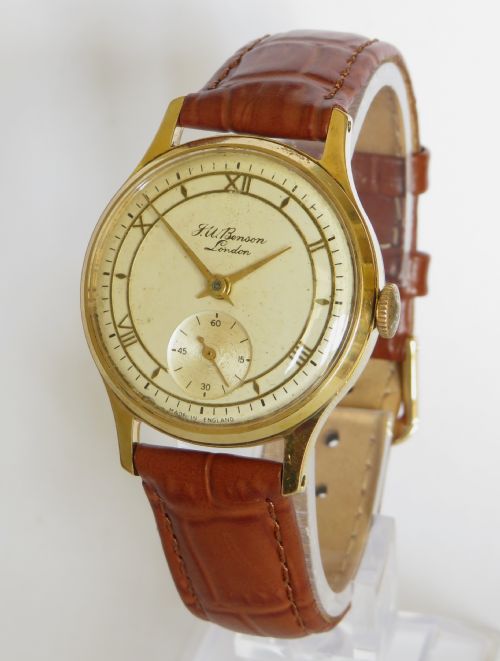


Vintage Jw Benson
These vintage jw benson pieces are heritage timepieces from a storied maker, offering mechanical longevity and classic design that appeal to traditional collectors.
Vintage Jw Benson
When you search for vintage jw benson, you enter a domain of mechanical timekeeping spanning pocket watches, wristwatches, and wall clocks. These instruments bear the mark of a prominent British retailer and maker, capturing decades of horological production.
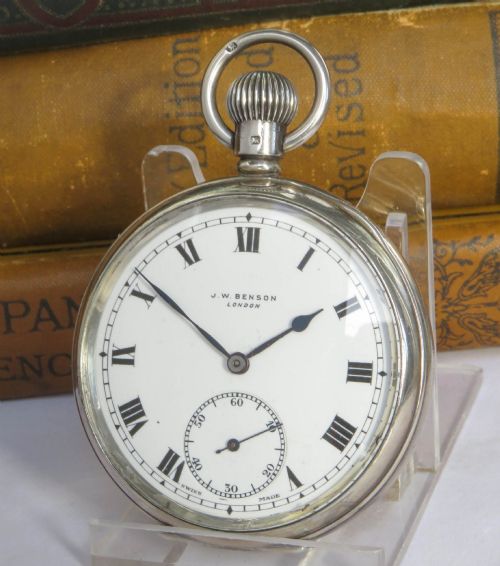
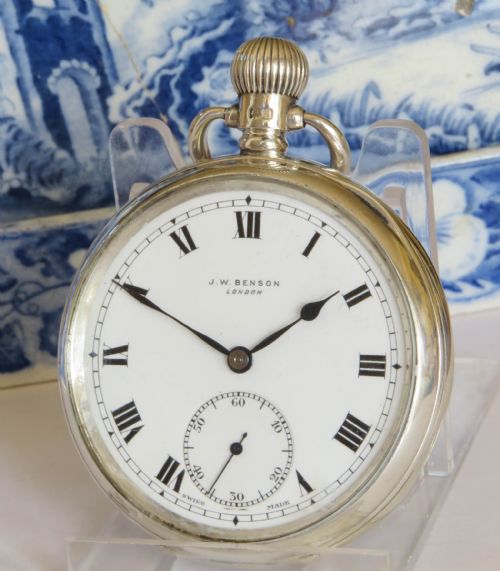
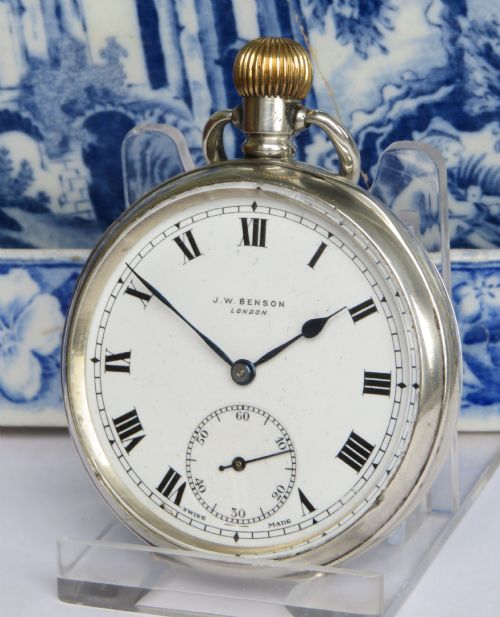
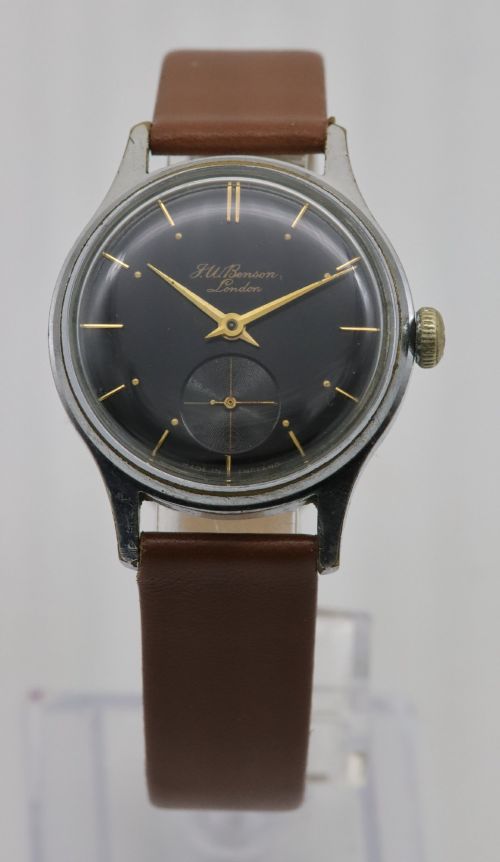
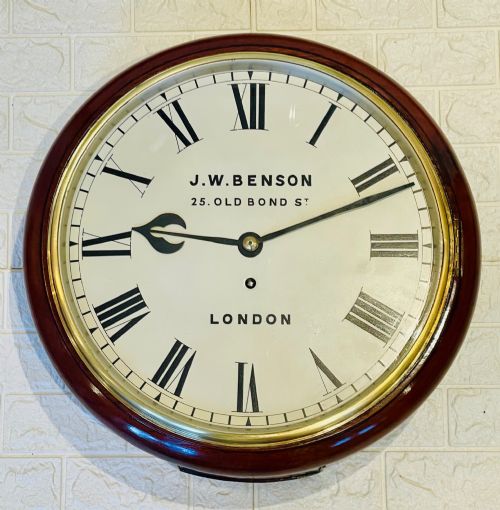
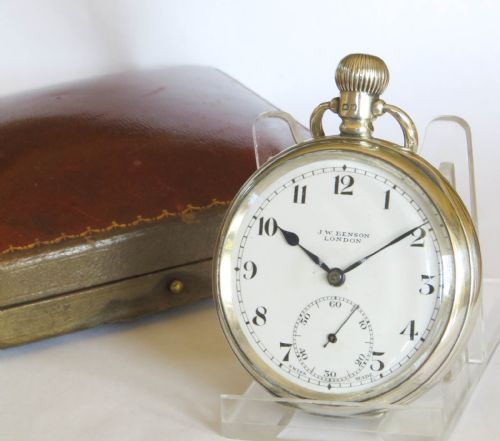
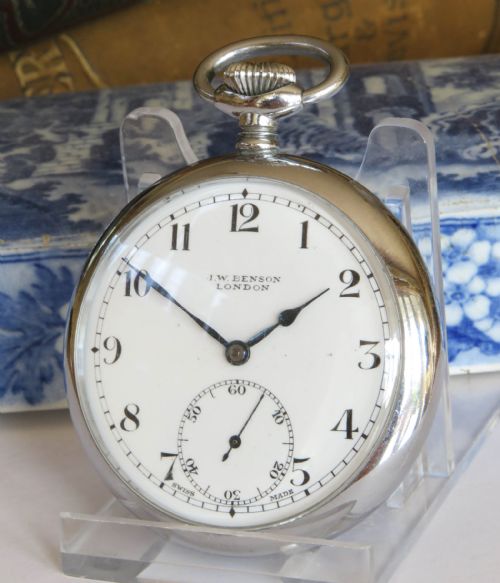
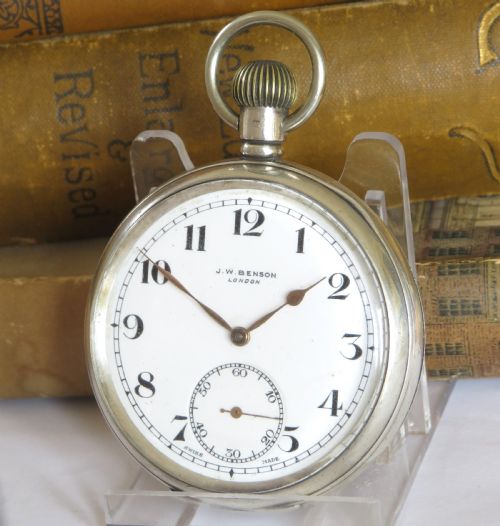
The pieces you encounter range from Victorian wall and carriage clocks to silver pocket watches from the 1920s and 1930s, alongside mid-century wristwatches. Pocket watches in silver cases dominate the selection, often accompanied by matching chains or specific movement types.
Early items include Victorian fusee dial wall clocks and petite sonnerie carriage clocks, establishing a high standard of clockmaking. Later decades bring collaborations and movements from makers like Smiths, Cyma, and Revue, housed under the Benson name.
Materials and construction methods
Silver forms the primary casing material for many pocket watches in this collection, frequently marked as sterling silver to denote standard fineness. Brass and gold plate appear alongside steel components, providing structural integrity for both portable watches and larger wall or carriage clocks.
Movements rely on traditional mechanical engineering, incorporating fusee setups in wall clocks and complex striking mechanisms in carriage clocks. Dial construction frequently utilises enamel and glass, protecting hand-painted or metal numerals across decades of daily use.
Vintage Jw Benson Retail Price Guide 2026
Typical asking prices for vintage jw benson among the pieces listed under this phrase on Sellingantiques today, from the lower quarter to the upper quarter. They describe what is for sale here now, not the wider market.
Some pocket watches still carry the whisper of a railway timetable in their ticking, designed to keep Victorian commuters strictly on schedule.
Distinguishing quality and grade
The distinction between standard examples and superior pieces rests on the complexity and pedigree of the movement. A simple pocket watch sits at one end, while a petite sonnerie carriage clock or an intricate fusee dial wall clock represents a much higher tier of horology.
Casing materials and overall state of preservation dictate desirability among collectors. Sterling silver housings and intact enamel dials command greater attention than plated brass or heavily worn components, reflecting the original retail hierarchy of the maker.
J W Benson·Smiths·Cyma·Revue·Vertex
The Vintage Jw Benson Glossary
- Fusee
- A conical pulley used in older clock movements to maintain even force as the mainspring unwinds. This mechanism helps ensure steady timekeeping across the power reserve.
- Petite Sonnerie
- A striking clock complication that sounds the hours and quarters automatically as they pass. It represents a high level of watchmaking skill.
- Hunter pocket watch
- A pocket watch featuring a spring-loaded metal cover that protects the glass dial. This design shields the face from scratches during daily carrying.
- Sterling silver
- An alloy consisting of silver and other metals, traditionally copper, to add strength. British pieces often display hallmarks confirming this standard.
Vintage Jw Benson: Frequently Asked Questions
How do I date a vintage J W Benson watch?
Dating relies primarily on the style of the case, hallmarks stamped into the silver, and the specific mechanical movement inside. Comparing serial numbers and retailer records offers a reliable timeline for production.
Changes in dial typography and the transition from pocket watch formats to wristwatches across the 1940s and 1950s provide further chronological markers for identification.
Are these pocket watches still suitable for daily wear?
Many of these mechanical timepieces remain fully operational and capable of keeping accurate time when properly maintained. Regular servicing by a horologist ensures the gears and mainspring function correctly.
Carrying a pocket watch requires care to protect the silver case and glass crystal from drops. Pairing them with a period chain keeps them secure.
What is the difference between a fusee wall clock and a standard clock?
A fusee wall clock uses a specialised conical drum to equalize the pull of the mainspring, resulting in more consistent timekeeping. Standard clocks often rely on simpler barrel springs without this balancing mechanism.
Fusee movements are typically found in higher-end Victorian pieces, reflecting superior craftsmanship and precision engineering.
Did J W Benson manufacture their own movements?
J W Benson operated primarily as a prestigious retailer and watchmaker, often commissioning movements from skilled Swiss and British makers like Cyma, Revue, and Smiths. These movements were then finished and cased with the Benson name on the dial.
This practice was common among top-tier British horologists of the Victorian and mid-century periods, ensuring high reliability.