


Vintage Jewellery Table
A vintage jewellery table brings small treasures out into the room, combining display glass with secure storage for rings and trinkets.

Vintage Jewellery Table
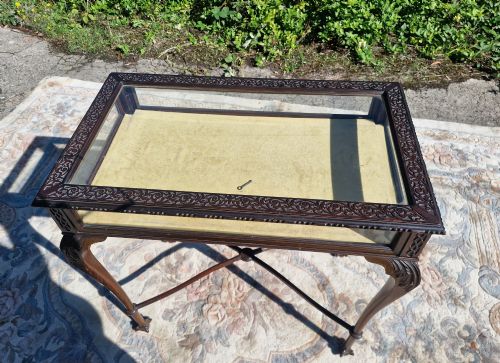
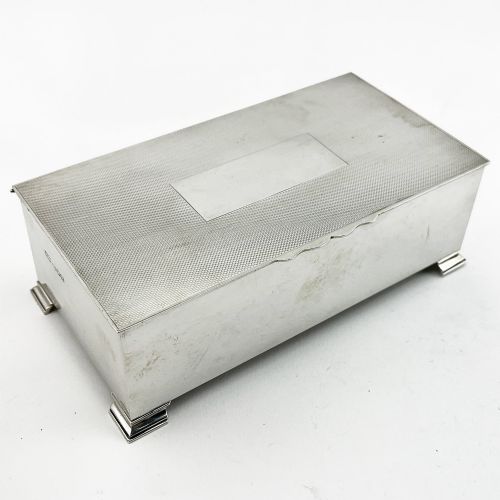
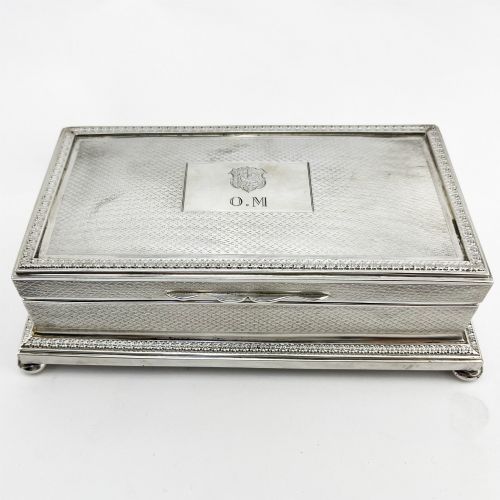
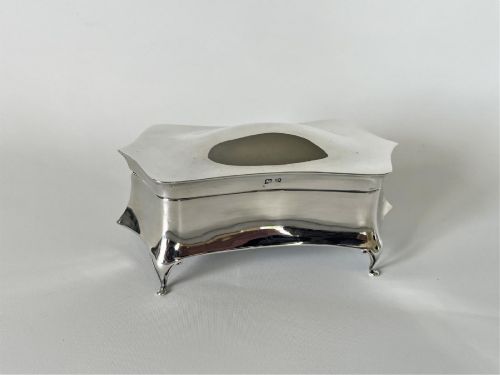
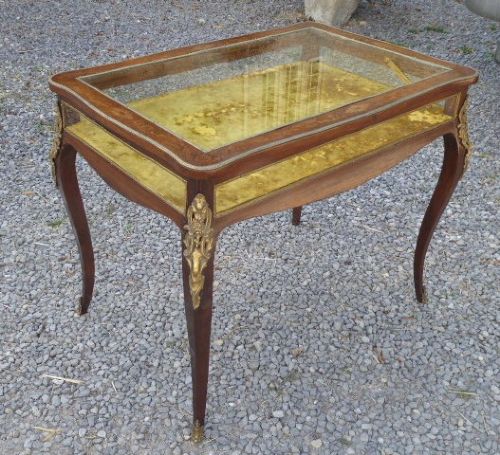
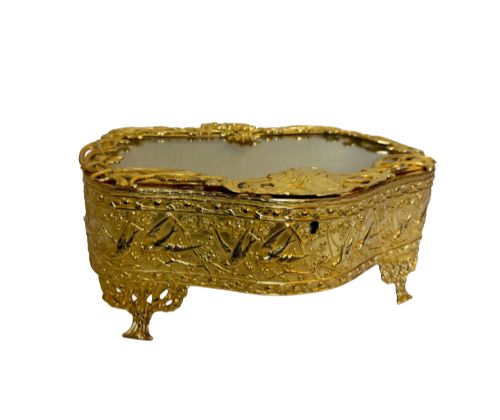
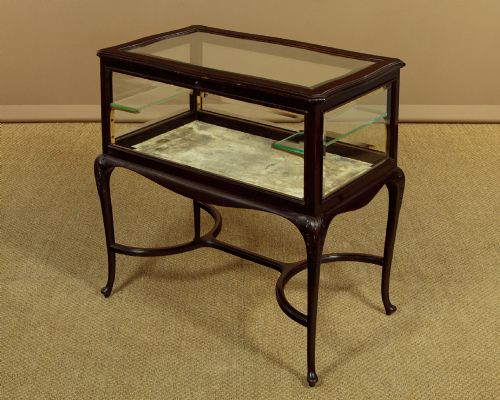
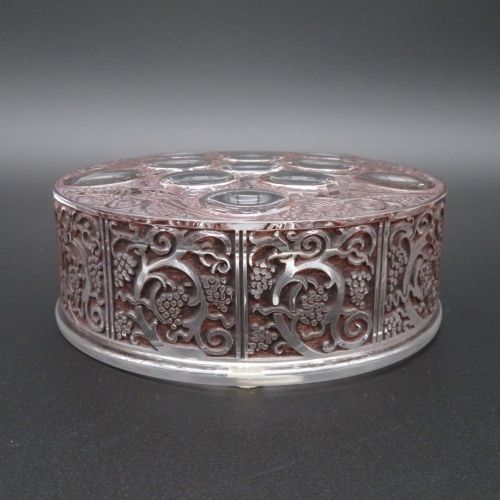
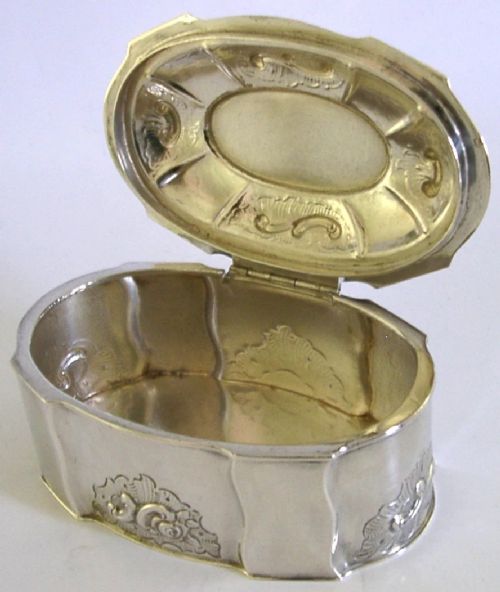
A vintage jewellery table encompasses glazed display cabinets, bijouterie tables, and lidded dressing table boxes designed to hold small personal valuables. When searching this phrase, a buyer encounters everything from Edwardian mahogany glazed stands to Victorian walnut tabletop cases.
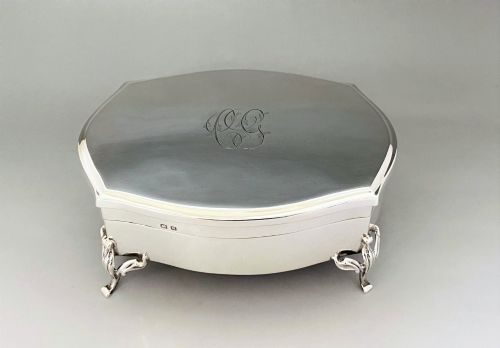
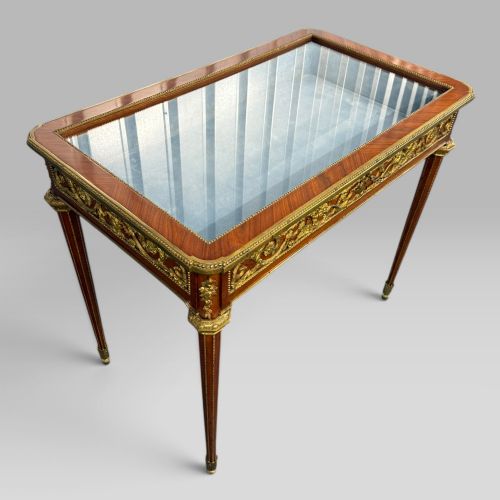
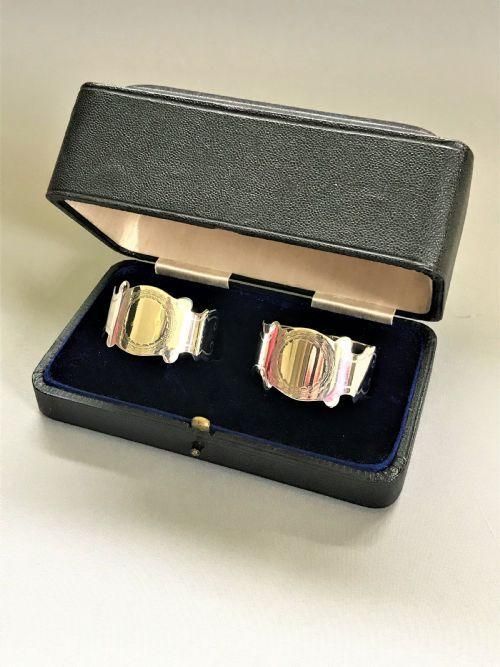
The selection ranges widely across periods, taking in the clean lines of Art Deco designs alongside ornate French Louis XVI Revival pieces. Smaller forms like sterling silver trinket boxes and tortoiseshell caskets sit alongside larger freestanding mahogany display furniture.
Origins vary from English workshops to continental makers and Japanese lacquer production. The overarching function remains the presentation and protection of cherished keepsakes within domestic spaces.
How they were made
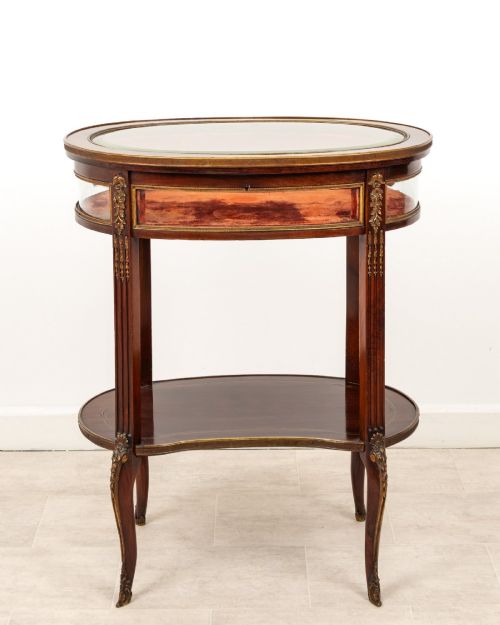
Construction relies heavily on timbers such as mahogany, walnut, and satinwood, frequently paired with marquetry inlay or brass ormolu mounts. Glazed panels and glass tops admit light while protecting the interior contents.
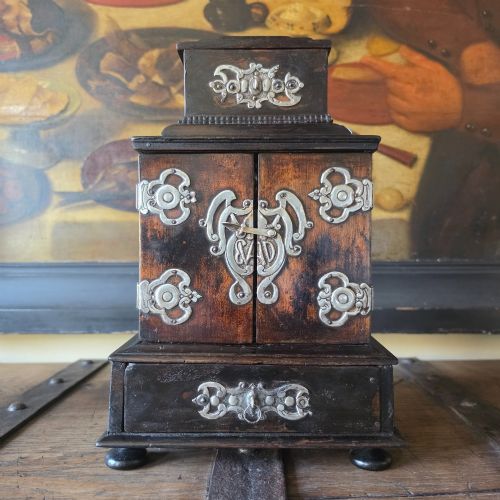
Interiors are typically lined with velvet or fabric to cushion jewellery and silver pieces. Metalwork elements involve sterling silver, gilt bronze, and brass, shaping hinges, mounts, and structural frames.
Cabinet styles range from French Louis XVI Revival display tables to Japanese black lacquered table cabinets.
What varies in quality
Quality rests in the precision of the cabinetwork, from the tightness of the wood joints to the refinement of hand-carved details and marquetry. Superior examples exhibit balanced proportions and substantial framing that maintains structural integrity over decades.
The choice of secondary materials marks the tier of a piece, separating standard production boxes from works utilising heavy gauge sterling silver, fine crystal glass, and intricate Ormolu mounts. Original fabric linings and fully functioning locks further elevate the standing of an individual item.
François Linke·Mappin & Webb·Sigvard Bernadotte·Georg Jensen·Edwards & Roberts·Posen of Frankfurt and Berlin
The Vintage Jewellery Table Glossary
- Bijouterie table
- A glass-topped display table specifically designed for showing small ornaments and jewellery. These pieces elevate treasures to eye level while keeping them enclosed.
- Ormolu
- Gilded bronze mounts applied to furniture and decorative boxes. This decorative technique adds metallic richness and classical definition to wooden surfaces.
- Marquetry
- Inlaid wood veneers forming decorative patterns or pictures on cabinet surfaces. Craftsmen assemble contrasting timber grains to create elaborate geometric or floral motifs.
- Vitrine
- A glass display cabinet or case designed to showcase objects of virtue. These freestanding or table-top enclosures offer all-round visibility for delicate collections.
Vintage Jewellery Table: Frequently Asked Questions
How do I clean the glass?
Wipe glass surfaces gently with a soft cloth and mild cleaning solution, taking care not to let moisture seep into wooden frames or fabric linings. Avoid harsh chemical sprays that might damage antique timber finishes or metal mounts.
Keep silver polish away from surrounding wood and velvet interiors when cleaning metal components on these tables and boxes.
Where should I place it?
Position your table or box away from direct sunlight and strong heat sources to protect delicate wood veneers, tortoiseshell, and interior fabric linings from fading or drying out. A spot with consistent indoor temperature ensures the timbers remain stable.
Choose a location where top-down light can illuminate the glass display area, allowing the contents to be viewed clearly.
Can I store heavy items?
These pieces are designed for delicate personal items such as rings, necklaces, small silver boxes, and keepsakes rather than heavy collections. Overloading glass shelves or fragile wooden trays risks structural strain.
Distribute weight evenly across the interior base or display surface to protect historical hinges and delicate framework.
How do I date the piece?
Examine the construction methods, timber choices, and style indicators such as Edwardian inlay or Art Deco geometry. Silver components often carry hallmarks that provide exact assay years and maker marks.
Compare the lock mechanisms, glass types, and lining materials against known period standards to narrow down the decade of manufacture.