
Vintage Jewellery Pearl Strand
When you handle a vintage jewellery pearl strand, you hold decades of quiet elegance shaped by mid-century styling and classic design.
Vintage Jewellery Pearl Strand
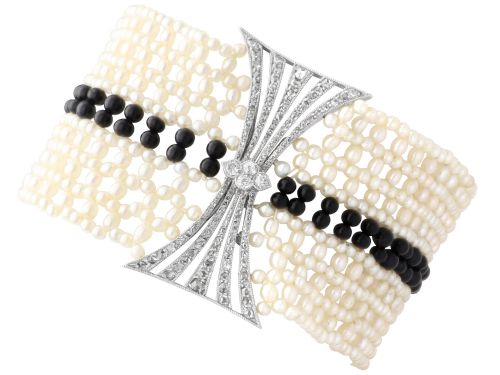
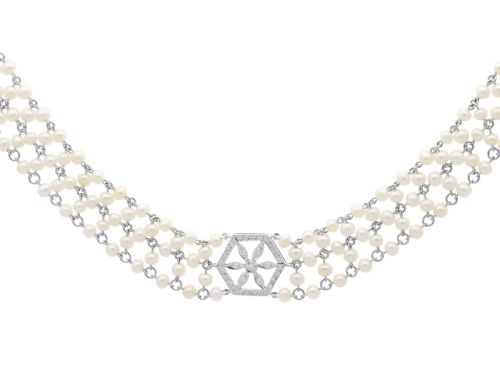
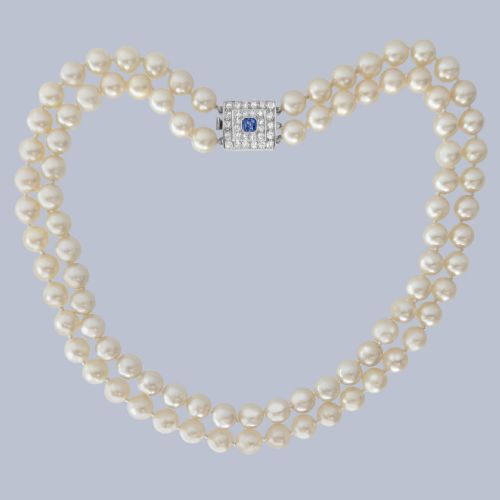
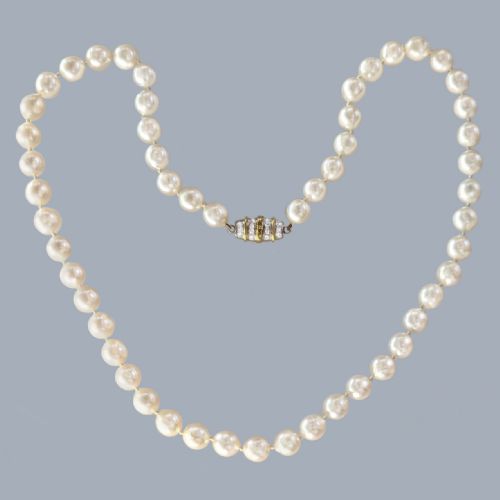
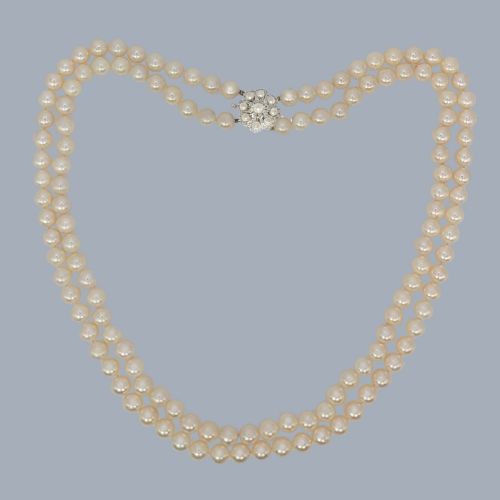
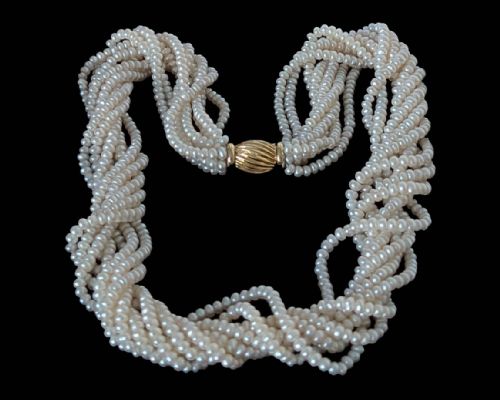
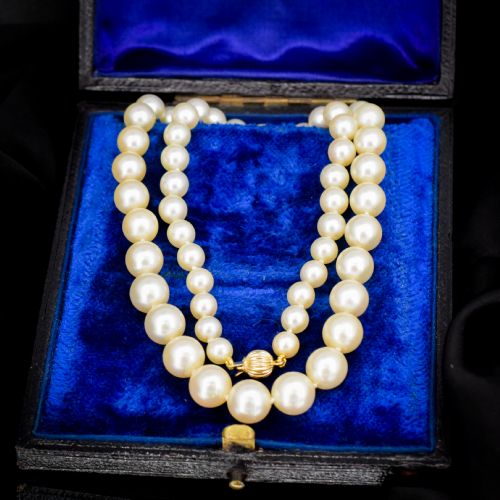
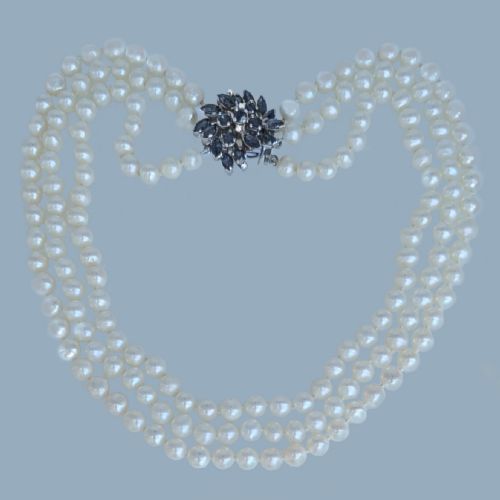
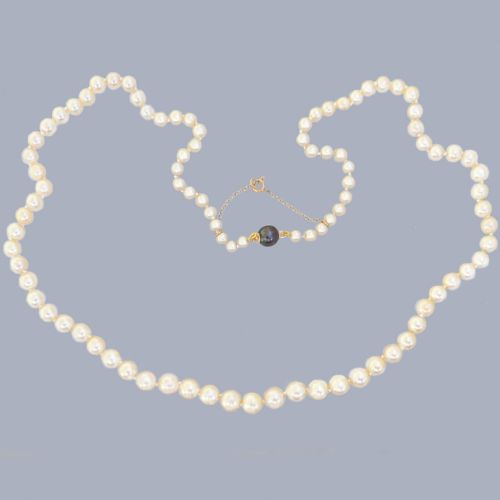
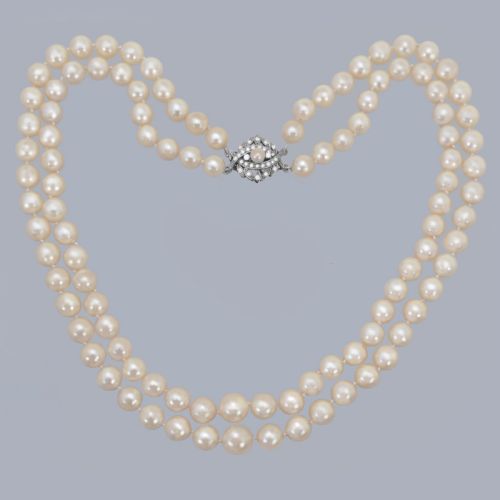
A vintage jewellery pearl strand encompasses necklaces and bracelets featuring single or multiple rows of pearls, frequently secured with decorative clasps. The pieces span periods from the Edwardian era through the nineteen-fifties and sixties, reflecting traditional and mid-century aesthetic preferences.
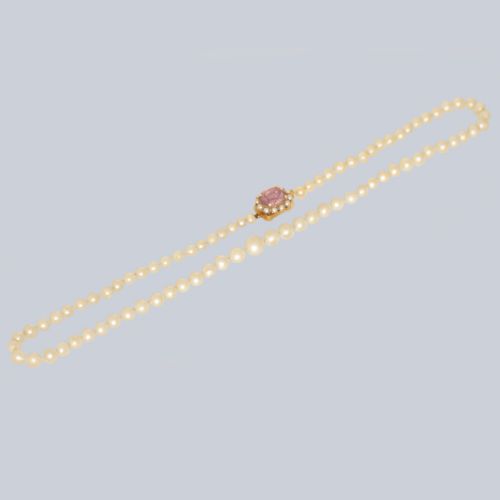
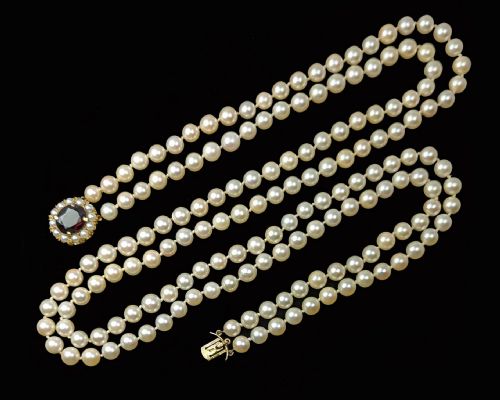
Single and double strand necklaces dominate the selection, often accompanied by multi-row iterations and bracelets. Clasps often incorporate diamonds, sapphires, emeralds, and garnets set in gold or silver.
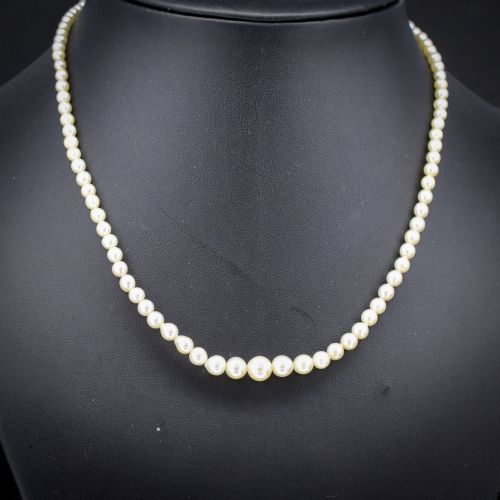
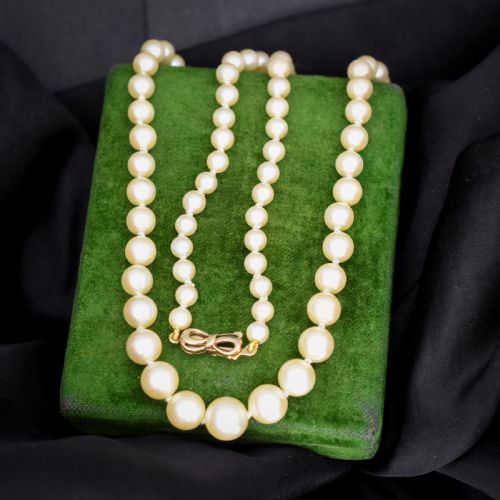
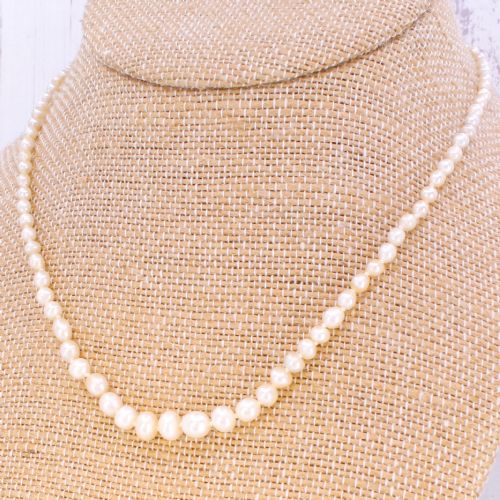
The pearls themselves appear as natural saltwater varieties, cultured pearls, and freshwater seed pearls. Graduated sizes and uniform strands both feature prominently across the inventory.
Materials and construction
Makers utilised cultured and natural pearls alongside precious metals including nine-carat and eighteen-carat gold, white gold, platinum, and silver. Individual pearls are hand-knotted on silk or synthetic threads to prevent loss and friction.
Clasps serve as focal points, constructed using traditional techniques such as box fasteners, safety chains, and intricate gemstone settings. Gemstones like diamonds, rubies, and sapphires are flush, bezel, or prong-set into the precious metal mountings.
The listings feature pearl strands mounted in nine-carat gold, eighteen-carat white gold, platinum, and silver, paired with diamonds, sapphires, garnets, and emeralds.
Variations in quality
The lustre, nacre thickness, and uniform smoothness of the pearls dictate the overall standard of the strand. Saltwater and high-grade cultured examples exhibit deeper luminescence and cleaner surfaces than lower-grade alternatives.
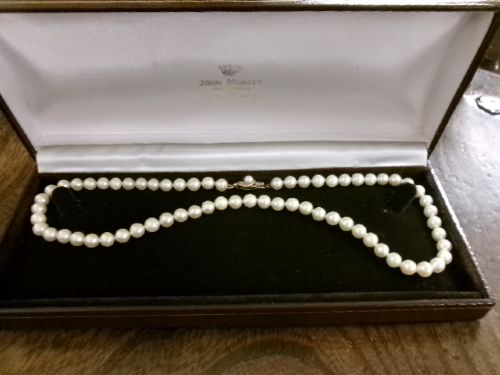
Clasp craftsmanship and gemstone selection further differentiate the work, with platinum or high-karat gold mounts set with certified diamonds or fine sapphires indicating superior manufacturing. Original boxes and verifiable assay marks also elevate the standing of a piece.
The Vintage Jewellery Pearl Strand Glossary
- Graduated pearl strand
- A necklace where pearls increase in size progressively from the clasp towards the centre front. This layout was particularly popular during the mid-twentieth century.
- Nacre
- The hard, iridescent substance secreted by oysters and other molluscs to form the pearl. Thicker nacre layers improve durability and depth of shine.
- Hand-knotted
- A method where individual knots are tied in the thread between each pearl. This stops the pearls from rubbing together and prevents the entire strand from unravelling if broken.
- Cultured pearl
- A pearl formed with human intervention by inserting a nucleus into an oyster or mollusc. They dominate twentieth-century jewellery production alongside natural varieties.
- Saltwater pearl
- A pearl grown in marine environments, encompassing natural finds and cultured Akoya or South Sea varieties. They typically display sharper lustre than freshwater counterparts.
Vintage Jewellery Pearl Strand: Frequently Asked Questions
How do I care for my pearl strand?
Pearls are organic gems that require gentle handling to preserve their surface lustre and nacre. Put them on last after applying perfumes, hairsprays, and cosmetics to avoid chemical damage.
Wipe the pearls gently with a soft, damp cloth after wearing and store them flat in a lined box. Avoid ultrasonic cleaners and harsh chemical dips entirely.
Are these pearls natural or cultured?
The inventory includes both natural saltwater pearls and cultured varieties produced throughout the twentieth century. Gemological reports often accompany older pieces to confirm their origin.
Cultured pearls feature a manufactured nucleus, while natural pearls formed organically without human intervention. Both types were mounted in precious metal clasps during the Edwardian and mid-century periods.
What is a restrung pearl necklace?
Restringing involves replacing the original degraded silk thread with fresh cord to restore structural integrity. Many vintage pieces receive this maintenance to ensure safe wear over time.
New silk threads maintain the flexibility and drape required for multi-row and single strand necklaces. Professional restringing preserves the spacing and hand-knotted security between each pearl.
How do I date a pearl necklace?
Dating relies on clasp styles, mounting metals, hallmarks, and accompanying documentation like assay reports. Edwardian pieces often incorporate delicate platinum and silver work, while nineteen-fifties examples feature structured gold clasps.
Assay office stamps and hallmarks on the metal components provide precise decade markers. The overarching design aesthetic and presence of original boxes also help determine the era.