





Vintage Jardiniere Holder
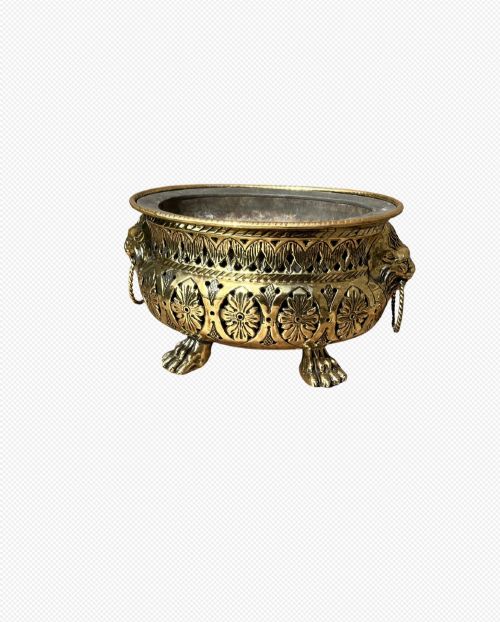
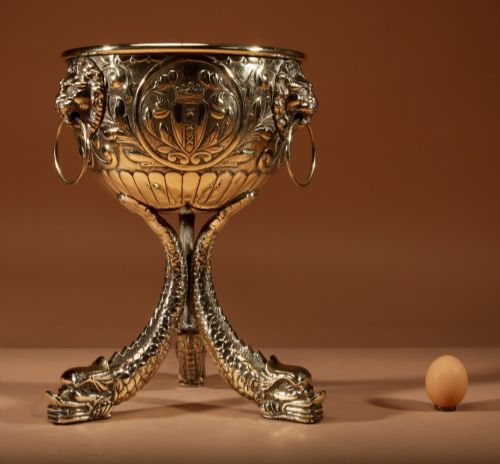
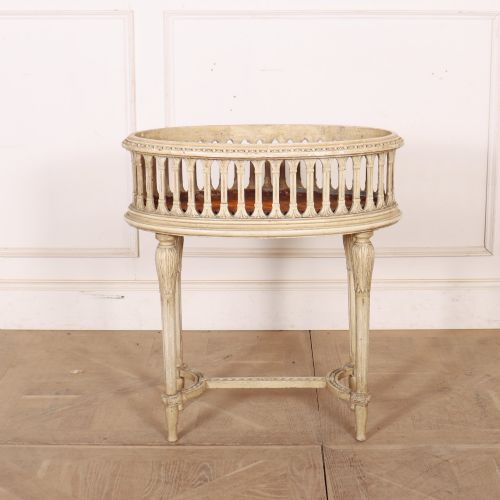
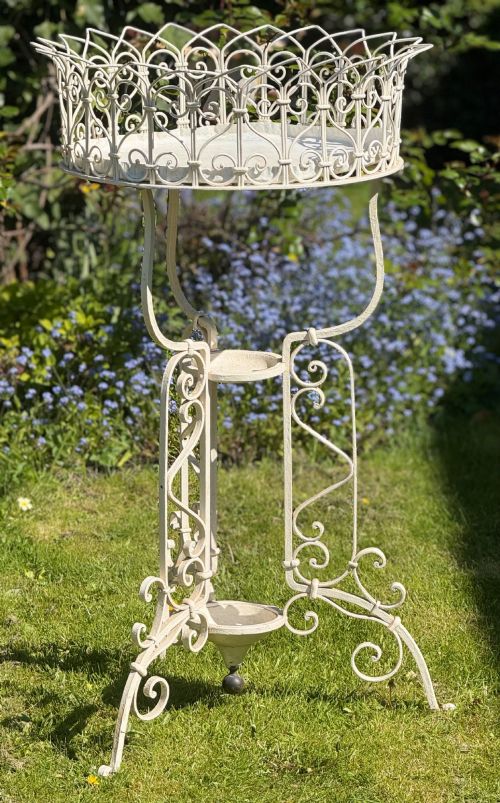
A vintage jardiniere holder brings botanical displays indoors, elevating potted plants on stands or framing them in decorative vessels.
Vintage Jardiniere Holder
A vintage jardiniere holder encompasses plant stands, planters, and dedicated vessel vessels designed to display indoor greenery. Buyers exploring this selection encounter vessels meant to hold potted plants directly or elevated stands that raise flora off the floor.
The objects span multiple periods, most frequently appearing in Victorian and Edwardian iterations alongside 19th-century and early 20th-century examples. Forms range from low table vessels to tall mahogany or wirework stands intended for conservatories and drawing rooms.
What varies in quality
The grade of a vintage jardiniere holder depends on the integrity of its construction and the crispness of its decorative detailing. Hand-hammered metalwork, clean piercing, and substantial gauge copper or brass separate finer vessels from lighter pressed alternatives.
On stands and combined vessels, quality shows in the joinery of the timbers, the retention of original stands, and the subtlety of applied ornamentation like ormolu mounts or cast brass fittings.
Vintage Jardiniere Holder Retail Price Guide 2026
Typical asking prices for vintage jardiniere holder among the pieces listed under this phrase on Sellingantiques today, from the lower quarter to the upper quarter. They describe what is for sale here now, not the wider market.
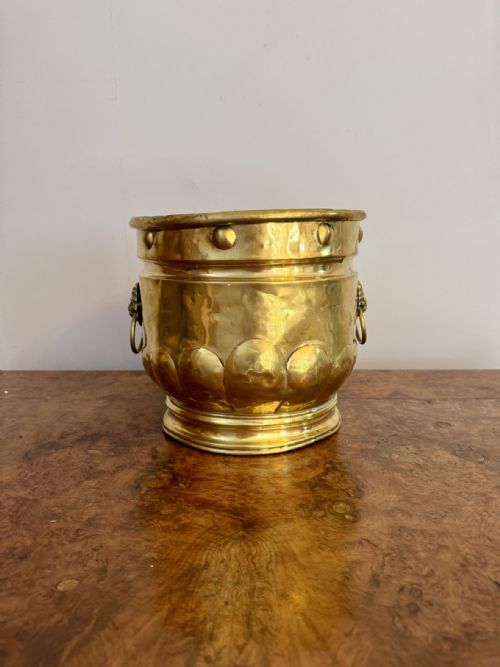
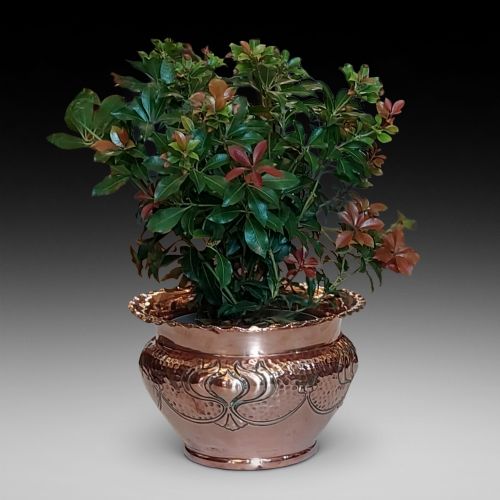
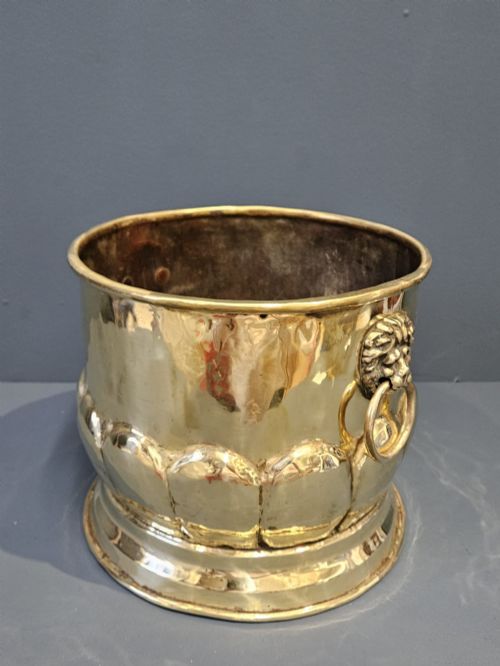
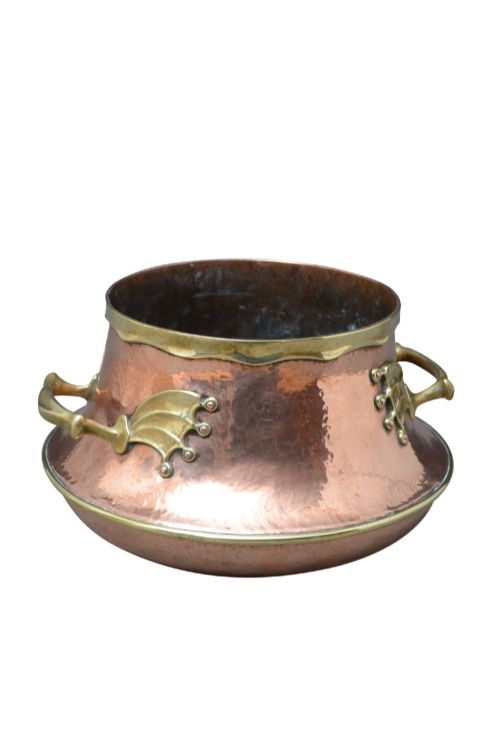
Listings feature metal vessels in brass and copper alongside wooden pieces in mahogany, oak, and burr walnut.
J Sankey and Sons·Royal Doulton
The Vintage Jardiniere Holder Glossary
- Jardiniere
- A decorative pot or container for holding plants or flowers. These vessels often sit directly on tables or rest upon dedicated stands.
- Cachepot
- An ornamental flowerpot case that conceals a plain inner pot without a drainage hole. They share similar forms with standard planters and jardinieres.
- Dinanderie
- Objects made of beaten or engraved brass, copper, or bronze alloy. The term originates from the Belgian town of Dinant, known for medieval metalwork.
- Coopered
- Constructed from wooden staves fitted together and bound by hoops, similar to barrel-making. This technique appears frequently in wooden jardiniere stands and log buckets.
- Ormolu
- Gilded bronze ornamentation applied to furniture and decorative objects. It frequently decorates French-style stands and planters from the nineteenth century.
Vintage Jardiniere Holder: Frequently Asked Questions
What is the difference between a jardiniere and a planter?
A jardiniere typically refers to an ornamental decorative vessel designed to hold a potted plant, often featuring more elaborate decoration than a standard utility pot.
Planter is a broader term that encompasses both the decorative outer vessel and functional containers used directly for growing or housing flora.
How were jardiniere holders used in period homes?
Victorian and Edwardian households utilised these stands and vessels to bring living greenery into interior living spaces, parlours, and conservatories.
Tall plant stands raised trailing plants toward natural light, while heavy brass and copper vessels held ferns or palms on tables and hearths.
Can these metal holders withstand actual water?
Many copper and brass vessels were lined or manufactured to hold damp earth and potted plants, though moisture can cause verdigris over time.
Using an inner plastic pot or saucer protects historic metal bases from standing water and mineral accumulation.
How do I distinguish Victorian from Edwardian stands?
Victorian pieces frequently display heavier ornamentation, Gothic or Renaissance Revival influences, and darker woods or robust cast brass.
Edwardian and early twentieth-century examples often incorporate Art Nouveau styling, lighter mahogany frames, or more restrained wirework structures.