





Vintage Japanese Basin
A vintage japanese basin brings centuries of master craftsmanship directly into your home, offering both decorative beauty and functional depth.
Vintage Japanese Basin
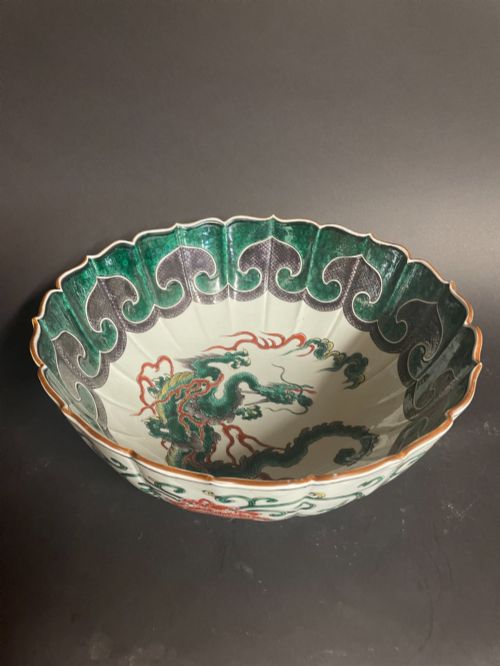
When you search for a vintage japanese basin, you encounter a diverse range of forms including decorative bowls, jardiniere planters, chargers, and shallow vessels. These objects bridge several distinct eras of design, spanning the 17th century through to the Showa period, with Victorian and Edwardian influences also appearing.
Porcelain and bronze emerge as the primary materials among the listings. Many of these pieces originate from notable historical periods such as the Edo and Meiji periods, reflecting both domestic utility and export artistic traditions.
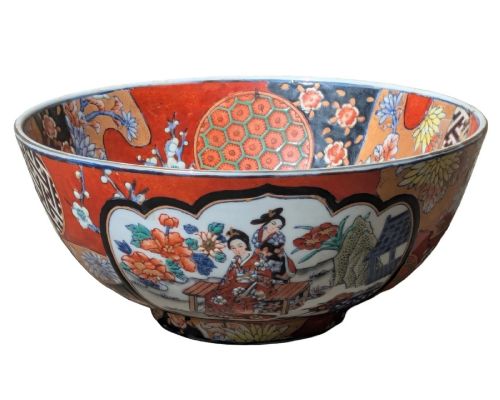
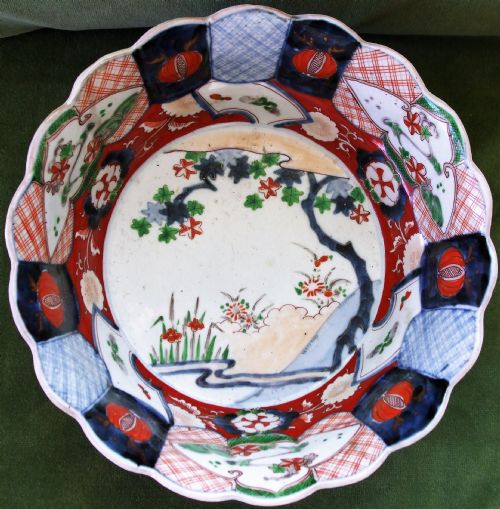
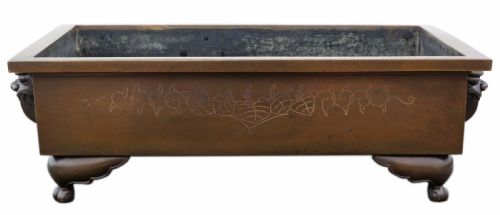
The most common formats you will meet on this page are Japanese Imari porcelain bowls featuring scallop edges and intricate pigments, alongside heavy bronze jardinieres suited for plants or floral arrangement.
How they were made
The makers of these basins utilised traditional ceramic and metalworking techniques passed down through generations. Porcelain pieces rely on cobalt pigment underglazes and supplementary details in gold leaf or enamel, fired at high temperatures to achieve durable vitrified bodies.
Bronze vessels involve complex casting methods, sometimes finished with patination or paired with cloisonne enamel decoration. Kiln workers and metal founders shaped these materials to endure both practical use and ornamental display.
Listings span from the 17th century through the 1930s, incorporating porcelain, bronze, earthenware, and gold leaf materials.
What varies in quality
Quality in these basins rests upon the precision of the hand-painted pigment work and the integrity of the material form. Superior porcelain examples display crisp cobalt definition and well-preserved gilt accents without rubbing.
Bronze and enamel items differ in the crispness of their cast motifs and the stability of their surface treatments. Heavier, monumental forms generally reflect greater ambition in design and execution.
Kinkozan Kyoto Satsuma
The Vintage Japanese Basin Glossary
- Imari
- A traditional style of Japanese porcelain decorated in underglaze blue, iron red, and gold. This palette creates a vibrant contrast characteristic of export wares.
- Jardiniere
- An ornamental pot or receptacle designed for holding plants or flowers. These vessels often sit on tripod feet or flat bases.
- Meiji Period
- The era in Japanese history lasting from 1868 to 1912, marked by the opening of trade with the West and high artistic output. Pieces from this time often exhibit detailed narrative scenes.
- Cloisonne
- A metalwork technique where enamel is applied to compartments delineated by strips of metal. This method produces intricate surface patterns in colourful glass pastes.
- Celadon Glaze
- A jade-green transparent glaze applied to ceramics. It mimics the appearance of natural jade through controlled iron oxide reduction in the kiln.
Vintage Japanese Basin: Frequently Asked Questions
How do I care for a vintage bronze basin?
Bronze vessels require minimal intervention to preserve their historic patination. Dust them gently with a dry, soft cloth and avoid chemical metal cleaners that strip away age.
If used as a planter, place a protective liner inside the bronze jardiniere to prevent moisture from sitting directly against the interior metal surface.
Can I use these basins for live plants?
Many of the heavier bronze and ceramic pieces function well as jardinieres or planters. You should check the interior dimensions and drainage setups before potting directly.
Inserting a separate nursery pot inside the decorative bowl protects the historic ceramic or metal from water damage and mineral deposits.
How do I date an antique Japanese bowl?
Dating relies on stylistic markers, material composition, and any associated kiln marks or mon emblems. Edo and Meiji period pieces carry distinct painting styles and potting weights.
Comparing the cobalt pigment depth, glaze texture, and foot ring finish against documented examples helps narrow down the production era.