



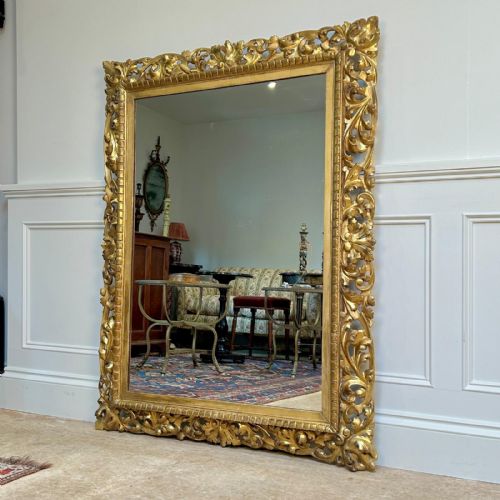
Vintage Italian Wall Mirror
A vintage italian wall mirror brings dramatic reflection and artisanal craftsmanship into a room, spanning ornate Florentine carvings and luminous Venetian glass.
Vintage Italian Wall Mirror
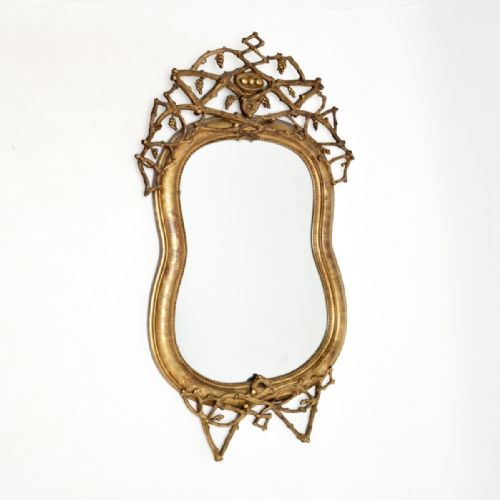
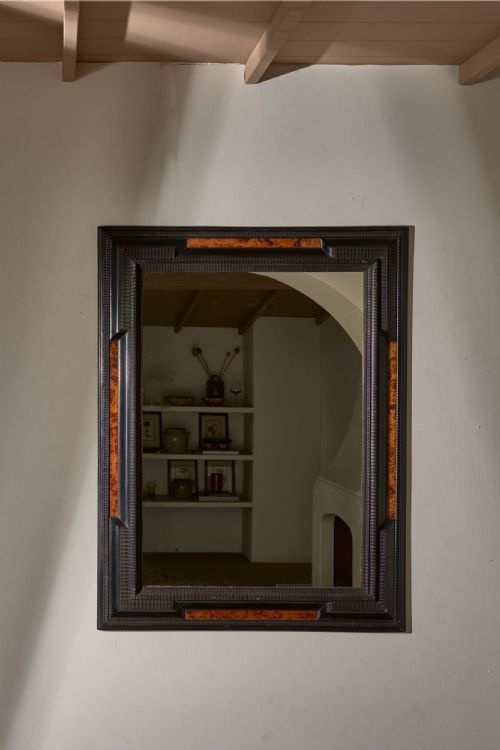
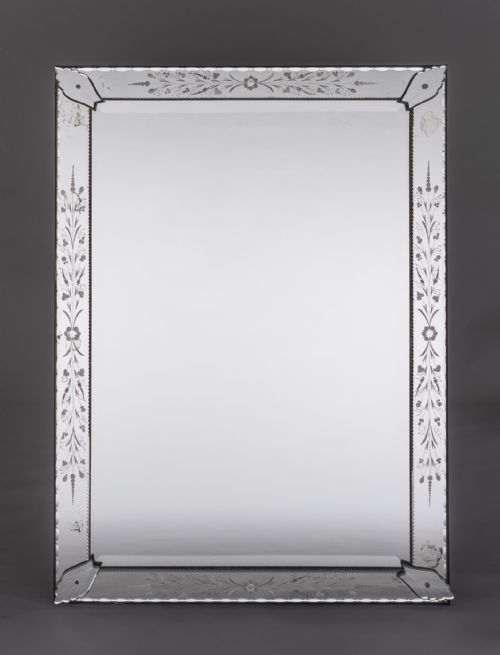
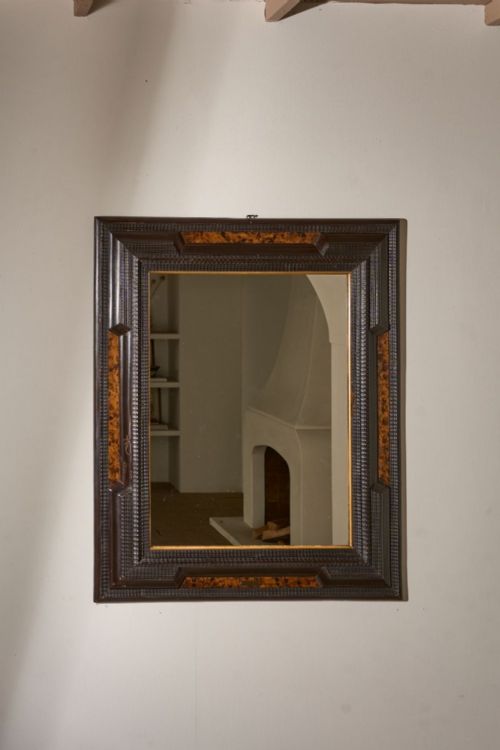
A vintage italian wall mirror encompasses grand overmantles, intricate girandoles, and cushion-moulded wall plates originating from workshops across Italy. These decorative pieces date primarily from the nineteenth century through the early decades of the twentieth century, capturing distinct regional aesthetics.
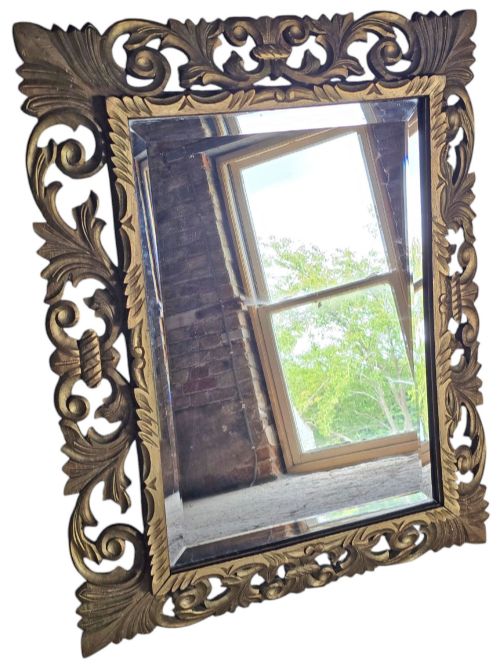
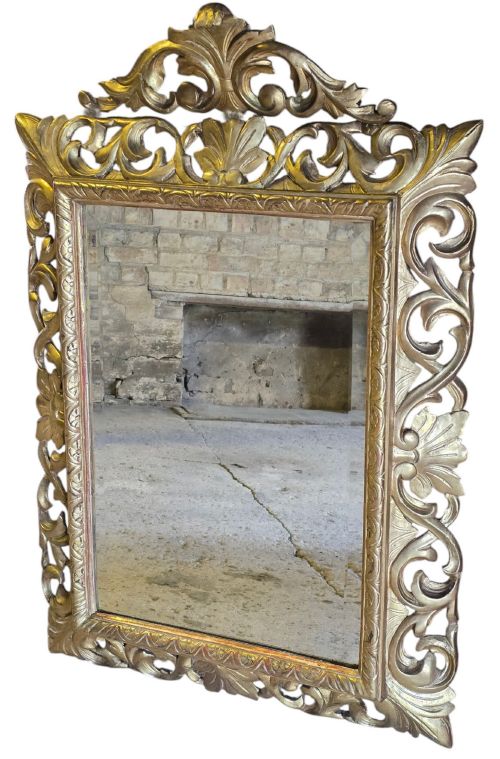
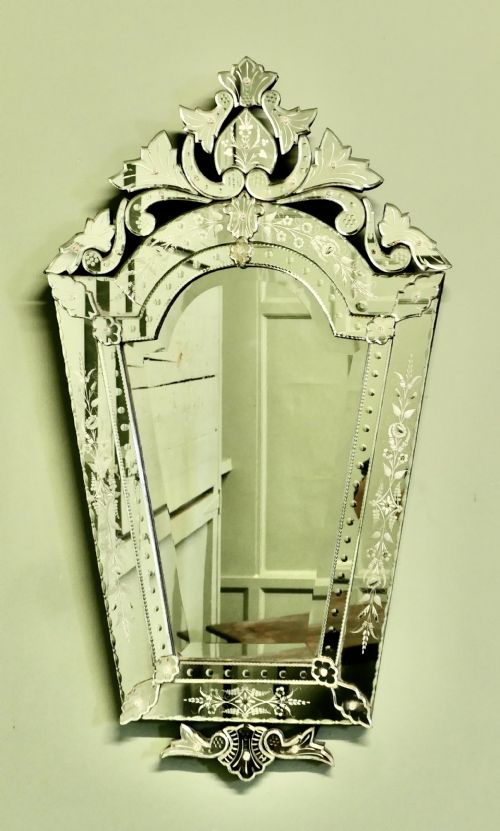
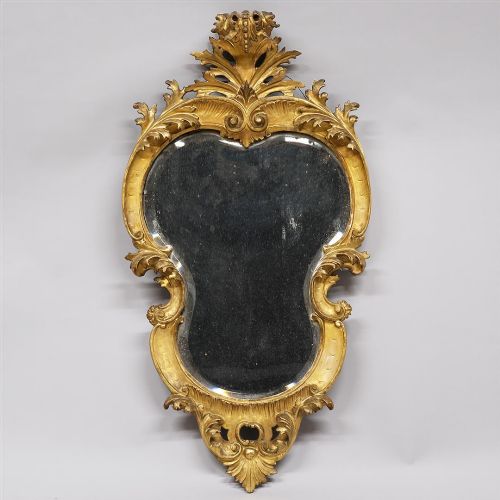
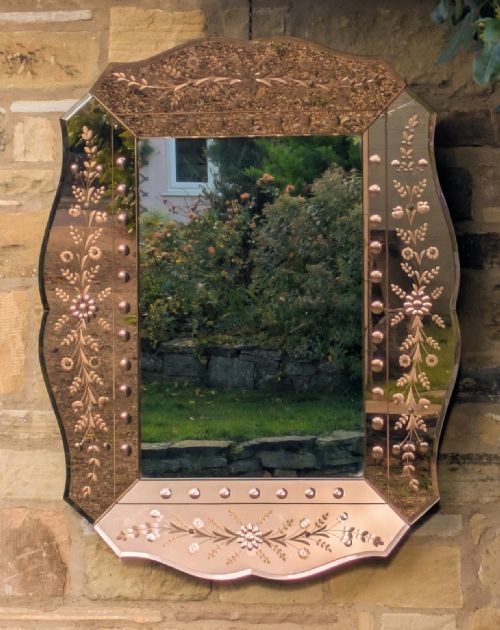
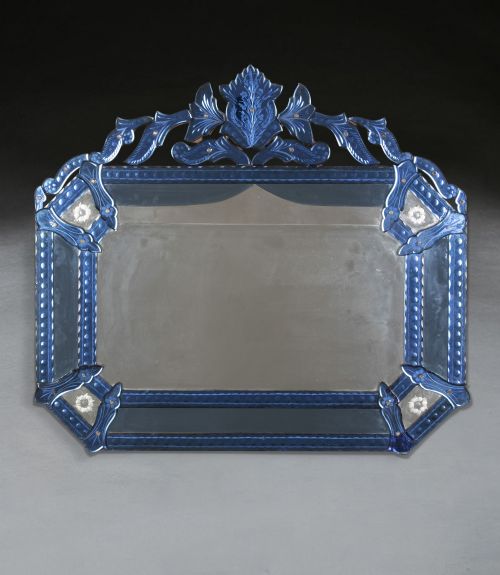
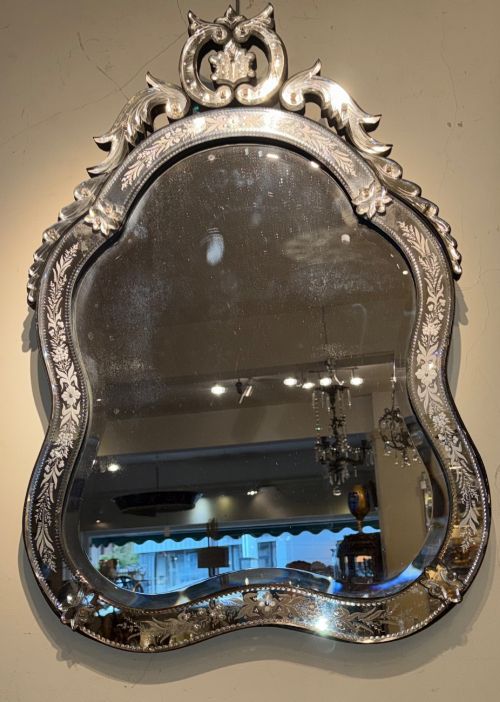
The Venetian examples frequently employ etched glass frames, coloured borders in peach, blue, or ruby red, and stepped cushion profiles. Florentine and Baroque revivals emerge through heavily carved giltwood, gesso surfaces, and ornate pierced foliage motifs designed to command attention.
How they were made
Carvers shaped solid timber foundations from limewood, fruitwood, or pine before applying fine layers of gesso to build up intricate relief ornaments. Artisans then gilded these surfaces using gold leaf or applied hand-painted and ebonised finishes to achieve rich textural depth.
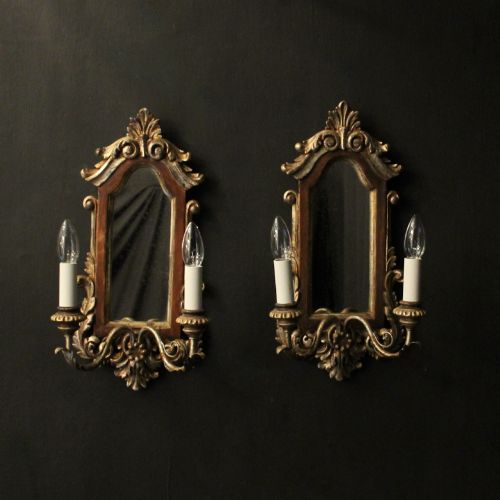
Venetian glassmakers worked molten material into flat plates and specialised borders, often incorporating hand-engraved surface patterns and bevelled edges. Subsidiary components like twin candle arms on girandoles and fitted wooden backs completed the construction.
Vintage Italian Wall Mirror Retail Price Guide 2026
Typical asking prices for vintage italian wall mirror among the pieces listed under this phrase on Sellingantiques today, from the lower quarter to the upper quarter. They describe what is for sale here now, not the wider market.
Some Venetian plates sport a ruby red glass border that catches afternoon sun like a splash of vintage port.
What varies in quality
The depth and crispness of the hand-carving separate standard mouldings from superior giltwood frames, where undercut foliage and sharp detail reveal master craftsmanship. Original mercury or foxed glass plates with distinct hand-engraving impart greater historical authenticity than plain replacement glass.
The integrity of the underlying gesso and gold leaf application dictates the visual weight and ageing pattern of the piece. Substantial timber construction without excessive structural warping ensures the mirror sits flush against a wall.
The Vintage Italian Wall Mirror Glossary
- Giltwood
- Timber coated with gold leaf over a prepared gesso ground. This technique creates a luminous metallic finish characteristic of classical Italian frames.
- Gesso
- A plaster mixture applied to wood frames to create a smooth base for carving or gilding. Artisans model this compound into relief scrolls and floral motifs.
- Girandole
- A decorative wall mirror fitted with one or more candle sconces attached to the frame. These branches multiply candlelight across the reflective glass plate.
- Cushion mirror
- A frame design where the border slopes outward or inward like a pillow towards the central plate. This profile maximises light refraction from multiple angles.
- Overmantle mirror
- A wide horizontal wall glass scaled to hang directly above a fireplace mantel. These large statement pieces anchor drawing room interiors.
Vintage Italian Wall Mirror: Frequently Asked Questions
Where should I hang a large overmantle mirror?
These horizontal statement pieces anchor living spaces most effectively when centered directly above a fireplace mantel or low sideboard. Their generous proportions reflect ambient light and visually expand the room.
Ensure the wall structure supports the substantial weight of carved timber and glass by using appropriate heavy-duty fixings.
How do I clean an antique glass plate?
Wipe the surface gently with a soft microfibre cloth slightly dampened with distilled water or a mild vinegar solution. Avoid spraying liquid directly onto the glass to prevent moisture seeping behind the silvering.
Take care around older bevelled edges and engraved sections where the historical backing remains delicate.
What is foxing on a mirror?
Foxing refers to the natural oxidation spots and dark speckling that develop within the silver backing of older glass over decades. This ageing process adds characteristic charm and confirms the historical authenticity of the plate.
Collectors prize genuine foxing as a sign of age rather than a defect requiring restoration.
Are Venetian mirrors fragile?
The intricate glass frame sections and applied floral elements require careful handling during relocation and mounting. Professional installation ensures the weight distributes evenly across the wooden chassis.
Once secured safely to a stable wall, they remain durable fixtures for everyday domestic environments.
How do I identify a Florentine frame?
Florentine frames typically feature dense, ornate carvings of acanthus leaves, scrolls, and pierced openwork coated in rich gold leaf. Their dramatic silhouettes focus heavily on floral exuberance and sculptural depth.
They originate from workshops in Florence that specialised in revivalist decorative arts throughout the nineteenth and early twentieth centuries.