




Vintage Italian Sculpture
Vintage italian sculpture brings classical form and regional craftsmanship into interior spaces through marble, bronze, and carved wood.
Vintage Italian Sculpture
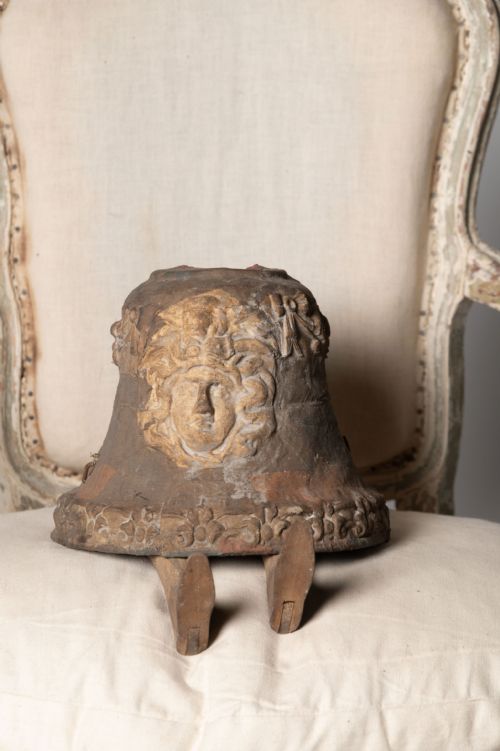
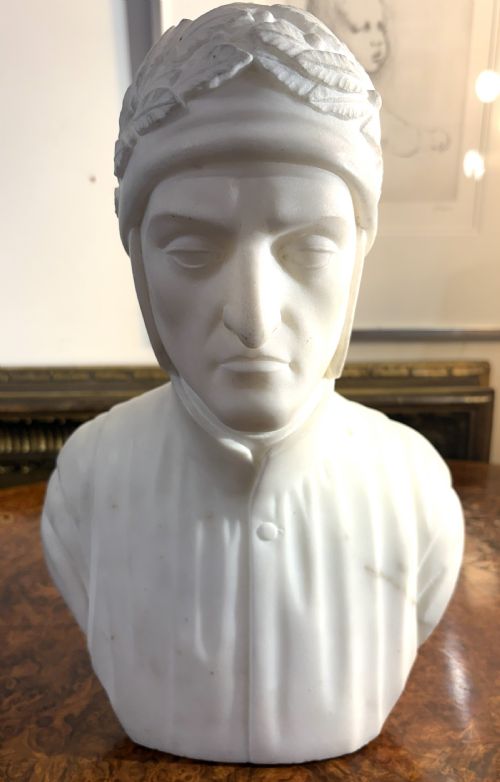
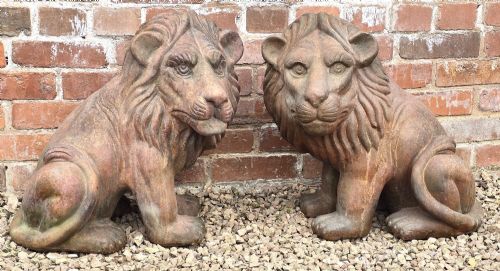
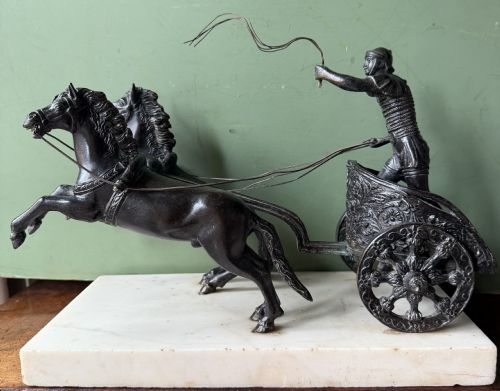
Vintage italian sculpture encompasses a diverse range of ornamental and figurative works produced across the nineteenth and twentieth centuries. When searching for vintage italian sculpture, collectors encounter everything from Grand Tour bronze souvenirs and library busts to large garden lions and polychrome religious figures.
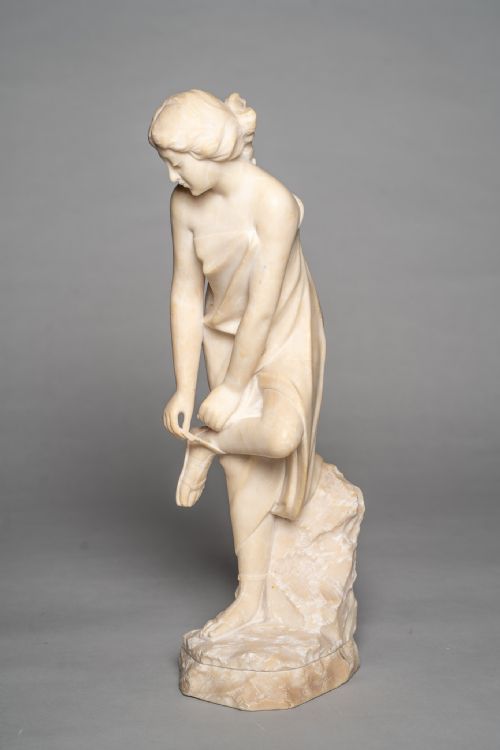
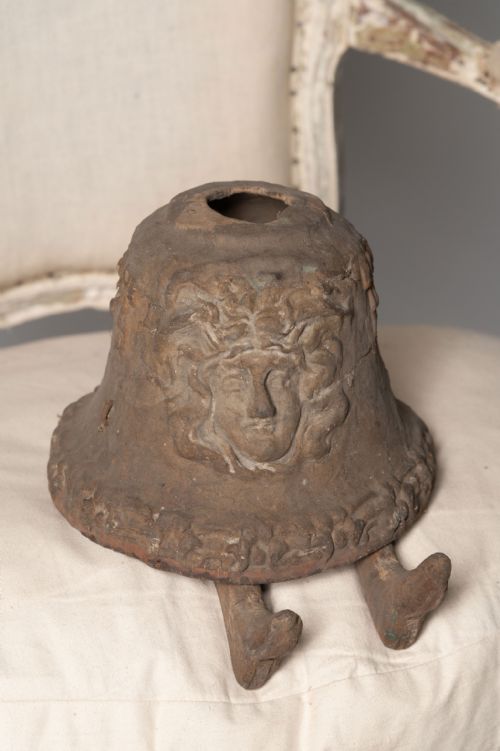
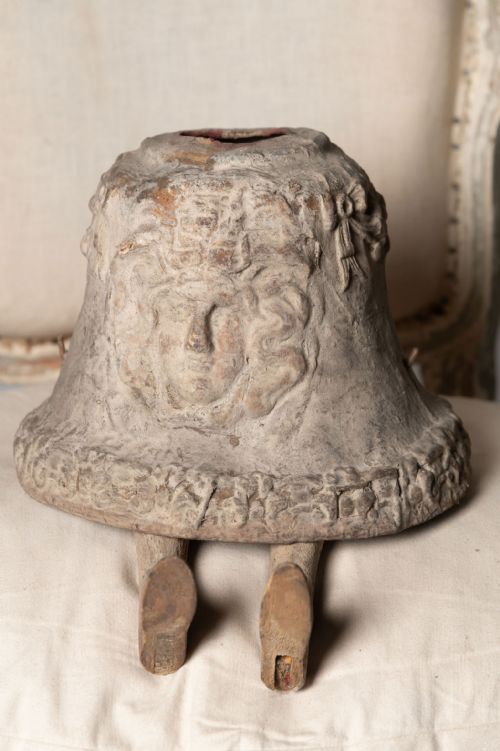
The objects span multiple stylistic movements, including Neoclassical, Art Nouveau, and Art Deco. Forms vary widely from architectural models and theatrical props to terracotta animals and carved alabaster dancer figures.
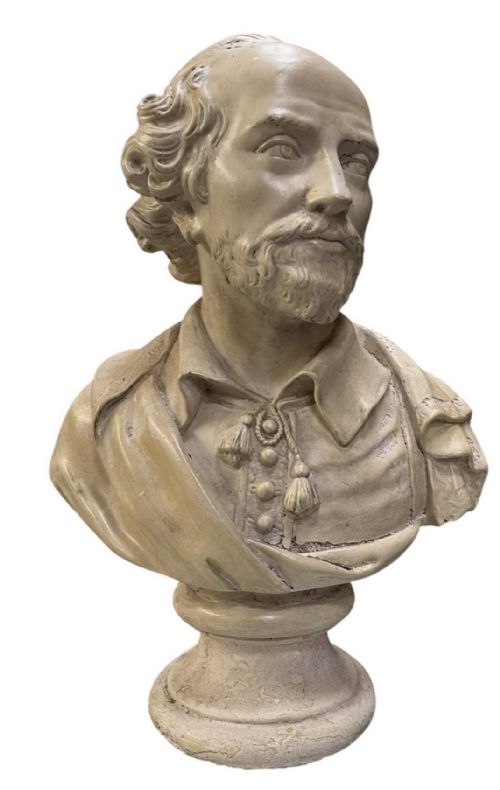
Origins stretch across various Italian artistic centres, encompassing Carrara marble works, Venetian polychrome pieces, and Murano glass. Pieces range from intimate cabinet bronzes to monumental marble statues intended for prominent display.
Materials and methods
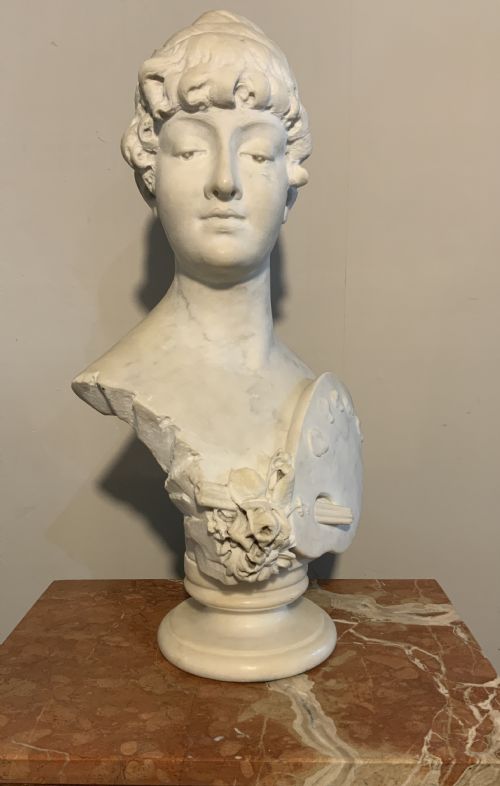
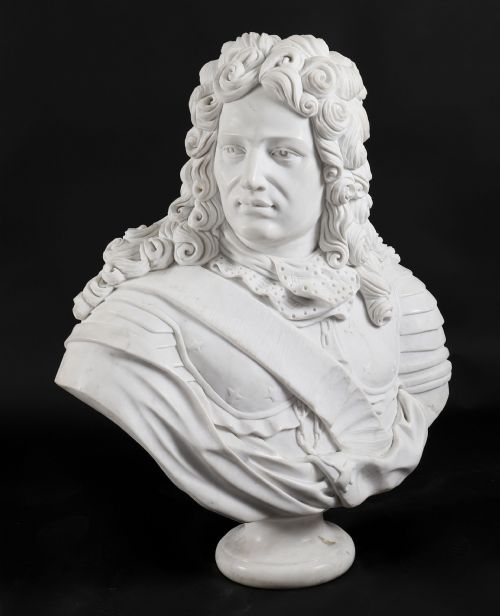
Sculptors utilised traditional subtractive and additive techniques across stone, metal, and clay. Marble and alabaster were hand-carved to achieve smooth musculature and detailed drapery, often mounted on contrasting plinths.
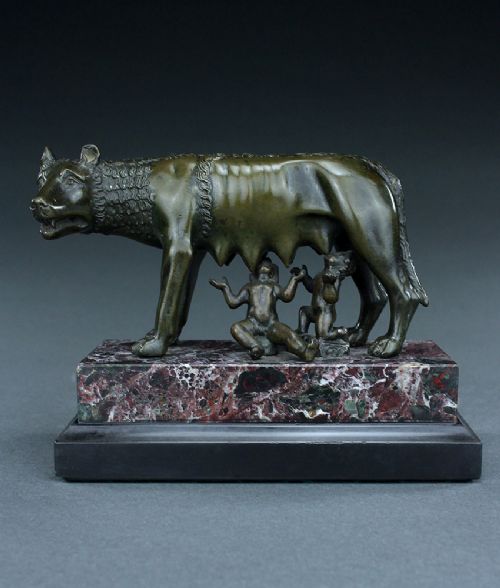
Bronzes and silvered metals were cast using traditional foundry methods, capturing fine anatomical details before receiving hand-finished patination or gilding. Terracotta and gesso works relied on modelled clay and plaster, frequently enhanced with polychrome paint and gold leaf.
Materials across the listings include Carrara marble, Siena marble, bronze, carved wood, gesso, alabaster, terracotta, gold leaf, and Murano glass.
Distinctions in quality
Quality rests in the precision of the carving, the crispness of the bronze casting, and the nuance of the surface finish. Superior marble and alabaster pieces display sensitive facial expressions and fluid drapery without mechanical tool marks.
Signatures by recorded makers elevate a piece, alongside original patination and well-preserved polychrome or gilt surfaces. The depth of detail in secondary elements, such as marble bases and bronze chiselling, separates standard workshop output from exceptional examples.
Raffaelo Monti·Luigi Secchi·Muñoz·Antonio Frilli·Pugi·Guido Cacciapuoti·Vannetti·Napoleone Martinuzzi
The Vintage Italian Sculpture Glossary
- Grand Tour
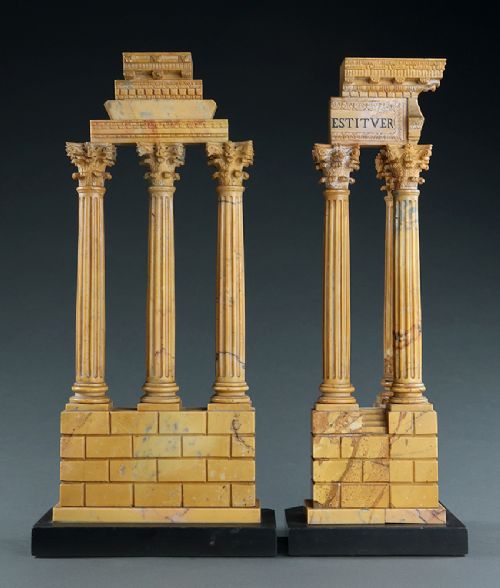
- A nineteenth-century tradition where travellers collected classical bronzes, marble temples, and small sculptures as souvenirs of Italy.
- Carrara marble
- A type of white or blue-grey marble from the mountains of Carrara, widely utilised for classical busts and architectural models.
- Polychrome
- The practice of decorating sculptural surfaces in multiple colours, frequently seen on wooden figures and angels.
- Alabaster
- A soft mineral stone that was carved into translucent figures, female dancers, and lamps during the Art Deco period.
- Lost-wax casting
- A metal casting method used for bronzes, allowing intricate detail in figures of animals, children, and mythological subjects.
Vintage Italian Sculpture: Frequently Asked Questions
What periods do these sculptures cover?
The pieces span the nineteenth century through the mid-twentieth century, capturing shifts from Neoclassical revivals to Art Deco designs.
Production dates align with broader European artistic movements and the enduring popularity of Italian craftsmanship among foreign travellers.
How were Grand Tour bronzes used?
Grand Tour bronzes served as scholarly keepsakes and decorative ornaments for libraries and drawing rooms across Europe.
They allowed collectors to bring miniature representations of classical monuments and mythological figures into domestic interiors.
Where should marble figures be displayed?
Heavy marble busts and statues require stable surfaces such as pedestals, sideboards, or reinforced tables due to their substantial weight.
Placement should consider natural lighting to highlight the carved contours of the stone and any contrasting variegated marble bases.
How can I identify alabaster sculptures?
Alabaster sculptures often appear in smooth, translucent forms, particularly among early twentieth-century Art Deco dancer figures.
The stone feels softer than marble and exhibits a subtle glow when exposed to light, sometimes incorporating carved wooden bases.