




Vintage Iron Deed Box
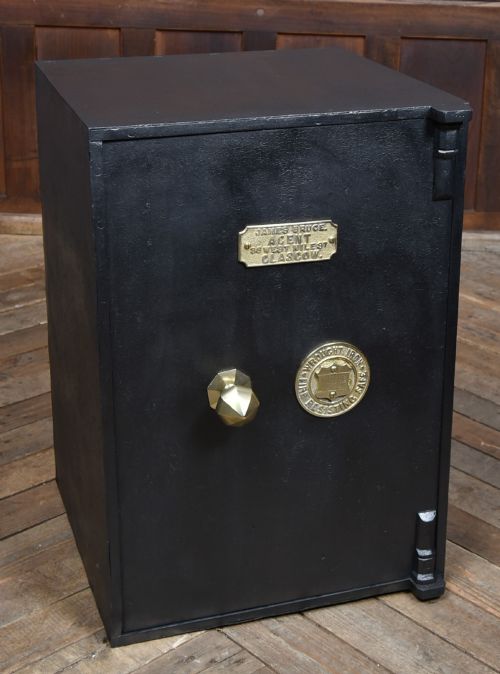
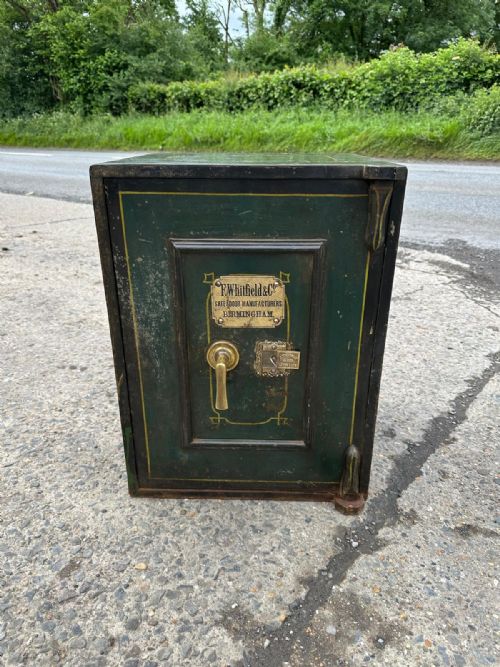
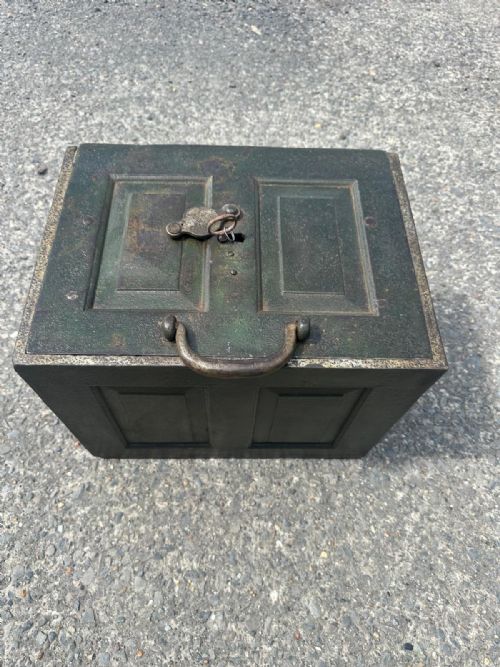
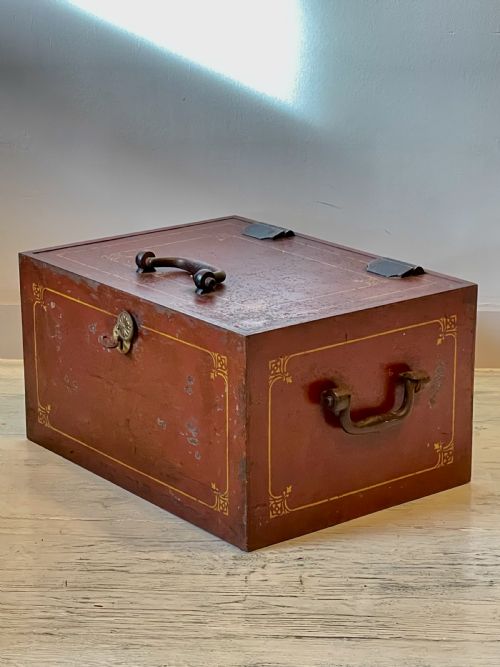
These vintage iron deed boxes are robust metal receptacles designed for securing documents and valuables, combining utility with industrial character.
Vintage Iron Deed Box
A vintage iron deed box provides secure storage for important documents, papers, and personal valuables. These items emerge from various periods including the seventeenth, eighteenth, and nineteenth centuries, alongside early twentieth-century examples.
The selections on this page encompass forms such as strongboxes, cash boxes, and chest safes. Buyers frequently encounter Victorian pieces, alongside industrial styles and Scandinavian folk art metal-bound boxes.
Origins span English, French, and Scandinavian workshops. Many pieces arrive complete with original keys, locks, and painted iron finishes.
How they were made
Construction relies heavily on cast iron, wrought iron, sheet iron, and steel, often fastened together to create heavy-duty enclosures. Some pieces incorporate wood or leather elements.
Surfaces frequently feature painted iron finishes or retain original colour, while fixtures utilise brass for hinges, escutcheons, and combination dials.
Several boxes arrive with three-dial French combinations, inviting owners to crack a historic code.
What varies in quality
The distinction between ordinary storage and finer examples rests on the complexity of the locking mechanisms, such as patent locks and multi-dial combinations. The presence of original keys and surviving painted surface finishes elevates a piece.
Subtleties in blacksmithing, heavy metal riveting, and maker attribution separate standard utility boxes from exceptional signed works by known makers.
James Bruce Glasgow·F Whitfield And Co·Milners Of Liverpool·George Price
The Vintage Iron Deed Box Glossary
- Deed box
- A secure metal container specifically designed for housing legal documents, land indentures, and certificates. They are usually fitted with robust lid latches and carrying handles.
- Strongbox
- A heavily reinforced metal box or small safe built to protect money and high-value items against theft and fire. They often feature complex internal locking mechanisms.
- Escutcheon
- A protective metal plate surrounding a keyhole that prevents the surrounding material from wear and damage. On these boxes, they are frequently forged from brass or iron.
- Folk art
- Utilitarian objects decorated or embellished by makers outside traditional academic artistic circles. In these listings, this appears in Scandinavian metal-bound boxes.
Vintage Iron Deed Box: Frequently Asked Questions
What were iron deed boxes used for?
These metal boxes served to protect property deeds, wills, financial certificates, and family valuables from theft, damp, and fire.
Households and offices relied on them to keep sensitive paperwork secure before modern filing systems existed.
How do I date an iron box?
Dating relies on observing construction methods, hinge types, lock sophistication, and the materials used in the chassis.
Earlier pieces often show hand-forged wrought iron and simpler joinery, whereas later Victorian examples utilise cast iron and patented locks.
Are original keys important?
Finding a box with its original working key adds considerable interest for collectors and ensures immediate functionality without locksmith intervention.
Many period boxes still retain their original keys, though some rely on combination dials or require professional attention.
How do I clean a painted iron box?
Maintenance involves removing surface dust with a dry brush and gently preserving original paintwork with microcrystalline wax.
Harsh chemical cleaners and abrasive scouring pads must be avoided to protect the historic patination and painted finishes.