


Black Iron Safe Box
These black iron safe box pieces are heavy security vessels that protect valuables, offering solid protection and tactile historical interest.
Black Iron Safe Box
When you search for a black iron safe box, you encounter heavy security vessels designed to protect documents, currency, and valuables from theft or fire. These range from domestic cash boxes and deed boxes to substantial Victorian strongboxes and complex combination safes.
The selections span from seventeenth-century Armada chests to late Victorian and early twentieth-century examples, incorporating diverse forms such as fall-front deed boxes, cash boxes, and fortified wooden or iron chests.
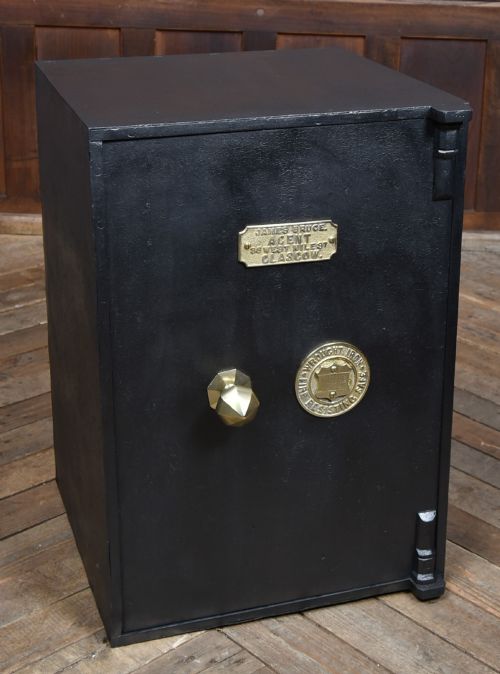
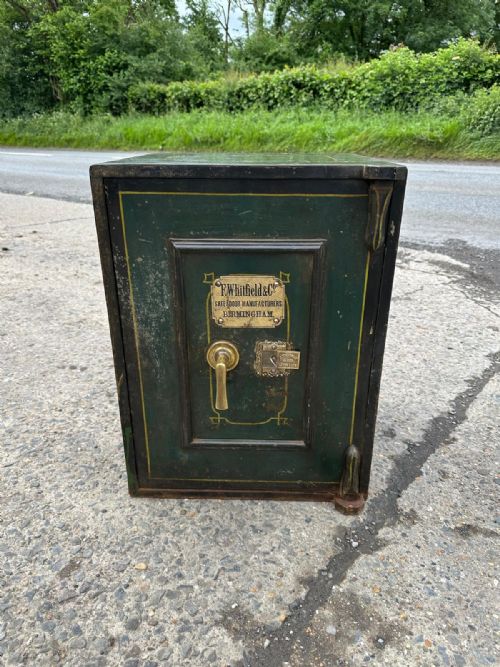
Makers represented in the evidence include James Bruce of Glasgow, F. Whitfield and Company, Chubb, and George Price, alongside French combination safes and seventeenth-century Renaissance pieces.
How they were made
Construction relies heavily on metals such as cast iron, wrought iron, and steel, frequently combined with timber interiors or exterior housings in wood and burr walnut.
Makers integrated functional brass details for handles, keyplates, and multi-dial combination mechanisms, while larger strongboxes utilised reinforced structural framing.
The listings here cover periods from the seventeenth century through to the 1920s, spanning iron, steel, brass, and wood materials.
What varies in quality
Quality shifts between utilitarian utility boxes and luxury models, particularly where makers added ornate decoration or mounted iron strongboxes onto bespoke walnut stands by firms like Waring and Sons.
The sophistication of the locking mechanisms, from early multi-bolt systems to three-dial combinations and fully restored operational keys, defines the engineering standard of each piece.
James Bruce·F. Whitfield and Company·Chubb·Waring and Sons·George Price
The Black Iron Safe Box Glossary
- Deed box
- A secure metal container specifically designed for storing legal documents, land titles, and private papers. These often feature drop handles and fall-front lids.
- Strongbox
- A heavily constructed metal or iron chest built to resist forced entry and safeguard high-value goods. They represent the precursor to modern commercial safe engineering.
- Armada chest
- A heavy iron strongbox banded with strapwork and fitted with a complex multi-bolt locking mechanism operating from the lid. Despite the traditional name, they were used across Europe for secure storage and valuables.
- Combination safe
- A security container operated by dials or ciphers rather than a conventional key alone. These emerged in various forms during the nineteenth century to increase protection against tampering.
Black Iron Safe Box: Frequently Asked Questions
What is a black iron safe box?
These are heavy security containers manufactured from iron, steel, and sometimes wood, designed to protect currency, deeds, and precious items.
They appear in various formats across this page, from small domestic cash boxes to large Victorian engineering feats.
How were these boxes used?
Owners utilised them in homes, offices, and merchant counting houses to secure cash, legal documents, and jewellery against theft or fire.
Larger strongboxes remained stationary in administrative rooms, whereas smaller deed boxes and cash boxes allowed for portable security.
How do I live with a safe box?
Their substantial weight means they function well as low coffee tables, heavy side tables, or static display pieces in industrial and traditional interiors.
Ensure the surface can support significant metal weight and check that doors, drawers, or lids operate smoothly with their original or restored keys.
How do I tell periods apart?
Seventeenth-century pieces typically feature hand-hammered strapwork and internal spring-bolt mechanisms hidden beneath engraved plates, characteristic of Armada chests.
Nineteenth and early twentieth-century examples display machine-rolled steel, brass maker plaques, manufacturer names like Chubb or George Price, and more complex lever or dial locks.