


Vintage Iron Coal Shovel
A vintage iron coal shovel is a robust hearth essential that brings practical utility and period character to an active fireplace.
Vintage Iron Coal Shovel
A vintage iron coal shovel forms part of a fireside ensemble, often encountered alongside pokers and companion sets spanning the eighteenth to the twentieth century. These pieces serve both a functional purpose in tending a solid fuel fire and a decorative role as part of a fireplace arrangement.
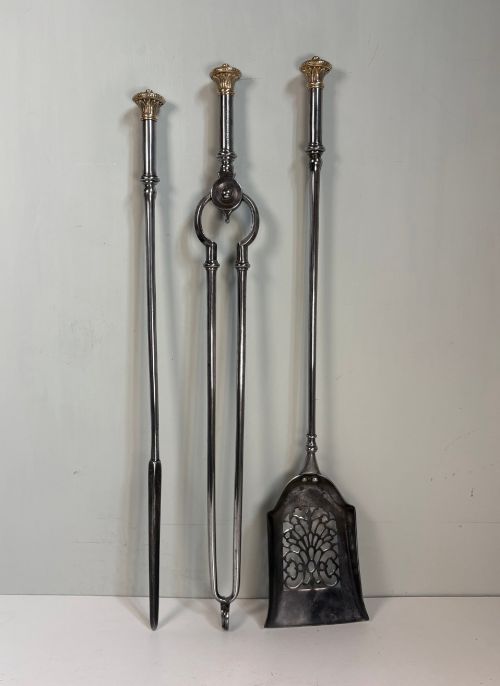
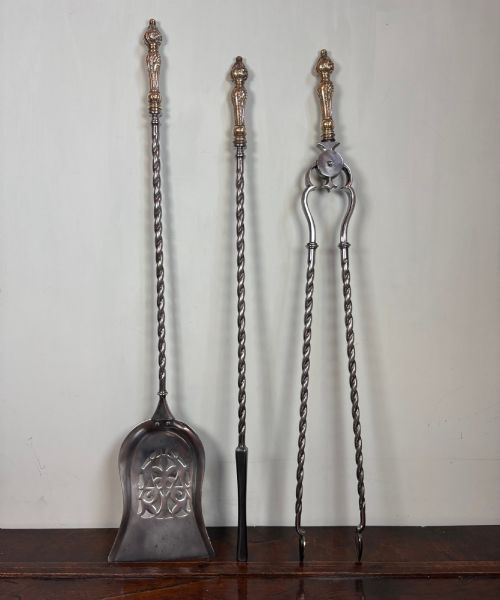
The versions most commonly met on this page appear within nineteenth-century sets, frequently combining iron with polished steel or contrasting brass handles and mounts. Buyers typically find these items categorised among fireplace accessories, fireside tools, and coal scuttles reflecting Victorian, Arts and Crafts, and rustic country styles.
How they were made
The construction of these items relies heavily on traditional metalworking techniques, utilising forged iron and wrought iron for strength and durability at the hearth. Craftsmen shaped the metal by hand, hammering and riveting components to withstand daily use with heavy coal and ash.
Many examples incorporate polished steel blades or shafts paired with cast or turned brass handles to provide visual contrast. Copper also appears in related scuttles, demonstrating a combination of ferrous metals with non-ferrous trim typical of the period.
Styles represented across the inventory include Georgian, Regency, Victorian, Arts and Crafts, and rustic country designs.
What varies in quality
The distinction between standard utility items and finer pieces lies in the crispness of the forging and the quality of the finish. Superior examples display carefully smoothed surfaces, balanced proportions, and securely fitted handles that remain firm after generations of handling.
Detailing on the handle mounts and the clean lines of the shovel blade separate mass-produced utilitarian hardware from pieces shaped with individual care. The integrity of the materials, particularly the retention of solid wrought iron or polished steel without excessive pitting, dictates the tier of the piece.
The Vintage Iron Coal Shovel Glossary
- Coal shovel
- A flat-bladed implement designed specifically for lifting and transferring solid fuel to a grate. It forms a central component of nineteenth-century companion sets.
- Companion set
- A matched group of fireside tools, usually comprising a shovel, poker, and tongs, housed together near the hearth. These sets ensure all necessary implements match in style and material.
- Wrought iron
- A tough, malleable form of iron containing embedded slag fibres, beaten into shape by a blacksmith. It is recognised by its fibrous texture and resilience under heat.
- Polished steel
- Steel finished to a bright, reflective surface often seen on nineteenth-century fire irons. This treatment required regular maintenance to prevent oxidation in damp rooms.
Vintage Iron Coal Shovel: Frequently Asked Questions
What periods do these shovels come from?
The listings span several centuries, with the majority originating in the nineteenth century during the Victorian era. Earlier examples date back to the eighteenth century under Georgian influence, while others stretch into the early twentieth century.
Craftsmanship and material choices generally align with these broader periods, showing shifts from heavy wrought iron towards polished steel and brass combinations as manufacturing techniques evolved.
Are they sold individually or in sets?
Many of these items appear as part of larger fireside tool sets that include matching pokers and tongs. These companion sets were designed to sit together in a stand by the hearth.
Individual pieces also surface, reflecting how hearth accessories were sometimes assembled or replaced over time as items wore out through active use.
How were these tools used originally?
These implements were everyday domestic tools used to manage coal fires that heated homes before central heating became common. The shovel handled fuel transfer, while companion pieces maintained the firebox.
Positioned near the fireplace, they remained within arm's reach of the occupants who tended the hearth multiple times a day.
What materials should I expect to find?
Construction primarily involves iron and wrought iron for the main body and shaft to handle heavy fuel loads. Brass and copper frequently appear as decorative elements on handles and associated scuttles.
Polished steel is also common on the blades and stems of nineteenth-century pieces, offering a bright metallic contrast against darker hearth surroundings.
How do I identify a Victorian piece?
Victorian examples often feature distinct design markers such as turned brass handles, heavier proportions, and specific stylistic revivals popular during the nineteenth century. The integration of polished steel with brass mountings is characteristic of this period.
Examining the method of construction, such as hand-riveting and traditional blacksmithing marks, helps distinguish nineteenth-century production methods from later reproductions.