
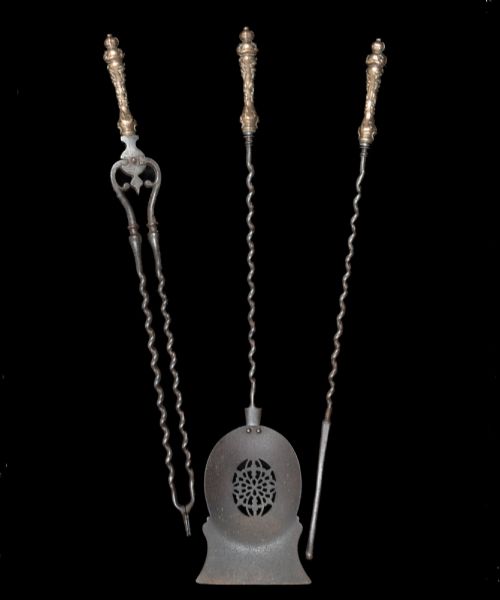


Traditional Wrought Iron Tools
Traditional wrought iron tools offer sturdy utility and forge-hewn character, serving as practical hearth gear and workshop implements.
Traditional Wrought Iron Tools
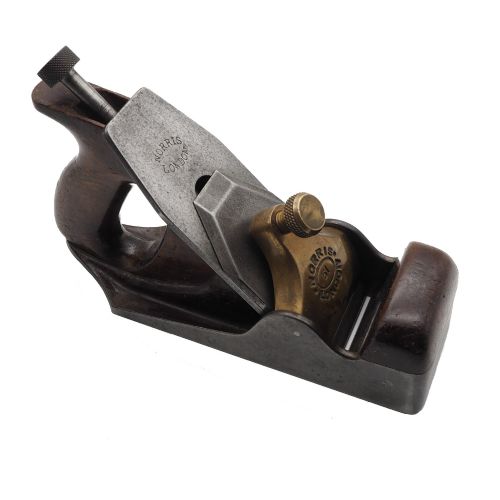
Traditional wrought iron tools encompass hand-forged implements forged for the hearth and the workshop, spanning utilitarian fire gear and functional workshop hardware. When exploring traditional wrought iron tools, buyers most frequently encounter 19th-century and 18th-century fireplace accessories, alongside occasional woodworking instruments and agricultural implements.
The selection ranges from grand companion sets and heavy andirons to single items like log grabbers, toasting forks, and anvils. Stylistic influences lean towards rustic country, Victorian, Georgian, and industrial aesthetics, reflecting practical domestic and manual labour origins.
How they were made
Makers fashioned these pieces primarily using hand-forged wrought iron and steel, often combining them with brass, cast iron, and timbers such as beech, yew, and hardwood. Blacksmiths shaped the metal while hot over an anvil, relying on traditional hammer and tong techniques to achieve resilient utility.
Handles and fittings frequently integrate turned wood or cast brass elements to balance weight and improve grip during daily use. The resulting construction prioritises durability and straightforward mechanical function over superficial ornament.
Listings feature periods spanning from the 18th century through to early 20th-century examples.
What varies in quality
Quality rests primarily in the direct evidence of the smith's handiwork, visible in the clean definition of forged joints and balanced proportions. Pieces that display confident hammer marks and harmonious assembly sit distinctly apart from heavier, unrefined utilitarian items.
The choice of supplementary materials also defines the grade, where well-turned hardwood handles or substantial brass mounts elevate the piece beyond basic workshop output. Preservation of the original forge skin and honest surface texture further distinguishes superior examples.
The Traditional Wrought Iron Tools Glossary
- Wrought iron
- A tough, malleable form of iron containing embedded slag fibres, produced through hammering and working while hot. This material resists snapping and allows for complex shaping by the smith.
- Andirons
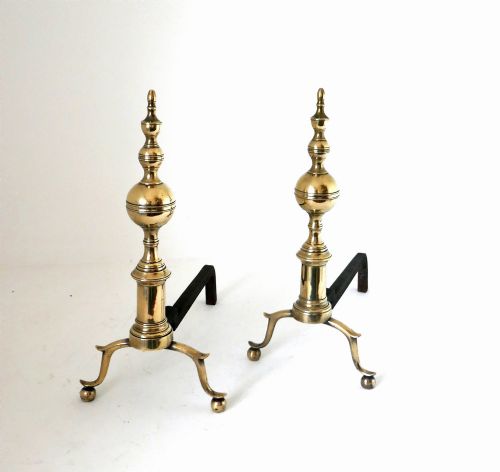
- A pair of horizontal metal supports used to raise logs off the hearth floor for better air circulation. They often feature decorative fronts and integral basket mounts.
- Companion set
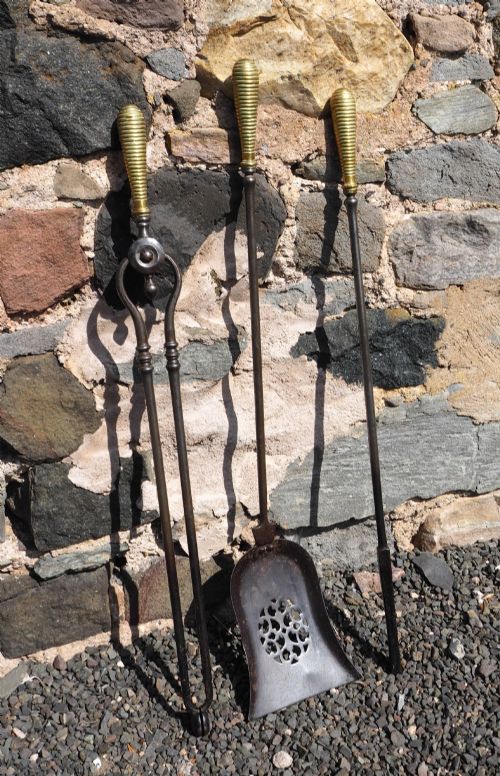
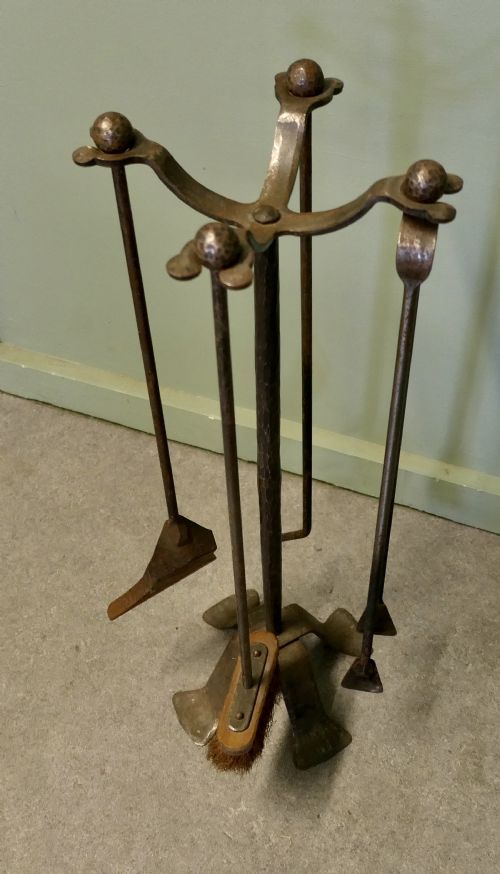
- A matched group of fireplace tools, typically including tongs, a poker, a shovel, and a brush, designed to hang from a dedicated stand. Such sets originated to manage coal and wood fires efficiently.
- Anvil
- A heavy block of metal, usually cast iron with a hardened steel face, upon which a blacksmith hammers hot metal into shape. Its horn and flat surface accommodate diverse bending and cutting tasks.
- Shoulder yoke
- A curved wooden bar designed to fit across the shoulders for carrying buckets or loads evenly. Beech and other domestic hardwoods were commonly utilised for their load-bearing strength.
Traditional Wrought Iron Tools: Frequently Asked Questions
What are traditional wrought iron tools used for?
These implements serve both decorative and practical roles around open hearths, workshops, and country interiors. Items like fire irons and log grabbers manage fuel and ashes, while anvils and planes support manual crafts.
Collectors often display them to introduce authentic period texture into rustic or traditional settings. Their robust construction ensures they remain functional for daily use.
How do I identify eighteenth-century tools?
Eighteenth-century examples typically display distinct hand-forged characteristics, simpler lines, and heavier wear patterns from prolonged domestic or workshop service. Material choices often focus purely on iron and steel before brass accents became more widespread.
Examining the construction methods reveals the absence of modern machine intervention. Comparing the form against documented Georgian and 18th-century styles helps confirm the era.
Can I use these fire tools on a modern hearth?
Most traditional fire tools are built from durable iron and steel, making them entirely suitable for active fireplace use. Their solid construction handles heat and manual weight without difficulty.
Care should be taken with antique brass or wooden components to avoid accidental scorching. Regular maintenance helps preserve their historical finish.
What is the difference between cast iron and wrought iron?
Wrought iron is worked by hand while hot, resulting in a fibrous structure that bends rather than snaps under extreme stress. Cast iron is poured into a mould in liquid form, producing a rigid, more brittle material suited for static items like anvils.
Visual inspection often reveals the hammer marks of wrought pieces compared to the smoother, seam-prone surfaces of castings. Each metal served distinct purposes in historical toolmaking.