
Vintage Iron Bistro Table
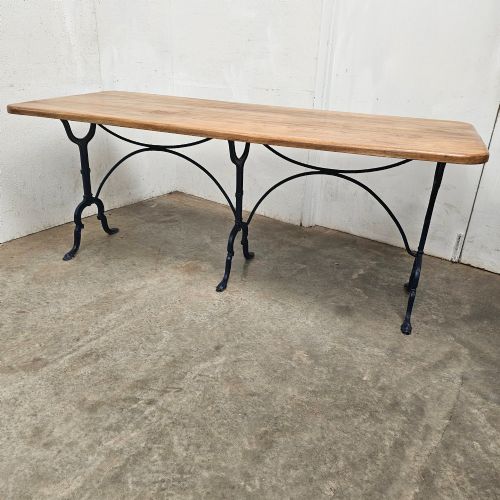
A vintage iron bistro table brings industrial character and practical charm to small dining spaces, whether you place it in a kitchen, conservatory or courtyard.
Vintage Iron Bistro Table
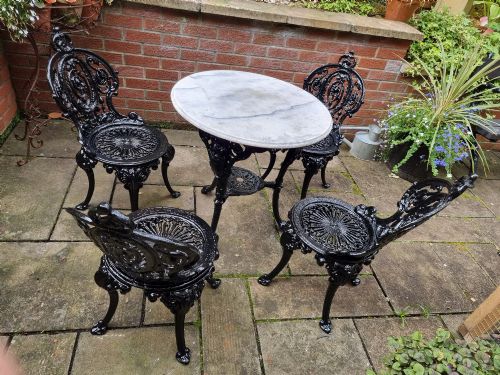
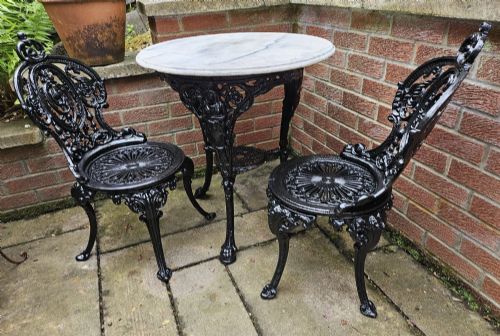
A vintage iron bistro table typically combines a sturdy metal base with a contrasting top, serving both domestic and commercial spaces. You will find pieces hailing from the nineteenth century through to the Art Deco period of the nineteen-twenties and thirties, reflecting various British and continental European designs.
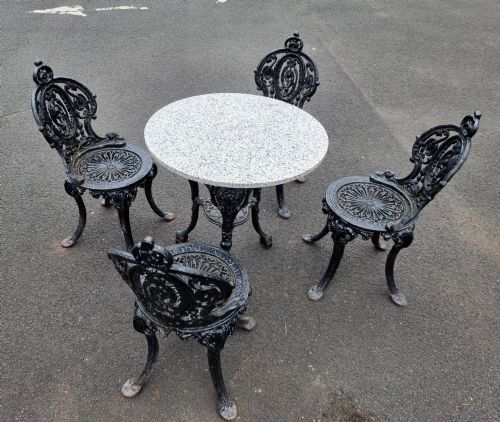
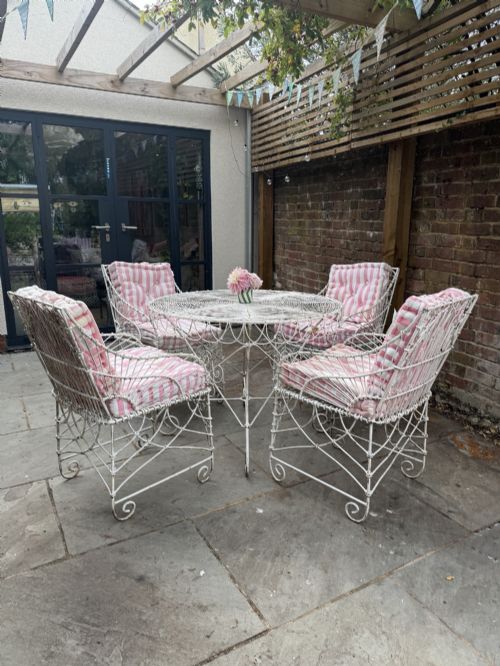
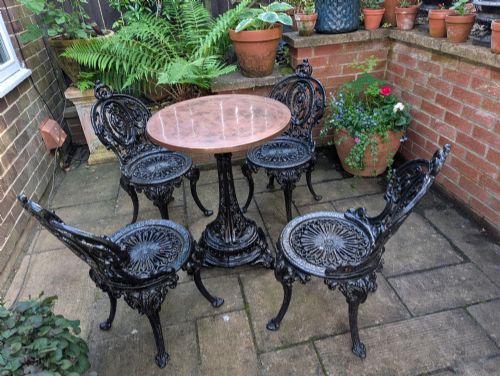
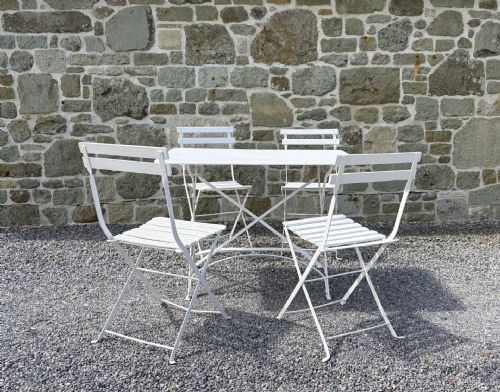
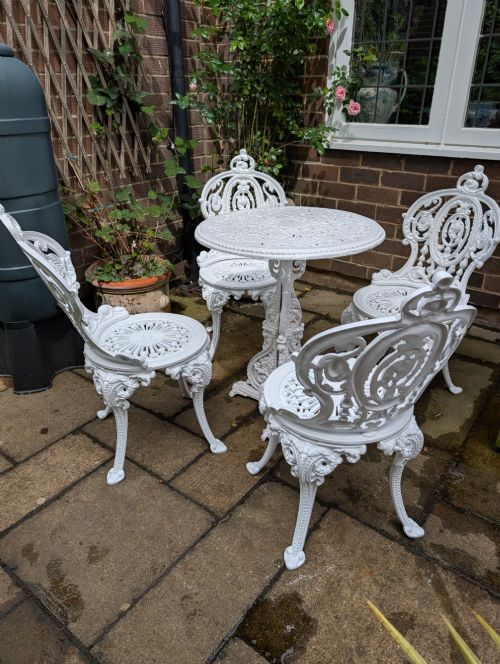
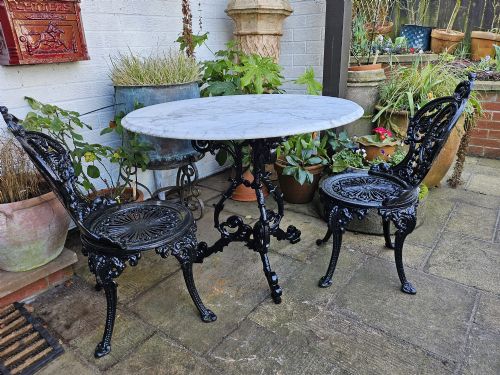
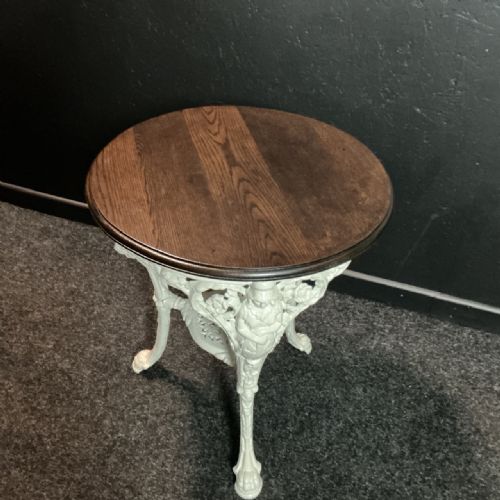
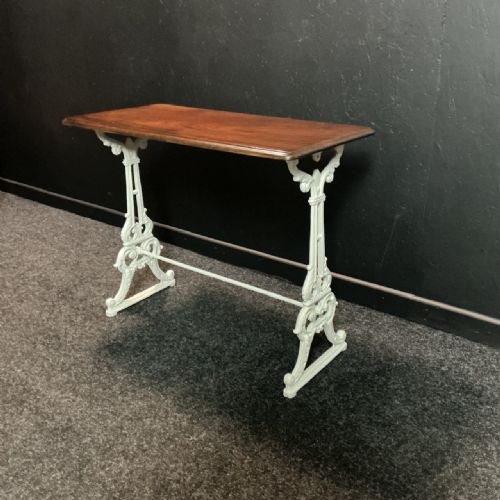
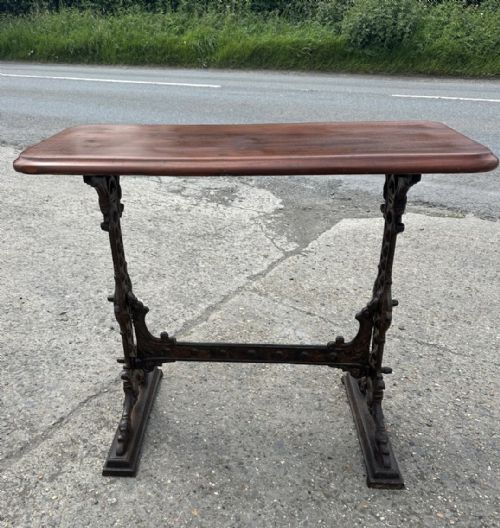
The most common examples you are likely to encounter include round pedestal forms alongside rectangular formats intended for garden dining sets or pub use. These tables frequently appear alongside matching chairs, forming complete sets designed for compact social gatherings.
Origins span from Victorian Britain to French provincial workshops, incorporating regional styles such as French country, industrial and chateau aesthetics. Such diversity ensures that each piece offers a distinct silhouette shaped by its original purpose.
Materials and Construction
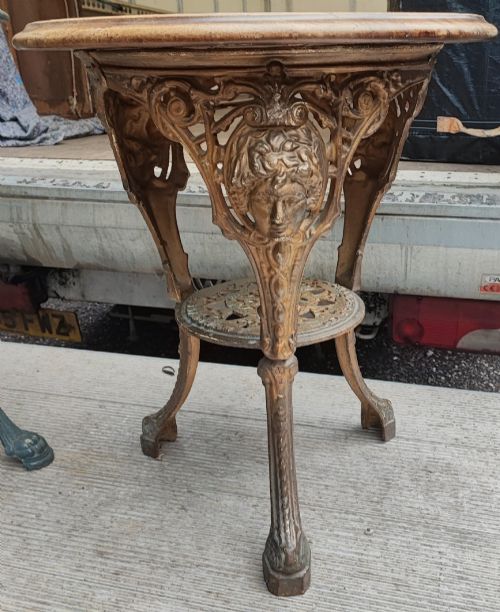
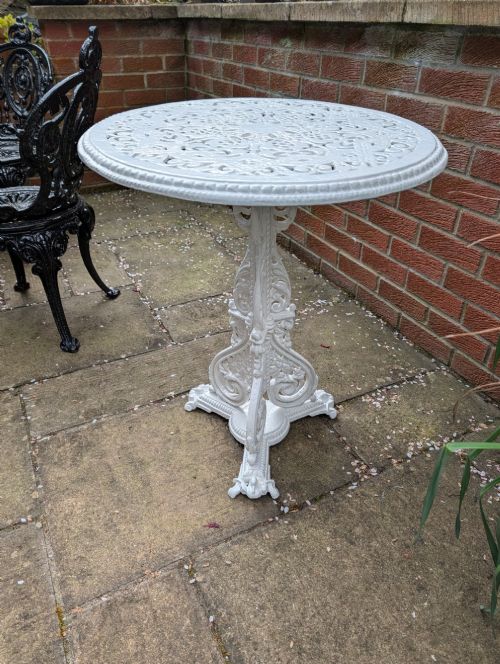
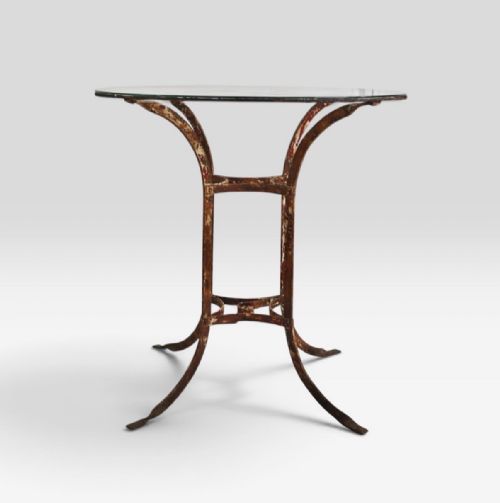
Makers utilised heavy cast iron and wrought iron for the bases, employing moulding and forging techniques to create intricate scrollwork, tripod supports and robust pedestals. These metal frames provide the structural endurance that has allowed the pieces to survive decades of use.
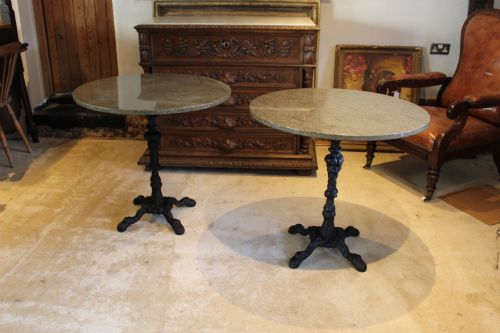
Tops were fashioned from an array of contrasting materials including marble, granite, zinc, mosaic, and timbers such as oak, elm, mahogany and pine. The combination of cold metal with tactile stone or warm wood defines the visual and physical balance of each table.
Some nineteenth-century tavern tables feature cast-iron bases shaped like Britannia herself, silently supervising every pint poured.
Distinctions in Quality
Quality rests upon the crispness of the iron casting and the integrity of the structural joins, where finer examples display sharp decorative relief and solid engineering without distortion. The proportional harmony between the heavy base and the chosen top also dictates the overall elegance of the piece.
The materials selected for the surface significantly influence the standing of a table, with fine specimens featuring slab marble, polished granite or patinated hardwood rather than simple utility boards. Original finishes, such as early painted surfaces or well-maintained patinas, elevate the authenticity and desirability of the item.
Christopher Dresser
The Vintage Iron Bistro Table Glossary
- Cast iron
- A strong, rigid iron alloy poured into moulds to create intricate decorative bases and pedestals. It allows for repeating patterns and sculptural supports.
- Bistro table
- A small café or tavern table designed for compact seating. These traditionally feature a central pedestal or four slender legs to maximise legroom.
- Britannia
- A specific style of nineteenth-century pub table featuring a heavy cast-iron base often cast in the form of the seated figure of Britannia. They are frequently paired with timber tops.
- Gueridon
- A small French round table supported by a single central pillar or column. This form was widely adapted for nineteenth-century cafe and salon use.
- Marble top
- A smooth stone surface fitted to iron bases for easy cleaning and a cool aesthetic. These range from plain white slabs to decorative coloured specimens.
Vintage Iron Bistro Table: Frequently Asked Questions
Where were these tables originally used?
These tables served primarily in public houses, cafes and bistros across Britain and France, providing compact seating for patrons. They also found a place in domestic gardens, conservatories and morning rooms.
Their robust construction made them suitable for both indoor dining and outdoor pavement use. Over time, their practicality ensured their transition into modern residential interiors.
Are vintage iron tables suitable for outdoor use?
Many of these pieces were originally manufactured for gardens, patios and outdoor cafe terraces, making them naturally resilient to the elements. Iron bases withstand weather well, though vulnerable top materials like wood or certain stones require seasonal protection.
Checking the current finish and material composition helps determine whether a specific table should remain outside or be kept in a conservatory.
How do I date a vintage iron table?
Dating relies on stylistic clues, construction methods and the specific materials paired with the iron base. Victorian examples often feature registration marks, ornate classical motifs or specific foundry patterns.
Later pieces from the nineteen-twenties and thirties often embrace cleaner lines or geometric Art Deco influences. Examining the bolts, casting seams and wear patterns further clarifies the era of manufacture.
How do I care for a marble top iron table?
Marble surfaces require gentle cleaning with mild, pH-neutral soap and warm water to avoid damaging the stone. Acidic substances like wine or citrus should be wiped away promptly to prevent etching.
The iron base simply needs dusting and occasional treatment with a protective wax if exposed to moisture. Maintaining the finish preserves the historical patina of the piece.