



Vintage Interior Scene Painting
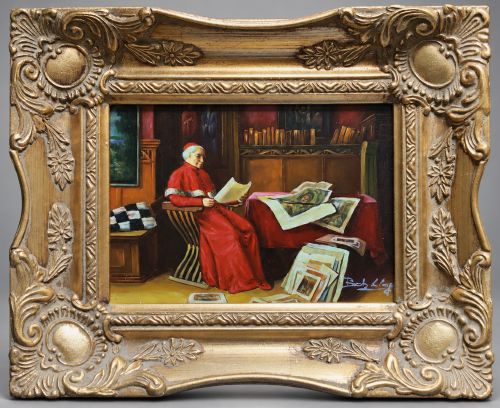
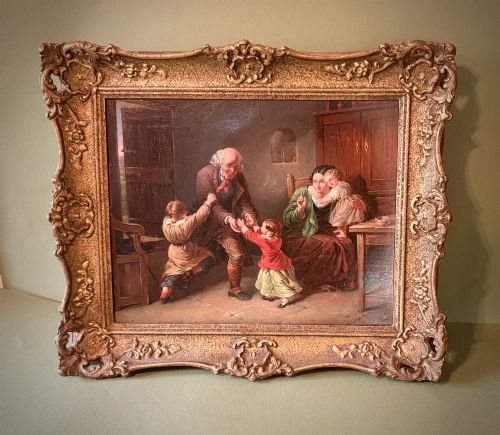
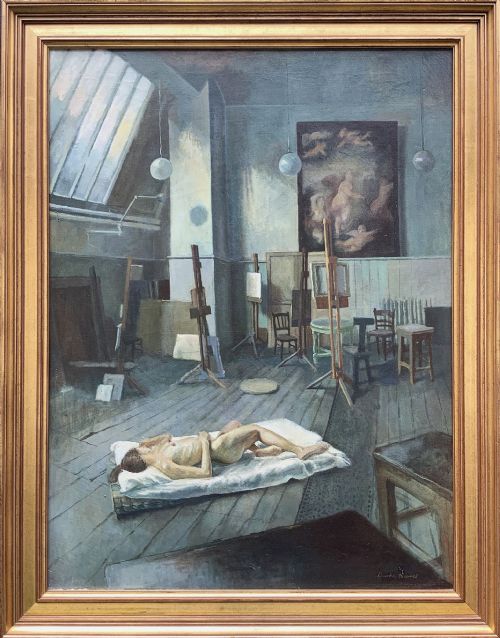
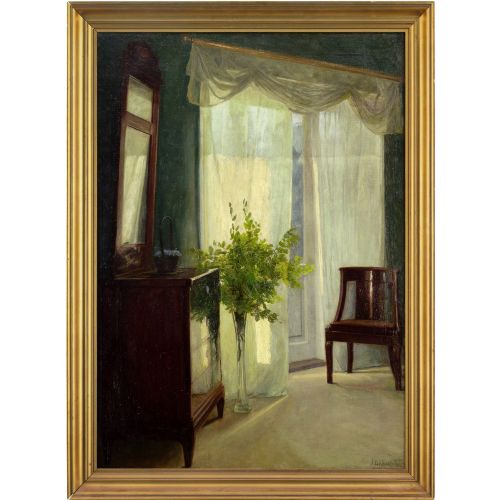
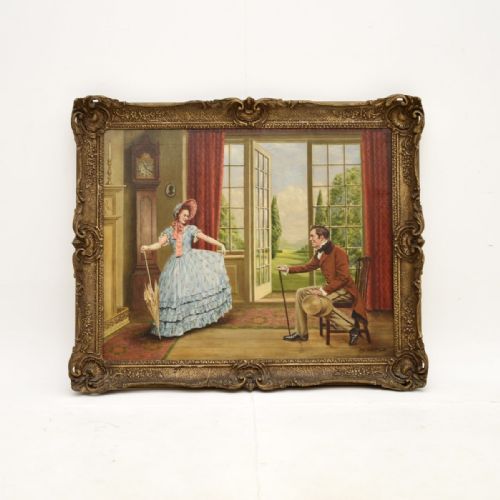
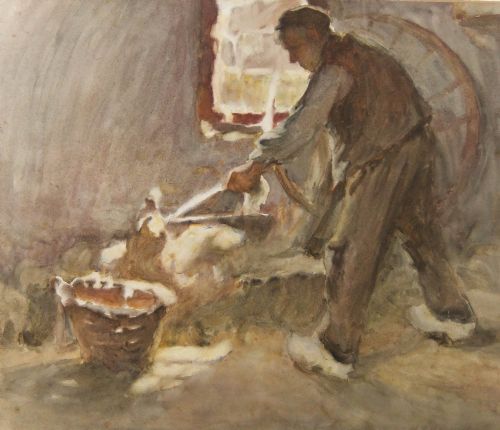
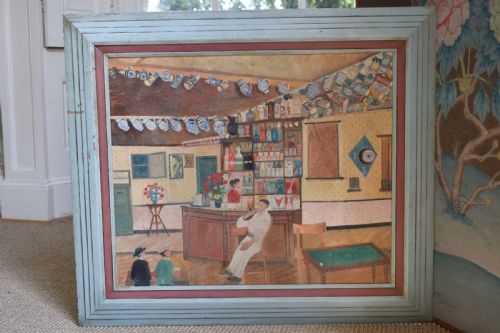
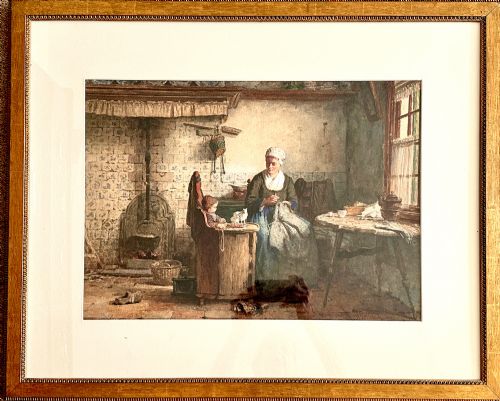
When you look for a vintage interior scene painting, you find domestic domestic rooms, taverns, and workshops rendered in oil, watercolour, and panel.
Vintage Interior Scene Painting
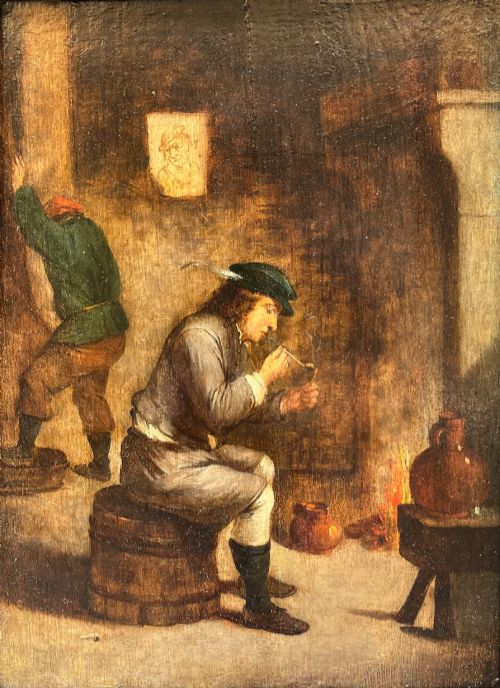
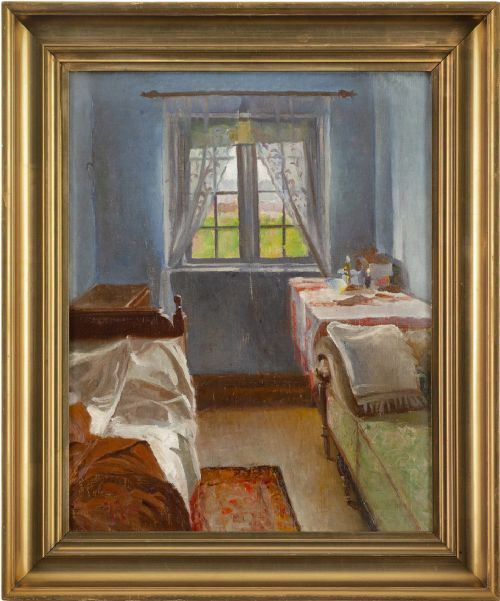
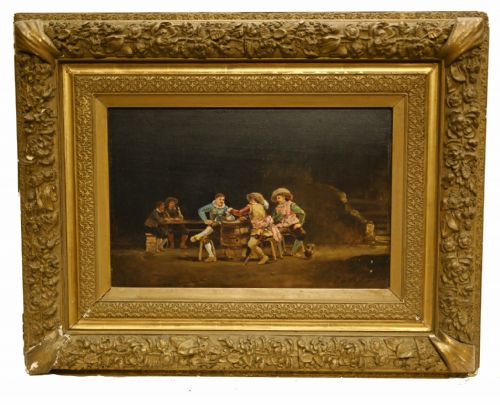
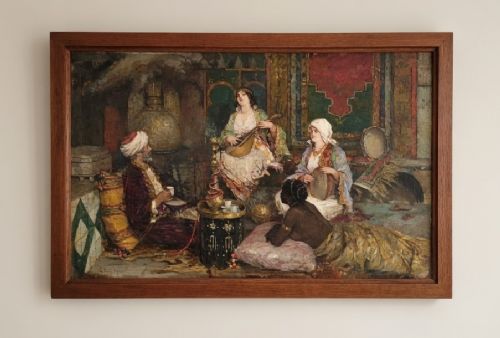
A vintage interior scene painting captures domestic spaces, cottage hearths, quiet studios, and lively taverns across the nineteenth and twentieth centuries. These works record daily habits, quiet tea hours, family visits, and moments of labour through the brush of British, French, Dutch, and Scandinavian artists.
The selections available here range from nineteenth-century genre pieces and Victorian domestic narratives to early twentieth-century post-impressionist interpretations and mid-century abstracts. Works appear on canvas, panel, board, paper, tin, and in chrystoleum form, offering diverse interpretations of enclosed spaces.
How they were made
Painters utilised oil and watercolour pigments applied to stretched canvas, wooden panels, thick paper, and board to build these compositions. Artists employed techniques spanning chiaroscuro lighting, realist detailing, and fluid impressionist brushwork to define domestic textures and interior atmospheres.
Many works retain their period wood frames, some featuring burr timber surrounds or moulded details that complement the painted surface. Support mediums vary from traditional woven canvas to rigid wooden panels and metal tin sheets.
Vintage Interior Scene Painting Retail Price Guide 2026
Typical asking prices for vintage interior scene painting among the pieces listed under this phrase on Sellingantiques today, from the lower quarter to the upper quarter. They describe what is for sale here now, not the wider market.
Materials recorded across the inventory include canvas, wood panels, paper, board, tin, oil paint, and watercolours.
What varies in quality
Quality rests in the handling of light, shadow, and human posture, where skilled artists capture the warmth of sunlight through a doorway or the dim glow of a hearth fire. The depth of the spatial composition and the psychological conviction of the figures separate standard decorative works from accomplished artistic execution.
The preservation of the original pigment layer and the integrity of the ground - whether canvas, panel, or paper - shape the longevity and visual impact of the piece. Associated documentation, artist signatures, and period framing further distinguish individual examples.
Henry Silkstone Hopwood·Alfred Lyndon Grace·John Lübschitz·Harry Kluge·Hendrik Valkenberg·Alexander Rosell·Gabriel Puig Roda·James Kyd·George Smith·Thomas Couture·Hans Temple·Roland Batchelor·Théophile Emmanuel Duverger·Rolinda Sharples·Gustav Goemans·Joaquín Luque y Roselló·John Percy Cooke·Pauline Delacroix Garnier
The Vintage Interior Scene Painting Glossary
- Genre painting
- Depiction of aspects of everyday life by portraying ordinary people engaged in common activities. These scenes often focus on domestic interiors, taverns, or street life rather than grand historical or mythological subjects.
- Chrystoleum
- A method of applying hand-painting to the rear of a concave glass print to create a luminous, three-dimensional effect. Popular in the Victorian period, these works were often finished in ornate frames.
- Chiaroscuro
- An artistic technique using strong contrasts between light and dark to give a sense of volume to figures and objects. It creates dramatic tension within enclosed interior compositions.
- Panel painting
- A painting executed on a flat panel made of wood or other rigid material rather than canvas. Wooden supports were widely used before canvas became the dominant medium.
Vintage Interior Scene Painting: Frequently Asked Questions
What periods do these paintings cover?
The works span from seventeenth-century interpretations and nineteenth-century realist traditions through to twentieth-century post-impressionist and mid-century abstract movements.
Creators recorded domestic life across the Victorian era, the Edwardian period, and into the nineteen-fifties and sixties with diverse stylistic approaches.
What materials were used for these supports?
Artists painted on stretched canvas, wooden panels, thick paper, board, and tin sheets using oil and watercolour mediums.
Many examples retain period wooden frames, including burr timber surrounds that complement the era of creation.
How do I identify a genre scene?
Genre paintings portray everyday subjects and ordinary people in domestic interiors, cottages, workshops, or tavern settings.
They emphasise human interactions, family visits, tea hours, and quiet labour rather than formal portraits or landscapes.
Where were these artists from?
The selection includes British, French, German, Dutch, and Scandinavian practitioners who documented local domestic environments and rural spaces.
Foreign schools and domestic masters alike focused on the play of interior light and daily rituals.