

Vintage Inlay Storage Chest
A vintage inlay storage chest brings timber, brass, and marquetry together to hold household goods with enduring utility.
Vintage Inlay Storage Chest
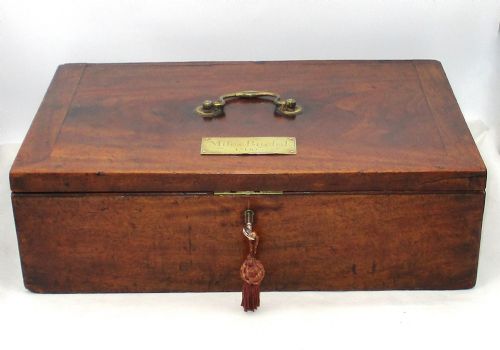
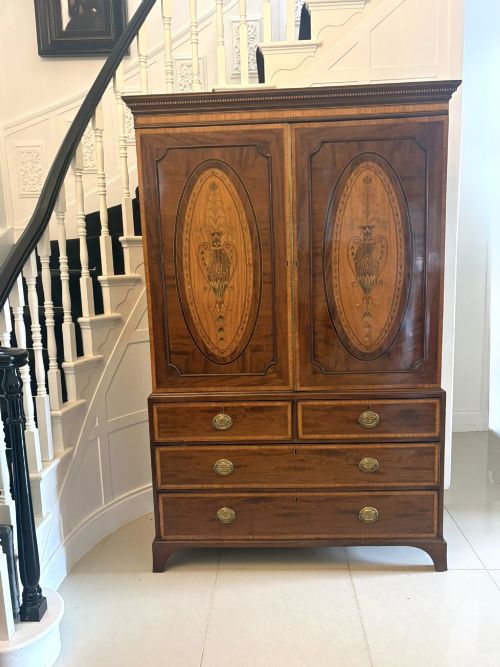
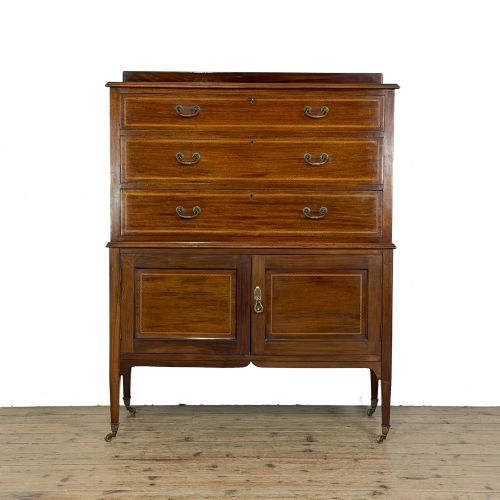
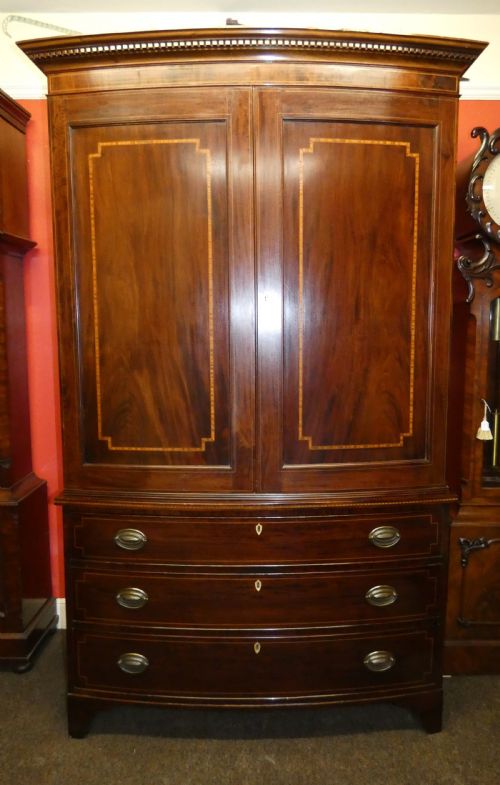
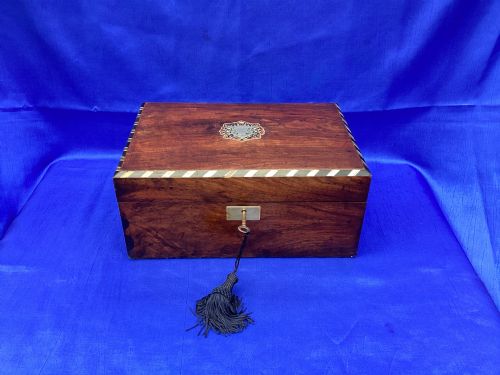
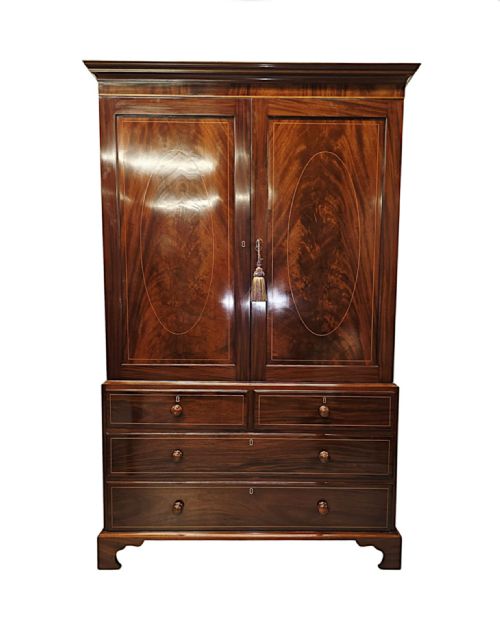
A vintage inlay storage chest encompasses a varied selection of timber furniture and smaller receptacles designed for domestic organisation and safekeeping. The pieces found here range from substantial linen presses and tallboys to smaller document boxes, tea caddies, and commodes.
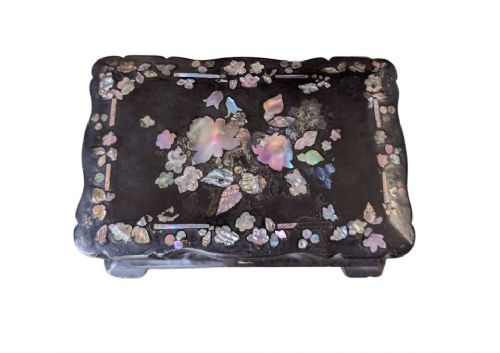
The selection draws on numerous periods, from the eighteenth century through the Victorian, Edwardian, and early twentieth-century eras. Mahogany, walnut, and oak form the primary foundation, ornamented with boxwood, satinwood, and mother of pearl.
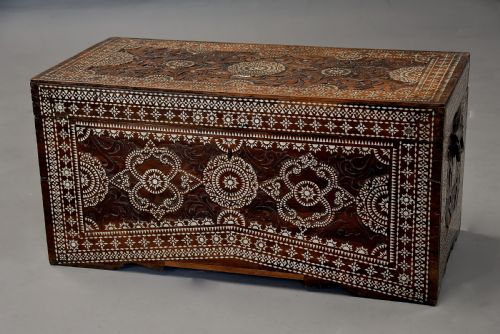
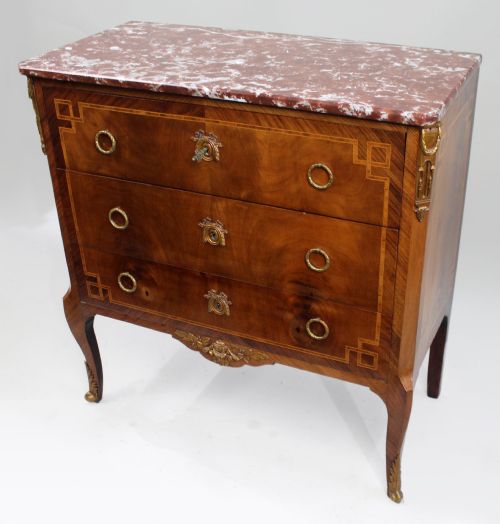
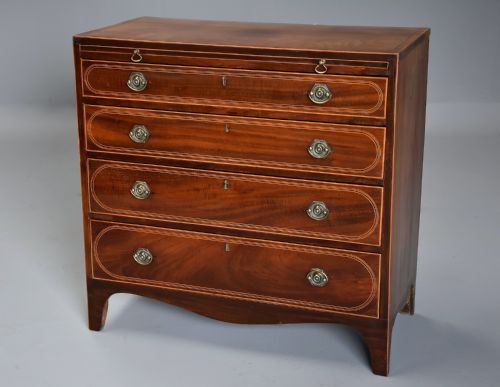
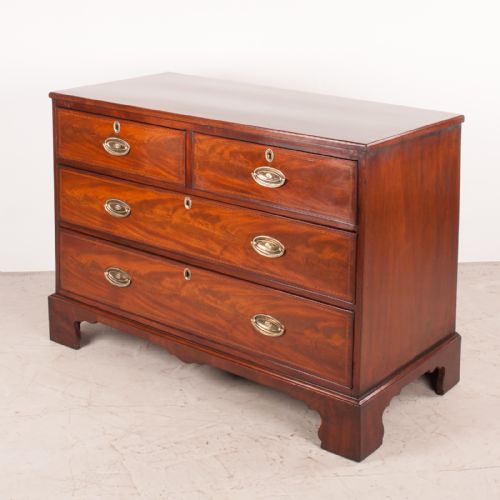
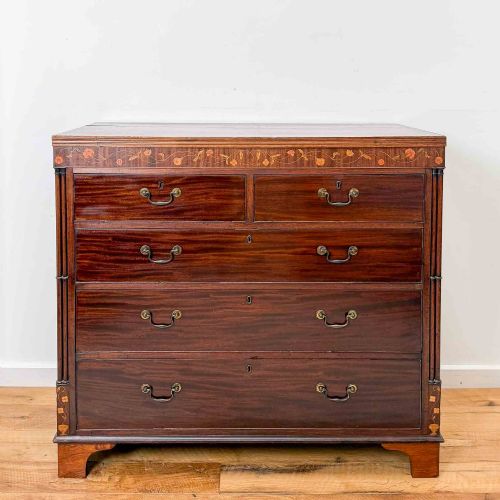
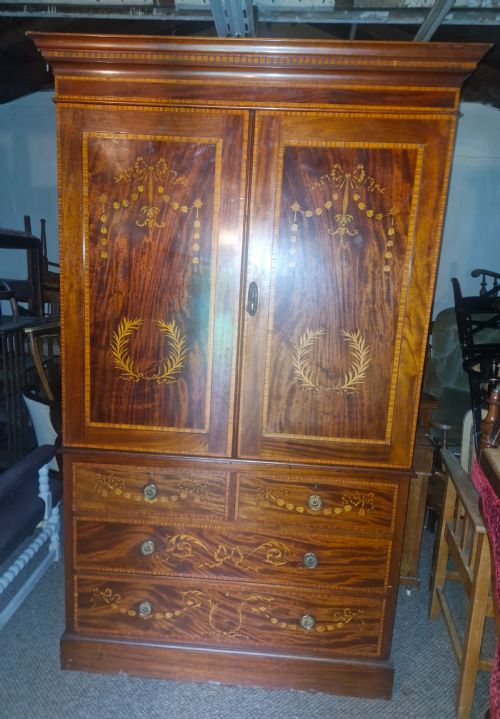
Buyers most frequently encounter mahogany chests of drawers and linen presses decorated with geometric stringing or floral motifs. Alongside these traditional forms, items such as French marquetry commodes and Middle Eastern trunks appear across the selection.
Materials and construction
Cabinet makers utilised dense hardwoods such as mahogany, walnut, and oak as the structural carcase for these storage pieces. Drawer linings and secondary woods typically consisted of pine or oak, joined with traditional techniques suited to the period.
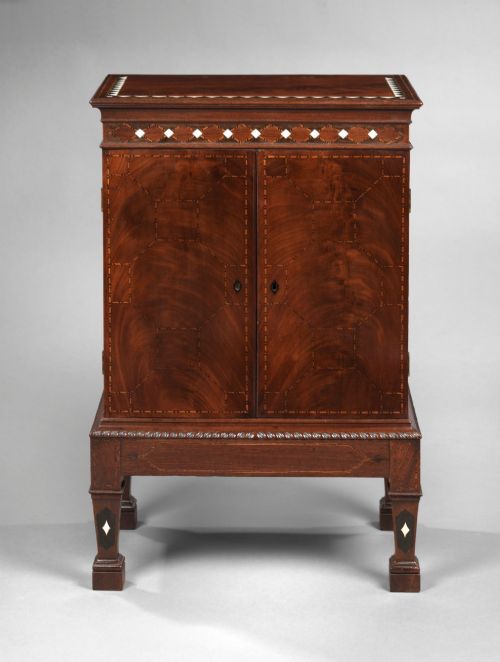
Inlay work involved meticulous hand-cutting of contrasting timbers, boxwood, satinwood, and mother of pearl into recessed channels within the primary wood. Brass handles, escutcheons, and occasional ormolu mounts finished the construction, providing both functional hardware and decorative contrast.
The listings span eight distinct centuries and decades, featuring oak, mahogany, walnut, and satinwood combined with brass, marble, and mother of pearl.
Determinants of quality
Quality rests upon the precision of the cabinet work and the fidelity of the timber selection. Finer examples display tight, regular grain patterns in the primary mahogany or walnut, alongside crisp, flush fitting of the inlay work without visible gaps or excessive filler.
The sophistication of the design and the integrity of the original hardware also separate standard items from superior pieces. Well-executed secondary details, such as hand-cut dovetails on drawer boxes and original brasses, indicate higher standards of workshop production.
Holtzapffel and Co·Druce & Co
The Vintage Inlay Storage Chest Glossary
- Marquetry
- Decorative veneer work arranged in pictorial or geometric patterns across a furniture surface. This technique uses thin slices of various coloured woods to create detailed imagery.
- Linen Press
- A large double-doored storage piece containing sliding trays above a chest of drawers. Originally utilised for storing freshly laundered household linens flat.
- Stringing
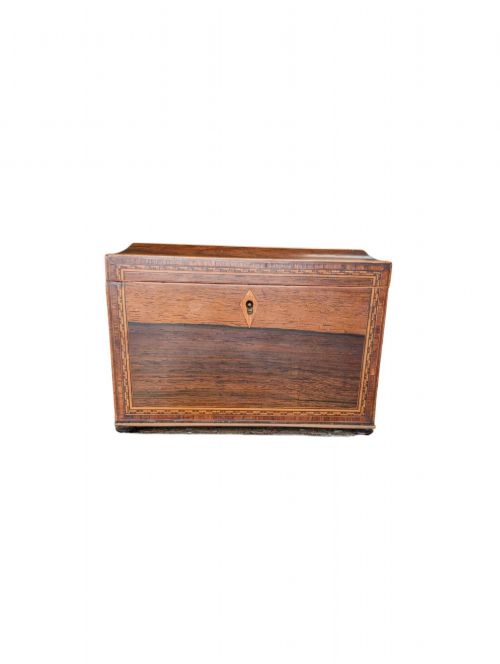
- A narrow strip of contrasting wood inlaid into the surface of furniture to create linear borders. This technique frequently frames drawer fronts and top panels.
- Commode
- A low French or continental chest of drawers often fitted with a marble top. These pieces generally date from the eighteenth or nineteenth centuries.
- Crossbanding
- A border of veneer laid around the perimeter of a panel or drawer front with the grain running perpendicular to the centre. It provides a neat, framed visual boundary.
- Caddy Top
- A raised, moulded tabletop profile resembling the lid of a tea caddy. This form appears on eighteenth and nineteenth-century case furniture.
Vintage Inlay Storage Chest: Frequently Asked Questions
What is a linen press used for?
A linen press served primarily to store folded sheets, tablecloths, and garments flat within sliding internal trays before the widespread use of fitted wardrobes.
The lower drawer section provided supplementary storage for bulky items or apparel, keeping household textiles organised and protected from dust.
How do I identify a Georgian chest?
Georgian chests typically feature dense mahogany timber, hand-cut dovetail joints on the drawer linings, and understated bracket feet or plinth bases.
Decoration on these pieces often relies on simple line inlay, cockbeading around the drawers, and period brass swing handles rather than heavy carving.
Where were marquetry commodes made?
Marquetry commodes originated predominantly in French workshops, following continental styles associated with Louis periods and bombré shapes.
Cabinet makers in these urban centres combined exotic woods and rouge marble tops to produce decorative storage for formal reception rooms.
How should I clean inlaid furniture?
Maintenance requires gentle dusting with a soft, dry cloth to prevent dirt accumulation within the recessed inlay channels and wood grain.
Applying microcrystalline wax periodically feeds the timber and protects the contrasting veneers without moisture damage to the boxwood or mother of pearl.