

Vintage Industrial Storage
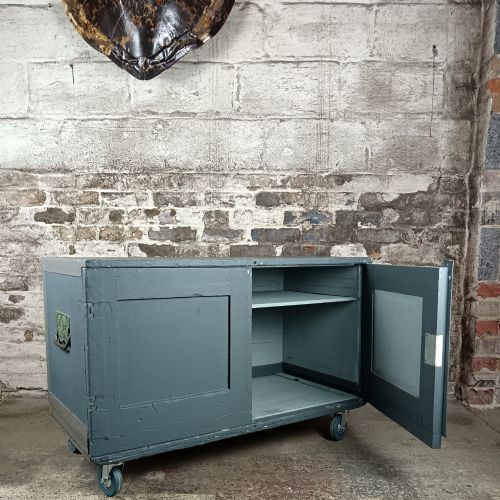
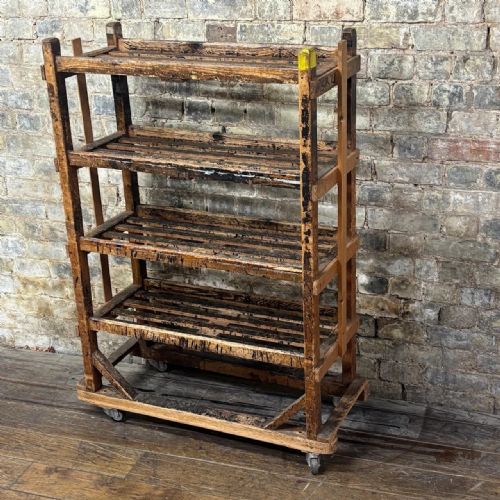
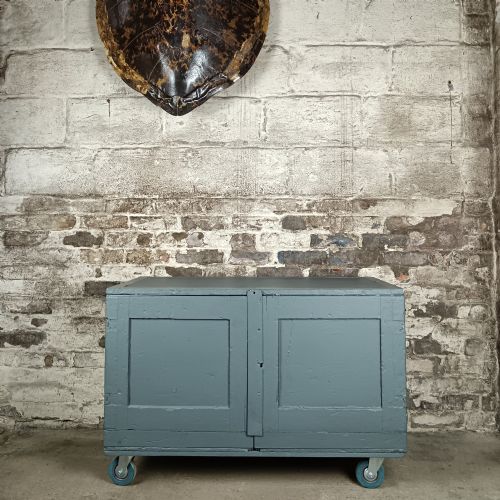
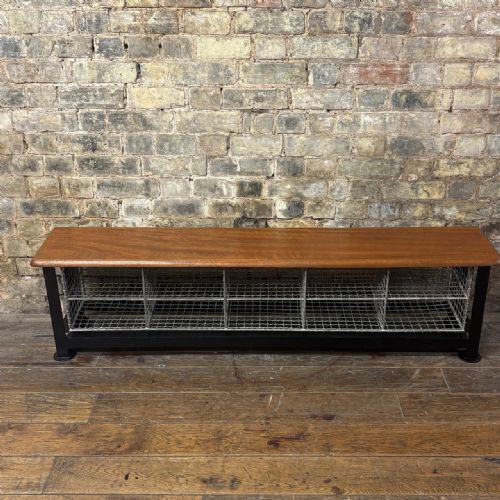
Vintage industrial storage brings raw utility into domestic spaces through robust trunks, multi-drawer cabinets, and metal shelving units crafted to endure heavy use.
Vintage Industrial Storage
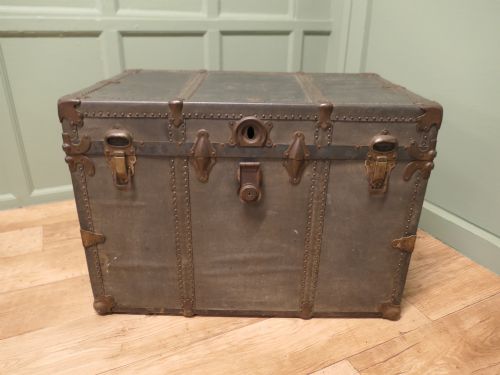
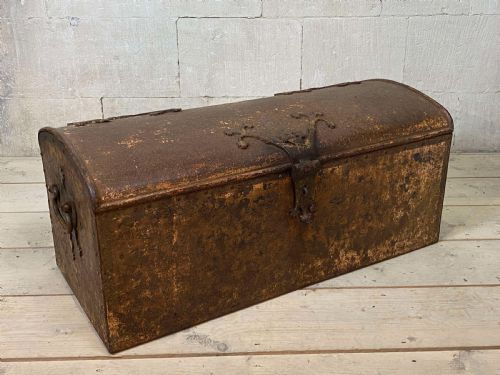
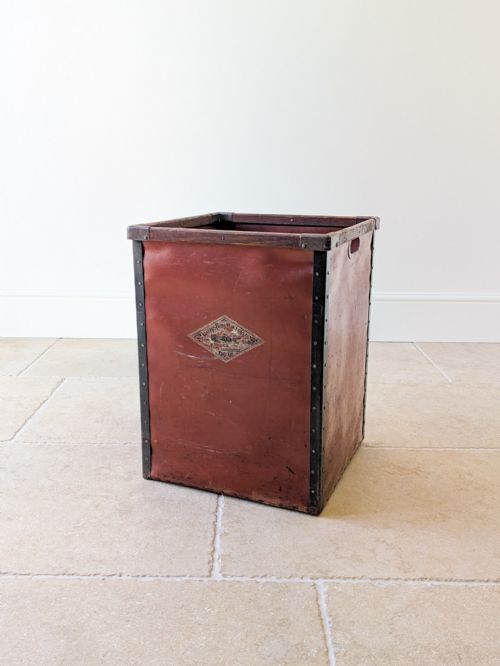
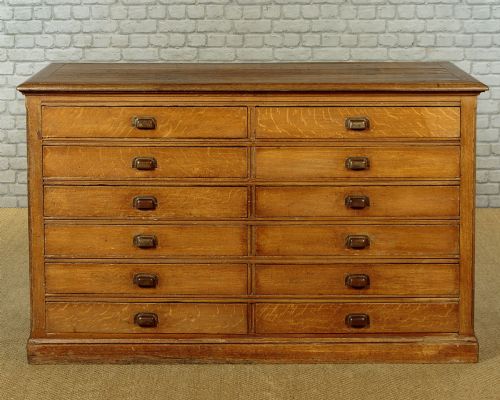
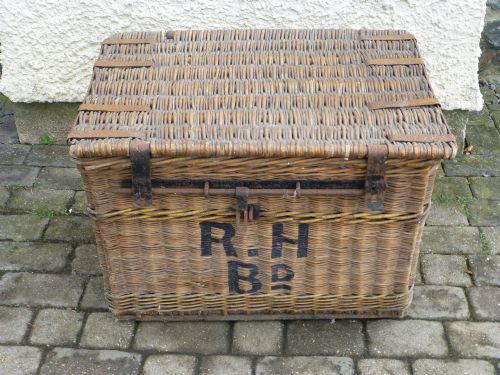
Vintage industrial storage encompasses functional furniture and utility objects originating from factories, offices, schools, and transport systems dating from the nineteenth century through the mid-twentieth century. Buyers seeking vintage industrial storage will frequently encounter multi-drawer cabinets, plan chests, pigeon holes, and heavy trunks built for commercial deployment.
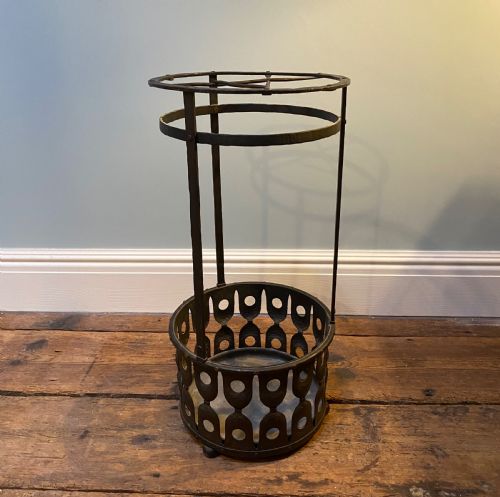
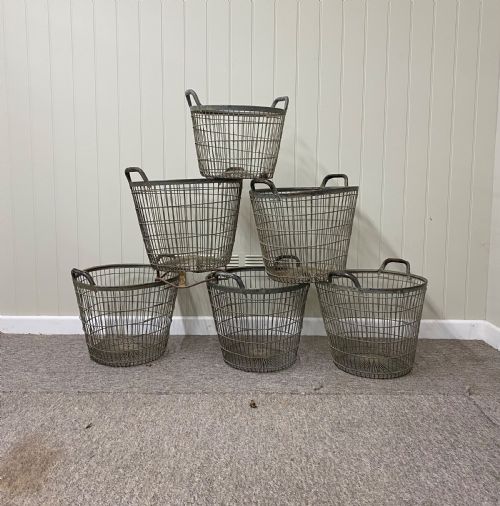
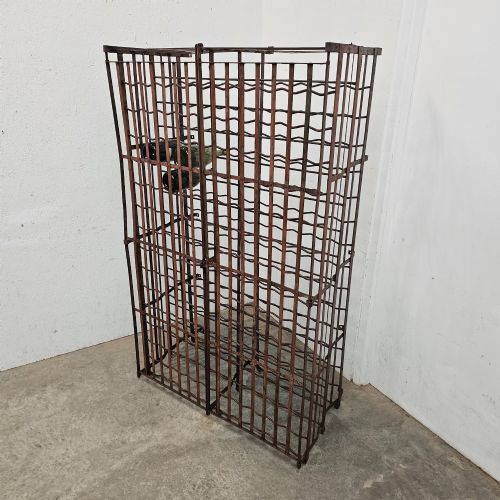
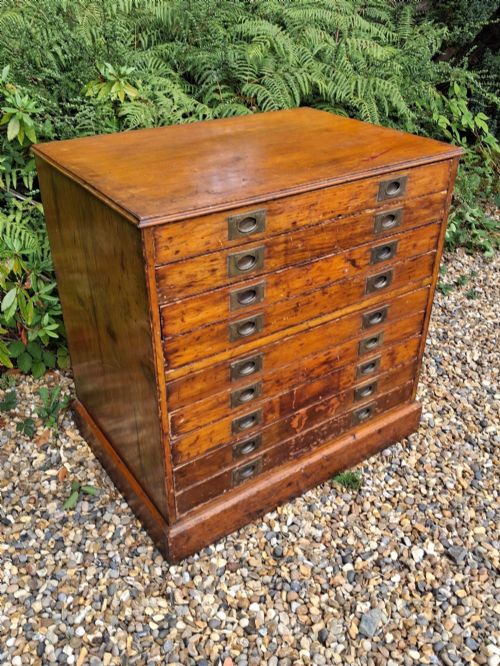
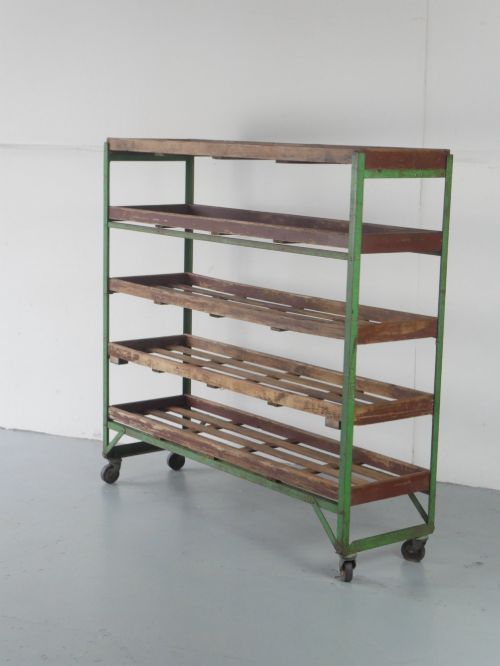
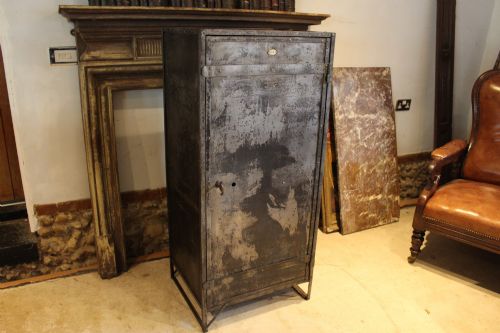
The selection ranges from large architectural plan chests in pine and oak to steel wine racks, wire baskets, and workshop shoe trolleys. Pieces span Edwardian, Victorian, and early twentieth-century eras, reflecting the utilitarian demands of railway companies, printing works, and shipping lines.
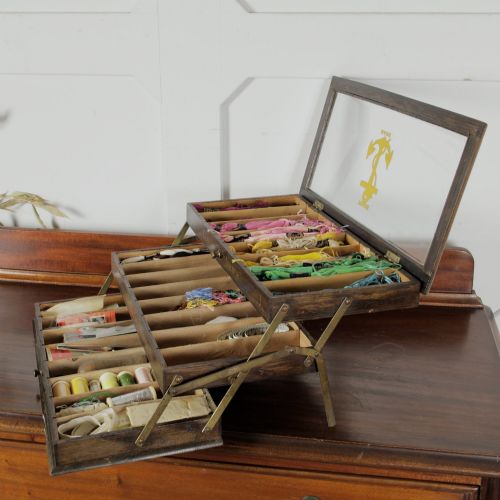
Cabinets and cupboards often display compartmentalised layouts such as haberdashery displays or railway ticket units. These utilitarian forms suit modern interiors by providing substantial capacity for domestic organisation without sacrificing historical character.
How they were made
Makers utilised resilient metals including iron, steel, brass, and wrought iron alongside dense timbers like pine, oak, and mahogany. Construction prioritised durability, employing reinforced corners on trunks and robust joinery on banks of drawers.
Surfaces frequently show the remnants of practical manufacturing processes, from hand sign-written lettering and painted steel finishes to exposed brass hardware and riveted joints. Wooden items display traditional dovetail or mortise and tenon joints designed to withstand decades of workshop or office movement.
Vintage Industrial Storage Retail Price Guide 2026
Typical asking prices for vintage industrial storage among the pieces listed under this phrase on Sellingantiques today, from the lower quarter to the upper quarter. They describe what is for sale here now, not the wider market.
Listings feature items spanning the 18th century, Victorian era, Edwardian period, and the 1920s through the 1950s.
What varies in quality
Quality rests in the integrity of the original hardware, the density of the primary timber, and the preservation of factory markings or manufacturer badges. Pieces retaining their original brass handles, operating drawer stops, and authentic painted finishes hold greater integrity than those altered later.
Subtle differences in construction thickness, such as heavy-gauge steel versus lighter sheet metal, dictate how well a piece survived its working life. The refinement of interior divisions in plan chests and multi-drawer units also separates standard utilitarian objects from bespoke commercial fittings.
Triumph·Seaward·D Napier and Sons
The Vintage Industrial Storage Glossary
- Plan chest
- A wide, shallow multi-drawer cabinet originally utilised by architects and draughtsmen for storing large blueprints and maps flat. These pieces now function effectively as large sideboards or media consoles.
- Haberdashery display
- A retail cabinet featuring numerous glass-fronted or wooden pull-out drawers designed for organising small dry goods like ribbons and buttons. They are prized for retail and domestic display storage.
- Campaign chest
- A modular wooden trunk separated into distinct sections with brass corners and recessed carrying handles, made for military officers on the move. Their clever partitioning allows flexible stacking arrangements.
- Mill bin
- A heavy-duty industrial container constructed for textile mills to hold raw materials or finished products. They demonstrate raw utility through unpainted or distressed wooden surfaces.
- Pigeon holes
- An open grid of small rectangular compartments designed for sorting mail, tickets, or office paperwork. They offer visible vertical storage for stationery and household items.
Vintage Industrial Storage: Frequently Asked Questions
How do I clean industrial metal storage?
Remove surface dust with a dry cloth and preserve aged metal finishes with a light application of clear beeswax or microcrystalline wax to prevent oxidation.
Avoid abrasive chemical cleaners that strip the original paint, patinated iron, or factory markings gathered over decades of commercial use.
Can I use plan chests in a bedroom?
Plan chests provide exceptional horizontal surface area and shallow drawer depths suited for storing folded garments, linens, and accessories.
Their wide proportions require careful room measurement to ensure comfortable clearance around the bed and other furniture.
What is a haberdashery cabinet?
Haberdashery cabinets are multi-drawer shop fittings originally built to organise small clothing items and textiles in retail drapery stores.
They feature numerous pull-out compartments, often with glass panels, allowing contents to be viewed easily without opening every drawer.
How do I date a wooden trunk?
Examine the construction methods, such as dovetail joints, handle styles, and lock mechanisms, alongside any maker plates or shipping labels.
Earlier nineteenth-century examples often feature hand-forged iron work and solid pine or oak carcases, while twentieth-century versions introduce steel reinforcement.