





Vintage Industrial Sculpture
These pieces of vintage industrial sculpture bring utilitarian function into decorative spaces through striking metalwork and sculptural forms.
Vintage Industrial Sculpture
Vintage industrial sculpture encompasses utilitarian objects, trade signs, and workshop moulds repurposed as striking decorative art for contemporary interiors. These pieces bridge the gap between factory functionality and aesthetic display, offering a distinctive presence in a room.
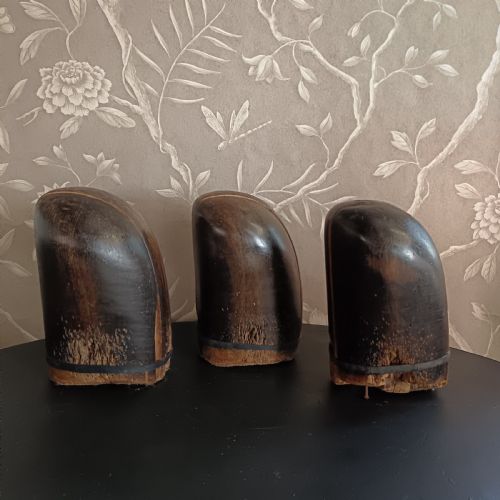
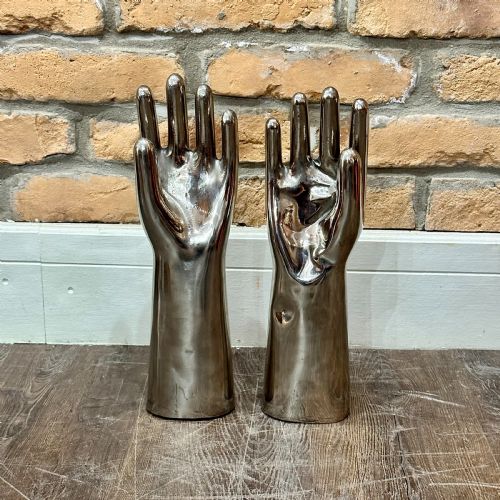
The selections available here range from aluminium millinery hat blocks and glove moulds to scale models and trade signs. Millinery moulds and hat blocks from the early twentieth century appear frequently among these listings.
Origins stretch across the nineteenth and twentieth centuries, spanning periods such as 1880, 1890, 1900, 1910, 1920, and 1930. Makers utilised robust materials intended for industrial and commercial application rather than domestic ornament.
How they were made
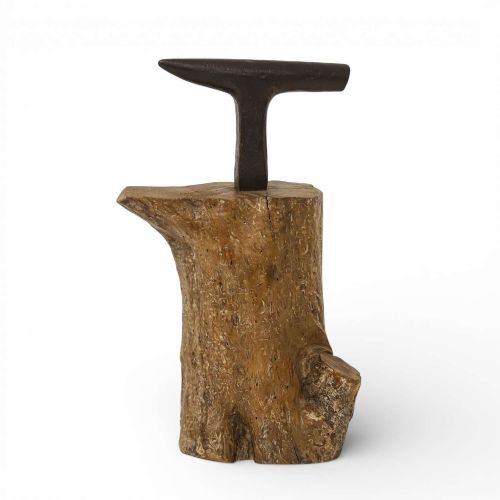
Makers shaped aluminium, wrought iron, sheet metal, brass, and spelter using foundational metalworking techniques suited to heavy industry and trade. Fruitwood often served as a supportive base or primary material, as seen in mounted farrier's anvils and hat blocks.
Surfaces frequently retain original paint, bare metal finishes, and natural patinas accrued through workshop use and time. Construction methods prioritize structural durability and precise utility, whether forming a boat fairground ride, a beam engine clock, or a scale model anchor.
Materials recorded across the inventory include aluminium, wrought iron, sheet metal, brass, spelter, and fruitwood.
What varies in quality
Quality rests upon the preservation of original surfaces, authentic industrial wear, and the sculptural impact of the form. Pieces retaining untouched paint and genuine utilitarian patinas hold greater visual coherence than those with altered finishes.
The complexity of the object and the clarity of its original purpose dictate its appeal. Items like automaton beam engine clocks or sculptural vernacular pieces demonstrate a higher degree of mechanical and artistic intricacy compared to standard production moulds.
The Vintage Industrial Sculpture Glossary
- Millinery Mould
- A shaped block or form used in hat-making, commonly cast in aluminium or carved from wood to form brims and crowns. These objects now function as sculptural tabletop or shelf displays.
- Spelter
- An alloy primarily of zinc, often used as a substitute for bronze to cast decorative figures and lamp bases during the late nineteenth and early twentieth centuries. It accepts patination and paint readily.
- Vernacular Piece
- An item created by anonymous makers or tradespeople to serve a direct functional need without academic design constraints. These objects derive their aesthetic entirely from utilitarian practicality.
- Automaton
- A self-operating mechanical device constructed to imitate human or animal action, or to perform complex mechanical movements. The inclusion of clockwork mechanisms elevates their technical complexity.
- Trade Sign
- A board or sculptural object displayed outside a business to advertise a specific trade or service. They rely on bold, direct visual language to communicate their purpose to passers-by.
Vintage Industrial Sculpture: Frequently Asked Questions
What is vintage industrial sculpture?
Vintage industrial sculpture refers to functional trade items, workshop tools, and architectural elements that now serve decorative and artistic purposes. These objects are prized for their raw materials and unpretentious design.
Items range from aluminium millinery moulds to metal trade signs and scale models, reflecting the working practices of the nineteenth and early twentieth centuries.
How do I style these pieces at home?
These sculptures suit minimalist, rustic, and contemporary interiors where their strong metallic lines and textures can stand out against neutral backgrounds. Grouping similar objects, such as aluminium hat blocks, creates a striking visual collection on a shelf or table.
Larger items like farrier's anvils on fruitwood trunks or sculptors' stands work well as freestanding focal points in a room, celebrating their original utility.
How can I tell the period of a piece?
Dating relies on the specific materials used, manufacturing methods, and stylistic cues associated with periods from the late nineteenth century through the 1930s. Documentation or distinct maker attribution, such as work by Andre Guilmet, provides a precise timeline.
Examining the metal alloy, such as spelter or early aluminium castings, alongside surface treatments like original paint or wear helps distinguish older Victorian pieces from later twentieth-century items.
Were these objects originally meant as art?
No, these pieces served purely practical functions in workshops, factories, farrier shops, and fairgrounds. Hat blocks shaped millinery, scale models demonstrated engineering designs, and trade signs advertised businesses.
Their transition into sculpture happened over time as collectors recognised the unintentional aesthetic beauty of industrial and folk art forms.