





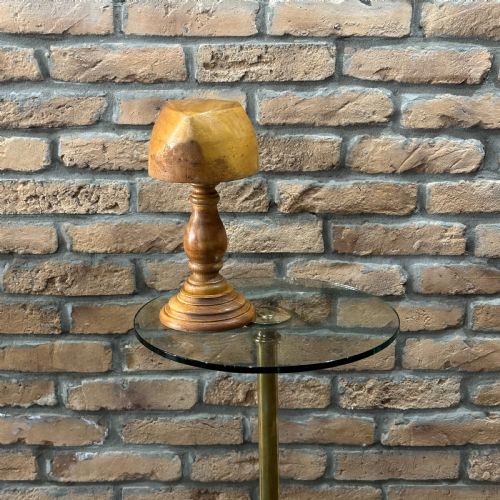

Vintage Milliners Equipment
Vintage milliners equipment comprises practical workshop pieces that shape headwear, prized by collectors for genuine industrial character.
Vintage Milliners Equipment
When you search for vintage milliners equipment, you are looking at functional workshop implements used historically to manufacture and maintain headwear. The selection on this page centres on utilitarian forms originating from the Victorian era up to the nineteen-twenties.
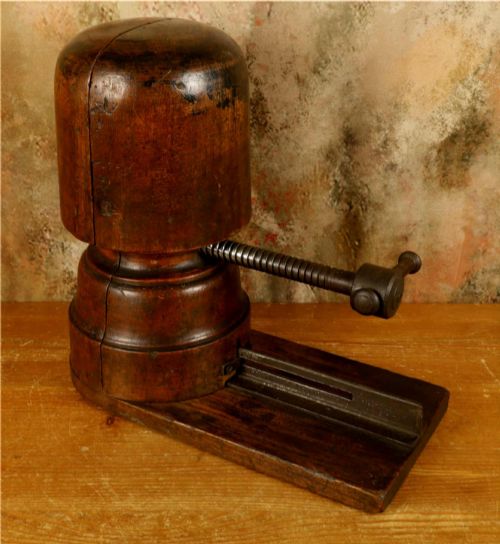
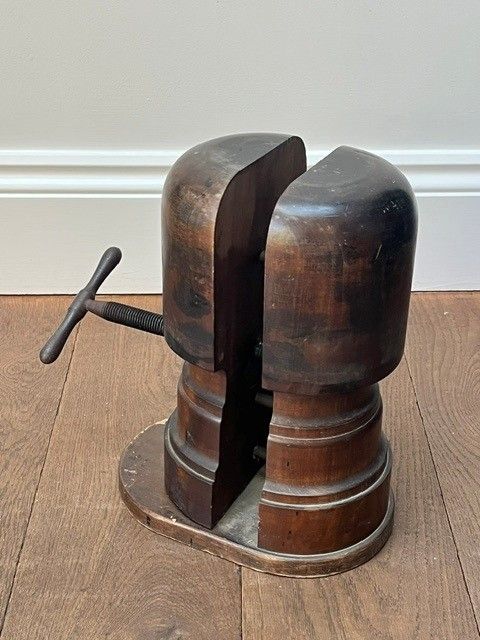
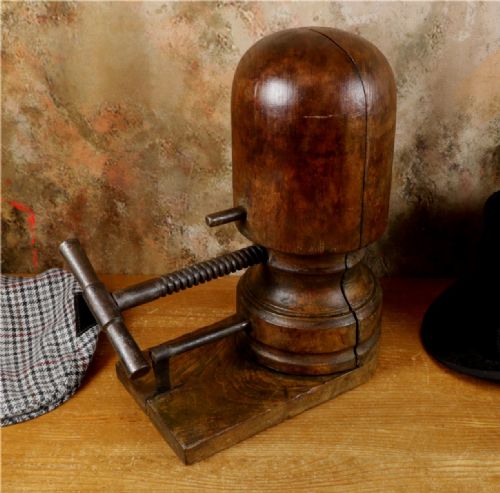
Buyers most frequently encounter robust wooden hat blocks, adjustable stretchers, and cast metal moulds designed for specific trades. These objects range from French nineteenth-century stretchers to solid beech blocks and industrial aluminium moulds.
Such items reflect the rigorous demands of historical hat making, where durability and precision dictated workshop design. They now serve as striking decorative objects or display stands within modern interiors.
How they were made
Maker's workshops utilised honest, hard-wearing materials chosen to withstand heavy daily pressure and moisture during the shaping process. Hardwood, solid beech, and carved timber formed the basis for many traditional blocks and sizers.
Metals such as cast iron, aluminium, and nickel appear frequently in mechanical components and specialised moulds, particularly in pieces from the nineteen-twenties. These durable elements ensured longevity in busy commercial environments.
Vintage Milliners Equipment Retail Price Guide 2026
Typical asking prices for vintage milliners equipment among the pieces listed under this phrase on Sellingantiques today, from the lower quarter to the upper quarter. They describe what is for sale here now, not the wider market.
Current listings feature materials spanning aluminium, hardwood, cast iron, and nickel across Victorian and 1920s eras.
What varies in quality
Quality in these workshop pieces rests primarily on the integrity of the material and the precision of the form. Solid timber examples with rich, untouched grain and minimal structural alteration sit firmly at the top of the range.
Mechanical components, such as those found on hat stretchers and rotary irons, operate smoothly when superior engineering is present. Pieces retaining their original industrial finish and clear maker details demonstrate greater authenticity.
The Vintage Milliners Equipment Glossary
- Hat block
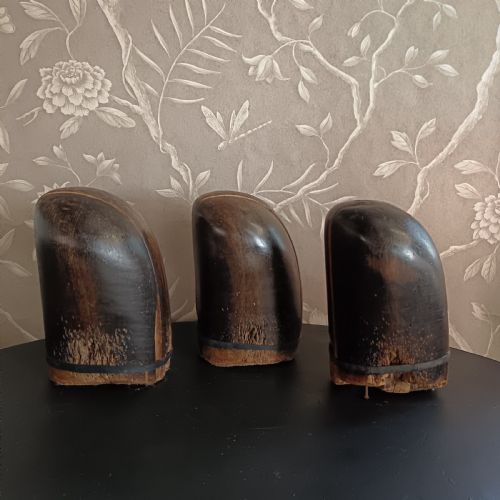
- A shaped form, usually of carved hardwood or solid beech, over which felt or straw is blocked to create the crown of a hat. These come in various sizes and military specifications.
- Hat stretcher
- An adjustable mechanical tool used to increase the circumference of a hat. These typically feature wooden segments expanded via a central screw mechanism.
- Millinery mould
- A metal form, often cast in aluminium, utilised for pressing and shaping specific hat designs. They represent the more industrial side of twentieth-century hat production.
- Rotary hat iron
- A specialised heated tool powered or steamed to press brims and crowns. Nickel and cast iron variants were standard in professional nineteenth-century workshops.
- Wig display stand
- A secondary modern use for historical hat blocks and stretchers. Collectors often repurpose these sturdy forms to exhibit vintage headwear.
Vintage Milliners Equipment: Frequently Asked Questions
What is vintage milliners equipment used for today?
These items serve primarily as decorative objects and display stands in homes and retail spaces. Their sculptural industrial forms make them popular for showcasing vintage hats and wigs.
Collectors also appreciate them as tangible examples of historical trades, preserving the craftsmanship of nineteenth and early twentieth-century workshops.
How do I date wooden hat blocks?
Dating relies on observing the timber species, construction methods, and any stamped markings left by the maker. Beech and carved hardwoods were common across Victorian and nineteen-twenty periods.
Industrial styles, French nineteenth-century origins, and patent marks help narrow the manufacturing era. Comparing the form to documented military or civilian hat styles also aids identification.
Are aluminium hat moulds genuine antiques?
Aluminium moulds appearing in nineteen-twenties contexts reflect the shift towards industrial metals in mid-century workshops. They were manufactured for mass production and precise shaping.
While distinct from earlier carved wooden blocks, these metal pieces form an authentic category of mid-period millinery apparatus.
How should I clean wooden hat blocks?
Maintenance should be minimal to preserve the original workshop patina, dry wax, and surface character. Gentle dusting with a soft cloth is usually sufficient for everyday care.
Avoid harsh liquid cleaners or aggressive scrubbing that might strip the historic finish or damage the aged timber.