


Vintage Indoor Plant Pot
These vintage indoor plant pot pieces bring domestic greenery to life through metalwork vessels and ceramic cachepots from the nineteenth and early twentieth centuries.
Vintage Indoor Plant Pot
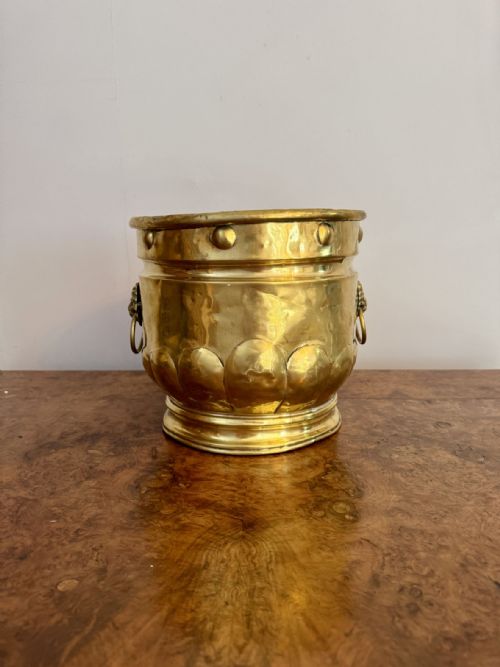
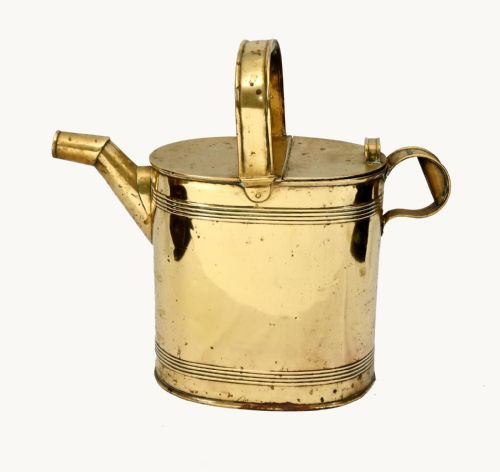
A vintage indoor plant pot encompasses jardinieres, planters, plant stands, cachepots, and watering cans designed to house or display interior foliage. Buyers searching for a vintage indoor plant pot frequently encounter metal vessels in brass and copper alongside ceramic and pottery examples.
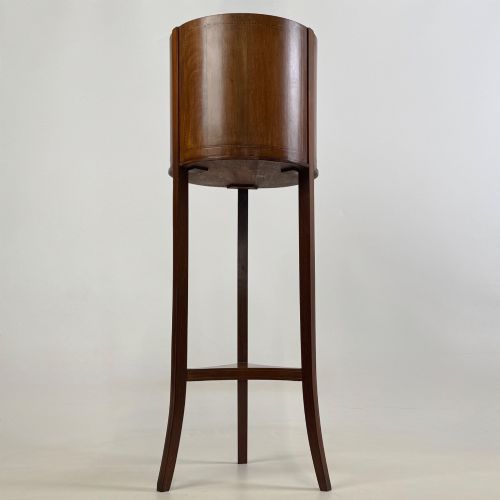
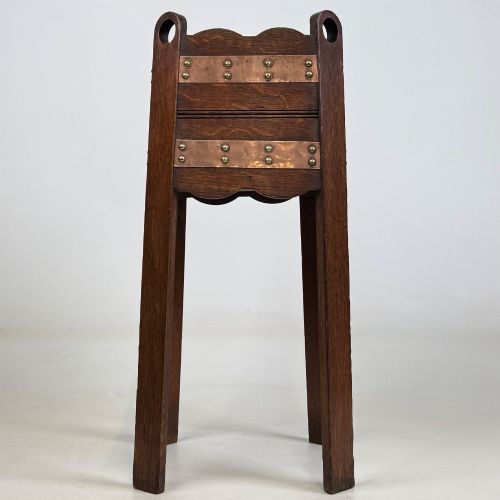
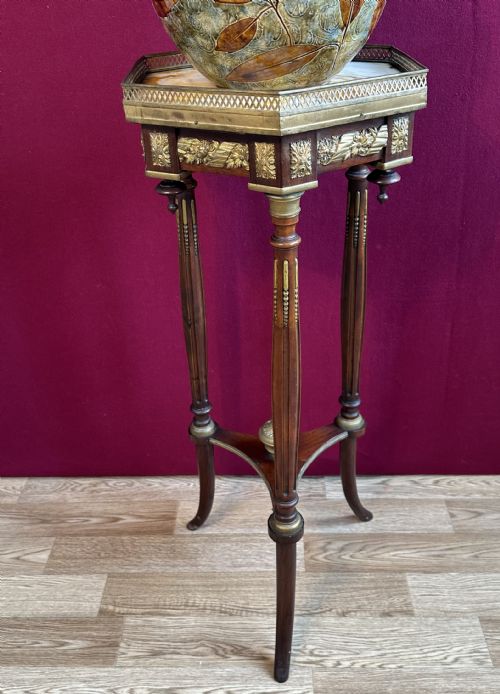
The pieces span the Victorian, Edwardian, Arts and Crafts, and Art Nouveau periods, reflecting shifts in interior domestic taste from the mid nineteenth century into the early twentieth century. Forms range from heavy handled vessels to tall plant stands in mahogany and oak.
Originating from British workshops and continental makers alike, these items served practical botanical duties in period drawing rooms and conservatories. Today they function as decorative containers for modern house plants while retaining their original period character.
How they were made
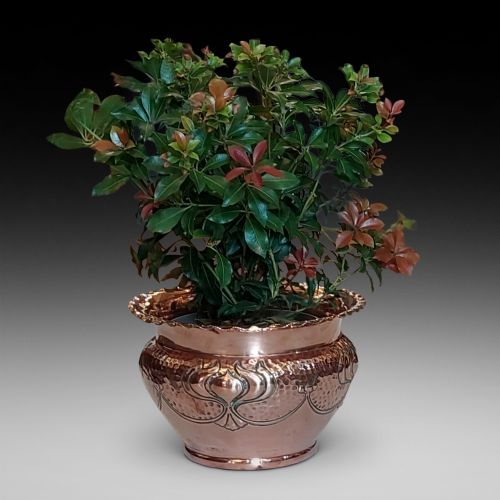
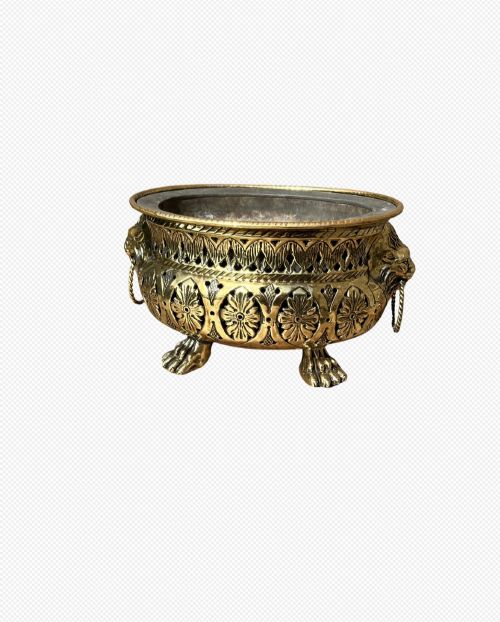
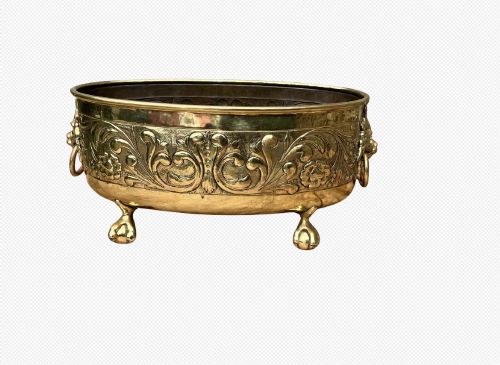
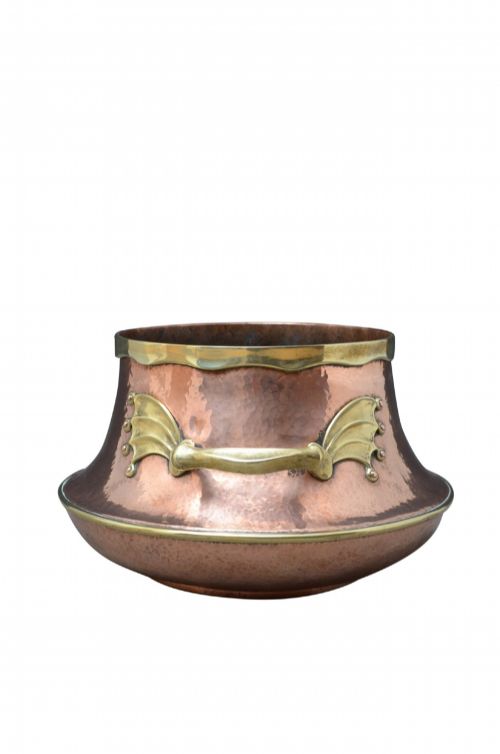
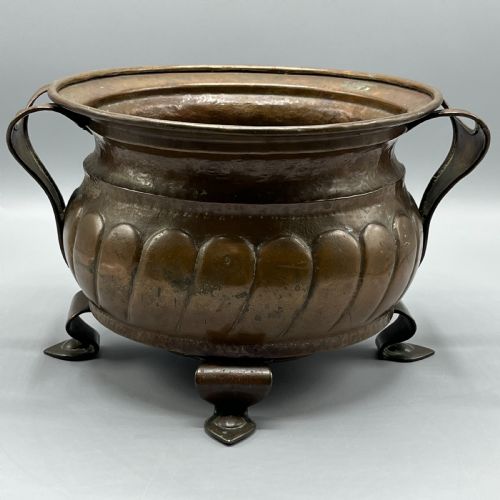
Metal vessels in brass and copper rely on techniques such as hand hammering, piercing, and embossing to create textured surfaces like those seen in Arts and Crafts and Art Nouveau designs. Makers also utilised coopered construction in oak and mahogany for barrel stands, binding the timber with brass hoops.
Ceramic examples employ earthenware and stoneware bodies finished with detailed glazes, often incorporating salt glazing or specific factory potteries such as Doulton Lambeth and Royal Worcester. Metal components like lion mask handles and silver plating are frequently integrated into the finished forms.
Listings feature brass, copper, oak, mahogany, earthenware, and stoneware spanning the Victorian and Edwardian eras.
What varies in quality
The calibre of a piece depends on the depth and crispness of the hand worked decoration, such as the relief in hammered copper or the precision of pierced brass work. Superior examples display thoughtful proportions and robust gauge metal that maintains its structural integrity without undue flex.
Ceramic and pottery versions separate themselves through the richness of the glaze and the clarity of the underlying body, especially in pieces bearing established pottery marks. Material choices such as solid mahogany or heavy gauge brass rather than plated substitutes elevate the standing of the object.
Doulton Lambeth·Enoch Wood & Sons·Royal Doulton·Royal Worcester
The Vintage Indoor Plant Pot Glossary
- Jardiniere
- An ornamental pot or stand for holding plants or flowers. These vessels form the majority of the metal and ceramic containers in this category.
- Cachepot
- An ornamental flowerpot case designed to conceal a plain inner pot. These items lack drainage holes in the base.
- Dinanderie
- The traditional craft of beaten and engraved brass, copper, or bronze objects. This technique defines many of the decorative planters.
- Coopered
- Made by assembling staves of wood held together with hoops, similar to barrel construction. Oak and mahogany stands often use this method.
- Salt glazed
- A ceramic finish achieved by throwing common salt into the kiln during the high temperature firing. This produces a characteristic textured surface on stoneware.
Vintage Indoor Plant Pot: Frequently Asked Questions
What is a jardiniere?
A jardiniere is a large decorative pot designed to hold growing plants or floral arrangements indoors.
They sit on tables, floors, or dedicated stands rather than hanging.
How were copper planters made?
Makers formed copper planters by hand hammering sheets of metal and joining the seams securely.
Decoration often included embossed motifs or pierced patterns characteristic of the period.
Can I use them for plants?
Many metal and ceramic vessels serve well to house potted indoor plants today.
Using a plastic liner inside metal pieces protects the historic interior from moisture damage.
How do I date these pieces?
Stylistic clues such as Art Nouveau curves or Arts and Crafts hand working help indicate the era.
Ceramic factory stamps and construction methods also provide clear dating evidence.