


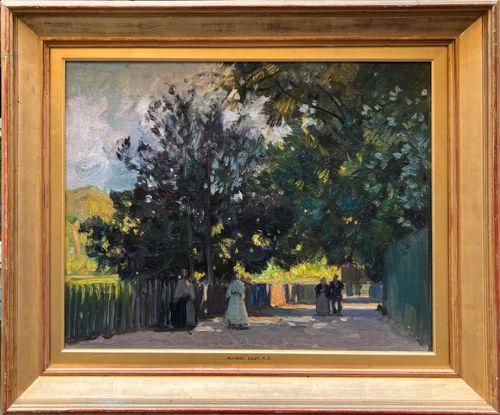
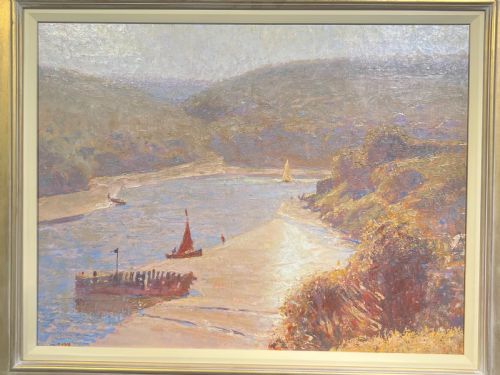
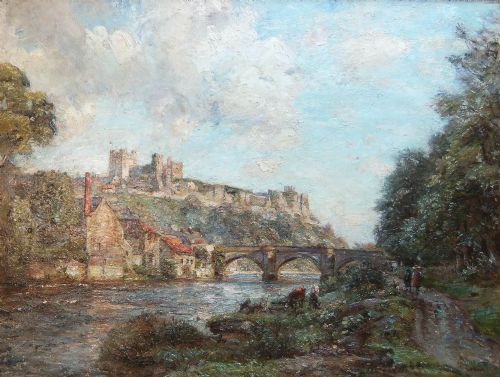

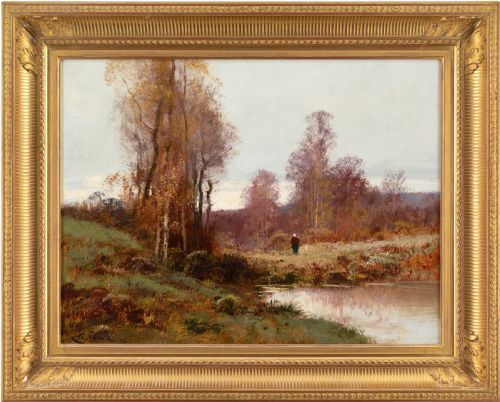


Vintage Impressionist River Landscape
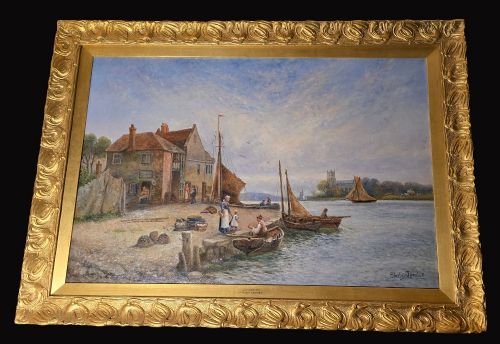
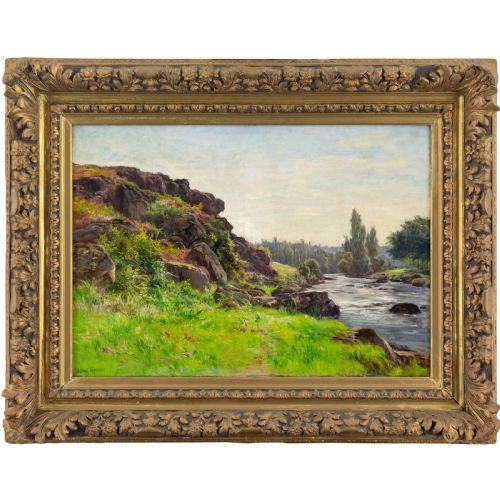
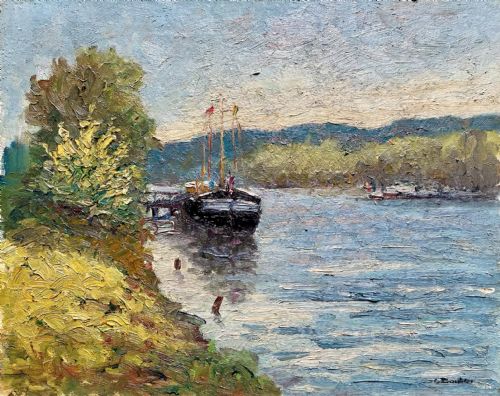
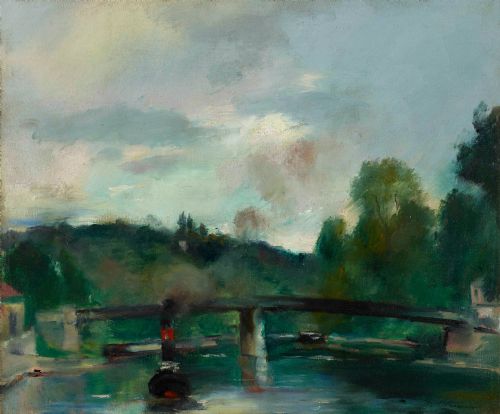
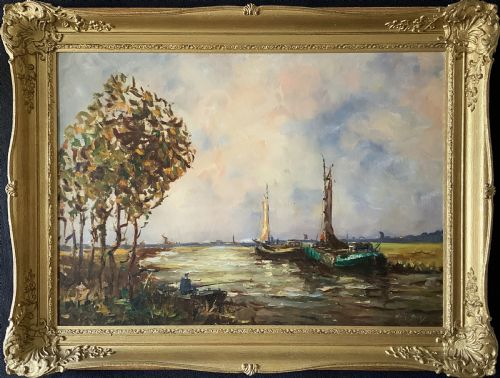
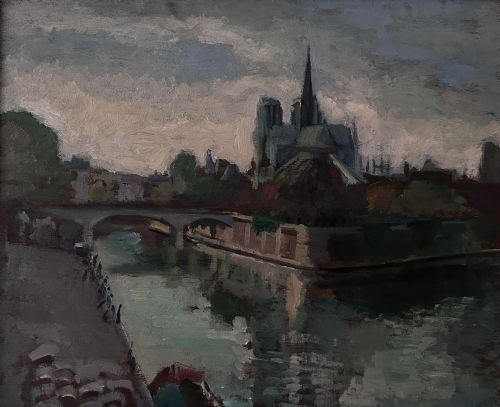
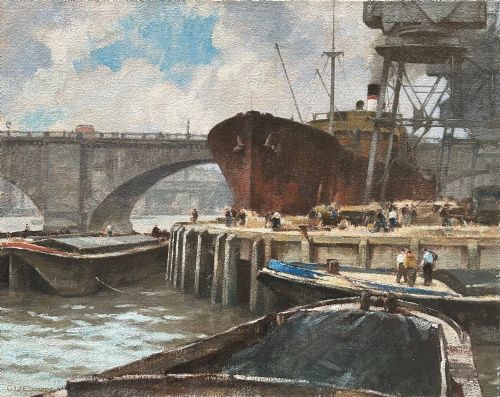
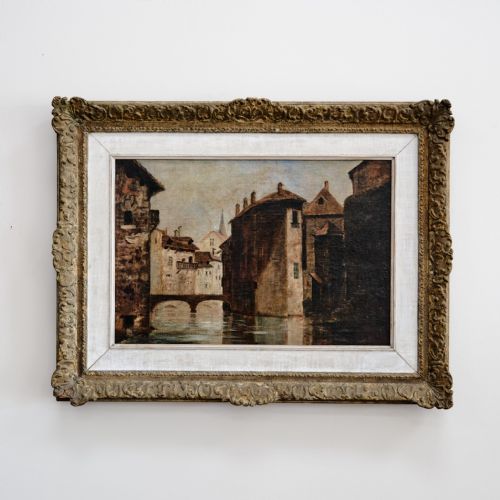
These vintage impressionist river landscape works capture fleeting light across water through loose brushwork, offering buyers a serene window into past European waterways.
Vintage Impressionist River Landscape
A vintage impressionist river landscape brings together pastoral waterways and the spirited brushwork characteristic of nineteenth and twentieth century painting. These works record bridges, barges, and quiet riverbanks painted from British, French, Dutch, and Scottish perspectives.
Most examples found here date from the nineteenth century through the mid-twentieth century, spanning periods such as the Belle Epoque and mid-century modernism. Canvases depict iconic locations like the Seine alongside unnamed canals and rural streams.
Buyers encounter oil paintings on canvas and wood panel predominantly, alongside occasional watercolours and pastels. The subjects range from bustling city bridges to secluded woodland rivers populated by fishermen or walkers.
How They Were Made
Artists built these scenes primarily using oil paint applied to stretched canvas or wooden panels, sometimes employing gesso to prepare the ground. Brushstrokes remain visible and expressive, capturing atmospheric effects rather than literal detail.
Framing often incorporates gilt moulding that complements the warmth of the pigments. Pigments were layered to create depth in water and sky, utilising the rapid application typical of plein air painting.
Vintage Impressionist River Landscape Retail Price Guide 2026
Typical asking prices for vintage impressionist river landscape among the pieces listed under this phrase on Sellingantiques today, from the lower quarter to the upper quarter. They describe what is for sale here now, not the wider market.
Listings feature works executed on both canvas and wood panel across the nineteenth and twentieth centuries.
What Varies in Quality
The strength of a painting lies in the confidence of the brushwork and the management of natural light across the water's surface. Superior examples demonstrate a distinct harmony of tone that unifies the riverbank and the sky.
Works by recognised artists command attention through distinctive handling of impasto and composition, whereas anonymous pieces rely more heavily on formulaic colour schemes.
George Graham·Willem Bos·Henri Ottmann·Herbert Royle·Archibald Kay·Charles Clair·Henri Jaques Delpy·Mario Pinetti·Ron Folland·Armand Guillaumin
The Vintage Impressionist River Landscape Glossary
- Impressionism
- A style of painting that focuses on the visual impression of a moment, especially regarding the shifting effect of light and colour. It rejects detailed academic finish in favour of visible brushstrokes.
- Impasto
- The process of applying paint thickly on a canvas so that it stands out from the surface. This technique adds tactile dimension to water or foliage.
- Gesso
- A primer mixture consisting of a binder mixed with chalk, pigment, or gypsum used to prepare a wooden panel or canvas for painting. It provides a smooth, stable ground for oil colours.
- Plein air
- The act of painting outdoors to capture the direct effects of light upon landscape subjects. Painters working in this method completed their canvases in the open air.
- Gilt
- Covered thinly with gold leaf or gold paint, frequently seen on traditional picture frames. This finish enhances the luminous quality of the artwork.
Vintage Impressionist River Landscape: Frequently Asked Questions
What periods do these river paintings span?
The listings span from the nineteenth century through the mid-twentieth century, capturing various regional interpretations of impressionism.
Key decades represented include the 1910s, 1920s, and 1950s, reflecting both British and continental European schools.
How should I care for an oil painting on canvas?
Keep the artwork away from direct sunlight and fluctuating humidity to protect the canvas and oil pigments from degradation.
Dust the surface gently with a soft, dry brush and avoid using liquid cleaners on either the paint or the gilt frame.
Where were these landscape scenes typically painted?
Artists painted scenes along notable European waterways, including the River Seine in France, Dutch canals, and British rivers.
Many works capture specific rural paths, bridges, and industrial waterways from life.
How do I distinguish between different regional schools?
French and Dutch works often emphasise luminous atmospheric light and urban river life, while British and Scottish pieces frequently explore pastoral woodland streams.
Brushwork density and palette choices also help indicate whether a piece belongs to the 19th Century French School or British Impressionism.