


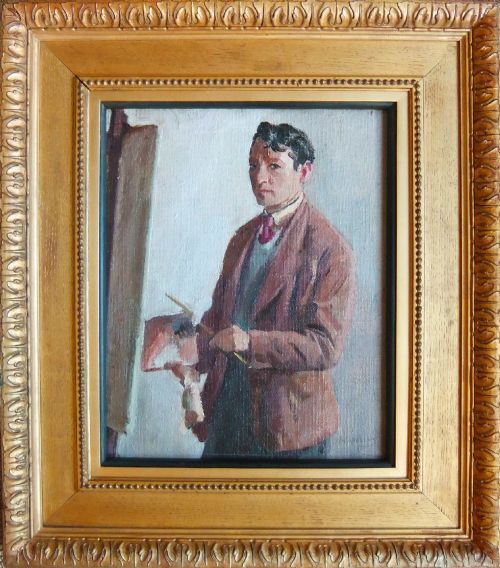


Figurative Impressionist Fine Art
Figurative impressionist fine art captures human presence through loose brushwork and vibrant light, offering a window into domestic scenes and portraiture.
Figurative Impressionist Fine Art
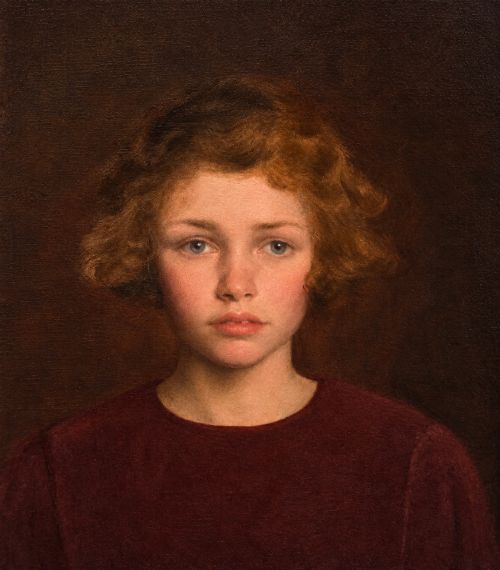
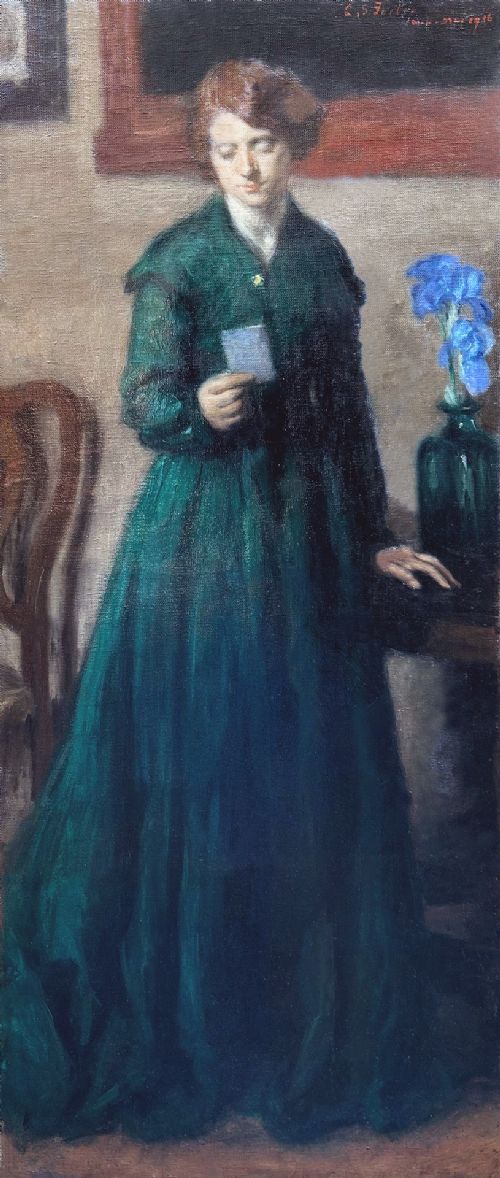
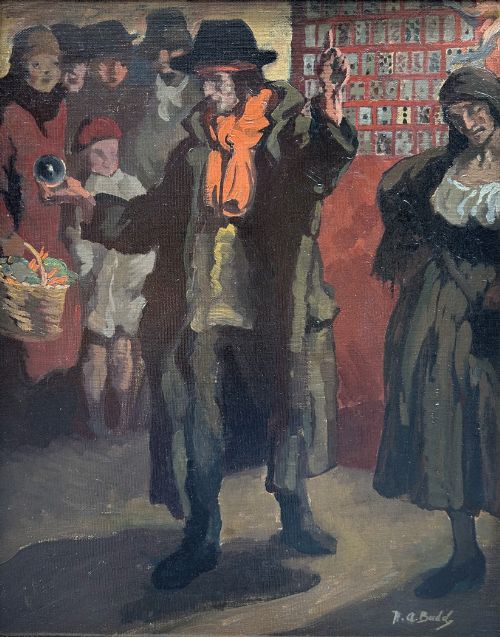
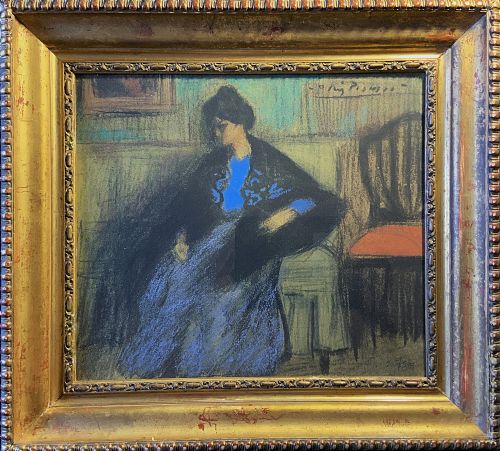
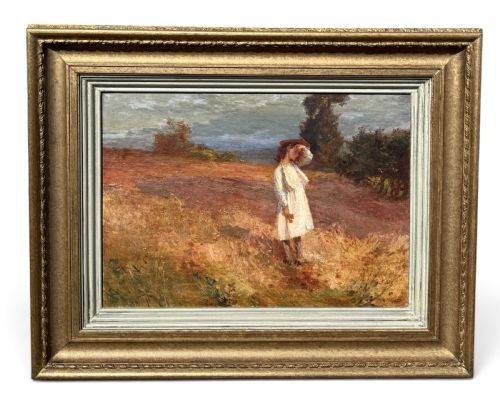
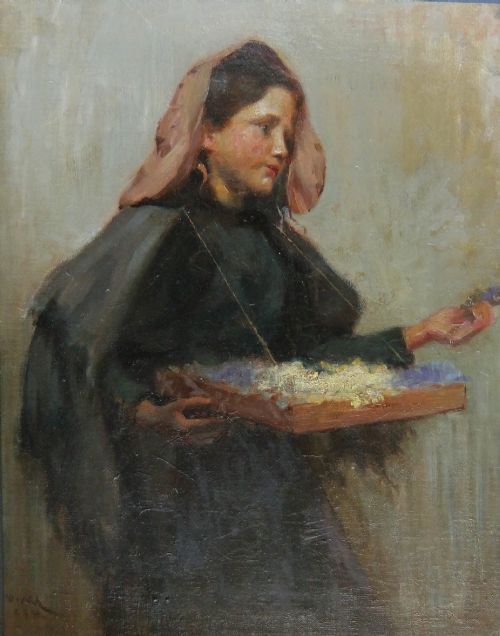
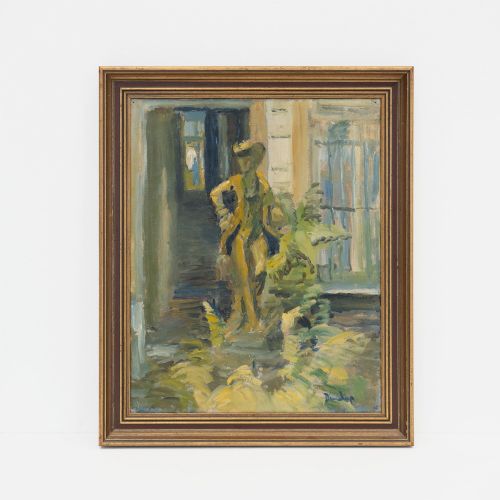
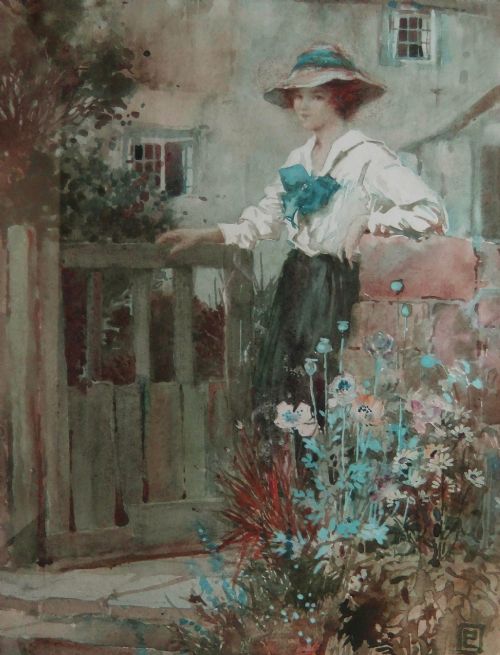
Figurative impressionist fine art centres on human subjects rendered through the expressive techniques of the nineteenth and twentieth centuries. The works appearing here span from the late nineteenth century through to the mid-twentieth century, capturing domestic moments, bathers, and portraits.
Oil paintings on canvas dominate the selection, alongside watercolours and works on paper framed in wood and gilt. British and French schools provide the core of the inventory, supplemented by Belgian and Italian hands.
The subjects range from intimate domestic interiors and garden scenes to classical nudes and portraiture. Buyers encounter both named artists from British and continental traditions and anonymous British school pieces from the period.
What varies in quality
The strength of the composition and the confidence of the brushwork dictate the standing of an individual work. Superior examples demonstrate a secure grasp of light and tone that brings vitality to the human subject without relying on rigid academic detail.
The harmony between the canvas and its original or period frame contributes significantly to the integrity of the piece. Handling of pigment density and the preservation of the painted surface mark the distinction between competent studio output and masterwork execution.
Figurative Impressionist Fine Art Retail Price Guide 2026
Typical asking prices for figurative impressionist fine art among the pieces listed under this phrase on Sellingantiques today, from the lower quarter to the upper quarter. They describe what is for sale here now, not the wider market.
The listings feature works executed in oil paint, watercolour, and lithograph on canvas, wood, paper, and gilt wood.
Herbert Ashwin Budd·Charles Stuart Forbes·Pablo Picasso·Percy Lancaster·Philip Naviasky·William Watt Milne·Ronald Ossory Dunlop·Raymond Moritz·Henri Vincent-Anglade·Frans Gailliard·Harry Freckleton·Gabriel Dauchot·Kershaw Schofield·Emil John Hess·Jean Hippolyte Marchand·Sonia Mervyn·Owen Bowen
The Figurative Impressionist Fine Art Glossary
- Impressionism
- A nineteenth-century movement characterised by relatively small, thin, yet visible brush strokes and an emphasis on accurate depiction of light. This approach prioritises the immediate visual impression of a scene.
- Fauvism
- A style of the early twentieth century featuring strong colours and bold brushwork over representational values. Works in this manner emphasise painterly qualities and subjective colour choices.
- Luminism
- An American and European landscape style focusing on effects of light in landscapes and figurative works. It uses soft atmospheric tones to unify the composition.
- Pochoir
- A stencil-based printing technique used to produce hand-coloured graphic art and limited edition prints. This method yields sharp lines and vibrant, saturated colours.
- Provenance
- The chronology of the ownership of a work of art, used as a guide to authenticity and history. Documented lineage adds authority to a painting.
Figurative Impressionist Fine Art: Frequently Asked Questions
What periods do these artworks cover?
The selections span from the late nineteenth century through to the nineteen-fifties, encompassing the height of impressionist and modern developments in painting.
Most pieces cluster around the early decades of the twentieth century, reflecting modernist and impressionist shifts across Britain and continental Europe.
How should I care for oil paintings on canvas?
Keep paintings away from direct sunlight and fluctuating humidity to prevent the canvas and oil pigments from degrading over time. Dust the surface gently with a soft, dry brush without applying pressure to the paint layers.
Avoid using liquid cleaners on the painted surface and consult a professional conservator if the canvas requires cleaning or tension adjustment.
Are these works framed?
Many listings include period frames, such as gilt wood mouldings that complement the age and style of the painting. Framing details are noted in the individual descriptions where applicable.
Buyers should examine the provided descriptions to confirm whether a specific piece is housed in a period frame or sold unmounted.
What is the difference between oil paint and watercolour on paper?
Oil paint uses pigments suspended in a drying oil, allowing for thick impasto applications and rich, reworkable surface textures on canvas or wood. Watercolour employs water-soluble pigments on paper, producing translucent effects and lighter washes.
Oils offer greater durability and surface depth, whereas watercolours require protective glazing behind glass to prevent environmental damage.