


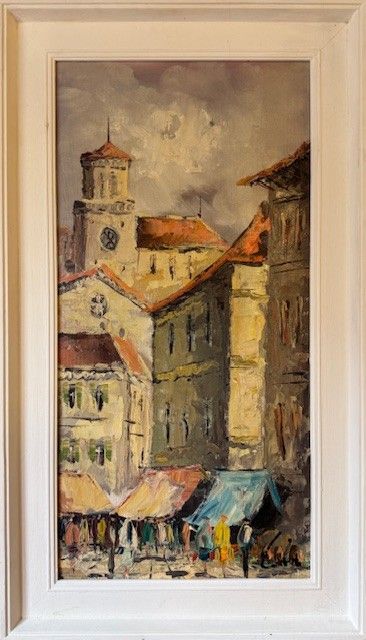


Vintage Impressionist Cityscape Painting
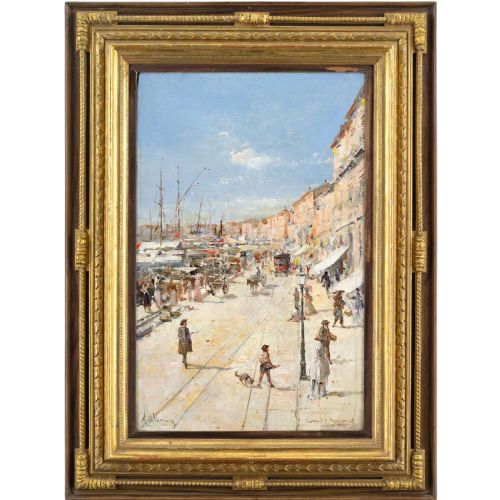
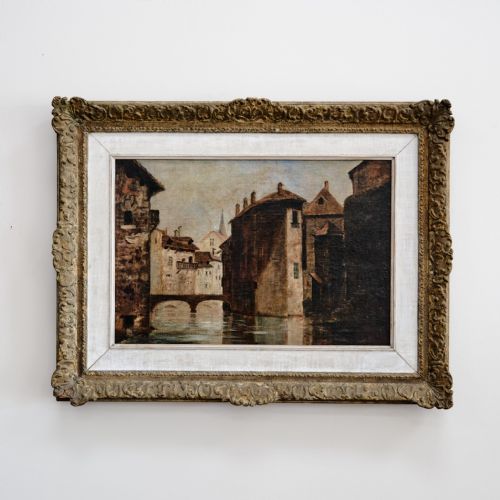
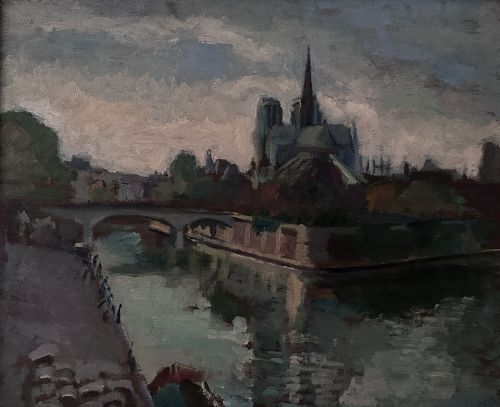
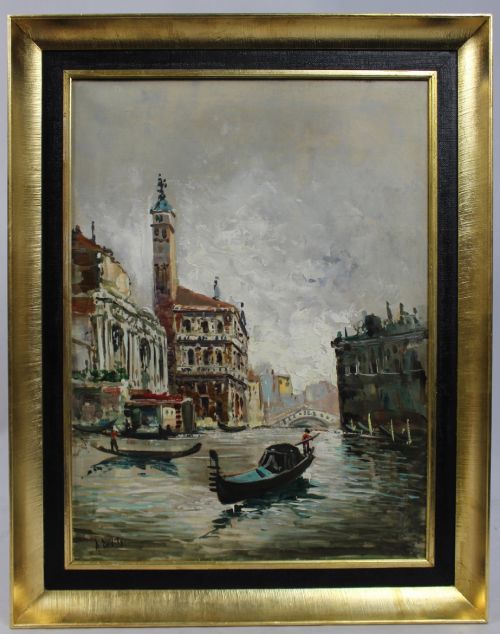
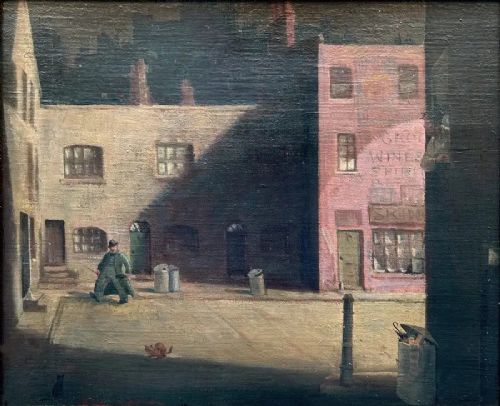
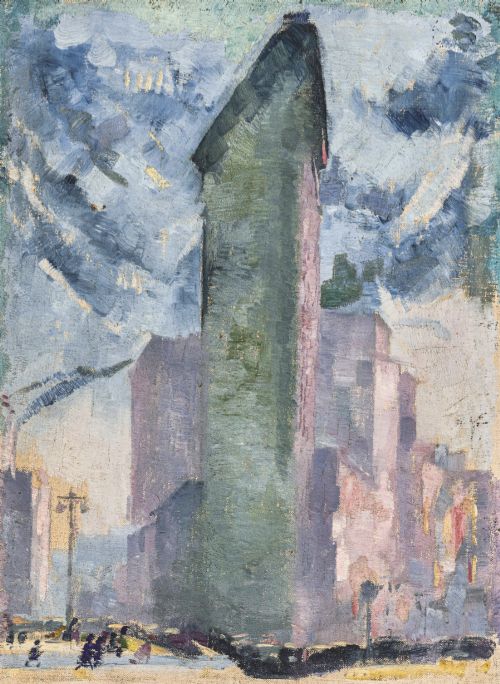
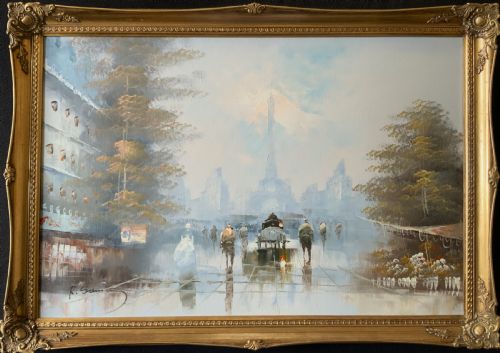
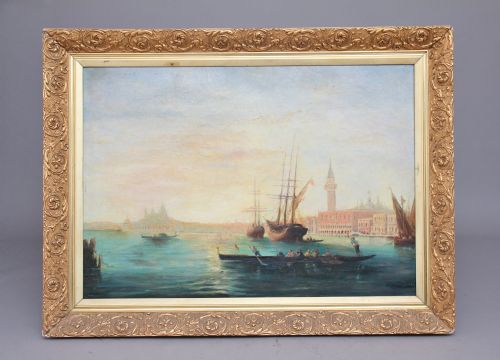
These vintage impressionist cityscape painting examples capture bustling streets and historic waterways, offering buyers a textured window into past European urban life.
Vintage Impressionist Cityscape Painting
When you search for a vintage impressionist cityscape painting, you encounter works spanning the nineteenth century through the mid-twentieth century, with a strong representation from the nineteen-fifties and nineteen-sixties. These pieces typically depict urban landmarks, river scenes, and market squares in locations such as Paris, Venice, and London. Canvases and boards dominate the selection, often housed in period frames.
The aesthetic leans towards Post-Impressionism, French Impressionism, and mid-century interpretations of urban subjects. You will frequently find views featuring bridges, cathedrals, and bustling boulevards captured with loose brushwork. The origins span French, Italian, and British artists working across various decades of the modern era.
Most examples present recognisable European cityscapes rendered in oil or watercolour. The handling varies from tight Edwardian watercolours to looser mid-century applications of pigment on canvas. Buyers searching this category seek both named artists and competent contemporary hands working within established continental traditions.
Materials and construction
Artists painted primarily in oil on canvas or board, utilising oil paint applied with visible brushstrokes to capture light and atmosphere. Watercolour on paper appears frequently in earlier works, particularly from British and Italian hands. Giltwood and gesso frames often enclose the canvases, complementing the painted surface.
The physical support ranges from stretched canvas to wooden board and heavy paper. Pigments are worked thickly in impasto sections or laid down in translucent washes depending on the specific period and style. Protective gesso and wooden mouldings finish the presentation of the framed works.
Several artists recorded winter days when Parisian rooftops and Venetian canals disappeared beneath sudden seasonal snowstorms.
Distinguishing quality across the range
The hierarchy of quality rests primarily on the confidence of the brushwork and the clarity of the composition. Stronger works demonstrate a deliberate handling of light and shadow that defines the atmosphere of the urban street or lagoon. Weaker examples rely on formulaic repetition without engaging the specific character of the site.
Surface preservation and framing integrity also influence the standing of a piece. Original giltwood frames that suit the period enhance the presentation, whereas unsympathetic later reframing alters the visual balance. The vitality of the pigment layer dictates the overall visual impact.
Augusto Alberici·Antonio DeVity·Francisco Sancha·Alfred Wolmark·Caroline Burnett·Paul-Jean Anderbouhr·Victor Gabriel Gilbert·Fred Lawson·Merio Ameglio·Claude Jousset·Eduard Leon Cortes·Vittore Zanetti Zilla·Job de Vogel·Pauline Boumphrey·Emanuele Cappello·Rowland Henry Hill
The Vintage Impressionist Cityscape Painting Glossary
- Impasto
- Paint applied thickly to a canvas or board, standing out in relief from the surface. This technique allows the artist to build texture and catch physical light across the cityscape.
- Giltwood
- Wood carved and covered with a thin layer of gold leaf or metal powder. It provides a reflective decorative border for traditional oil paintings.
- Gesso
- A paint mixture consisting of a binder mixed with chalk, gypsum, or pigment. It prepares wooden panels or canvas surfaces to receive oil paint.
- Post-Impressionism
- An artistic movement extending the limitations of impressionism while retaining its use of vivid colours and distinct brushstrokes. It encompasses varied approaches to structure and form in urban subjects.
- Watercolour
- Paint consisting of colour suspended in a water-based solution. It is traditionally applied to paper supports to achieve translucent washes of tone.
Vintage Impressionist Cityscape Painting: Frequently Asked Questions
What defines a cityscape painting?
A cityscape painting portrays physical aspects of a city, including streets, buildings, bridges, and waterways. Artists capture these urban environments to record the architectural character and daily activity of specific locations.
These works range from tight topographical views to loose impressionistic interpretations focusing on light and atmosphere. They serve as historical records of urban development across Europe.
How do I identify French impressionism?
French impressionist works typically feature visible brushstrokes, bright palettes, and an emphasis on the shifting effects of light. Subject matter often centres on public spaces, boulevards, and river scenes.
Artists working in this tradition prioritised immediate visual impressions over precise academic detail. The style evolved through various regional interpretations throughout the nineteenth and twentieth centuries.
Why are Venetian scenes popular?
Venetian scenes offer a combination of historic architecture and reflective water surfaces that suit impressionist techniques. Painters utilised the unique light of the lagoon to create atmospheric compositions of canals and gondolas.
These subjects allowed artists to explore colour relationships across water and stone facades. They remain sought after for their romantic depiction of Italian urban geography.
How should I care for oil paintings?
Oil paintings on canvas or board require stable environmental conditions away from direct sunlight and excessive humidity. Regular dusting with a soft, dry brush maintains the surface.
Avoid using liquid cleaners or abrasive cloths on the paint layer or frame. Professional conservation ensures the longevity of both the canvas support and the original framing.