



Vintage Impasto Art
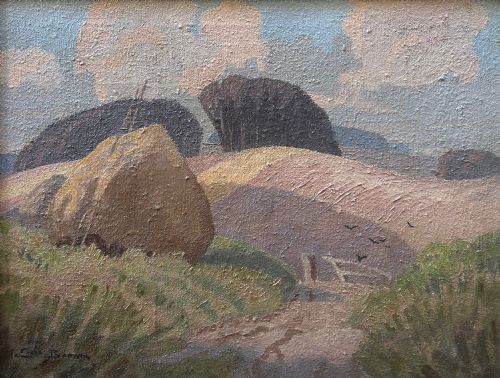
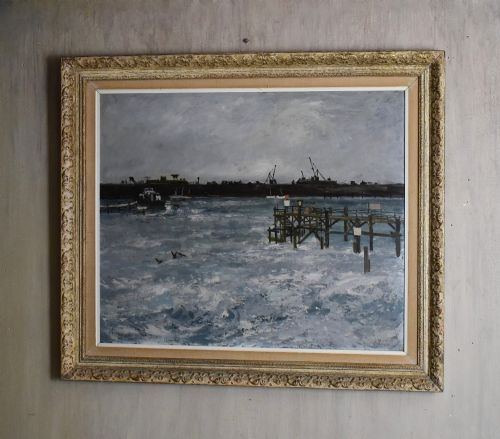
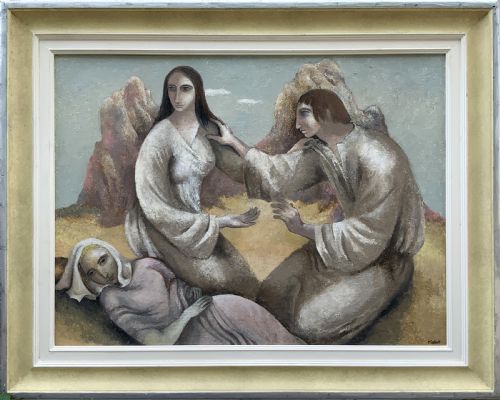
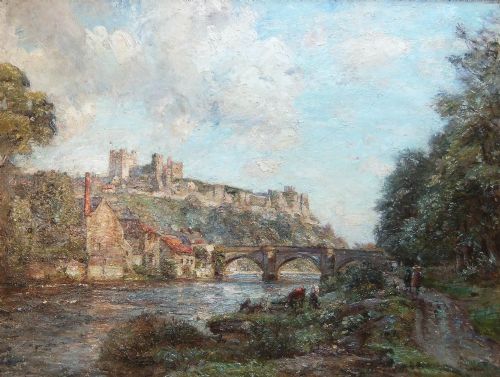
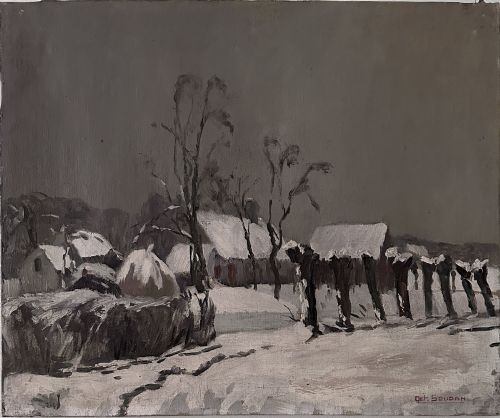
Vintage impasto art brings tactile weight to canvas and board, capturing light and movement through thick, deliberate applications of pigment.
Vintage Impasto Art
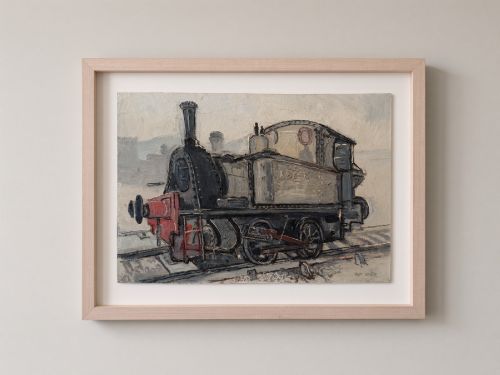
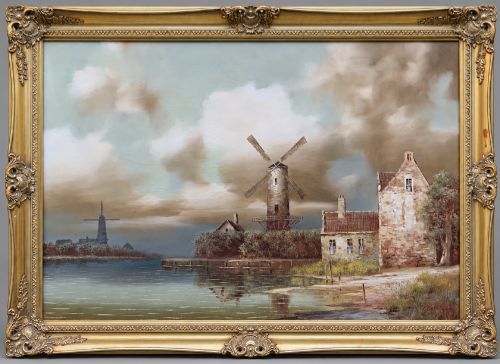
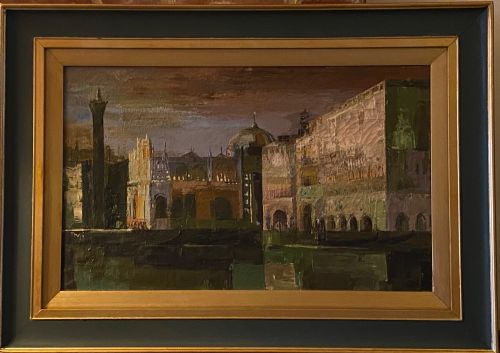
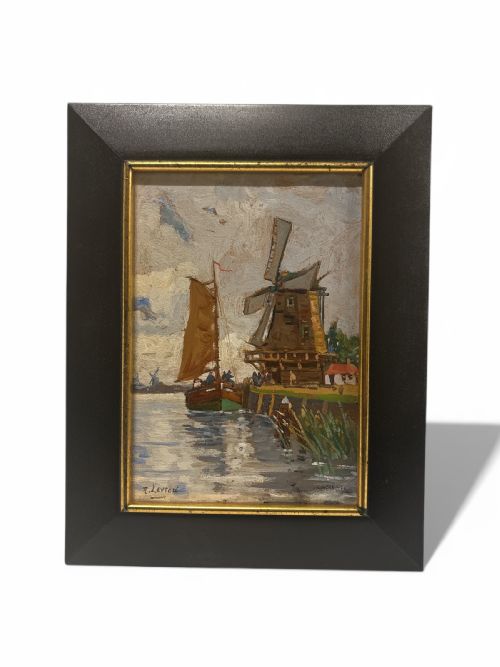
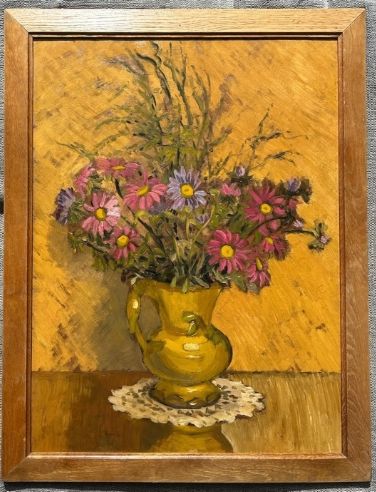
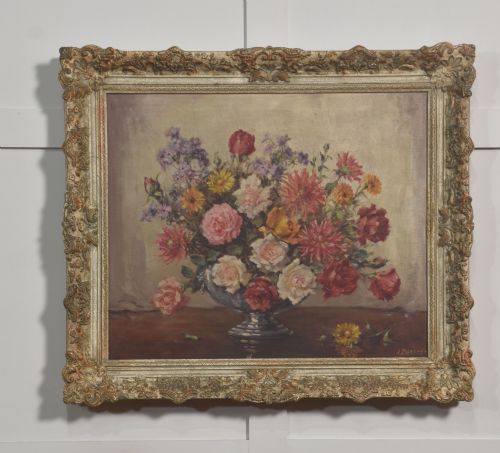
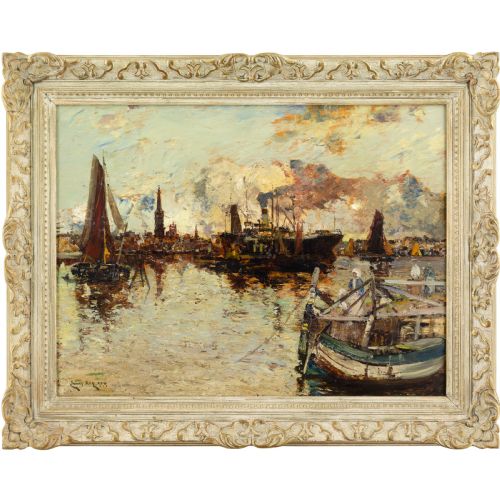
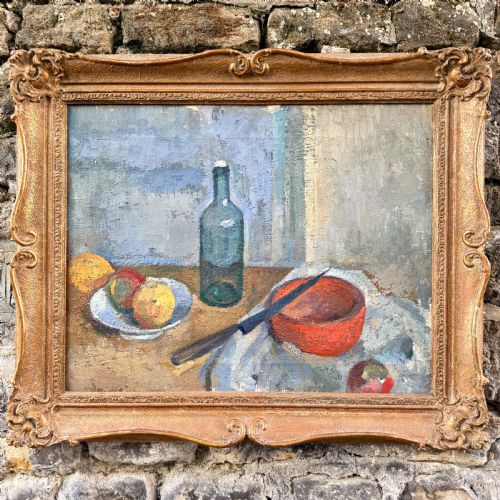
When you search for vintage impasto art, you encounter oil paintings where pigment is laid onto canvas or board with considerable thickness, creating a raised, three-dimensional surface. These works capture scenes ranging from maritime landscapes and townscapes to still-lifes, portraits, and abstract cityscapes produced across the nineteenth and twentieth centuries.
The versions you are most likely to meet on this page originate from the mid-century decades, particularly the nineteen-fifties and nineteen-sixties, alongside earlier modernist and impressionist iterations. Painters utilise this technique to emphasise gesture, atmosphere, and light, whether depicting a French market square, a northern industrial townscape, or a quiet river bend.
Materials and technique
Artists create these works primarily using oil paint applied thickly onto canvas, wood, or rigid board supports, sometimes housed within gilt wood frames. The physical body of the paint is manipulated using brushes or palette knives to leave visible ridges and peaks that catch the ambient light in the room.
The support material dictates the stability of the heavier paint layers, with canvas offering tension and board providing a rigid foundation for vigorous, heavily textured applications. This combination of slow-drying oil medium and robust support allows the artist to build depth gradually across the surface of the composition.
Several artists captured bustling French market squares and quiet canal boats, proving that thick paint holds the salt air remarkably well.
Assessing quality and execution
The distinction between ordinary and exceptional pieces lies in the purposeful control of the heavy pigment and the structural coherence of the composition. Masterful application uses thick paint not merely for surface texture, but to define form, perspective, and light with absolute clarity.
Consider the relationship between the weight of the paint and the underlying drawing; the most successful examples maintain structural integrity beneath the thickest passages. The harmony of the palette and the decisiveness of the brushwork or knife marks separate routine decorative works from compelling artistic statements.
Fred Yates·Sushila Singh·Kenneth Cozens·James Kay·Peter Brannan·Eric Brown·Herbert Royle·Lilian Colbourn·Ronald Ossory Dunlop·Elisabeth Bardon·Helen Layfield Bradley·Jean-Baptiste Olive·Raymond Picque·James Fry·Gaetan Dumas·Gabriel Dauchot·Cecil Rochfort D'Oyly-John·Mercedes Legrand·Baruch Shalom Oskotsky·Caroline Burnett
The Vintage Impasto Art Glossary
- Impasto
- A technique where oil paint is laid on an area of the surface very thickly, usually thick enough that the brush or painting-knife strokes are visible. Paint can also be mixed right on the canvas.
- Board
- A rigid flat piece of wood or composite material used as a support for oil paintings instead of stretched canvas.
- Post-Impressionism
- A predominantly French art movement that developed from about eighteen-eighty-six to nineteen-fourteen, extending impressionism while rejecting its limitations. Artists eschewed fidelity to the visual representation of light in favour of more symbolic and expressive content.
- Gilt Wood
- Wood that has been treated with a thin layer of gold leaf or gilt powder, commonly found on traditional frames enclosing these paintings.
Vintage Impasto Art: Frequently Asked Questions
How do I hang heavy impasto paintings?
These works carry considerable physical weight due to the thick layers of oil paint and wooden supports. Ensure your wall fixings are secured directly into studs or use appropriate heavy-duty wall anchors.
Position the painting at eye level where natural or directional lighting can rake across the textured surface, casting subtle shadows that bring out the depth of the pigment.
How do I distinguish board from canvas?
Turn the piece around to examine the reverse support structure. Canvas yields slightly to gentle pressure and is stretched over a wooden frame, whereas board provides a completely rigid, unyielding surface.
Boards often show age-related toning or maker stamps on the back, while canvases display the weave of the fabric and corner keys inside the stretcher bars.
What defines mid-century impasto art?
Mid-century works from the nineteen-fifties and sixties often feature simplified forms, expressive palettes, and vigorous application methods influenced by modernism. Artists prioritized emotional resonance and atmospheric capture over strict academic realism.
These pieces frequently depict urban street scenes, coastal harbours, and abstracted landscapes rendered with confident, heavy knife work.