

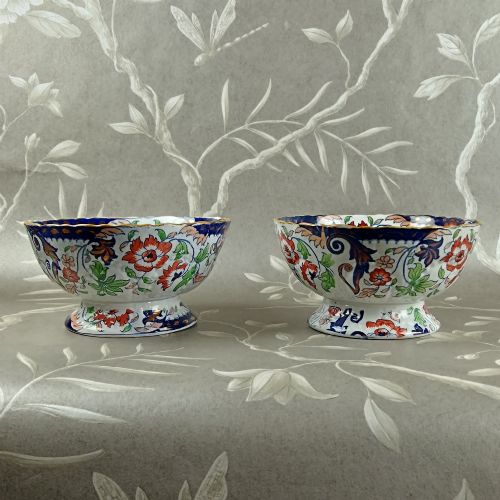
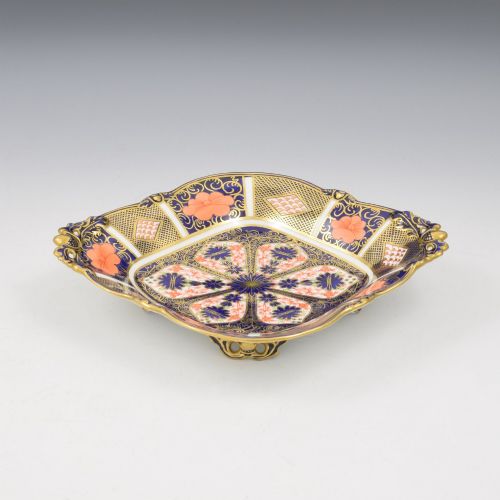
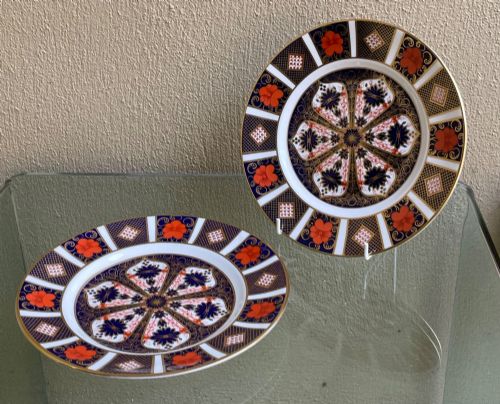
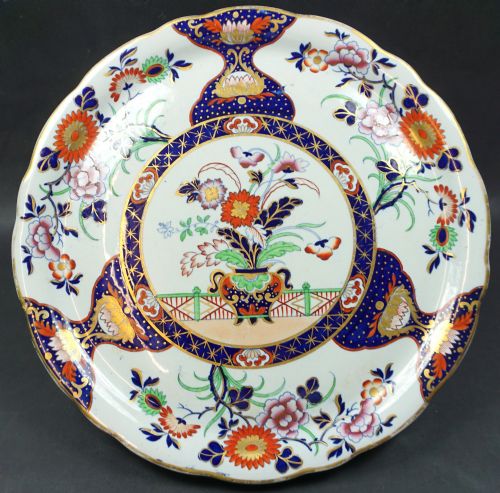


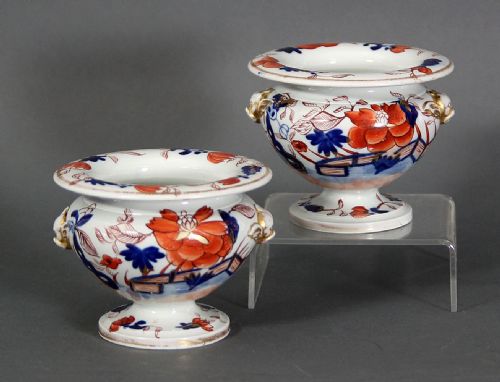


Vintage Imari Pattern Dishes
Vintage imari pattern dishes bring rich cobalt blue, iron red and gold leaf into rooms that need depth and pattern.
Vintage Imari Pattern Dishes
When you search for vintage imari pattern dishes, you encounter a mix of Japanese imports and English interpretations from various eras.
The selections span plates, serving dishes, tureens and bowls produced across the nineteenth and twentieth centuries.
Japanese examples present traditional motifs, whilst English factories adapt the palette onto bone china, ironstone and porcelain.
Materials and methods of manufacture
Potters shape these vessels from ceramic, porcelain, bone china or ironstone before applying underglaze blue and overglaze iron red pigments.
Artisans enhance the painted surfaces with generous applications of gold leaf and enamel to catch the light.
Fired at high temperatures, these materials create durable serving platters, soup tureens and decorative plates designed for practical use.
Vintage Imari Pattern Dishes Retail Price Guide 2026
Typical asking prices for vintage imari pattern dishes among the pieces listed under this phrase on Sellingantiques today, from the lower quarter to the upper quarter. They describe what is for sale here now, not the wider market.
The listings feature pieces spanning the nineteenth and twentieth centuries, utilising porcelain, ironstone, bone china, enamel and gold leaf.
Assessing the grade and execution
Finer examples display crisp underglaze cobalt lines combined with dense, accurately placed enamel and gold leaf details.
The weight and substance of the ceramic body distinguish robust ironstone pieces from delicate porcelain bowls and plates.
The precision of the painted pattern and the richness of the gilding separate standard production wares from superior items.
Royal Crown Derby·Hicks and Meigh·Mason
The Vintage Imari Pattern Dishes Glossary
- Imari
- A style of ceramic decoration originating in Japan, characterised by a palette of cobalt blue, iron red and gold.
- Ironstone
- A durable type of heavy earthenware patented in England to rival porcelain, often used for tureens and large plates.
- Ashet
- A Scottish term for a large serving platter or dish used at the table.
- Tureen
- A deep covered vessel used for serving soup, sauce or vegetables at formal meals.
- Enamel
- Opaque vitreous material fused to the ceramic surface during decoration to add vibrant colours.
Vintage Imari Pattern Dishes: Frequently Asked Questions
How do I clean imari dishes?
Wash these pieces gently by hand using warm water and mild soap to protect the delicate gold leaf and enamel decorations.
Avoid soaking them for extended periods or placing them in modern dishwashers, which can dull the surface glaze over time.
Can I use these for dining?
Sturdy ironstone and porcelain versions function well for serving meals, though older decorated pieces often suit display better.
Check each item for surface wear to determine whether it is best reserved for decorative use on walls and dressers.
How do I tell Japanese from English pieces?
Japanese originals usually feature lighter porcelain bodies and traditional local motifs painted with freehand fluidity.
English interpretations often employ heavier ironstone or bone china fabrics marked with factory names or registry stamps.
What is an ashet?
An ashet is a large serving platter traditionally positioned at the centre of the table for sharing joints of meat.
These wide ceramic trays provide a stable surface and ample space for rich patterns to display fully.