




Japanese Porcelain Wall Decor
These japanese porcelain wall decor pieces bring striking colour and pattern to a room, connecting nineteenth-century craftsmanship directly to modern interiors.
Japanese Porcelain Wall Decor
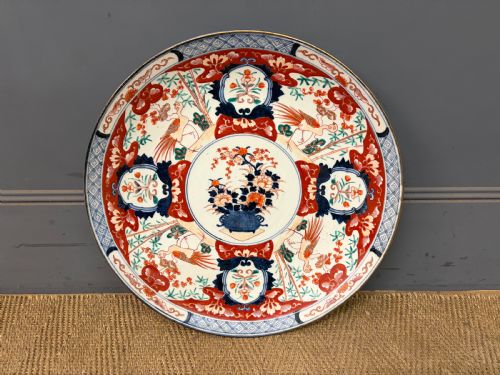
When you search for japanese porcelain wall decor, you find chargers, decorative plates, and dishes originating from the nineteenth and early twentieth centuries. These items range from single cabinet plates to large chargers designed to be hung or displayed on stands.
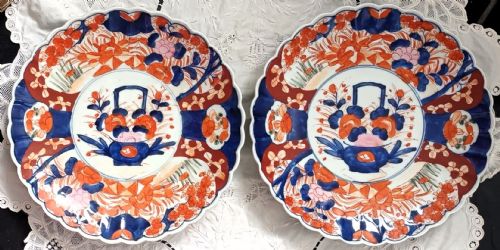
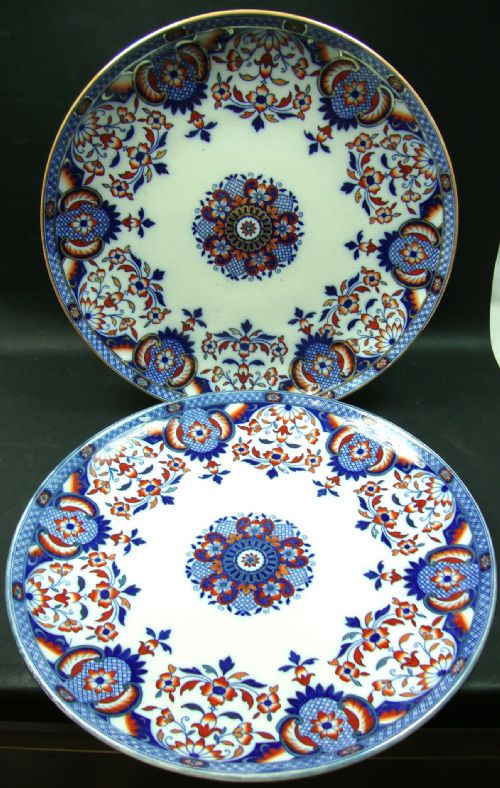
The selections on this page lean heavily towards Imari wares, alongside Victorian Aesthetic Movement interpretations and specific techniques such as Totai with cinnabar lacquer. Forms vary from traditional round chargers to shell-shaped plates.
Originating largely from the Meiji period and surrounding decades, these works showcase distinct oriental motifs including exotic birds and the Ho-o bird or phoenix. Buyers frequently encounter pairs or grouped collections of plates suitable for wall mounting.
How they were made
The makers utilised glazed ceramic and porcelain bodies as the foundation for intricate surface decoration. Firing techniques established durable bases capable of supporting heavy surface ornamentation.
Artisans applied vibrant enamel colours, gold trim, and gilt highlights over the glaze to create rich visual depth. Some exceptional examples incorporate unusual materials such as cinnabar lacquer and mother of pearl elements upon the porcelain surface.
Japanese Porcelain Wall Decor Retail Price Guide 2026
Typical asking prices for japanese porcelain wall decor among the pieces listed under this phrase on Sellingantiques today, from the lower quarter to the upper quarter. They describe what is for sale here now, not the wider market.
Listings feature items spanning from 1880 through the 1920s, dominated by Meiji period Imari plates and large ceramic chargers.
What varies in quality
Quality rests upon the precision of the hand-painted enamel work and the richness of the gilding. Superior examples display crisp definition in motifs like exotic birds and complex Imari patterns without blurring.
The physical scale and structural ambition of the piece influence its standing. Large chargers and items featuring specialised techniques like Totai separation represent a higher tier of production than standard domestic plates.
The Japanese Porcelain Wall Decor Glossary
- Imari
- A style of Japanese porcelain decorated in underglaze blue and overglaze red, gold, and other colours. This distinctive palette became highly popular for export during the Meiji period and later.
- Charger
- A large decorative plate intended for display rather than for serving food at the table. These substantial pieces frequently serve as focal points in wall decor arrangements.
- Totai
- A method where cloisonne enamels or lacquer techniques are applied directly to a porcelain or ceramic body. This uncommon technique creates a textured surface distinct from standard glazed wares.
- Meiji Period
- The era of Japanese history lasting from 1868 to 1912, marked by increased trade with the West and prolific production of export art. Pieces from this time show high technical skill in ceramics.
- Aesthetic Movement
- A nineteenth-century European art movement that emphasised visual beauty over narrative or moral themes. British manufacturers during this time often drew heavy inspiration from Japanese design.
Japanese Porcelain Wall Decor: Frequently Asked Questions
How do I hang heavy porcelain chargers on the wall?
Heavy chargers require specialised spring-loaded wall hangers designed to distribute weight evenly across the rim without causing stress fractures.
Ensure the wall fixing secures firmly into a stud or uses appropriate masonry anchors to support the substantial weight safely.
What is the difference between Imari plates and standard porcelain?
Imari pieces specifically feature a dense combination of underglaze blue and contrasting overglaze red and gold decoration. Standard porcelain might use simpler monochrome glazes or different regional painting styles entirely.
This specific palette gives Imari wares their characteristic warmth and visual weight when displayed on walls.
Can I mix different nineteenth century decorative plates together?
Mixing different plates from the same broad period works well if the colour palettes share common tones like cobalt blue and iron red. Grouping various sizes together creates a balanced display rather than relying solely on matching pairs.
Consider spacing them carefully to let the individual motifs of birds or floral patterns stand out.
How do I clean antique porcelain wall plates?
Dust the surface gently with a soft, dry brush to remove particles without disturbing the delicate gold trim or enamel work. Avoid using chemical cleaners or soaking the pieces, as moisture can affect older ceramic bodies.
Regular light dusting keeps the colours vibrant without risking abrasion to the glaze.