
Vintage Housekeeper Cabinet
A vintage housekeeper cabinet brings solid utility and honest character into a room, offering generous storage built to last.
Vintage Housekeeper Cabinet
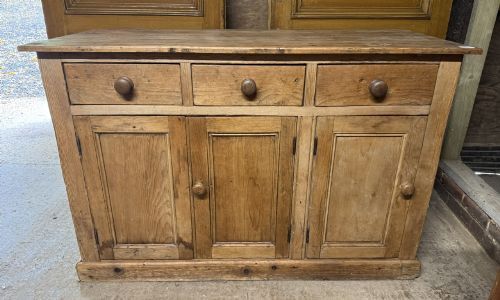
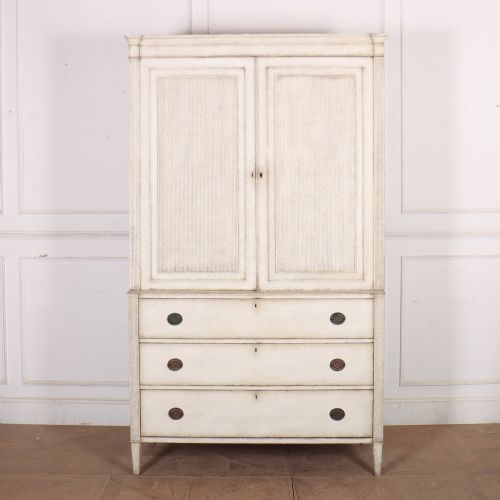
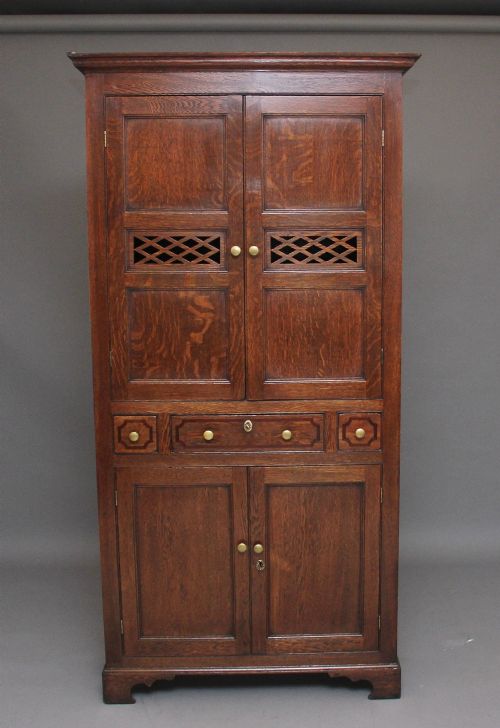
A vintage housekeeper cabinet provides substantial storage capacity through tall, compartmentalised designs intended originally for domestic linen and provisions. These pieces span the eighteenth, nineteenth, and early twentieth centuries, reflecting changing domestic needs across Georgian, Victorian, and Edwardian periods.
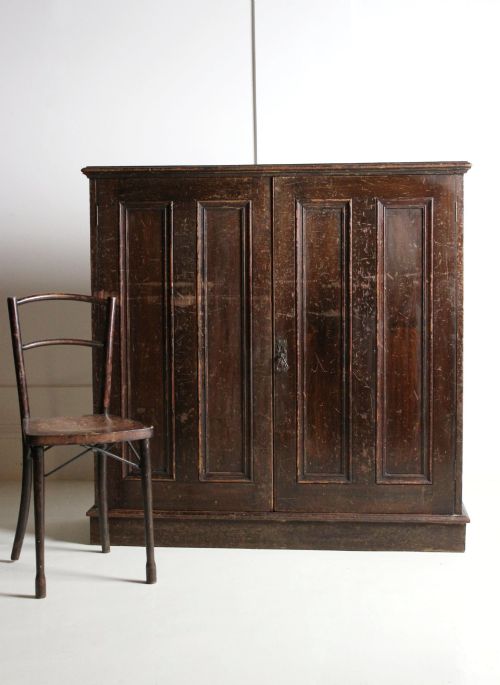
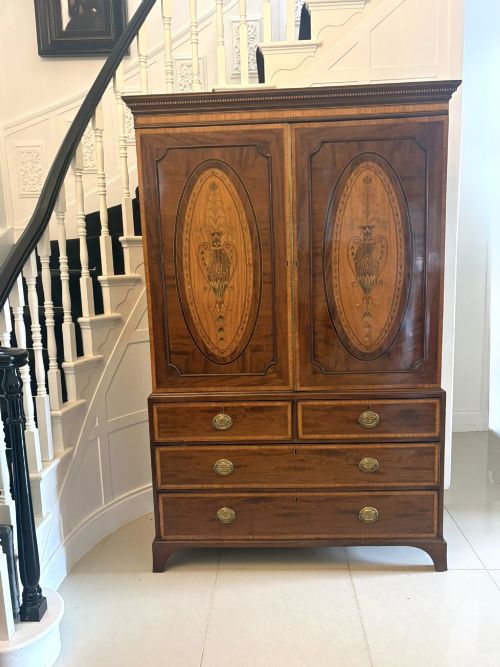
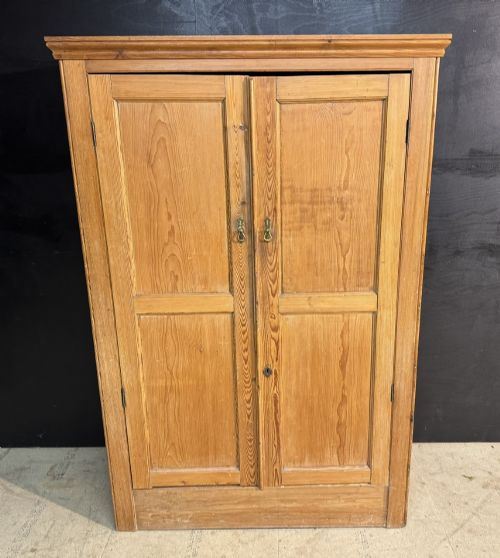
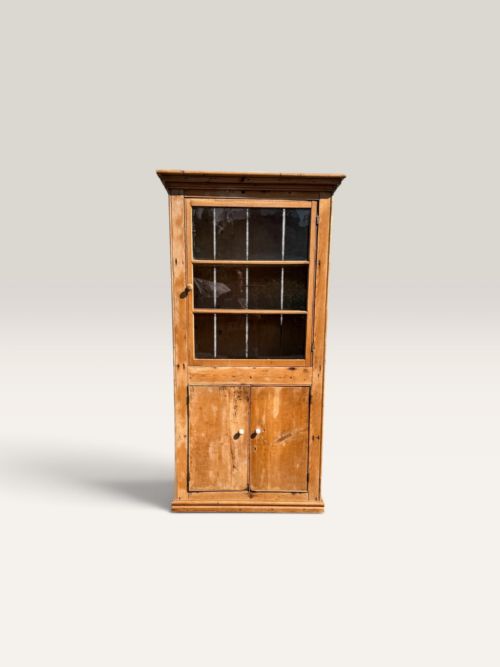
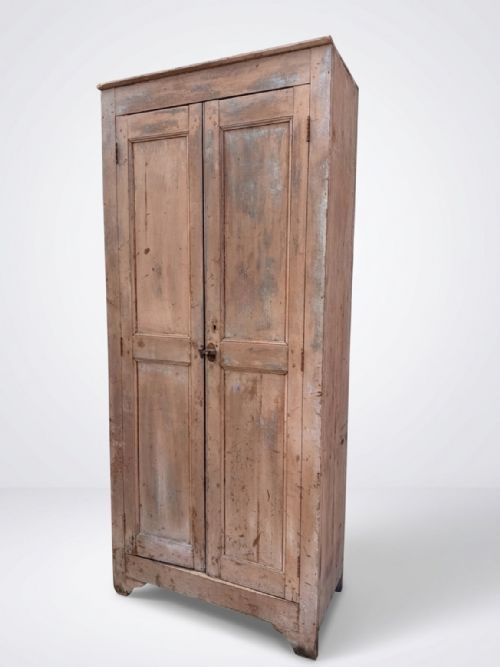
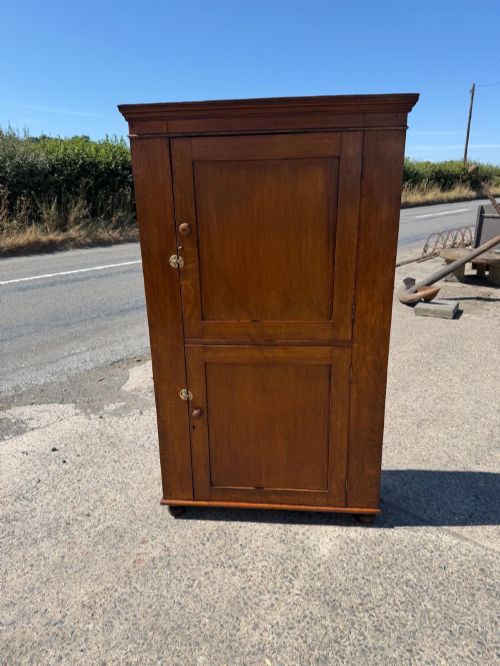
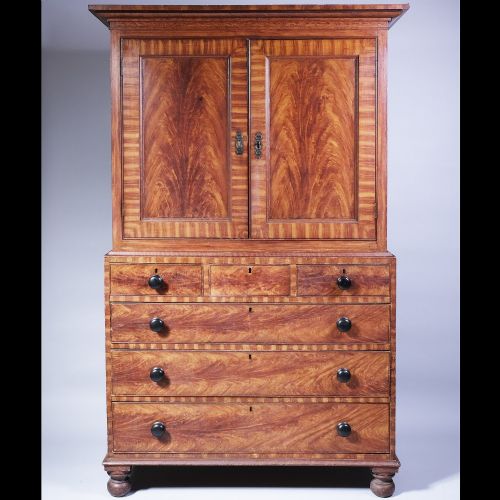
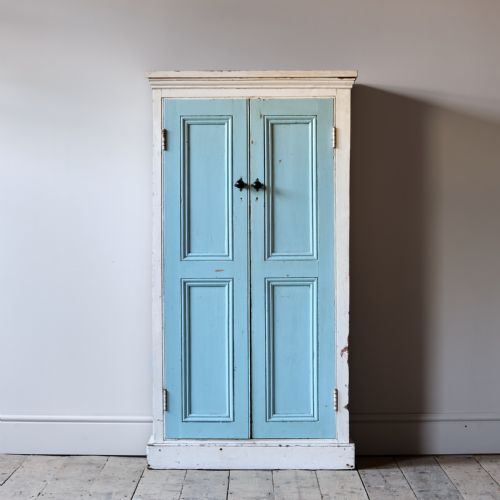
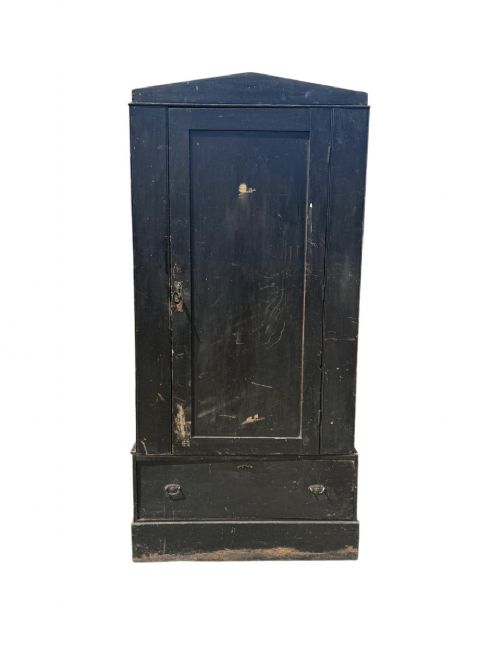
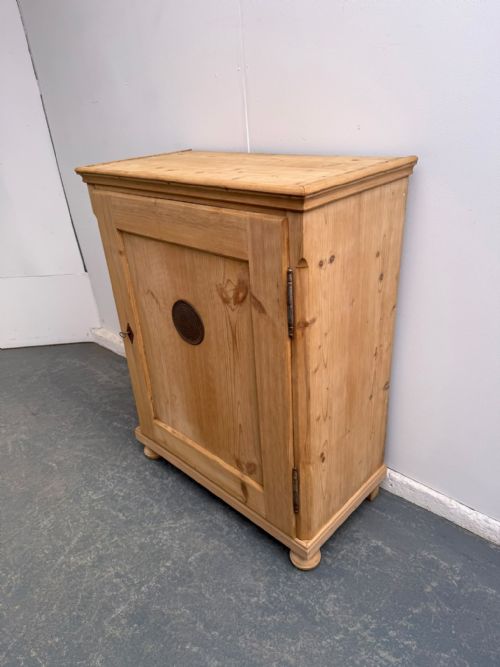
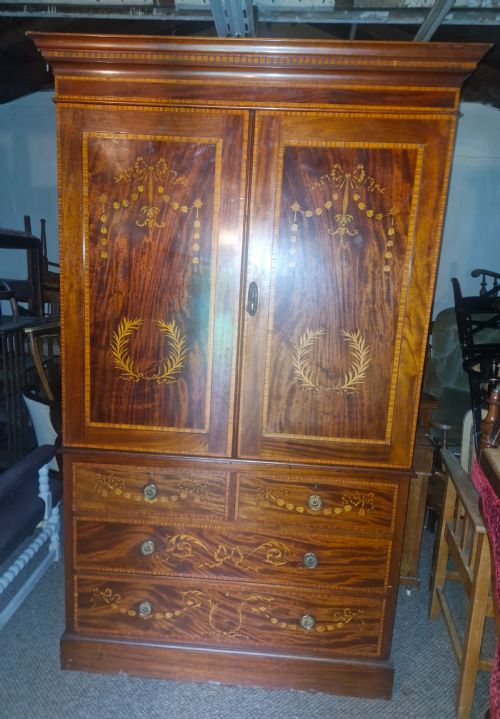
The most common examples encountered here are constructed from pine, often in painted, scumble-finished, or waxed states suited to country interiors. Alongside these pine storage cupboards, you will find mahogany and oak linen presses that combine upper press sections with lower drawer banks.
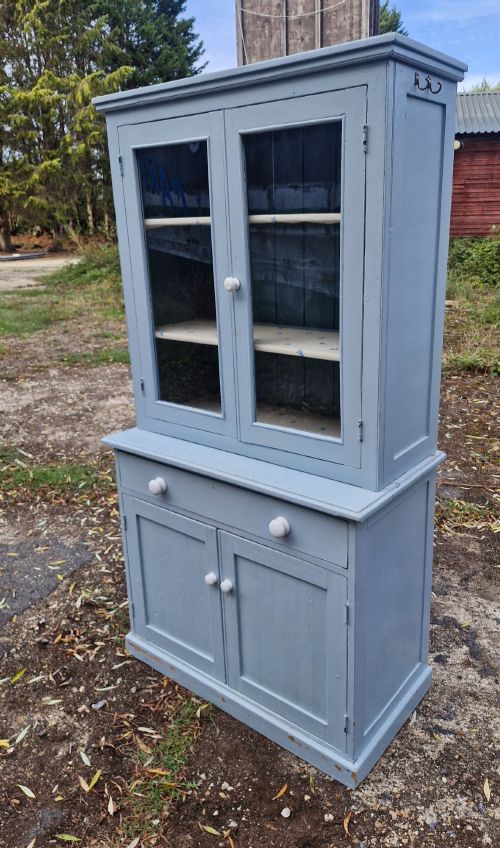
Origins vary from English country workshops to Scandinavian and French regional hubs, producing distinct vernacular styles. Whether configured as single door cupboards, two-part kitchen dressers, or grand linen wardrobes, each piece serves a practical organisational role.
How they were made
Makers relied primarily on solid timbers such as pine, oak, and mahogany, supplemented by brass hardware and iron hinges. Construction often involved pegged mortise and tenon joints for structural stability in large frames, with fielded panels allowing wood to move naturally with humidity.
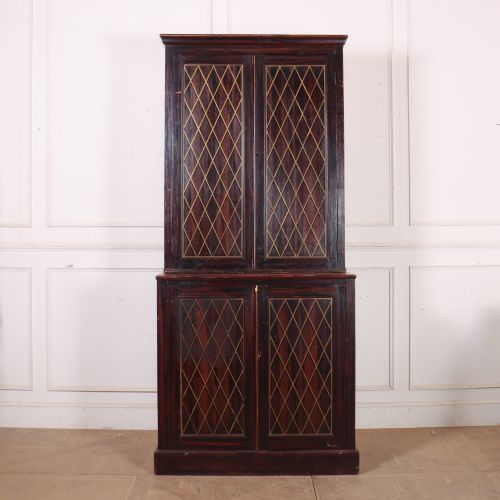
Surfaces were finished in multiple ways, ranging from clear wax and scumble paint to intricate satinwood inlay on formal mahogany pieces. Glazed doors utilised timber framing to secure glass panes, while heavier bases rested on sturdy feet such as simple bun feet or moulded plinths.
Listings feature woods like pine, oak, and mahogany, alongside painted, glazed, and inlaid surface styles.
What varies in quality
Proportion and timber selection dictate the standing of a piece, with well-figured mahogany and tightly grained old pine commanding greater presence. The integrity of original surface treatments, whether aged paint, scumble, or polished wood, heavily influences character and authenticity.
Internal configuration also separates basic utility from finer craftsmanship, seen in adjustable shelving, original brass hooks, and smoothly running drawers within linen press sections. Solid backboards and intact paneling indicate careful regional or workshop construction.
Druce & Co.·Heals
The Vintage Housekeeper Cabinet Glossary
- Linen press
- A tall cupboard traditionally used for storing folded linens and bedding, typically featuring sliding trays or shelves behind upper doors.
- Scumble paint
- A decorative surface technique involving translucent glazes manipulated over a base coat to imitate richer wood grains or textures.
- Fielded panel
- A wooden panel with bevelled edges designed to fit within a frame, allowing the material to expand and contract without splitting.
- Bun feeT
- A rounded, flattened spherical foot often found supporting heavy nineteenth-century cabinets and wardrobes.
- Satinwood inlay
- Decorative contrasting timber inserted into wood surfaces to create geometric or floral patterns on formal pieces.
Vintage Housekeeper Cabinet: Frequently Asked Questions
What is a housekeeper cabinet?
A housekeeper cabinet is a large storage piece traditionally used in large homes to store household linens, dry goods, and domestic supplies. They typically combine shelving and cupboards to keep items organised.
Over time, these versatile pieces moved from service rooms into living spaces, functioning as wardrobes, larder cupboards, or general storage units in modern homes.
How do I date an antique cupboard?
Dating relies on observing construction methods, timber types, and hardware styles. Hand-cut dovetails, pegged joints, and regional wood choices often point to specific periods like the Georgian or Victorian eras.
Secondary woods inside drawers and the nature of the surface finish, such as early paint layers or wax, provide further clues to a piece's age.
Are painted pine cupboards original?
Many pine cupboards were painted during their working life to protect the timber or match changing interior fashions. Scumble finishes and early painted layers are frequently original to the piece's history.
Later decorative painting is also common, as these versatile storage units adapt easily to different domestic colour schemes.
How do I clean a waxed pine finish?
Maintenance involves dusting with a soft cloth and applying a traditional beeswax paste occasionally to nourish the timber. Avoid using modern silicone polishes that can build up and dull the surface.
Keeping the cabinet away from direct heat sources prevents the wood from drying out and maintains the stability of the joints.