







Vintage Hearth Ornament
A vintage hearth ornament brings character to a fireplace, offering a practical or decorative touch shaped by nineteenth and early twentieth century traditions.
Vintage Hearth Ornament
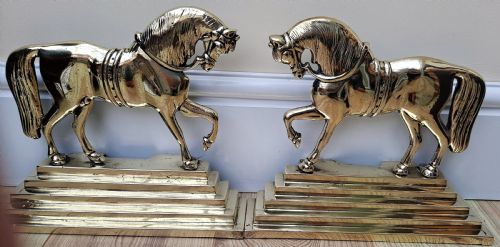
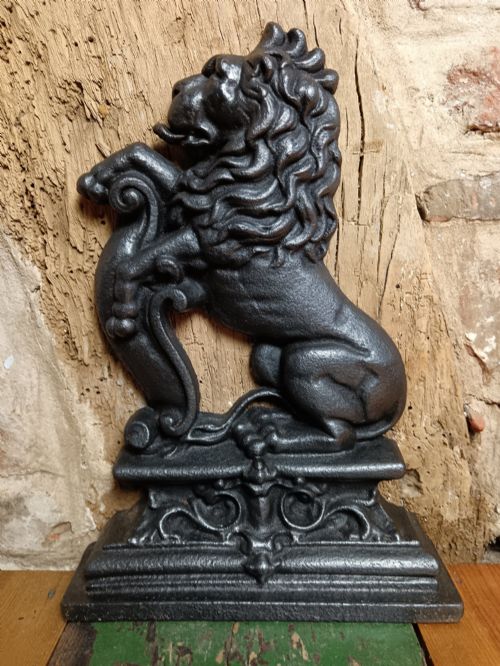
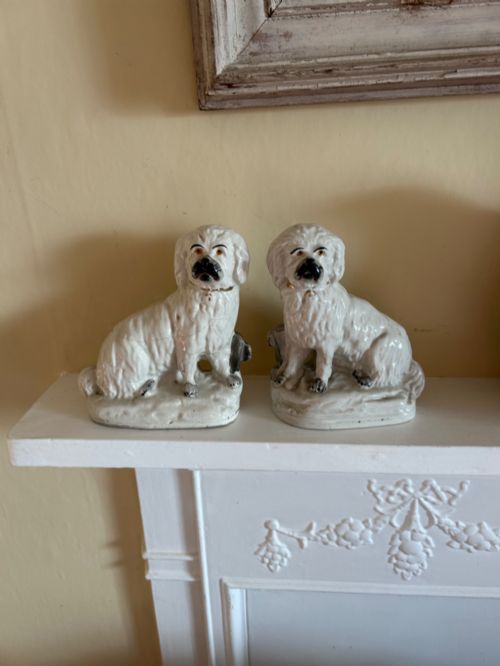
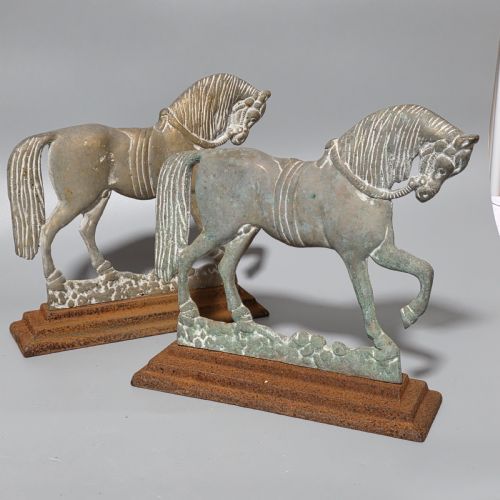
When you search for a vintage hearth ornament, you encounter a diverse collection of fireplace accessories, doorstops, and ceramic figures designed to enliven domestic interiors. These pieces range from cast iron lions and brass chimney horses to earthenware spaniels and poodles placed by the grate.
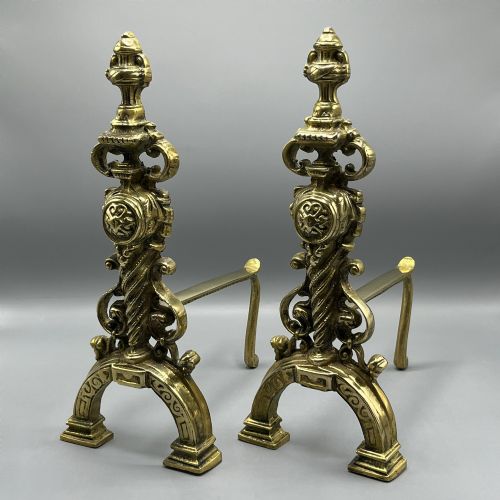
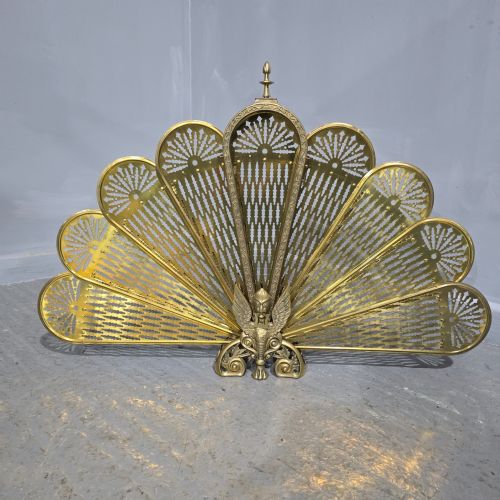
Ceramic figurines dominate the selection, specifically Staffordshire pottery dogs in various pairings, along with occasional terracotta figures and painted companion sets. Metalwork accessories also feature prominently, including solid brass andirons, peacock fire screens, and heavy cast iron doorstops utilised around the chimney.
Dating primarily from the nineteenth century through the early twentieth century, these items reflect Victorian, Edwardian, and Art Deco styles. You find both functional items meant to hold doors or manage fires and purely decorative chimney ornaments intended to display mantelpiece charm.
How They Were Made
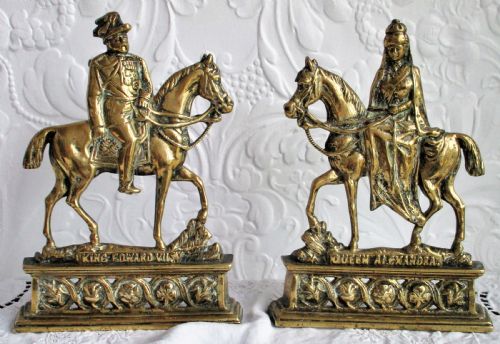
Makers utilised durable metals like cast iron and brass, often shaping them through foundry casting to create sturdy doorstops, fire dogs, and folding screens. Detail was frequently added via surface paint or polished brass finishes.
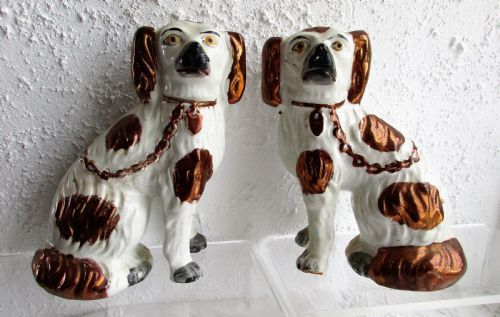
Ceramic pieces relied on earthenware and terracotta bodies shaped in moulds, then finished with glazes, hand-painted details, or copper lustre decoration. These techniques produced the varied spaniels, poodles, and figural ornaments recorded across the periods.
Vintage Hearth Ornament Retail Price Guide 2026
Typical asking prices for vintage hearth ornament among the pieces listed under this phrase on Sellingantiques today, from the lower quarter to the upper quarter. They describe what is for sale here now, not the wider market.
Staffordshire pottery spaniels and poodles appear frequently in pairs among the ceramic figures recorded on the site.
What Varies in Quality
Metalwork quality shows in the weight of the cast iron and the heft of the solid brass used for doorstops and fire screens. Heavier, substantial pieces with clean casting lines represent a higher standard of manufacture than lighter alternatives.
Beswick·The Birmingham Guild
The Vintage Hearth Ornament Glossary
- Andirons
- Iron supports used in a fireplace to raise logs for better air circulation. They often feature decorative brass or cast iron fronts visible at the hearth.
- Doorstop
- A heavy weighted object used to keep a door open. Many nineteenth century examples take the form of cast iron animals or brass figures.
- Copper Lustre
- A pottery glaze technique imparting a metallic, reflective copper sheen. This finish appears frequently on Victorian ceramic figures and spaniels.
- Chimney Ornament
- A decorative object displayed on the mantelpiece above a fireplace. These figures were traditionally paired to balance each end of the shelf.
Vintage Hearth Ornament: Frequently Asked Questions
What is a vintage hearth ornament?
A vintage hearth ornament is a decorative or functional object designed for use near a fireplace. Items range from ceramic animal figures to heavy metal doorstops and fire screens.
These pieces reflect historic interior styles spanning the nineteenth and early twentieth centuries, adding period character to domestic rooms.
How were Staffordshire dogs used?
Staffordshire pottery dogs were traditionally displayed in pairs on the mantelpiece above the hearth. They often faced inward toward each other.
Victorian households utilised these ceramic spaniels and poodles purely as decorative ornaments to bring warmth and symmetry to the living room.
Are cast iron doorstops heavy?
Cast iron doorstops are notably heavy, designed specifically to hold open interior doors against drafts. Their substantial weight ensured stability.
Many examples take figural forms such as rampant lions or horses, combining utility with robust nineteenth century metalwork.
How do I identify a Victorian piece?
Victorian pieces often display characteristic materials like earthenware with copper lustre glaze, terracotta, or heavy cast iron and brass. Subject matter frequently includes popular animal breeds or figures of the era.
Examining the moulding technique and the style of hand-painted decoration helps distinguish nineteenth century items from later reproductions.