


Vintage Hearth Bucket
A vintage hearth bucket brings functional metalwork into the living room, holding coal and logs beside the fireplace.
Vintage Hearth Bucket
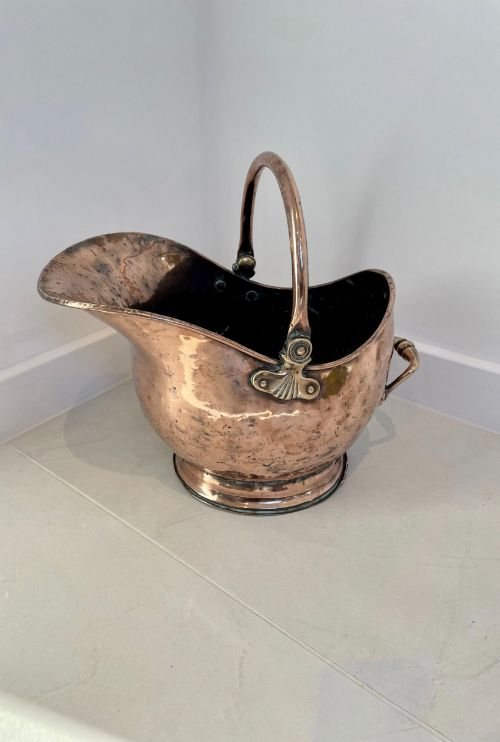
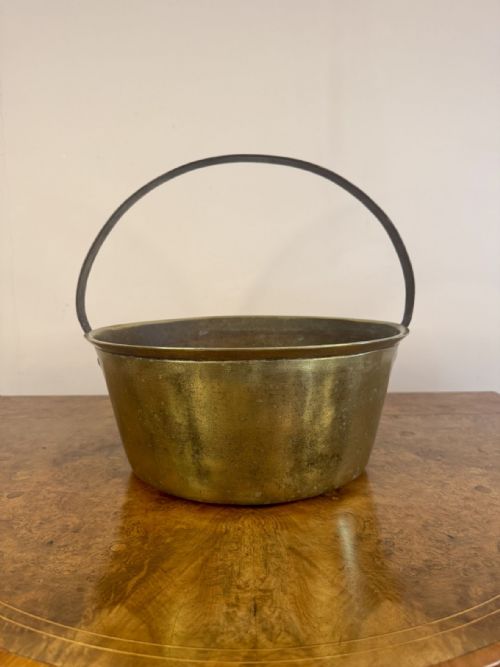
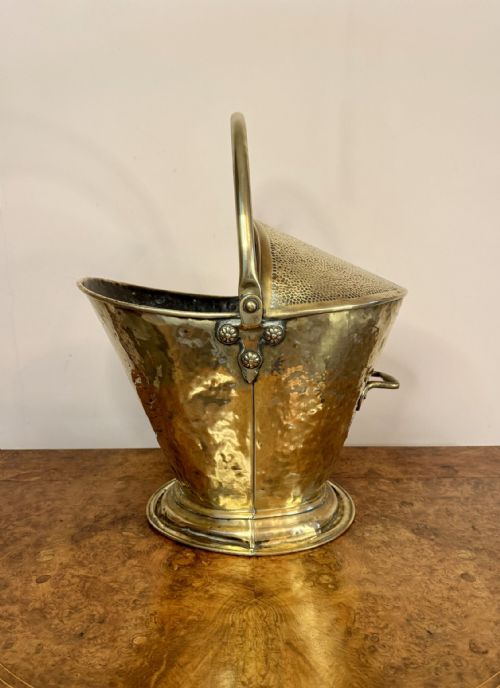
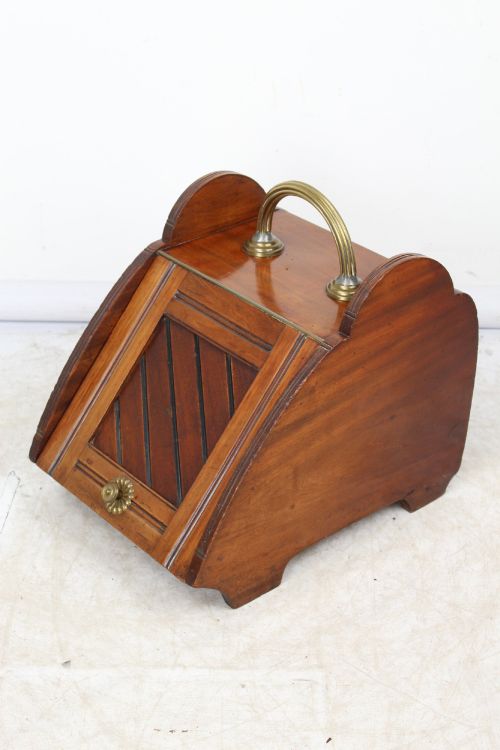
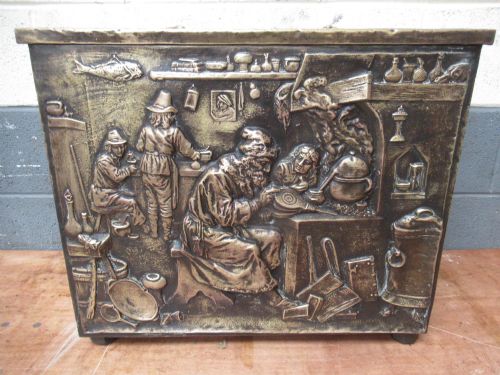
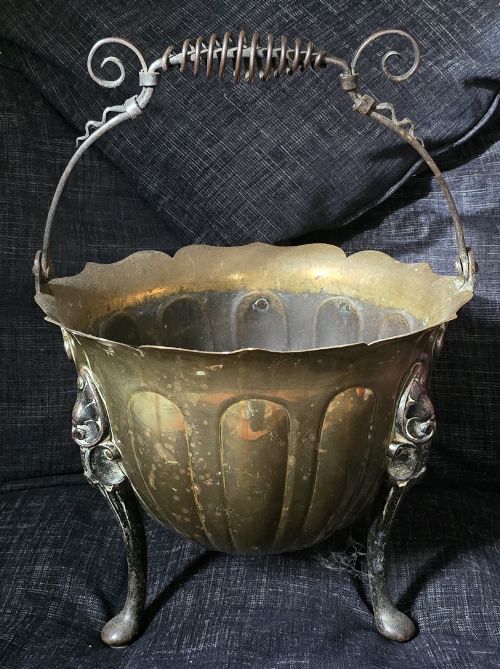
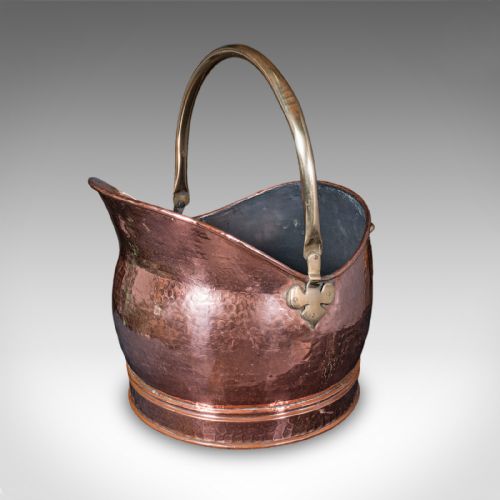
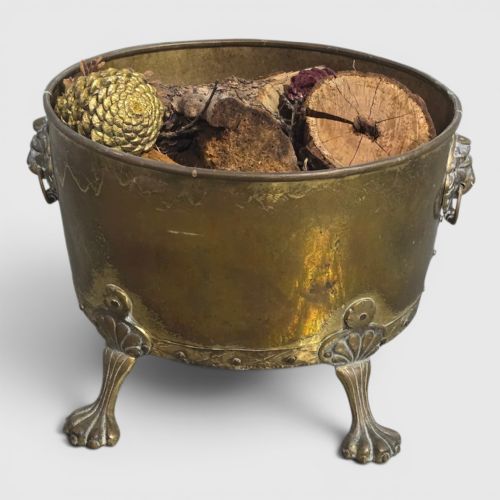
A vintage hearth bucket serves as a container for solid fuel like coal, peat, and logs near the fireplace. When searching for a vintage hearth bucket, buyers encounter various forms such as coal scuttles, helmets, log bins, and cauldrons designed for fireside use.
The pieces on this page span several centuries, with a strong presence of Victorian and Georgian examples alongside Edwardian, Regency, and Arts and Crafts pieces. Materials range from hammered metals to coopered wood and stitched leather.
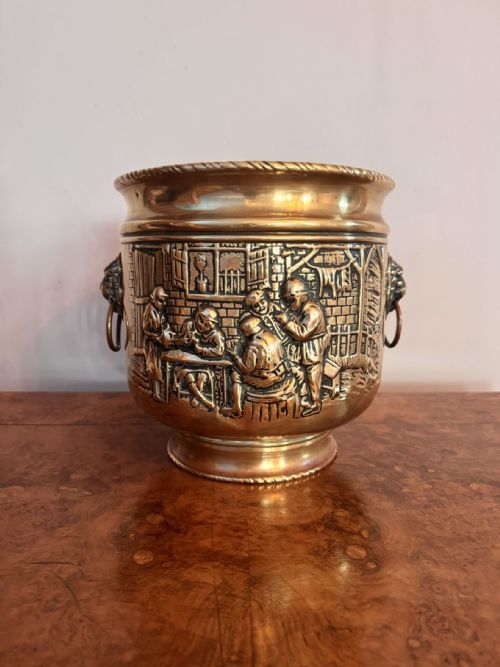
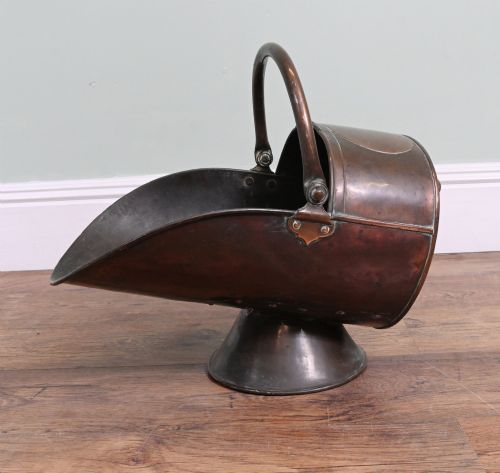
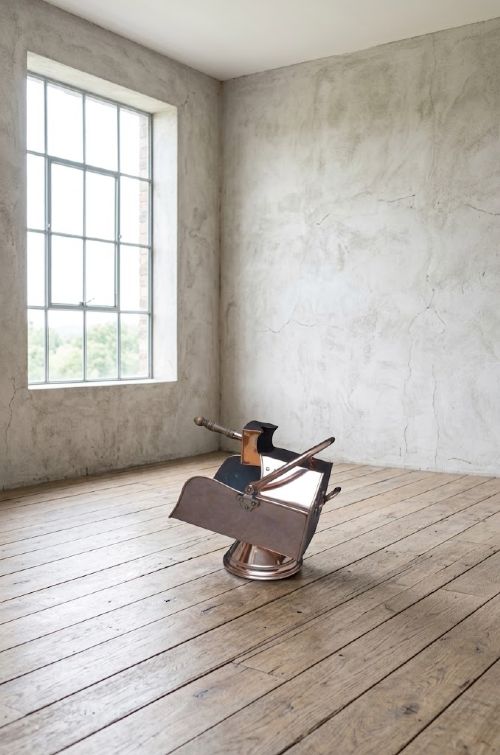
Forms vary from standard cylindrical buckets to specialised helmet shapes with swing handles and shovels. Many double as planters or decorative display pieces in period interiors.
Materials and construction
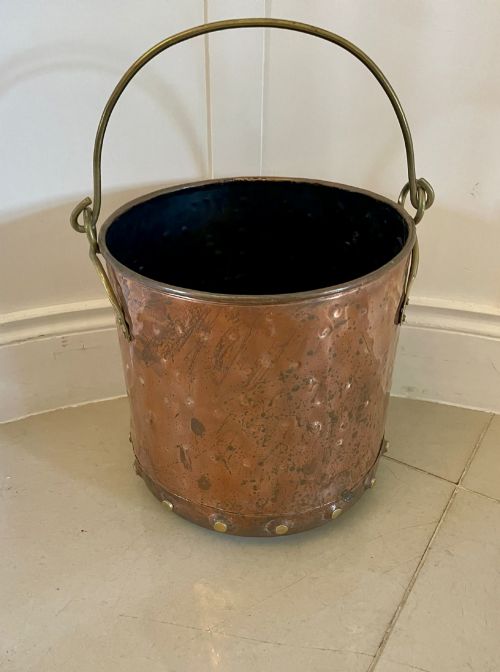
Metalworking dominates these pieces, utilising heavy sheets of brass and copper joined with visible rivets or smooth seams. Handles and mountings frequently incorporate wrought iron or cast brass elements for strength.
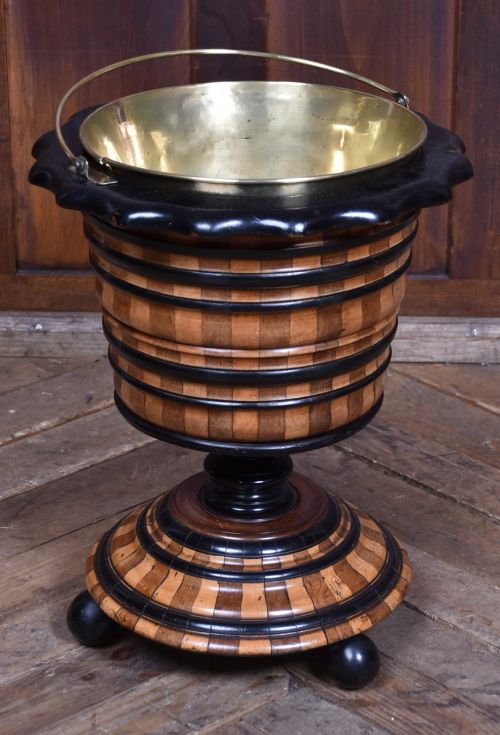
Wooden examples rely on traditional coopering techniques, binding staves of oak and mahogany with metal bands to hold dry logs or peat. Leather items utilise thick hides shaped over forms and secured with copper studs.
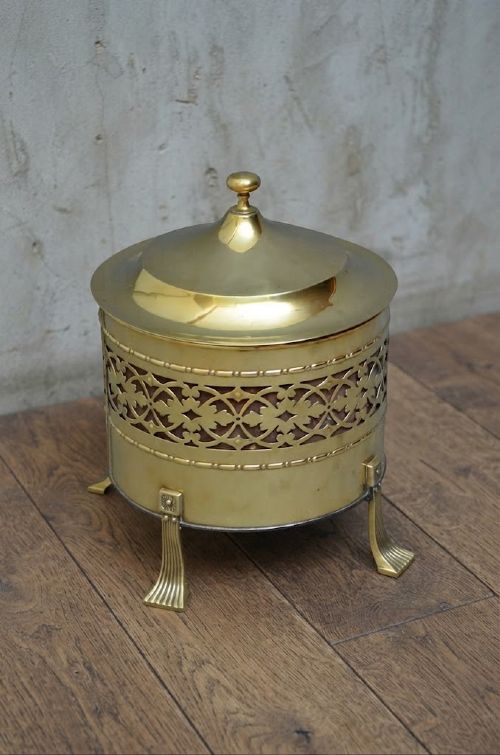
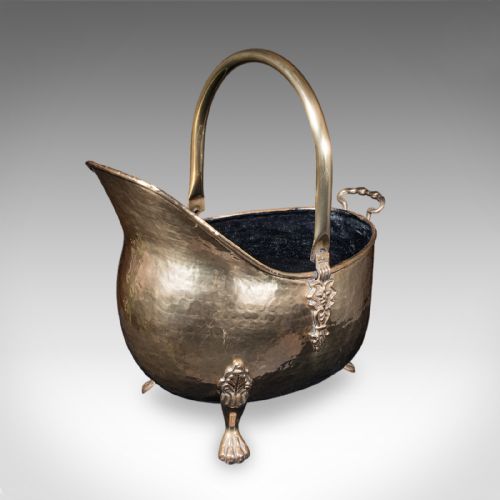
Finishes include hand-hammered surfaces on Arts and Crafts coppers and detailed fretwork cut into Edwardian brass panels.
Vintage Hearth Bucket Retail Price Guide 2026
Typical asking prices for vintage hearth bucket among the pieces listed under this phrase on Sellingantiques today, from the lower quarter to the upper quarter. They describe what is for sale here now, not the wider market.
Several copper cauldrons retain enough soot to remind everyone that they once hung directly over blazing coal fires.
Assessing the standard
Quality rests on the thickness of the metal sheet and the integrity of the joins, where hand-beaten rivets outlast thin modern soldering. Substantial weight in the base ensures the bucket remains stable when loaded with heavy timber or coal.
Original components dictate value, particularly matching swing handles, period shovels, and uncompromised interior liners. Surviving surface patination, gained through decades of polishing and fireside use, outweighs over-restored brightness.
Benham and Froud
The Vintage Hearth Bucket Glossary
- Coal helmet
- A bucket featuring a sloped rim and a funnel shape designed for pouring coal cleanly onto a fire. This form gained popularity during the Victorian period.
- Coopering
- The traditional method of constructing wooden vessels from curved staves held together by hoops. This technique appears in oak log and peat buckets.
- Teestoof
- A Dutch warming vessel used with hot coals to heat tea or food. These occasionally feature brass liners.
- Swing handle
- A movable metal handle attached to the sides of a bucket via pivoted mounts. It allows for balanced carrying of heavy loads.
- Riveted
- Joined together using metal bolts hammered flat at the ends. This method provides structural strength on heavy copper coal bins.
Vintage Hearth Bucket: Frequently Asked Questions
What is a hearth bucket used for?
These vessels store solid fuel such as coal, logs, or peat directly beside the fireplace for easy access during cold weather. They keep the hearth tidy while holding enough fuel for an evening fire.
Beyond utilitarian storage, many examples function as decorative planters, umbrella stands, or waste paper baskets when retired from active hearth duty.
How do I clean brass and copper?
Traditional metal polish removes tarnish, though many collectors prefer leaving a dark, aged patina accumulated over decades of use. Avoid abrasive pads that scratch the soft surface of antique copper.
Ensure the metal is completely dry after cleaning to prevent spotting, particularly on pieces with iron frames or leather elements.
Are leather fire buckets waterproof?
Georgian leather buckets were originally stitched to hold water for extinguishing flames before modern fire services existed. Over centuries, the dried leather loses its moisture seal and works best for dry storage.
Use an inner liner if utilising a leather bucket as a plant container to protect the historic hide from damp soil.
How do I date a metal coal bucket?
Construction methods reveal age, as hand-beaten copper panels and heavy iron rivets indicate nineteenth-century or earlier manufacture. Machine stamping and lighter gauge brass typically point toward Edwardian or later production.
Stylistic cues also help, with Regency pieces showing classical lines and Arts and Crafts items displaying hand-hammered textures and tavern motifs.