
Vintage Heals Table
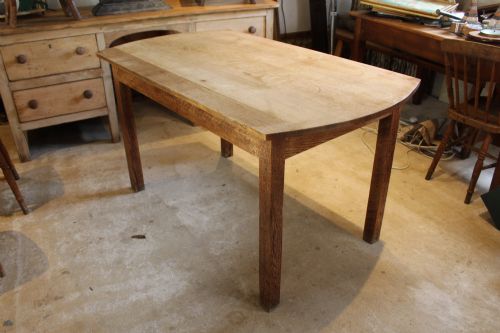
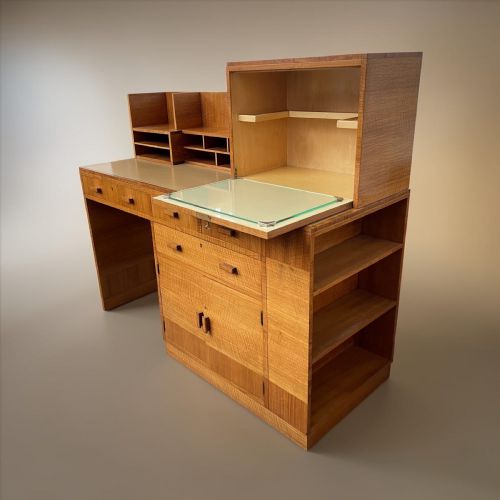
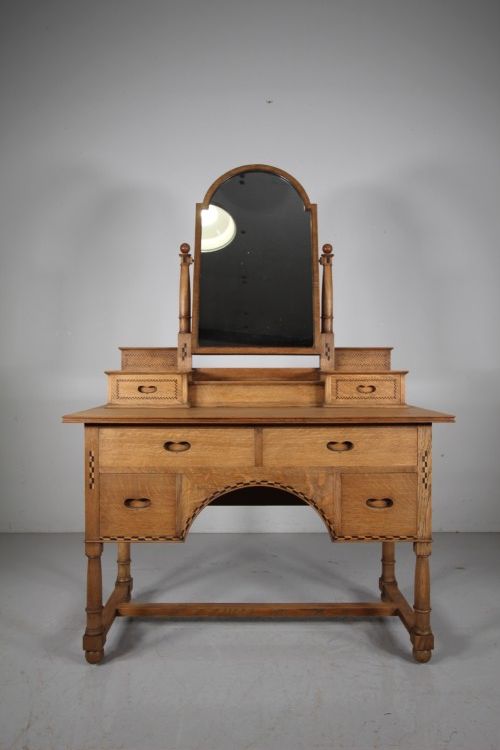
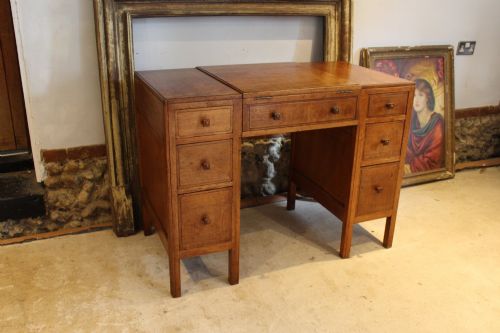
A vintage heals table brings honest craftsmanship into a room, offering functional utility anchored in solid oak, walnut, or satin birch.
Vintage Heals Table
A vintage heals table encompasses dining tables, desks, coffee tables, and side tables produced by Heal & Sons or associated with their distinctive London aesthetic. Buyers searching this phrase look for functional furniture that displays clean lines and thoughtful proportions rather than excessive ornamentation.
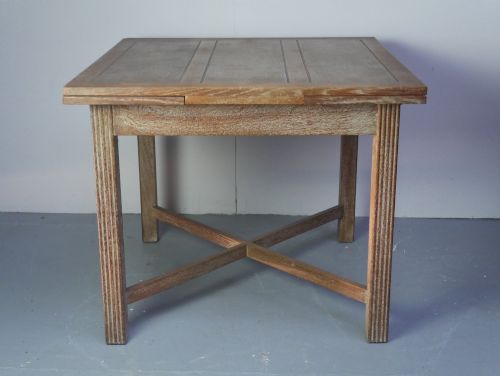
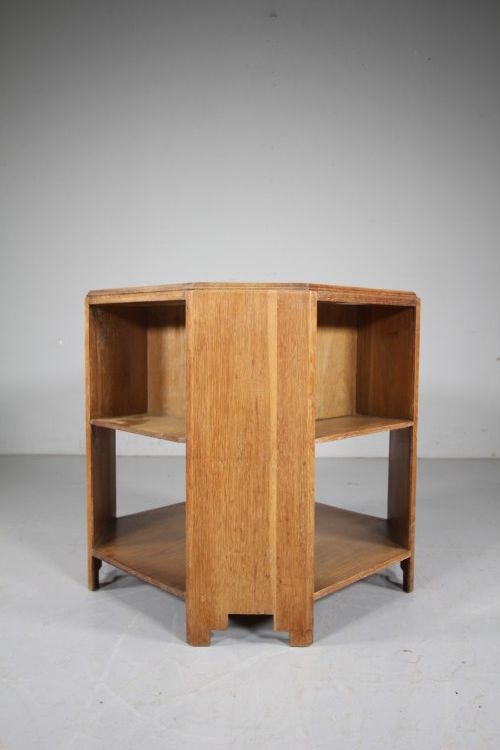
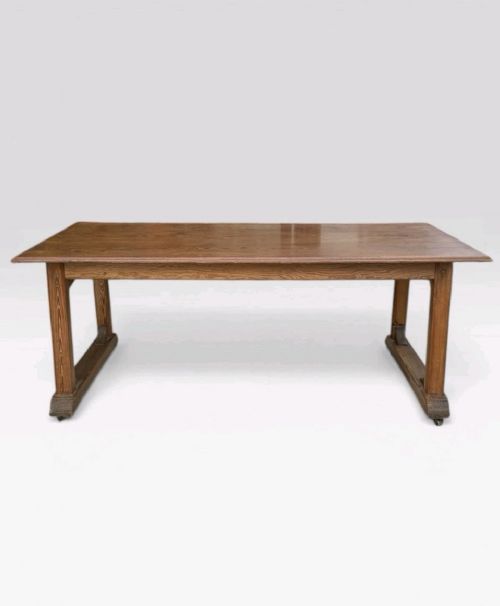
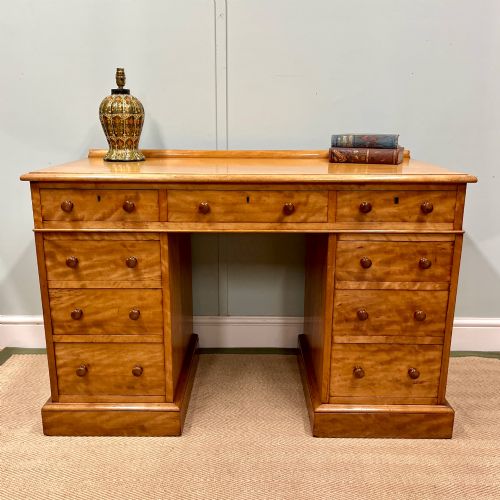
The pieces appearing on this page span several decades, reaching from the nineteenth century through the Edwardian period and into the nineteen-twenties and nineteen-thirties. Forms range from refectory and trestle dining tables to compact book tables, writing desks, and low coffee tables.
Distinguishing quality
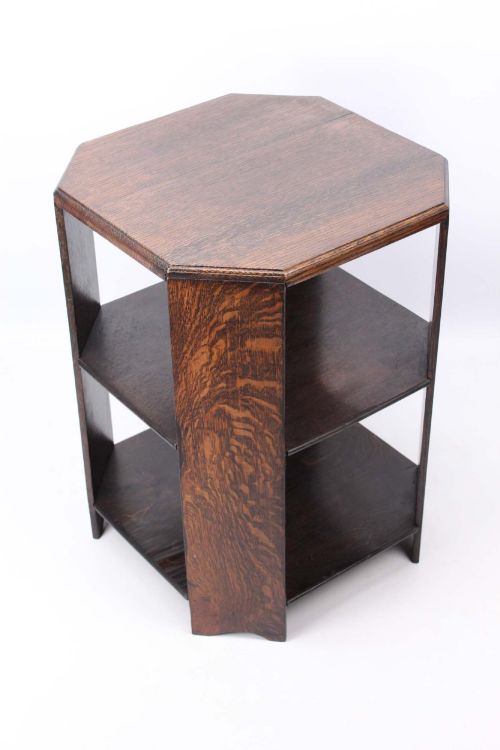
Quality rests upon the selection of timber and the integrity of the joinery, separating standard commercial production from pieces benefiting from superior workshop execution. Quartered oak boards and carefully matched grain patterns elevate the presence of a desk or dining table.
Proportion and restraint define the finer examples, where the design relies on balanced volumes rather than applied decoration. Pieces retaining original manufacturer labels or clear attribution demonstrate documented provenance that influences desirability among collectors.
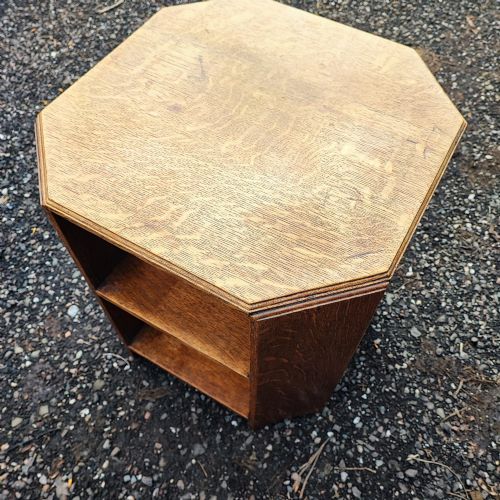
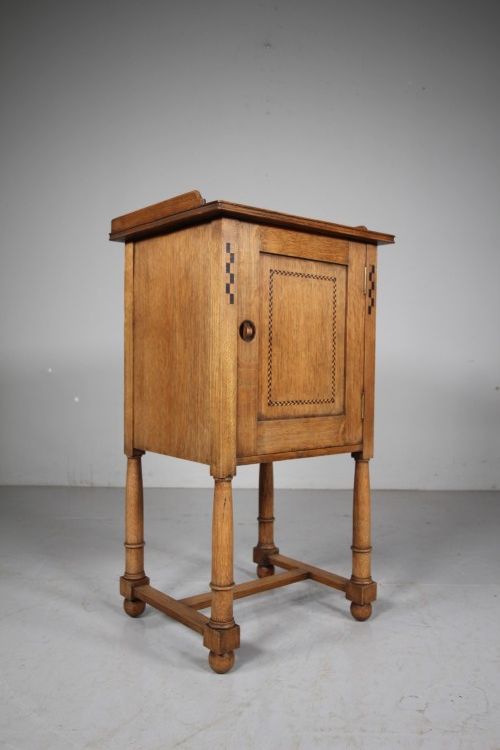
Some tables include compact book wells designed for bedside reading before electric lighting became universal.
Heal and Sons
The Vintage Heals Table Glossary
- Limed oak
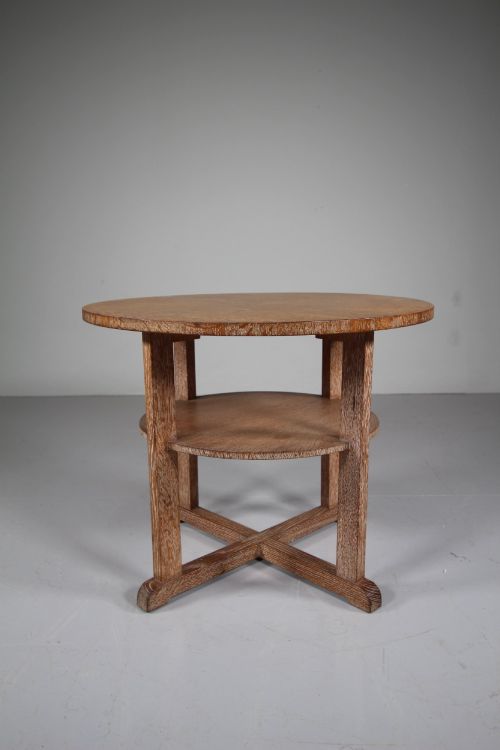
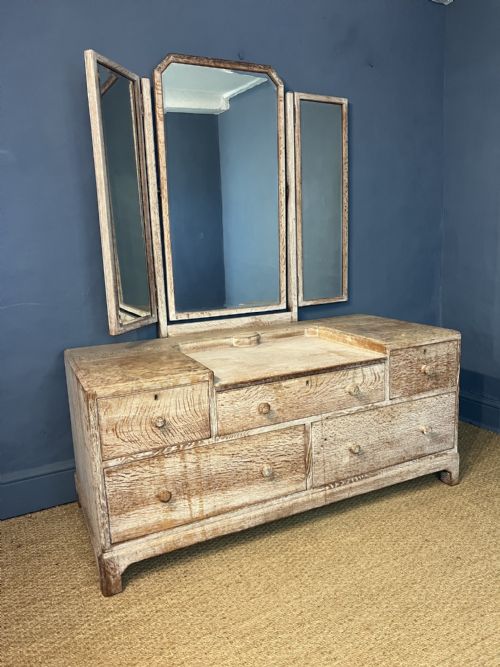
- A wood finishing technique using pickling paste or lime to create a pale, whitish grain effect on oak surfaces. This finish became particularly popular during the Art Deco and modernist periods.
- Refectory table
- A long, narrow dining table traditionally built with sturdy legs connected by a central stretcher. These forms were frequently reinterpreted by London workshops in solid oak during the early twentieth century.
- Satin birch
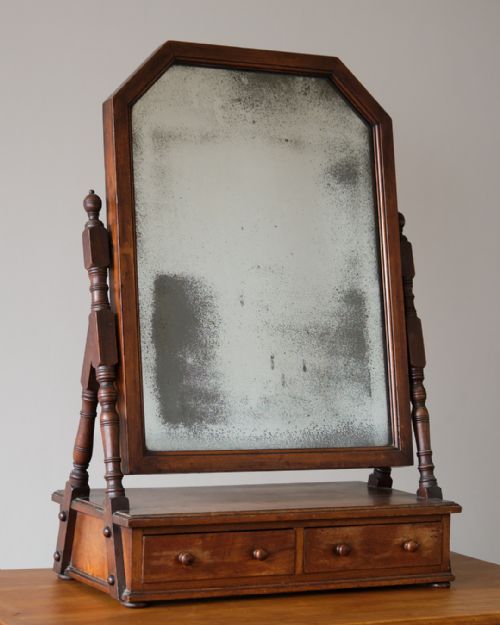
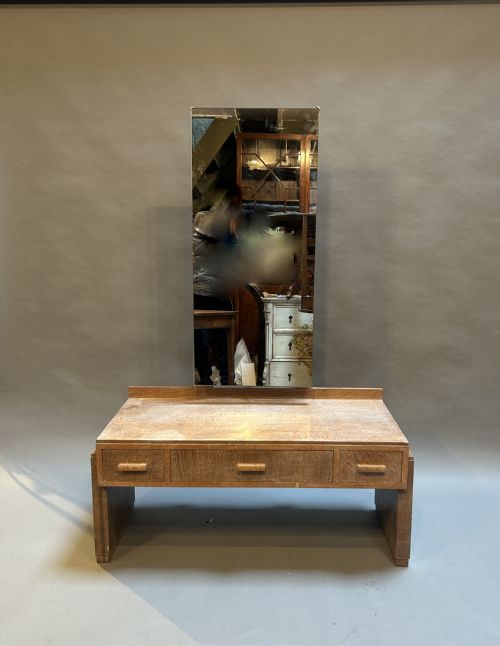
- A dense hardwood featuring a smooth, golden sheen and subtle figuring. Workshops utilised this timber for refined desks and dressing furniture.
- Quartered oak
- Timber cut radially from the log perpendicular to the growth rings, producing distinctive medullary ray figuring often termed silver grain. This cut provides enhanced stability and visual depth.
- Trestle table
- A table design supported by two or more upright frames connected by a horizontal beam. The construction allows generous legroom beneath the top.
Vintage Heals Table: Frequently Asked Questions
How do I recognise a piece by this maker?
Look for clean structural lines, solid oak or walnut construction, and an absence of fussy ornamentation. Many pieces carry paper labels, brand marks, or distinct design characteristics associated with the London workshops.
Attributions also rely on proportions and timber selection typical of the firm's output across the Edwardian era and the interwar years.
What periods do these tables cover?
The selection spans from the nineteenth century through the Edwardian period into the nineteen-twenties and nineteen-thirties. Designs evolve from solid Victorian and Edwardian craftsmanship toward lighter Arts and Crafts and Art Deco modernism.
Later pieces frequently feature limed oak finishes and streamlined geometric forms suited to twentieth-century interiors.
Are these tables suitable for daily dining?
Solid timber construction makes these tables robust enough for regular daily use in contemporary dining spaces. Oak and walnut surfaces withstand everyday demands while developing a deeper patina over time.
Simple maintenance involving natural waxes helps protect the timber grain without altering the original surface character.
What is limed oak?
Limed oak is a specialist wood finish that leaves a pale, chalky pigment within the open pores of the grain. This treatment lightens the appearance of heavy oak furniture while accentuating its natural texture.
It became a signature finish for modern bedroom suites and dining furniture produced during the interwar decades.