


Vintage Heals Oak Furniture
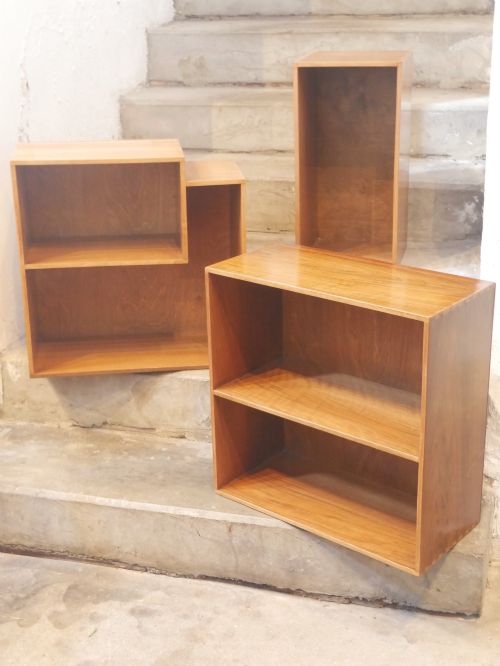
Vintage heals oak furniture brings honest craftsmanship and clean architectural lines into modern rooms, offering practical storage and sturdy seating.
Vintage Heals Oak Furniture
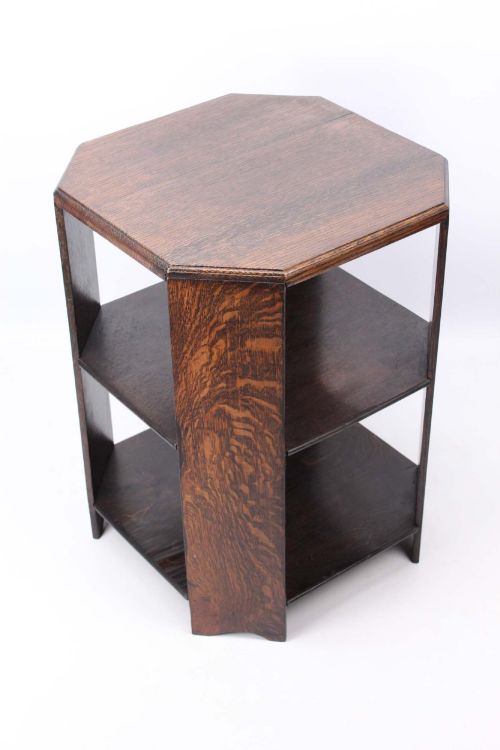
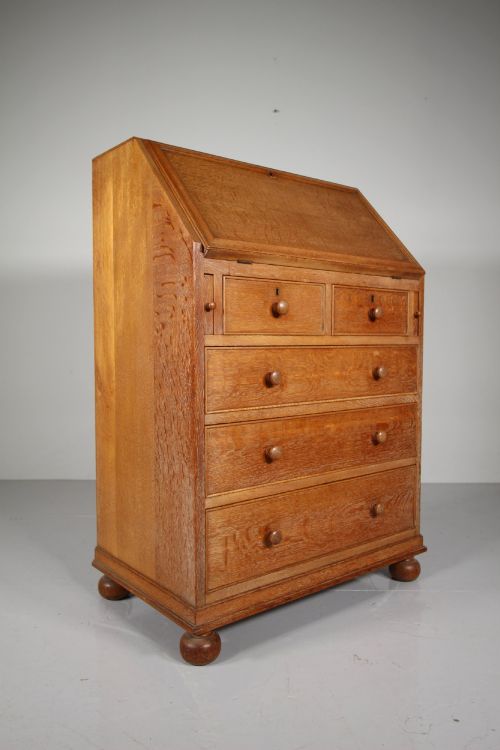
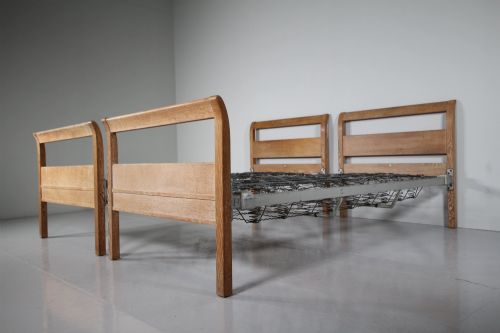
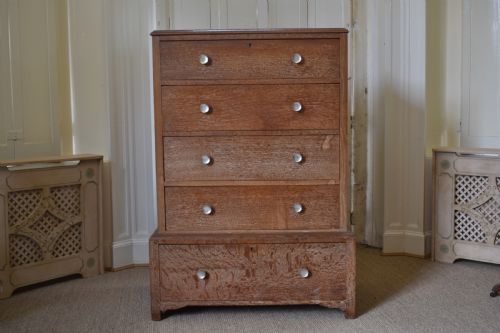
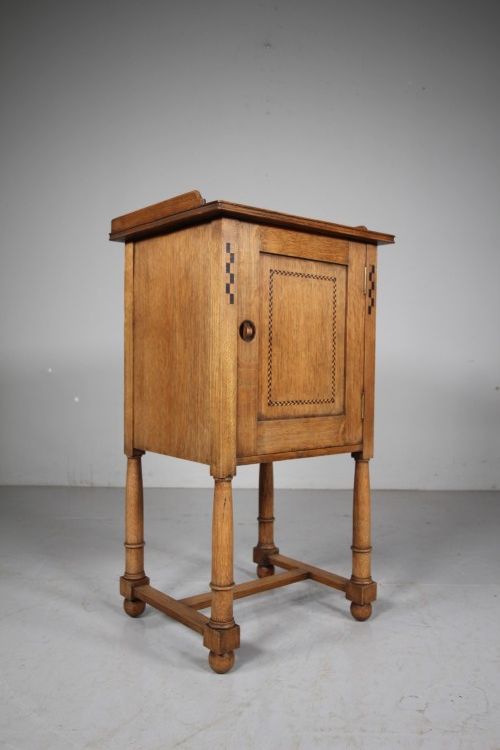
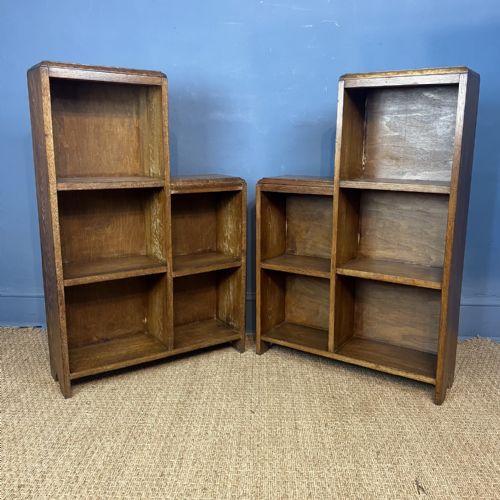
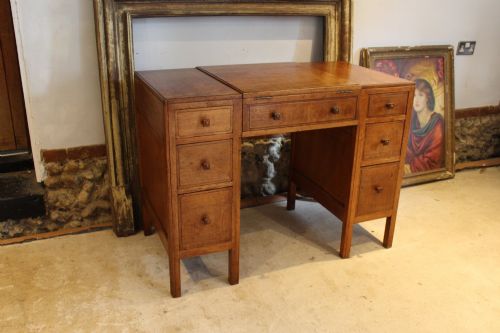
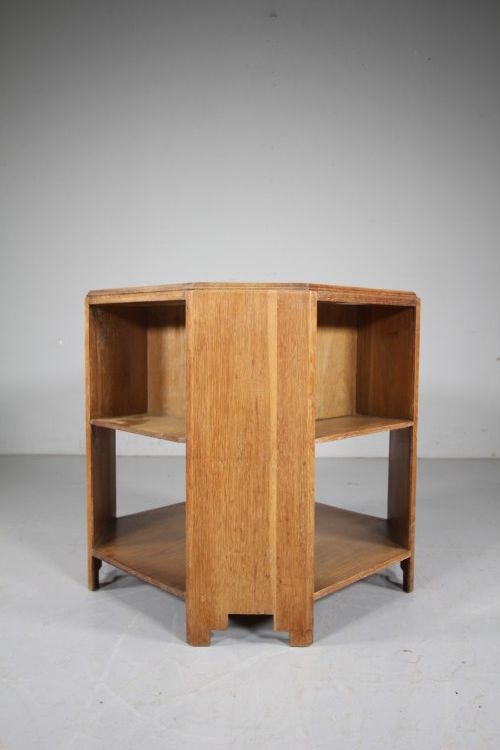
Vintage heals oak furniture comprises practical domestic pieces produced by the renowned London firm, spanning major aesthetic movements from the late nineteenth century through the Art Deco era. Buyers seeking vintage heals oak furniture encounter sturdy oak wardrobes, dressing tables, desks, and single beds that prioritize structural integrity over heavy ornamentation.
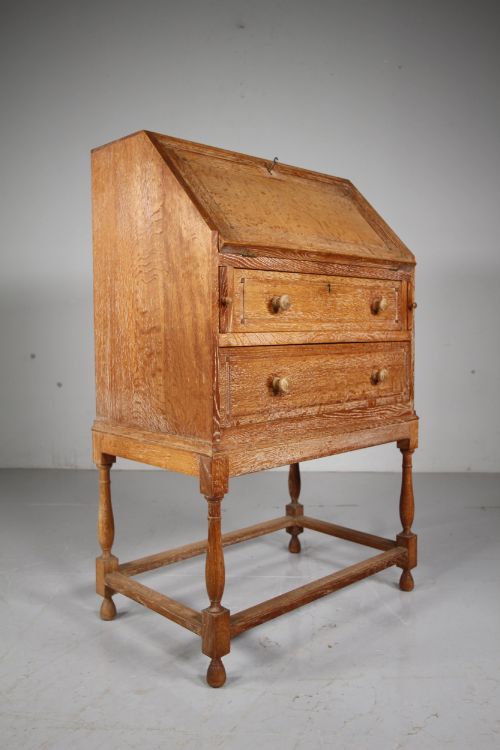
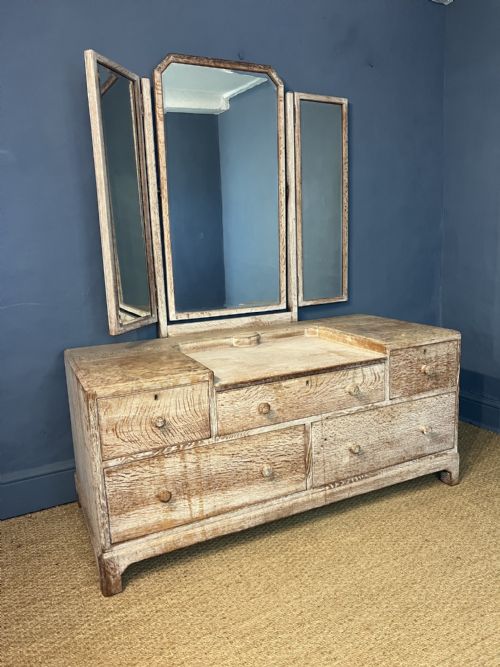
Many of these pieces employ limed oak finishes alongside standard oak, showcasing characteristic light-toned wood surfaces developed during the interwar period. Alongside authenticated labelled pieces, the inventory includes items displaying the distinctive proportions and joinery typical of the maker's output.
Materials and construction methods
Makers utilised solid oak, quartered oak, and occasional elm, frequently pairing timber with brass, iron, steel, and glass components. Surface treatments ranged from natural polished timber to limed oak finishes that highlighted the grain.
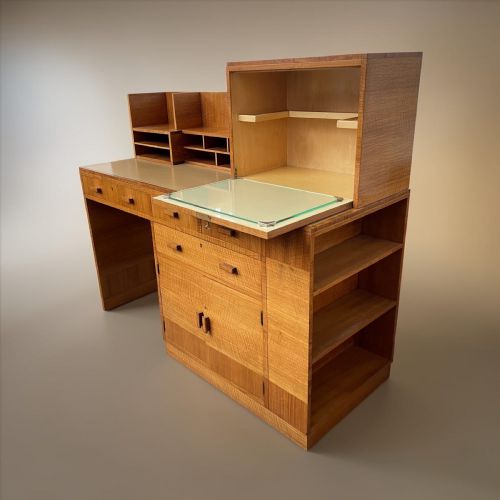
Construction relied on traditional joinery techniques combined with durable plywood where structural lightness was required. Metal hardware such as brass handles and iron fittings added functional strength to wardrobes, cabinets, and desks.
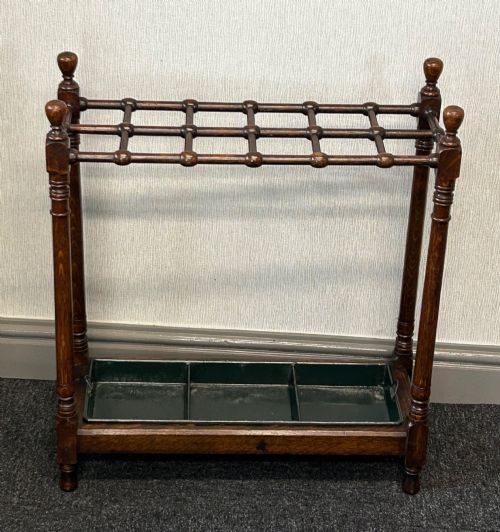
A tiny umbrella stand designed to keep London hallway floors dry without losing an ounce of interwar architectural dignity.
Assessing quality and authenticity
Quality in these pieces rests upon the crispness of the joinery, the selection of figured timber, and the presence of original maker labels or stamps. Pieces constructed from quartered oak display superior medullary rays that enhance the visual depth of the wood.
Proportion and finish separate standard items from exceptional examples, particularly in limed oak bedroom suites and desks from the Art Deco period. Original hardware, intact glass panels, and well-preserved surface treatments elevate the overall integrity of the piece.
Heal and Son·Heals of London
The Vintage Heals Oak Furniture Glossary
- Limed oak
- A specialist wood finish created by applying a white pigment to oak to accentuate the open grain. This technique gained popularity during the interwar decades for modern domestic interiors.
- Quartered oak
- Timber cut radially from the growth rings rather than tangentially, producing a distinctive decorative figure with visible flecks. This method yields exceptionally stable boards.
- Refectory table
- A long, narrow dining table historically used in communal dining halls, adapted by twentieth-century makers for domestic dining rooms.
- Dressing chest
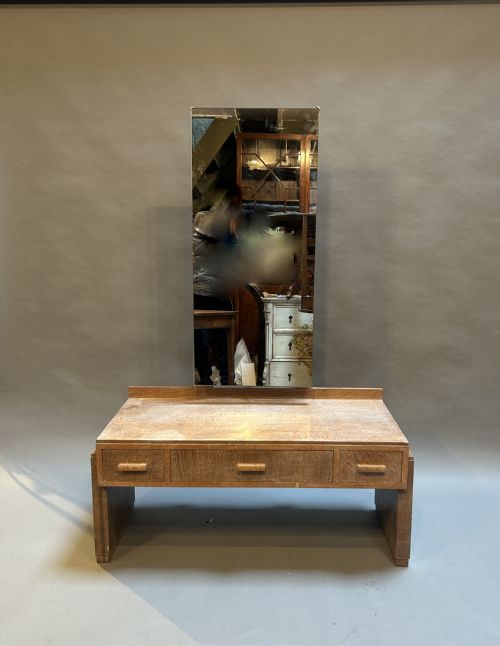
- A compact combination of a chest of drawers and a dressing table, frequently fitted with an adjustable mirror.
- Arts and Crafts
- A design movement advocating traditional craftsmanship, simple forms, and the use of local materials as a reaction against mass production.
Vintage Heals Oak Furniture: Frequently Asked Questions
How do I identify a genuine piece?
Look for paper labels, inset metal plaques, or stamped signatures associated with the London firm on drawers or internal framing.
Examine the construction methods and timber selection, as these pieces typically feature restrained modern proportions and quality oak joinery.
What is limed oak furniture?
Limed oak is timber treated with a white or pale pigment rubbed into the open pores of the grain to create a lighter finish.
This technique was widely adopted in the nineteen-twenties and nineteen-thirties to give traditional hardwood a contemporary, clean appearance.
How do I care for vintage oak surfaces?
Maintain the wood by applying a quality beeswax periodically and avoiding placement near direct heat sources or strong sunlight.
Clean surfaces gently with a dry or slightly damp cloth, avoiding harsh chemical sprays that can damage the polish or limed finish.
Are these pieces suitable for modern bedrooms?
Wardrobes, chests of drawers, and dressing tables from this era offer practical storage capacities tailored to contemporary homes.
Their restrained geometric forms and light wood tones integrate easily into various interior styles without overpowering smaller spaces.