


Vintage Hardwood Table
A vintage hardwood table brings dense, characterful timber and diverse regional craftsmanship into a room.
Vintage Hardwood Table
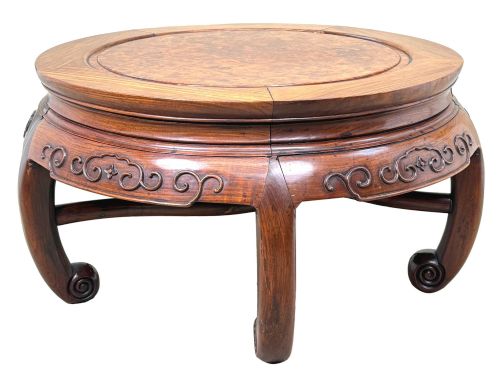
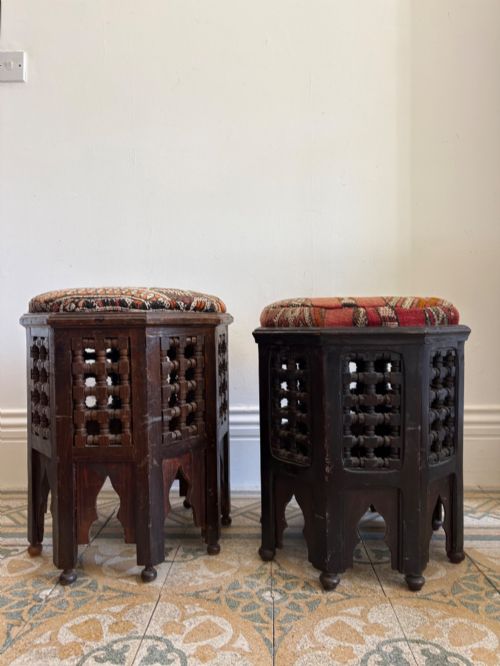
A vintage hardwood table covers a wide geographical spread, taking in Chinese export furniture, Anglo-Indian occasional pieces, and European butcher blocks alongside simpler rustic forms. Buyers searching for a vintage hardwood table encounter side tables, coffee tables, plant stands, and desks spanning the nineteenth century through the 1930s.
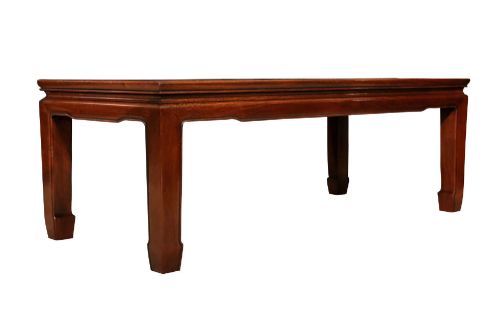
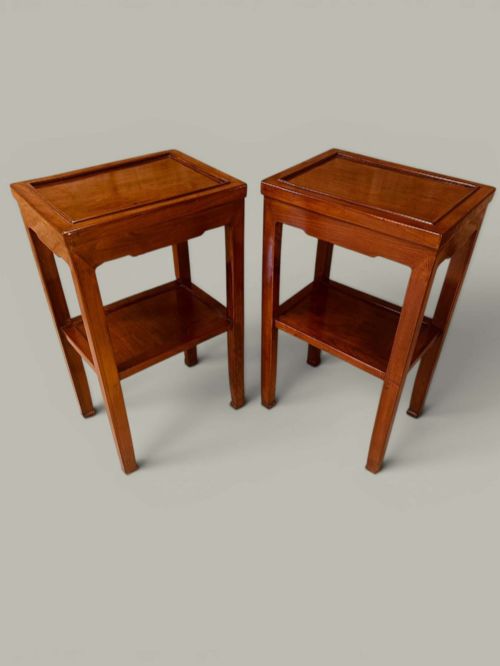
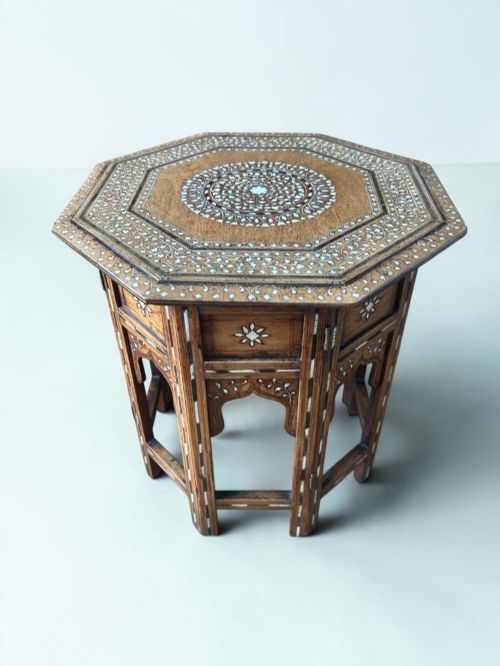
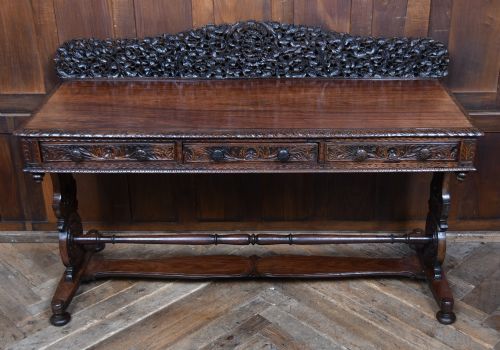
The most common examples on this page are carved occasional tables, opium tables, and plant stands featuring regional styles such as Anglo-Indian, Chinese Export, and traditional Chinese forms. These pieces range from compact stands inlaid with bone or mother-of-pearl to substantial partners desks and Hungarian pig benches made from oak and mixed hardwoods.
How they were made
Construction relies on dense timbers including teak, rosewood, padauk, lignum vitae, oak, and elm, often combined with secondary woods or iron bases. Makers utilised traditional joinery suited to heavy timbers, building sturdy frames designed to hold significant weight.
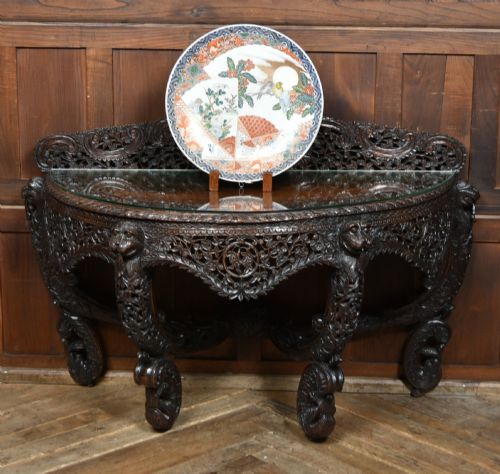
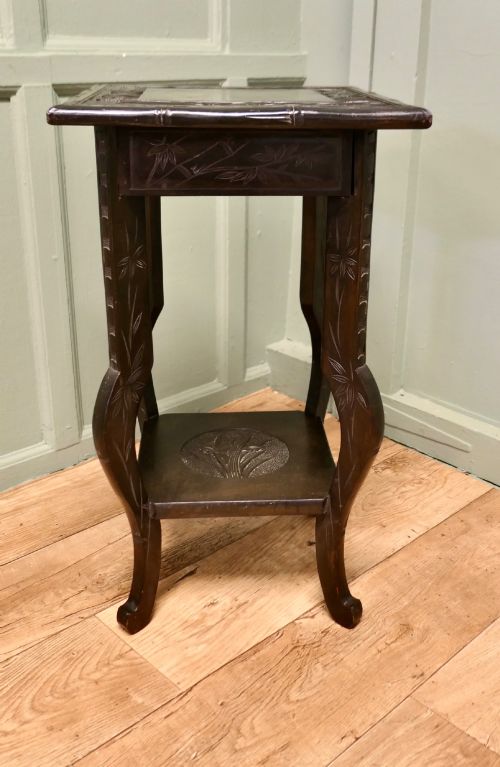
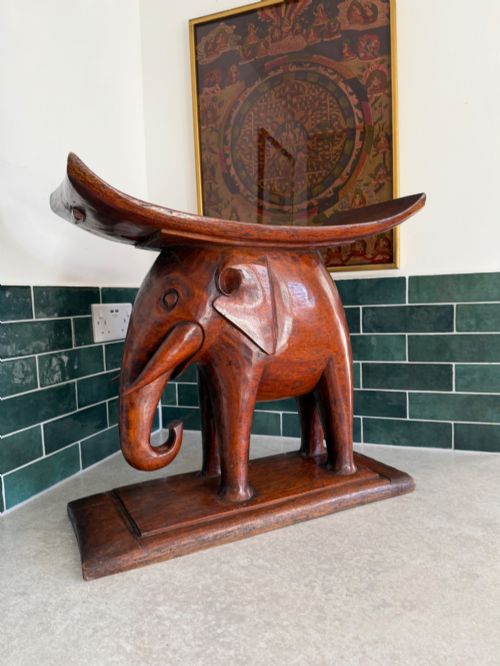
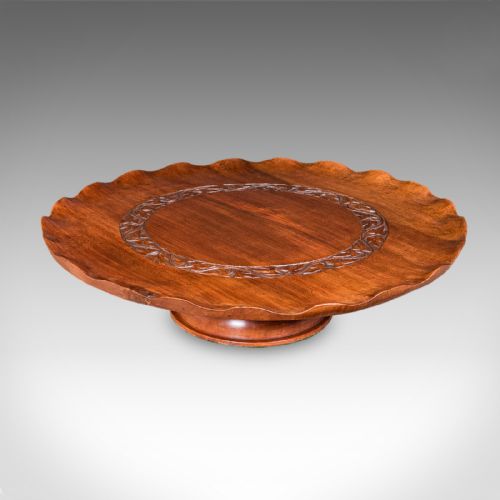
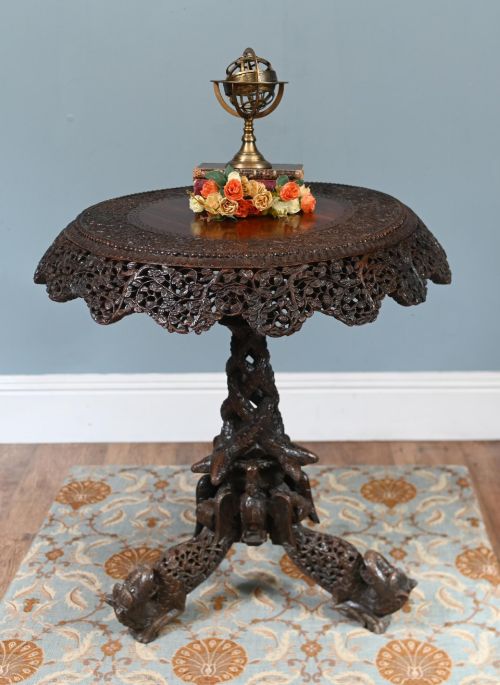
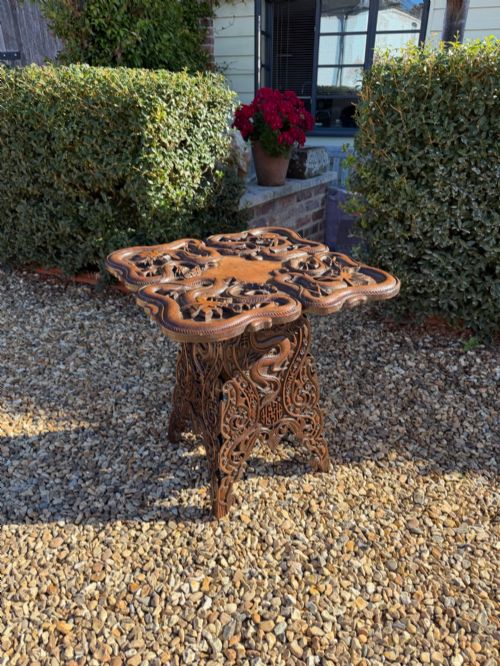
Surface ornamentation involved intricate hand-carving depicting dragons, elephants, and foliage, alongside contrasting inlays of brass, bone, mother-of-pearl, and marble. Finishes range from natural polished grain to painted surfaces on Hungarian butcher blocks and coffee tables.
Vintage Hardwood Table Retail Price Guide 2026
Typical asking prices for vintage hardwood table among the pieces listed under this phrase on Sellingantiques today, from the lower quarter to the upper quarter. They describe what is for sale here now, not the wider market.
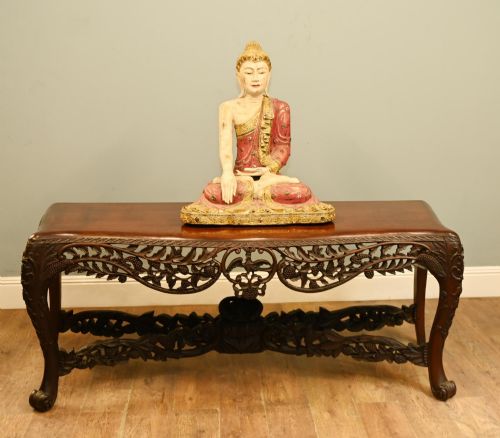
Regional styles span traditional Chinese export work, Anglo-Indian carved animal motifs, and rustic European butcher blocks.
What varies in quality
Quality rests in the crispness of the hand-carving and the precision of inlaid elements like brass wire, bone, and mother-of-pearl. Pieces with deeply undercut relief work and tightly fitted marble inserts sit at the higher end of the range.
The choice of dense exotic timbers such as padauk or rosewood marks out superior examples from standard utility items. Structural integrity in heavy items like partners desks and butcher blocks depends on the tightness of the original joints and the stability of the timber.
Liberty & Co
The Vintage Hardwood Table Glossary
- Hardwood
- Timber derived from angiosperm trees, typically broad-leaved deciduous varieties known for density and durability. Rosewood, teak, oak, and padauk fall into this category.
- Anglo-Indian
- Furniture made in India during the British colonial period, often combining British furniture forms with traditional Indian carving motifs. These pieces frequently feature intricate floral patterns and animal figures.
- Jardiniere stand
- A tall piece of furniture designed to hold a plant pot or flower arrangement. They often incorporate marble tops to resist water damage from plants.
- Opium table
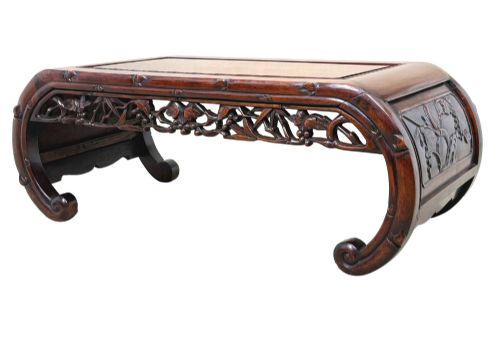
- A low rectangular or square table originating in China, traditionally used for resting while smoking or dining. They sit low to the ground and frequently feature carved corner brackets.
- Partners desk
- A large desk designed for two people to work opposite one another, featuring drawers and cupboards on both sides. These heavy pieces usually require substantial floor space.
Vintage Hardwood Table: Frequently Asked Questions
What is an Anglo-Indian table?
An Anglo-Indian table is a piece produced in India under British colonial influence, merging European forms with local craftsmanship. They are characterised by dense carving and contrasting inlays of bone or brass.
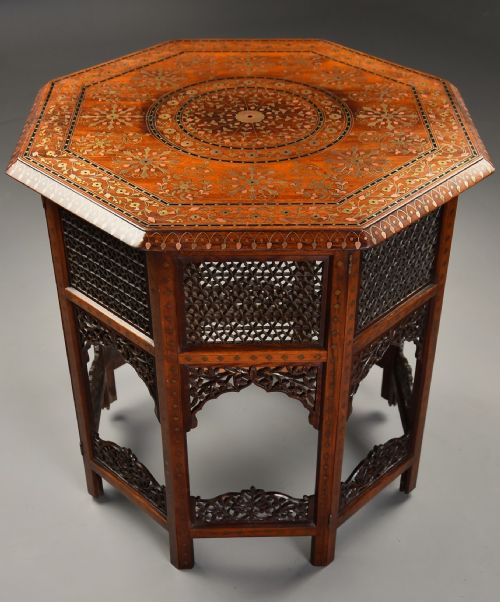
These tables range from small octagonal folding pieces to large occasional stands featuring animal motifs like elephants and dragons.
How are marble top stands used?
Marble top stands serve primarily as plant stands, jardiniere supports, or small display tables. The stone top provides a durable, water-resistant surface.
In period interiors, they displayed heavy porcelain vases or ferns, protecting the wood underneath from moisture.
How do I identify a Chinese opium table?
A Chinese opium table is recognised by its low profile, typically sitting just a few inches or a foot off the ground. They feature sturdy wooden construction with simple recessed legs or carved corner spandrels.
These compact tables work well today as low coffee tables or display surfaces in minimalist settings.