


Vintage Hand Painted China
Vintage hand painted china brings together decorative plates, painted figurines and coffee sets carrying brushwork from the eighteenth to the mid-twentieth century.
Vintage Hand Painted China
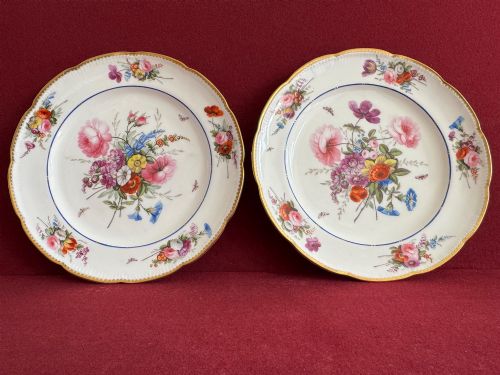
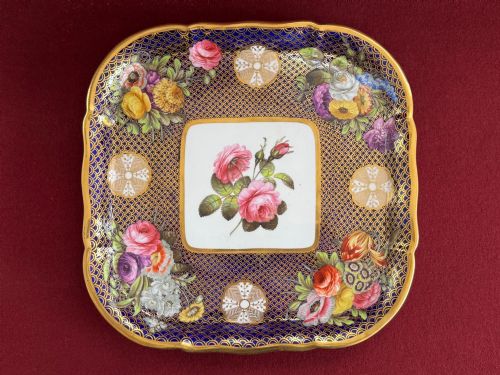
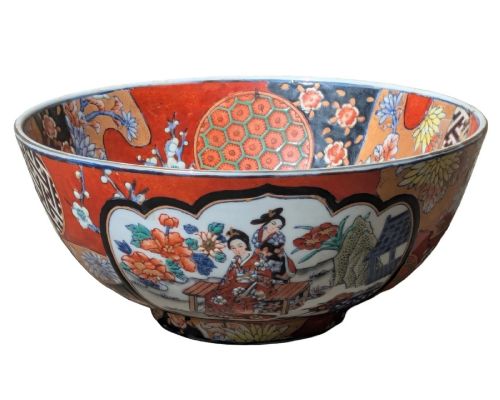
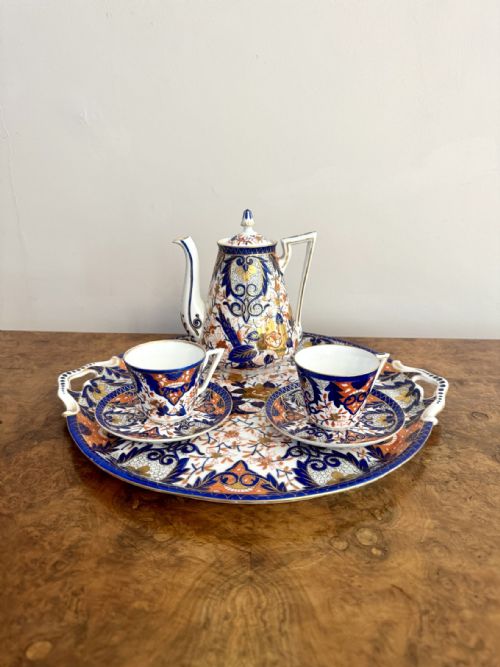
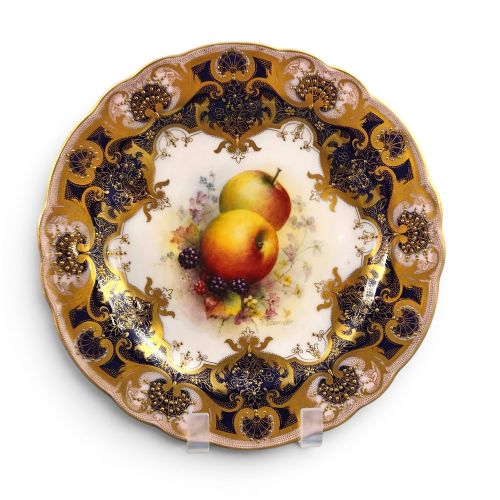
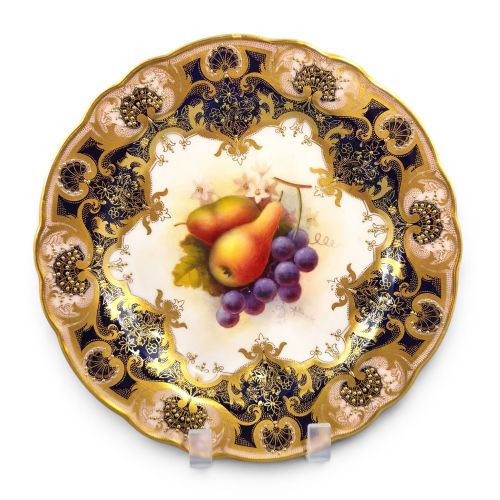
Vintage hand painted china encompasses a diverse array of ceramics decorated by hand, spanning periods from the eighteenth century through to the mid-twentieth century. Buyers encounter forms ranging from cabinet plates and dessert dishes to figurines, vases, coffee sets and large dinner services. The selection includes works by notable English factories alongside imported Japanese Imari pieces and earlier Delft dishes.
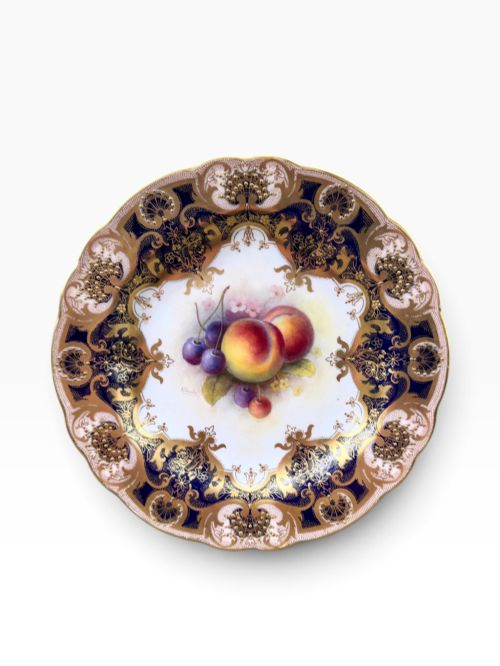
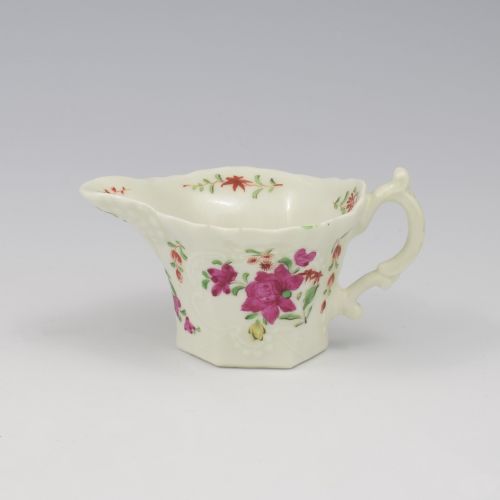
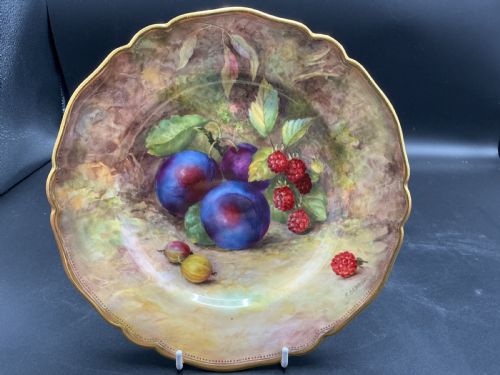
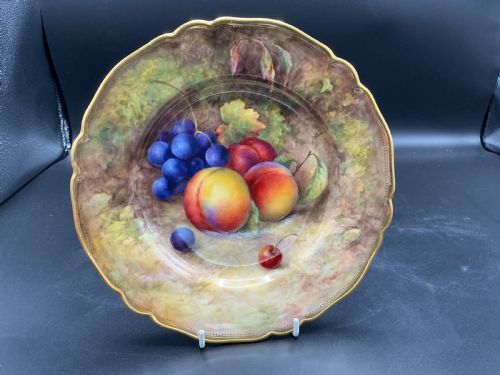
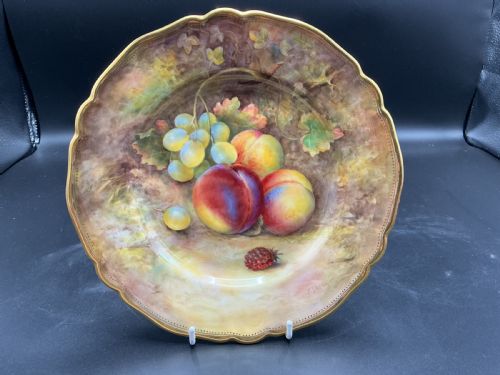
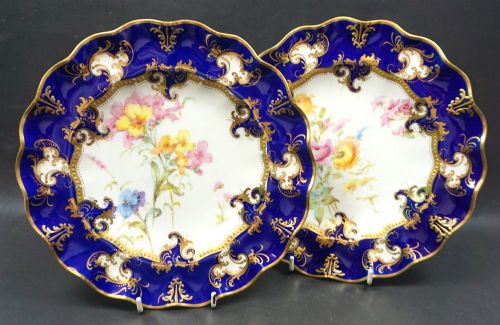
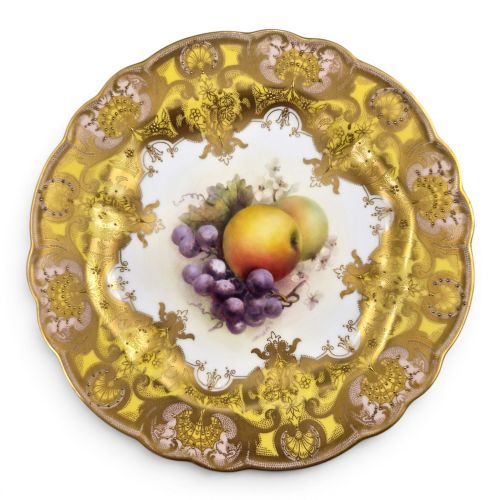
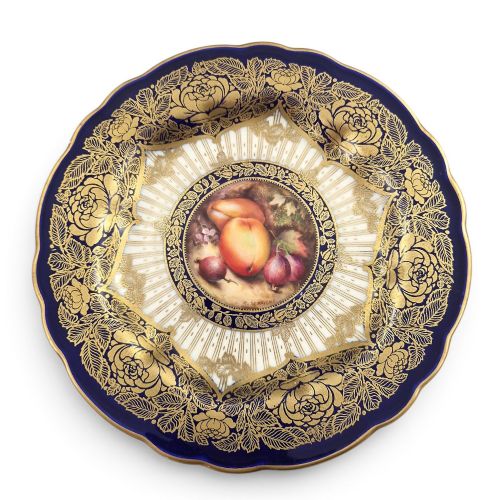
Cabinet plates painted with fruit or floral scenes feature heavily, alongside porcelain figurines modelled by major English makers. Domestic vessels such as jugs, cups and saucers also appear, carrying traditional patterns or hand-applied motifs on bone china, porcelain and ironstone.
How they were made
Potters shaped these objects using porcelain, bone china, ceramic and ironstone before applying glazes and hand-painted enamel colours. Artisans then utilised gold leaf and gilding to accentuate rims, handles and decorative borders, often firing the pieces multiple times to set the metallic and enamel details.
Skilled painters executed detailed botanical studies, figural subjects and Japanese-inspired patterns directly onto the fired body. Signature pieces display the individual brushwork of named artists who specialised in naturalistic fruit or intricate landscape scenes.
Several porcelain figures depict nineteenth-century literary characters caught in awkward social moments.
What varies in quality
Quality rests upon the skill of the artist and the prestige of the factory responsible for the blank and the painting. Pieces bearing the signatures of renowned porcelain painters command greater attention than anonymous factory work.
The crispness of the moulding, the complexity of the enamel palette and the generous application of gold leaf separate standard production wares from master-painted cabinet pieces.
Royal Doulton·Royal Worcester·Royal Crown Derby·New Hall
The Vintage Hand Painted China Glossary
- Cabinet plate
- A decorative ceramic plate intended for display rather than dining. These often feature elaborate hand-painted central motifs.
- Gilding
- The application of gold leaf or gold paint to ceramic surfaces. It highlights rims and decorative borders.
- Imari
- A style of Japanese export porcelain characterised by underglaze blue and iron red, with supplementary gold. British potteries frequently copied these traditional patterns.
- Enamel
- Opaque glass-like paint applied over the glaze of fired ceramic. It provides the vibrant colours found in hand-painted china.
Vintage Hand Painted China: Frequently Asked Questions
How do I display cabinet plates safely?
Cabinet plates look best mounted on sturdy wall brackets or supported on dedicated display stands inside glazed cabinets. Ensure the weight is evenly distributed to protect the ceramic body.
Keep display areas away from direct sunlight to prevent the hand-painted enamel colours from fading over time.
Can I use these coffee sets for daily dining?
Most antique coffee sets and dinner services are fragile due to their age and delicate gilding. Hand-washing in lukewarm water with mild soap preserves the enamel and gold leaf.
Avoid placing these historic ceramics in dishwashers or microwaves, as thermal shock and harsh detergents damage the glaze.
How do I identify a painted artist signature?
Artists often signed their miniature work directly onto the front of cabinet plates near the edge of the painted scene. Look closely near the flora or fruit for handwritten initials or full surnames.
Factory backstamps on the underside of the base help date the piece and confirm which ceramic decorator or pottery created the item.
What distinguishes bone china from standard porcelain?
Bone china incorporates bone ash into the clay mixture, producing a stronger body with a warmer, slightly translucent appearance. Standard porcelain relies on kaolin and petuntse for a whiter, harder finish.
Both materials accepted hand-painted enamels well, though bone china became the preferred medium for many nineteenth-century English factories.