
Vintage Hand Mirror
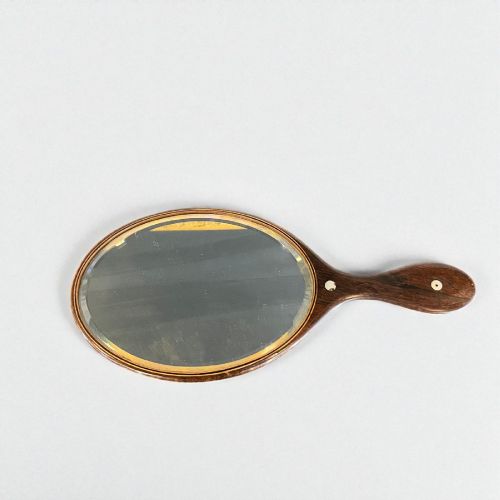
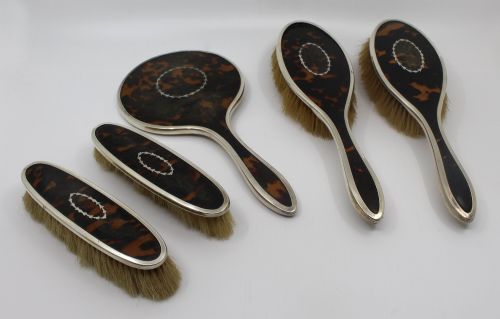
A vintage hand mirror is a tactile dressing table accessory combining reflective glass with precious metal, enamel, or carved wood, valued for daily vanity use and craftsmanship.
Vintage Hand Mirror
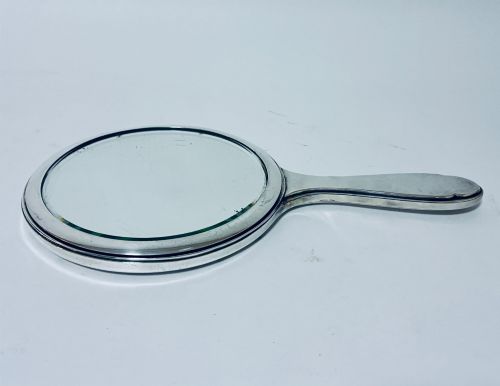
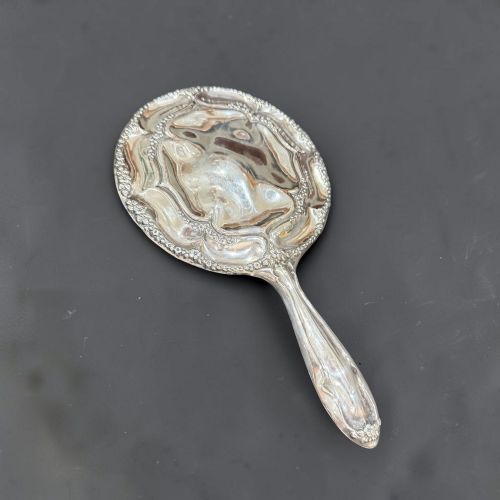
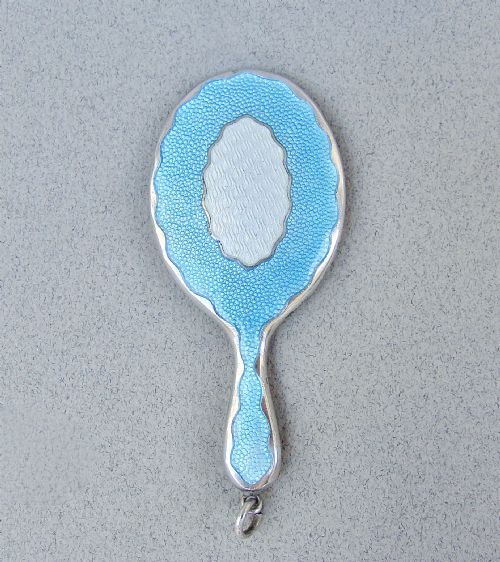
A vintage hand mirror is a portable looking glass designed for personal grooming, most commonly encountered in sterling silver paired with decorative enamel or embossed metalwork from the early twentieth century.
The pieces on this page span the Victorian, Edwardian, and Art Deco periods, alongside Georgian examples and mid-century items, reflecting changing decorative tastes on dressing tables.
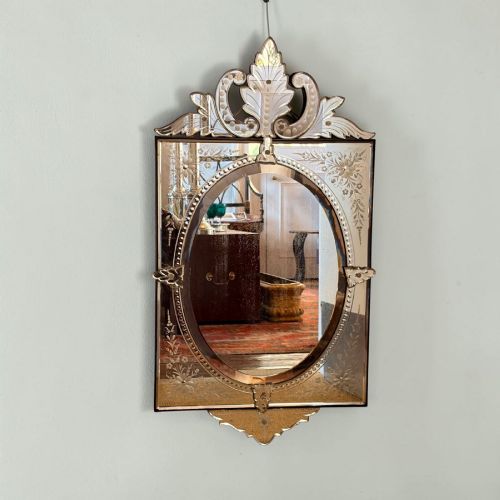
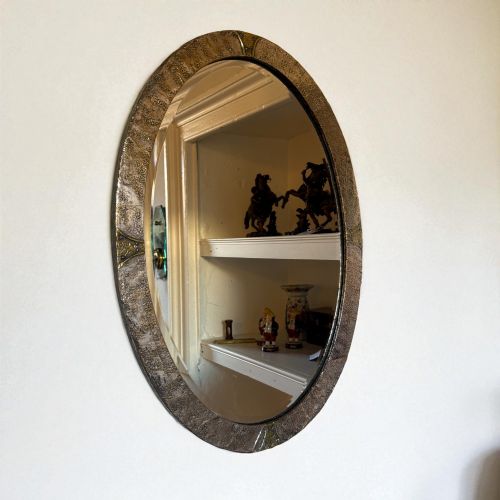
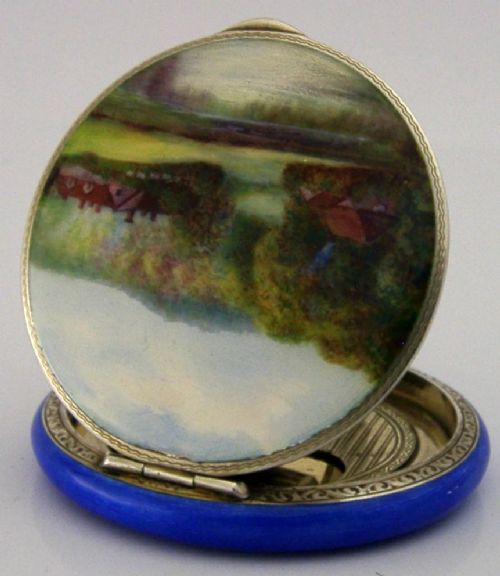
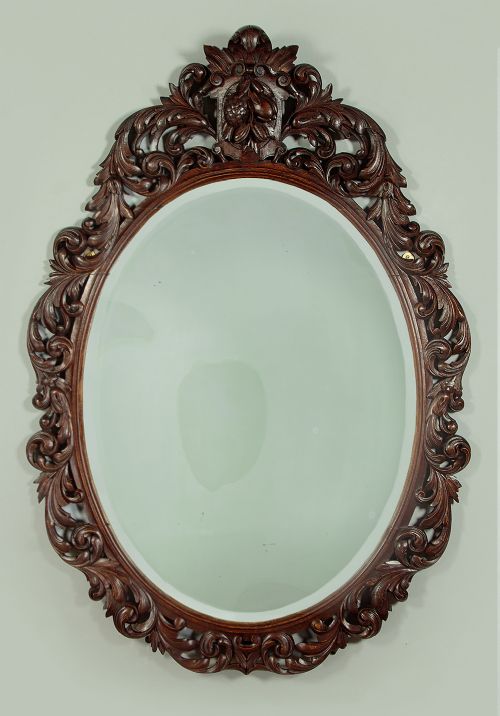
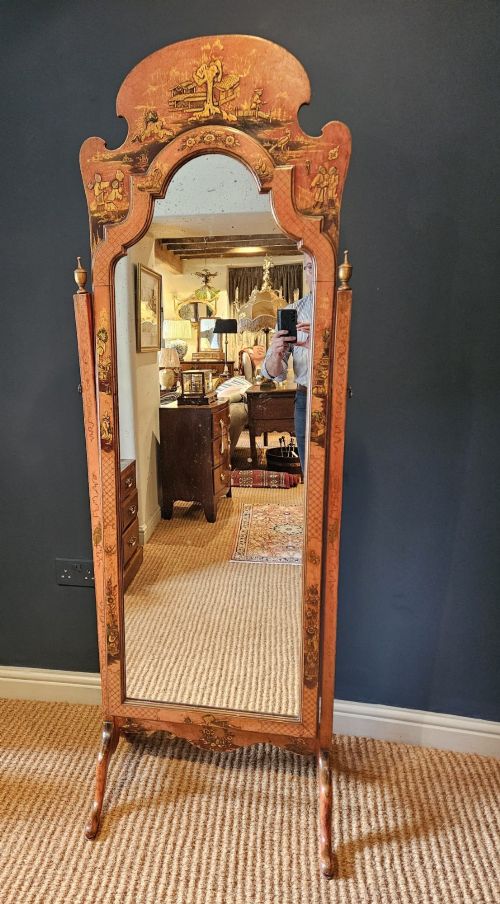
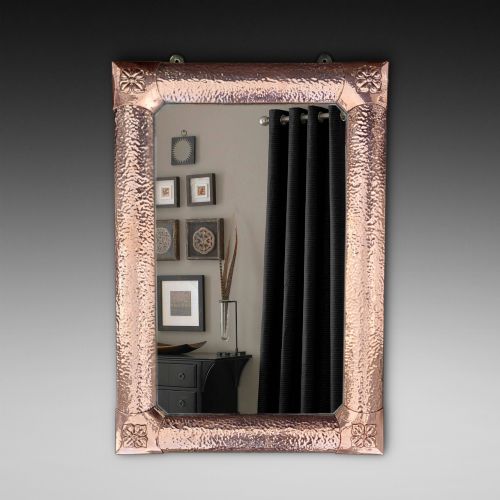
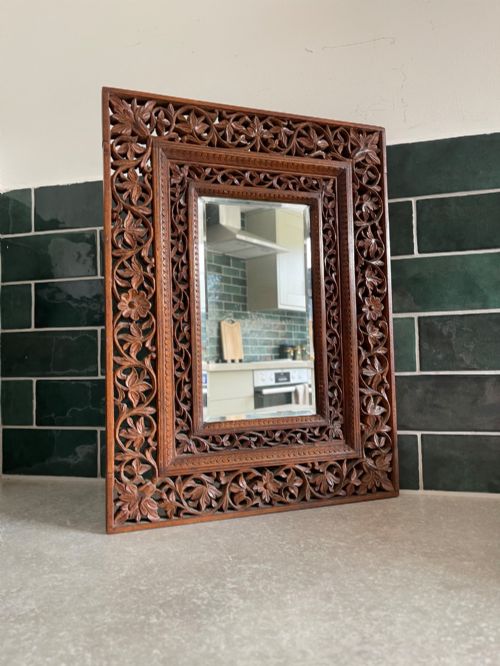
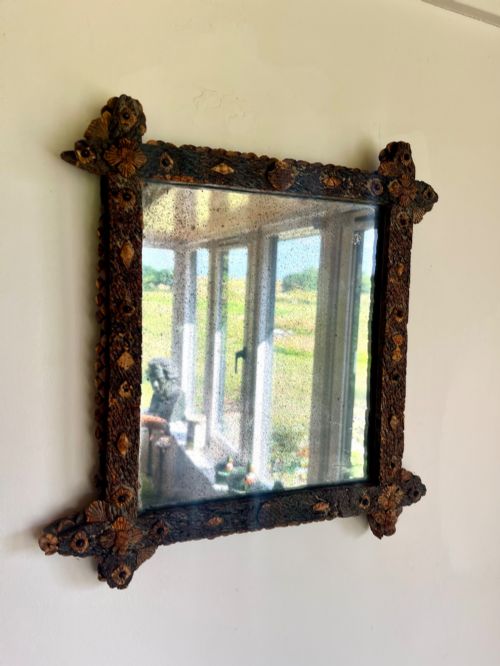
Beyond handheld vanity items, related domestic mirror forms appear in the selection, including wall-mounted designs, compacts, and travelling mirrors fashioned from wood, copper, and brass.
How they were made
Silversmiths and metalworkers utilised sterling silver, brass, and copper, applying techniques such as repoussé embossing, hand beating, and guilloche enamel decoration to the frames.
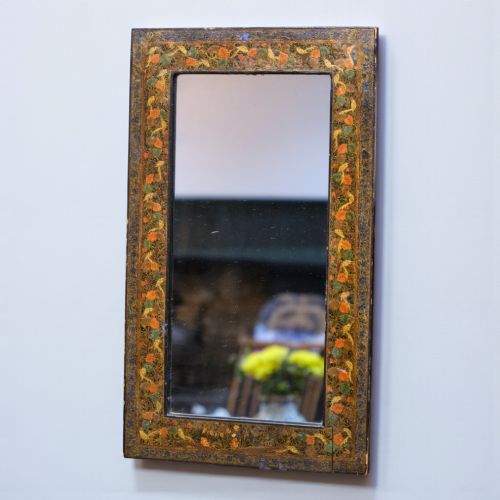
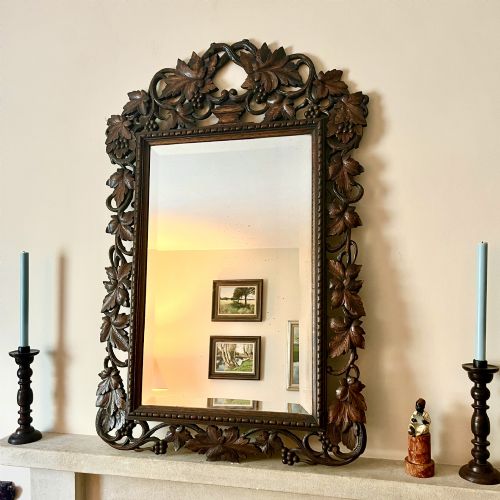
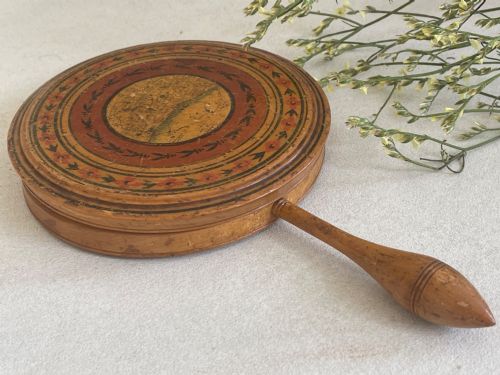
Woodworkers carved oak, ebony, limewood, and lacquered wood to form sturdy frames, sometimes incorporating painted silk or floral artwork beneath the glass or on the backing.
Keep an eye out for flying predators frozen in domestic utility, such as the Black Forest carved bird of prey mirror.
What varies in quality
Quality in these pieces rests upon the precision of the metalwork and the clarity of any applied enamel, where hand-painted floral details or intricate guilloche patterning indicate higher artisan skill.
The weight and gauge of the sterling silver or copper frame, alongside the depth and crispness of carved wooden motifs, separate standard production pieces from finer workshop creations.
Liberty & Company·Henry Williamson·Charles Boyton·S Blanckensee & Son·Giuliano Spinelli·Garrards
The Vintage Hand Mirror Glossary
- Guilloche enamel
- A decorative technique involving precise mechanical engraving beneath translucent enamel layers. It creates a repetitive geometric pattern that shimmers in the light.
- Repoussé
- A metalworking method where the artisan hammers the design from the reverse side to form raised relief patterns on the front. This technique gives silver and copper frames a tactile, dimensional quality.
- Tunbridge ware
- Small wooden objects decorated with tiny mosaic tiles made from different natural woods to form geometric or pictorial scenes. These items represent meticulous nineteenth-century carpentry.
- Pier glass
- A tall mirror designed to fit on the wall between windows. These pieces often feature hand-painted details or carved gilt wood frames.
Vintage Hand Mirror: Frequently Asked Questions
How do I clean a sterling silver hand mirror?
Sterling silver benefits from gentle cleaning with a soft cloth and a specialised silver polish to remove tarnish without scratching the metal surface.
Care must be taken around painted enamel or inset glass to avoid harsh chemical contact that might ruin the decorative finish.
Are these mirrors suitable for daily use?
These pieces were built for functional vanity use on Edwardian and Art Deco dressing tables, making them sturdy enough for careful everyday handling.
Enamelled and painted examples require extra mindfulness to prevent chipping or scratching the delicate surfaces during use.
How can I tell an Art Deco mirror from an Edwardian one?
Edwardian mirrors frequently display flowing floral motifs, embossed cherubs, and romantic sterling silver repoussé work characteristic of the early 1900s.
Art Deco pieces introduce geometric guilloche enamel patterns, streamlined silhouettes, and vibrant yellow, green, or blue colour palettes from the late 1920s onward.
What materials were used for the mirror glass?
Earlier pieces utilise traditional mirror glass set securely within weighted metal or wooden frames, sometimes featuring bevelled edges.
Over the decades, manufacturing methods evolved, but glass remained the primary reflective medium across compacts, hand mirrors, and wall styles.