




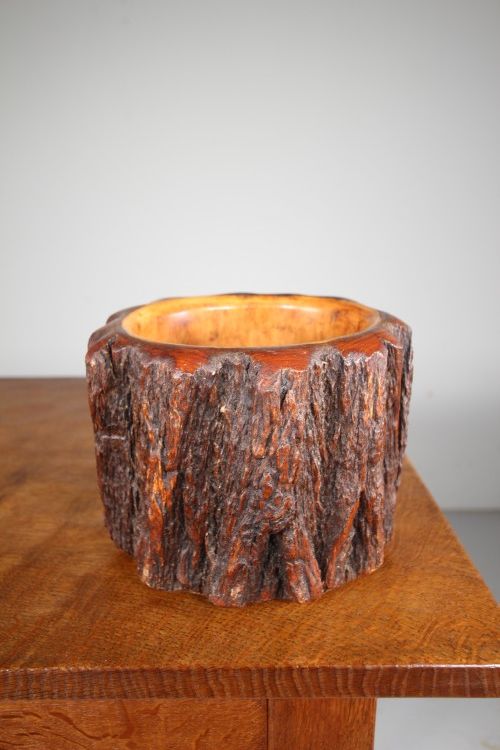


Vintage Hand Carved Bowl
A vintage hand carved bowl brings tactile warmth and domestic history to a room.
Vintage Hand Carved Bowl
A vintage hand carved bowl encompasses functional vessels and kitchenware shaped from timber, stone, and metal across multiple centuries. Buyers encounter diverse regional traditions ranging from European dairy vessels to Anglo-Indian platters and Chinese mortars.
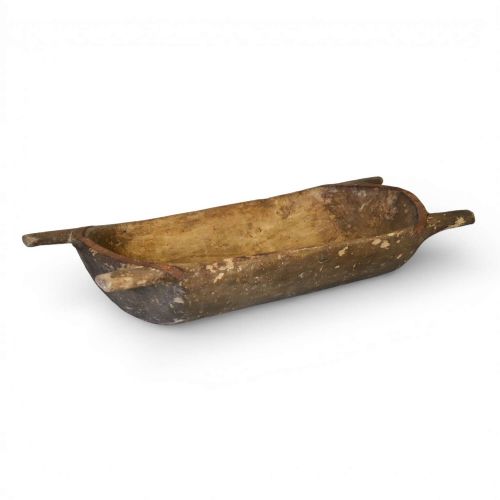
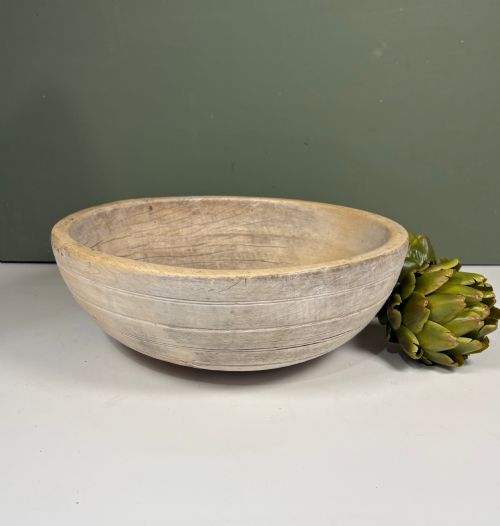
The domestic wooden bowl dominates the selection, particularlysycamore dairy bowls and French farmhouse kneading dough bowls from the nineteenth century. These utilitarian objects show the deep tool marks left by makers shaping solid wood for daily use.
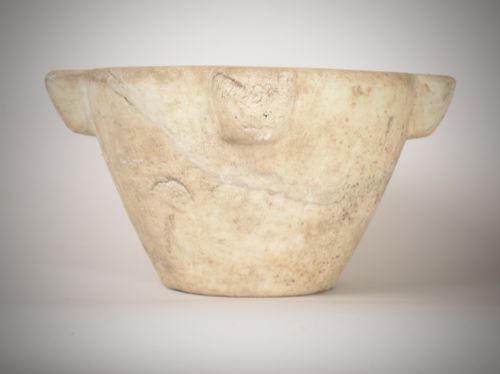
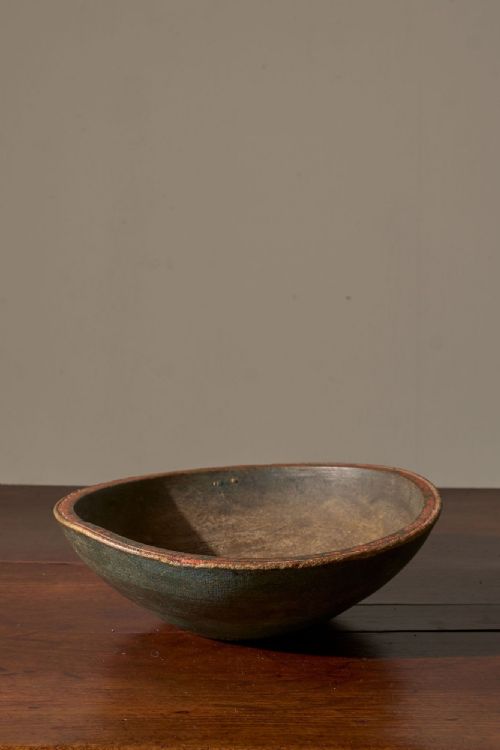
Beyond plain timber, the grouping includes painted Swedish bowls, heavy stone mortars, and decorative centrepieces carved with botanical motifs. Each piece reflects the specific material available to the maker and the culinary or domestic traditions of its origin.
Materials and construction
Makers shaped these bowls from solid timber such as sycamore, oak, olive wood, shisham, and elm using adzes, gouges, and chisels. Dug-out construction from a single block of wood ensured strength for heavy kitchen tasks like kneading dough or dairy processing.
Alternative materials include carved stone and marble for mortars, alongside metals such as copper and cast iron. Painted surfaces on wooden vessels rely on traditional pigments applied over gesso or direct to the wood, developing distinctive wear over time.
Regional forms include Swedish painted vessels, Welsh scoops, French kneading bowls, and Anglo-Indian ceremonial pieces.
Evaluating quality and character
Quality rests in the integrity of the carving and the depth of the surface patina accumulated through decades of handling and use. Crisp chisel work on decorative pieces and smooth, undulating wear on utilitarian dairy bowls signal superior craftsmanship.
The balance of the form and the preservation of original paint or natural wood grain determine the visual impact of the vessel. Heavier timber thickness and robust construction separate daily kitchen implements from lighter decorative wares.
The Vintage Hand Carved Bowl Glossary
- Dairy bowl
- A wide, shallow wooden vessel traditionally used for setting milk and skimming cream. These items usually feature flat bases and sturdy turned or carved rims.
- Dough bowl
- A large vessel utilised for mixing and proving bread dough in farmhouses. Their generous proportions often show heavy interior wear from scraping implements.
- Treen
- Small handmade wooden objects for domestic use. The term derives from the Old English word for tree.
- Patina
- The surface sheen and colour developed on materials through age, handling, and regular polishing. This layer offers evidence of a piece's history.
- Mortar and pestle
- A heavy bowl paired with a club-shaped tool used for grinding and crushing ingredients. Stone and hardwood examples survive from multiple centuries.
Vintage Hand Carved Bowl: Frequently Asked Questions
What were vintage wooden bowls used for?
These wooden bowls served practical roles in domestic life, ranging from dairy processing and bread making to general kitchen storage and serving.
Over decades, their daily handling for kneading dough or setting milk created the deep interior wear and rich surface patinas prized today.
How do I date an old carved bowl?
Dating relies on tool marks left by the maker, timber species, regional form, and the presence of original paint or surface finishes. Eighteenth and nineteenth-century examples often display irregular adze marks from hand shaping.
Examining the base and rim wear helps distinguish earlier vernacular pieces from twentieth-century decorative reproductions.
Can I use an antique bowl for food?
Many wooden and stone vessels were originally created for food preparation, such as dairy work or grinding spices with a pestle. However, historic finishes, drying cracks, and historic repairs may make modern culinary use impractical.
Buyers usually display these items as decorative centrepieces or fruit bowls to preserve their historic surfaces.
How should I clean a wooden bowl?
Cleaning requires a soft, dry cloth or a barely damp sponge without soaking the timber in water. Excessive moisture causes historic wood to swell, crack, or warp.
Applying a neutral beeswax or mineral oil occasionally helps nourish dry timber and maintains the historic surface sheen.