





Vintage Hallway Runner Carpet
A vintage hallway runner carpet brings character and linear warmth to narrow spaces through traditional weaving styles from the nineteenth and early twentieth centuries.
Vintage Hallway Runner Carpet
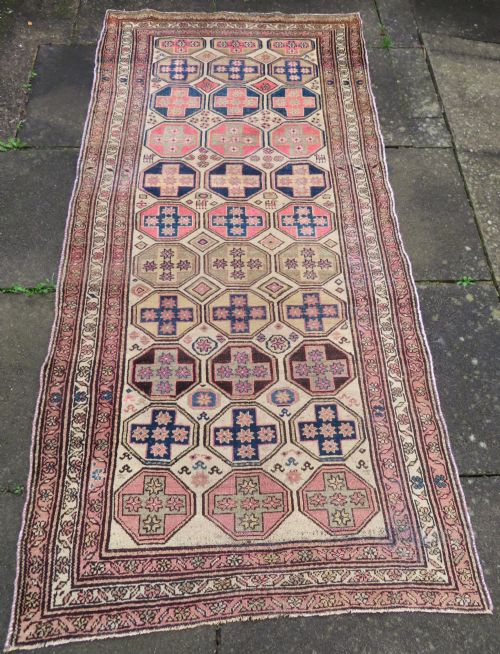
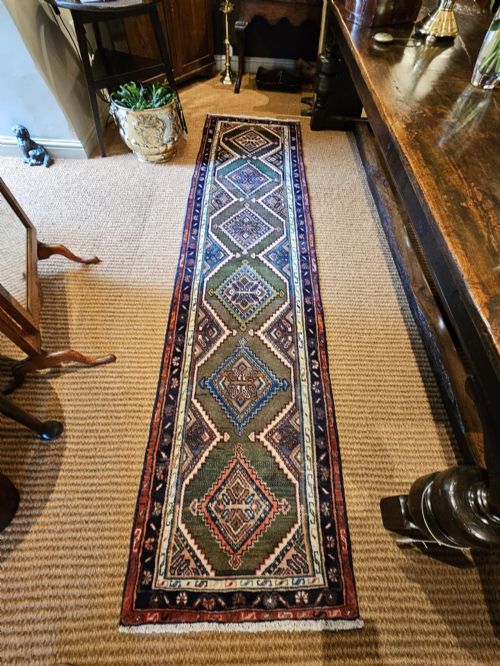
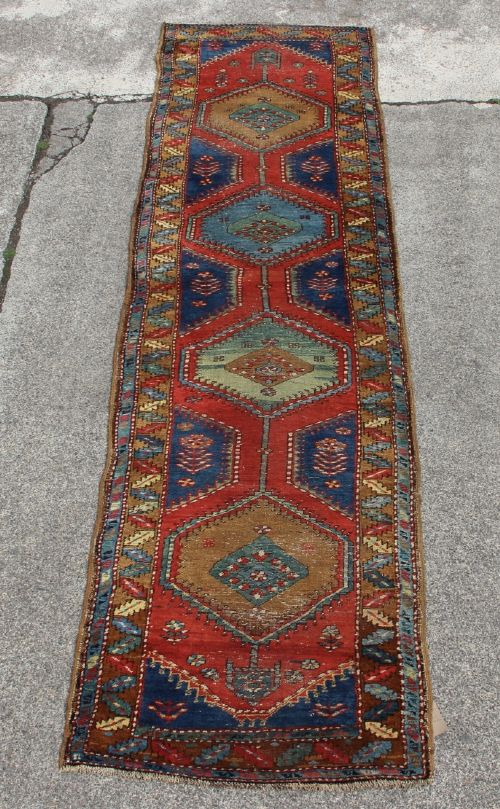
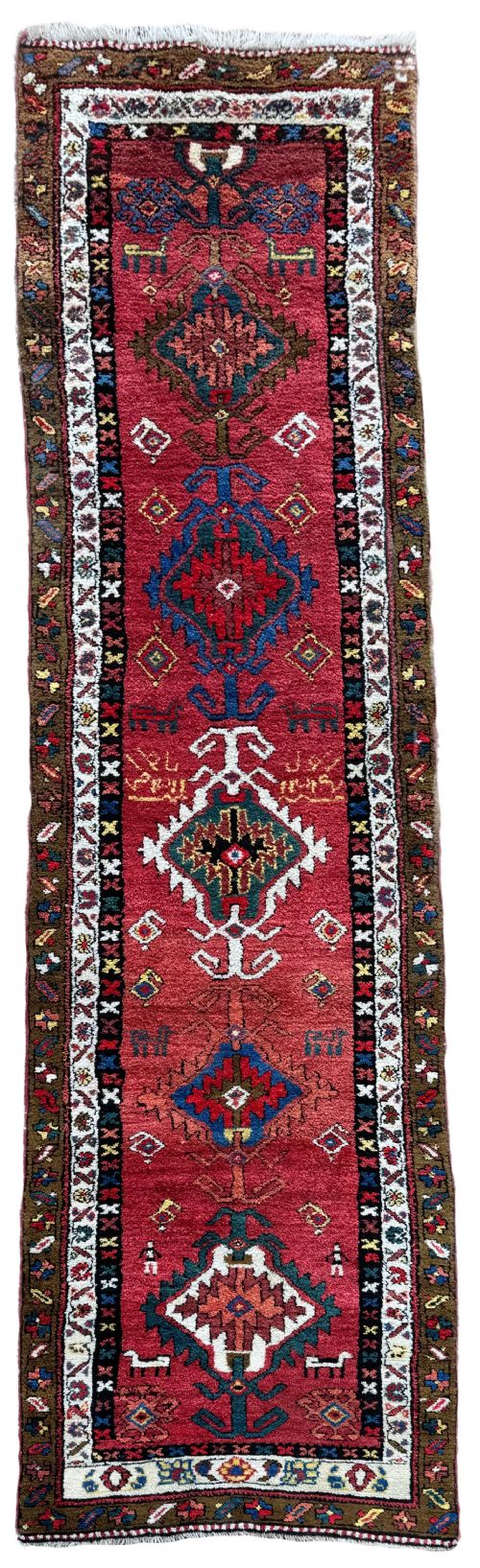
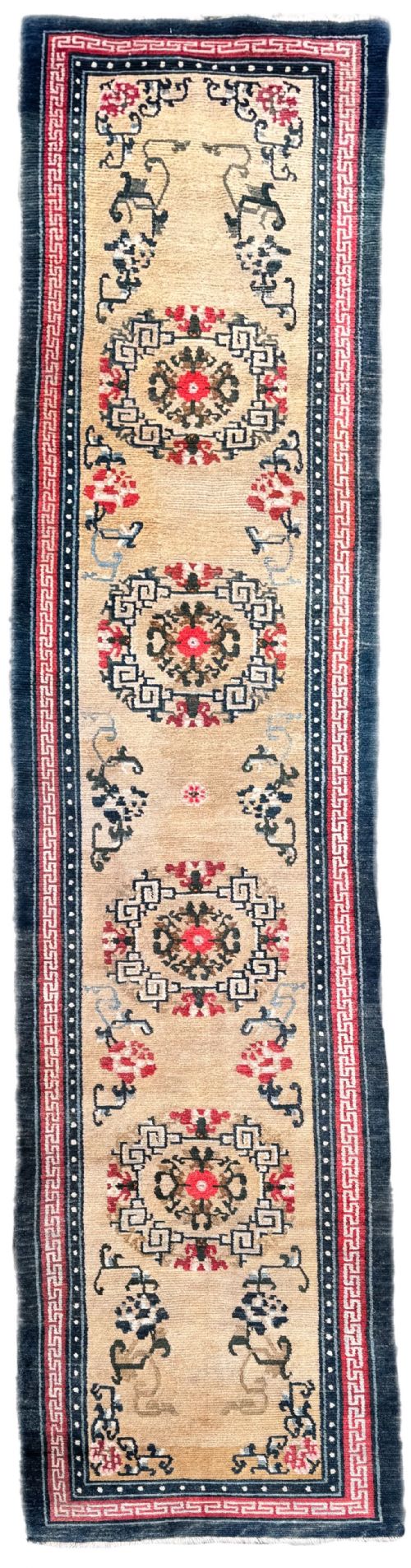
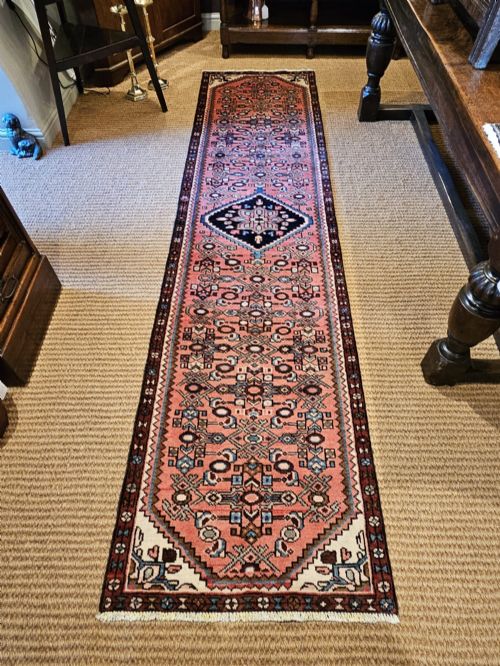
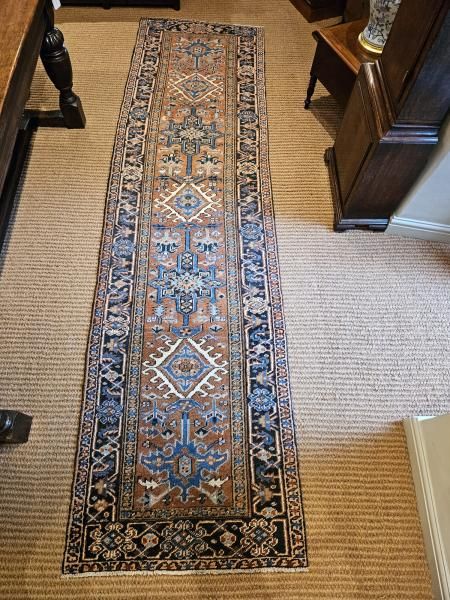
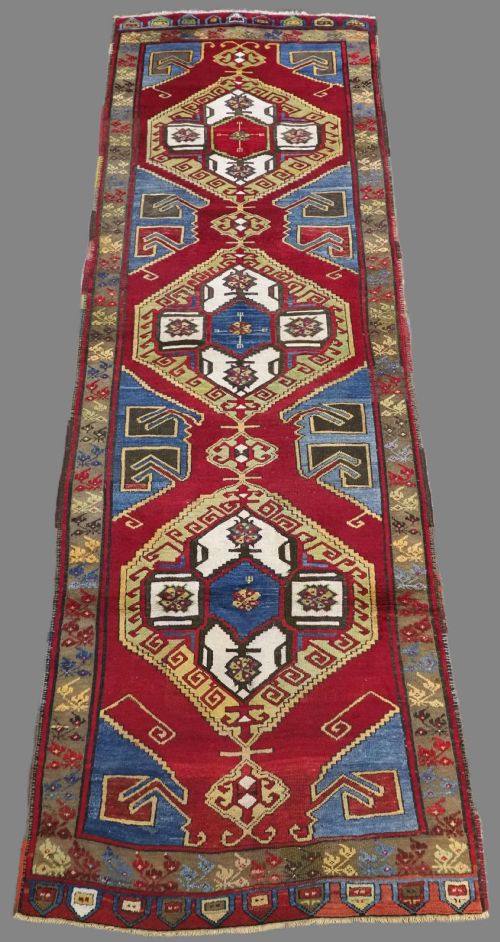
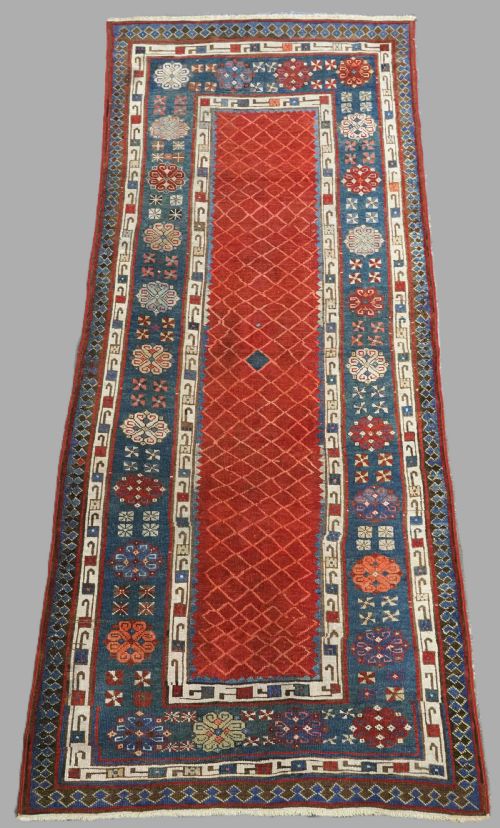
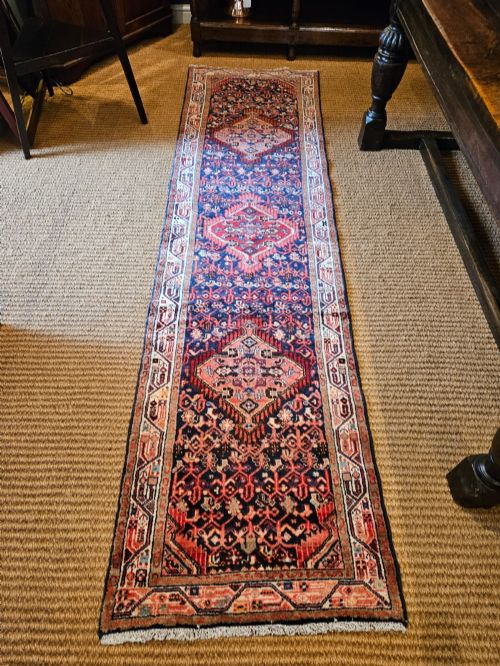
A vintage hallway runner carpet is typically an elongated floor covering designed specifically for corridors, landings and narrow walkways. The pieces on this page span several decades from the late nineteenth century through to the mid twentieth century, originating from weaving traditions across Persia, Turkey, the Caucasus and Tibet.
Buyers will encounter various regional styles, including Kurdish, Heriz, Ushak, Caucasian and Anatolian designs. These long, narrow formats were woven to fit domestic architecture, bringing distinct tribal and traditional motifs into long spaces.
The materials are fundamentally grounded in traditional textile production, relying on durable foundations to withstand heavy foot traffic over generations. Each piece demonstrates the specific decorative vocabulary of its originating weaving community, from geometric lattices to floral medallions.
What varies in quality
Quality in a vintage hallway runner carpet rests upon the tightness of the knotting and the structural integrity of the foundation. Tighter weaves and finer wool manipulation allow intricate designs, such as lattice patterns and detailed medallions, to remain crisp and defined.
The handling of natural dyes and the preservation of the original pile depth also distinguish individual pieces. Wear across older textiles changes the character of the surface, altering how the wool reflects light and how the secondary colours settle into the background.
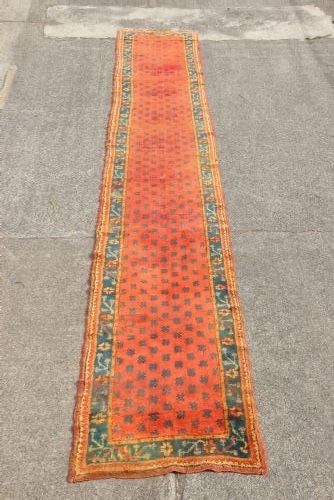
Some runners stretch to an impressive thirty-two feet, ready for the grandest country house hallway.
The Vintage Hallway Runner Carpet Glossary
- Runner
- A long, narrow carpet format specifically proportioned for corridors, hallways and staircases. It guides movement through domestic spaces.
- Pile
- The cut or looped surface of the carpet standing up from the foundation. It provides the soft, protective layer underfoot.
- Warp
- The vertical threads stretched on the loom before weaving begins. They form the structural backbone of the entire textile.
- Weft
- The horizontal threads passed alternately over and under the warp threads. They bind the knots securely in place.
- Medallion
- A large, central ornamental motif placed in the field of the carpet. It often anchors the surrounding geometric or floral design.
Vintage Hallway Runner Carpet: Frequently Asked Questions
Where do these hallway runners originate?
These runners originate from traditional weaving regions including Persia, Turkey, the Caucasus and Tibet. Each area developed distinct patterns and structural techniques.
Nomadic tribes and village workshops produced these pieces to suit specific regional aesthetics and domestic requirements.
What materials are used in these carpets?
The pieces are constructed primarily from wool and cotton. Wool provides a resilient surface pile for everyday use.
Cotton is commonly utilised for the foundational warp and weft threads to maintain structural stability along long spans.
How do I choose the right length?
Measure your hallway carefully, leaving a border of exposed floorboards or tiles around the perimeter. Long narrow formats stretch across extended corridors and landings.
Consider the proportions of your space to ensure the runner sits comfortably without blocking doors.
How do I care for an old wool runner?
Vacuum the runner gently using a suction-only attachment to protect the delicate wool pile and fringes. Regular, careful cleaning prevents dust from settling deep into the foundation.
Rotate the piece periodically to distribute foot traffic evenly across the length of the carpet.