
Vintage Hall Coat Pegs
These vintage hall coat pegs organise busy entryways with period character, offering robust utility for coats, hats and umbrellas.
Vintage Hall Coat Pegs
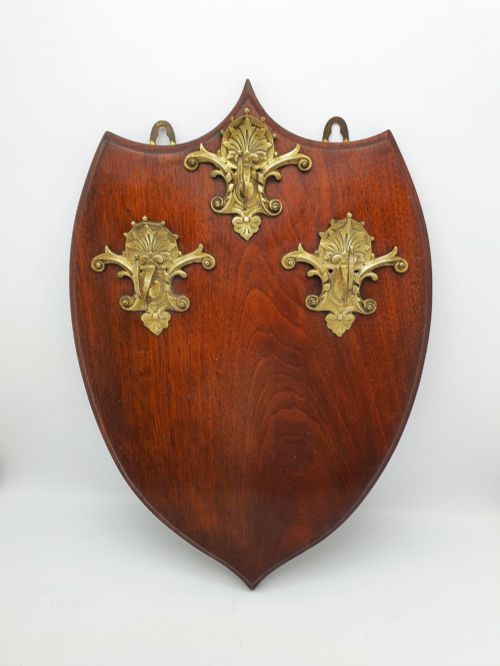
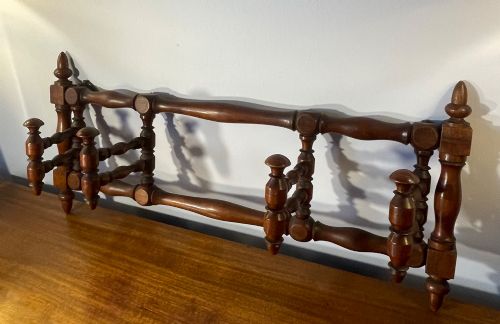
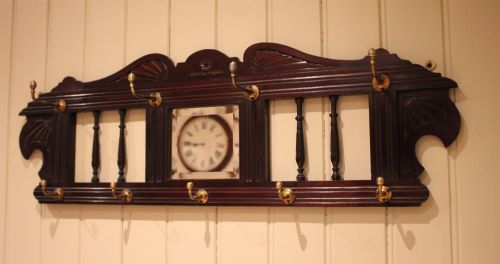
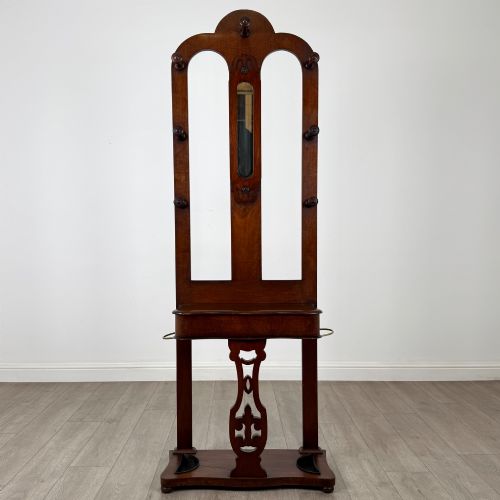
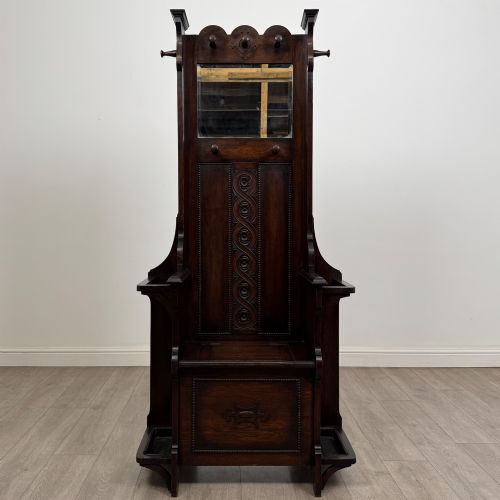
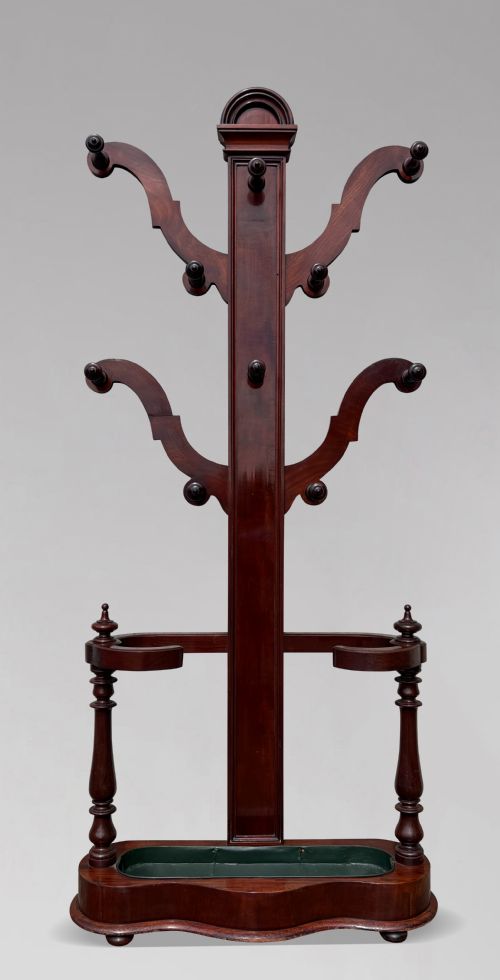
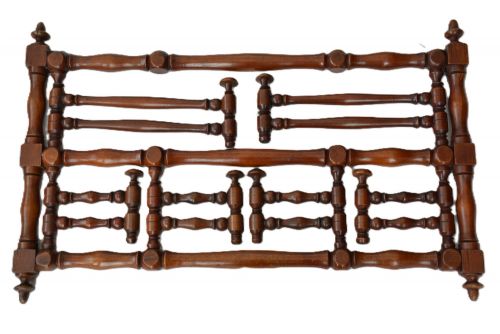
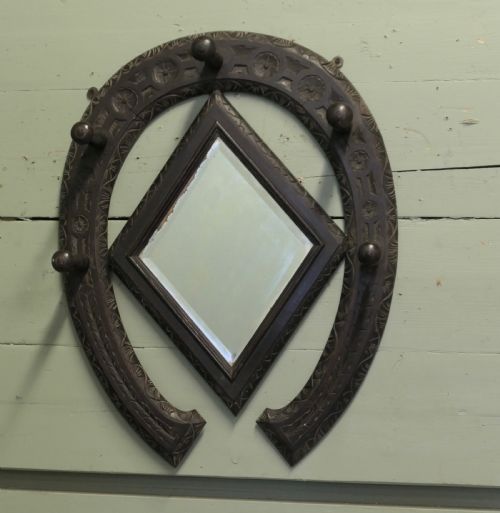
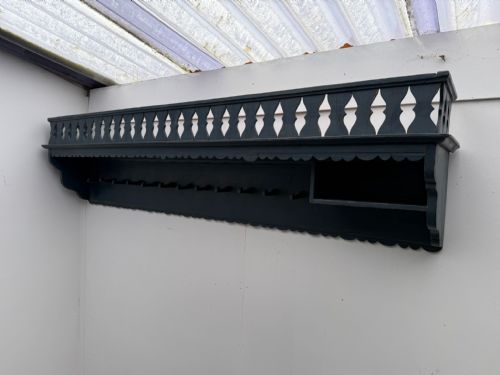
Vintage hall coat pegs appear in various configurations, ranging from simple wall-mounted rails to elaborate freestanding hall stands featuring integrated mirrors and umbrella holders. The most frequent examples encountered on this page date from the nineteenth century through the early decades of the twentieth century, reflecting Victorian, Edwardian and Art Deco tastes.
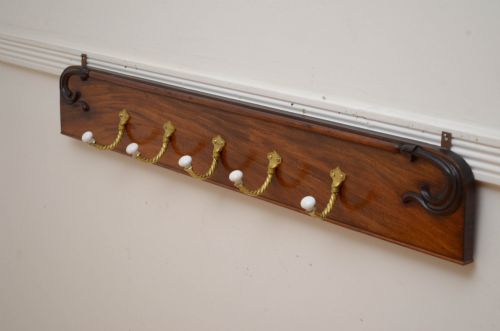
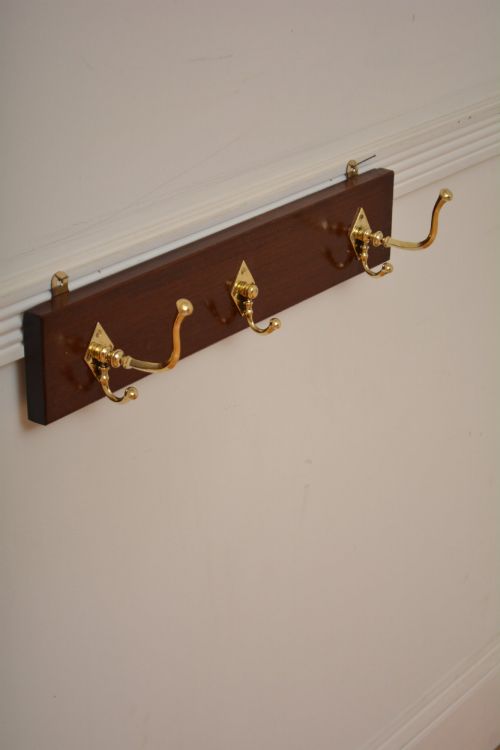
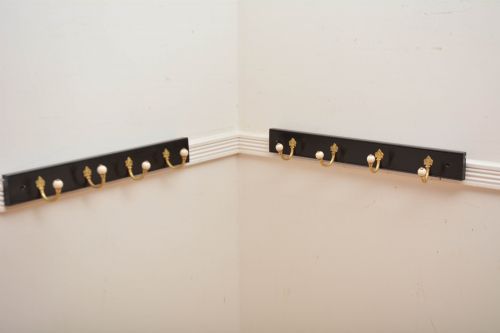
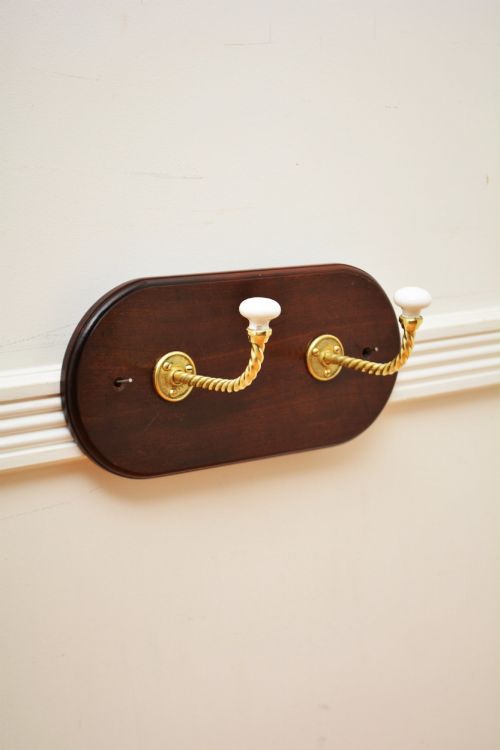
Makers fashioned these pieces primarily for domestic reception rooms and cloakrooms, utilising sturdy timbers and metals to withstand daily outerwear. Buyers encounter formats spanning single brass hooks, rows of ceramic-tipped pegs mounted on oak or mahogany boards, and architectural bentwood structures.
Materials and construction methods
Craftsmen built these fixtures using dense hardwoods such as oak, mahogany, walnut and beech, frequently pairing them with cast brass, bronze, gilt brass or iron hooks. Some iterations incorporate turned glass or ceramic elements into the peg design, whilst bentwood examples utilise steam-bent timber techniques pioneered by makers like Thonet.
Structural integrity relied on secure joinery, screw fixings and wall-mounting brackets designed to bear the heavy weight of winter garments. Surfaces show traditional finishes including French polish, painted coatings or simulated bamboo effects achieved through skilled carving and painting.
Listings feature oak, mahogany, walnut, beech, brass, glass, ceramic, and bentwood across Victorian, Edwardian, and Art Deco styles.
Distinguishing quality across examples
Quality rests upon the selection of materials and the fineness of metal casting or timber carving. Superior examples display crisp detailing on brass mounts, well-figured wood grain on backboards, and robust mechanical fixings that secure the hooks firmly to the backing.
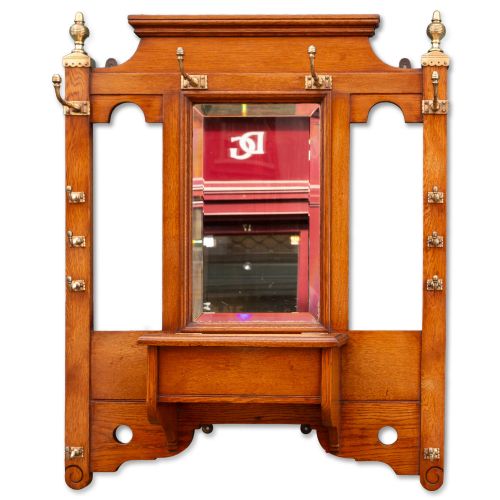
The integration of secondary functional elements, such as bevelled mirror glass, umbrella drip trays, and hat shelves, separates standard utility pieces from more ambitious domestic furnishings. The retention of original hooks and matching screw fixings further elevates the standing of an individual piece.
The Vintage Hall Coat Pegs Glossary
- Bentwood
- Timber shaped by exposure to steam, allowing craftsmen to create flowing, curved structural elements without traditional joints.
- Hall Stand
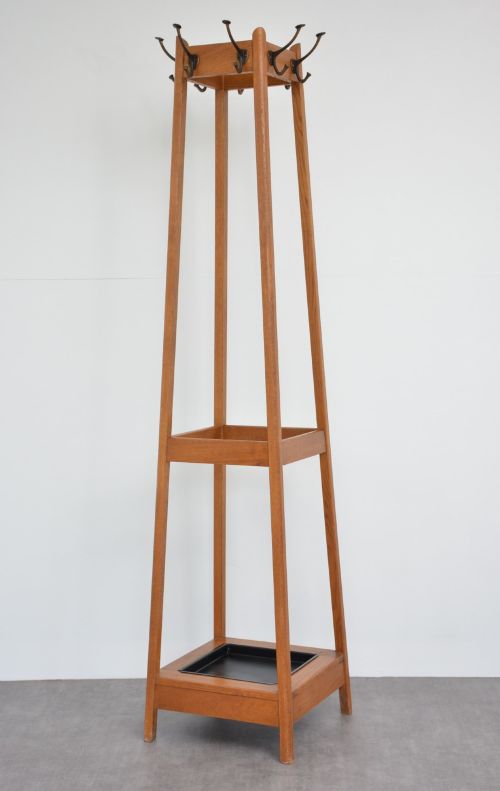
- A substantial hallway furniture piece combining coat hooks, a hat shelf, a central mirror, and umbrella compartments.
- Aesthetic Movement
- A late nineteenth-century design style emphasising visual beauty and artistic expression over conventional historical revivalism.
- Gothic Revival
- An architectural and decorative style inspired by medieval forms, frequently featuring pointed arches, heavy carving, and wrought ironwork.
- Hat Tree
- A freestanding vertical pole or stand fitted with multiple branching pegs for hats and coats.
Vintage Hall Coat Pegs: Frequently Asked Questions
Where should I mount a wall coat rack?
These racks suit entrance halls, boot rooms and cloakrooms where guests and family shed outdoor garments upon entry. Ensure the piece is fixed securely into solid wall studs or masonry to support the weight of heavy winter coats.
Position the rail at a height that allows household members to reach the upper hooks easily whilst leaving adequate clearance beneath for longer garments, umbrellas or integrated drip trays.
How do I care for antique brass and timber?
Dust timber surfaces regularly with a soft, dry cloth to preserve the polished finish of oak, mahogany or walnut backboards. Avoid liquid cleaners that might strip the historic patina.
Clean brass and bronze hooks gently with a dry or barely damp cloth, taking care not to disturb any desirable aged oxidation. Proprietary metal polishes should be used sparingly and kept away from the surrounding wood.
How do I identify a Victorian hall stand?
Victorian pieces typically display heavier proportions, dense dark hardwoods like mahogany or oak, and ornate carving reflecting Gothic Revival or country house aesthetics. Many incorporate large bevelled mirrors and cast iron or brass hooks.
Look for construction details such as hand-cut screws, tongue-and-groove backing boards, and substantial umbrella wells fitted with metal or ceramic drip trays at the base.
Are these coat hooks strong enough for daily use?
Most antique metal and hardwood hooks were manufactured for heavy daily service in domestic cloakrooms, making them exceptionally durable for modern coats and bags. Original mounting points are generally robust.
It remains wise to verify that fixing holes align with secure wall anchors during installation, distributing the load evenly across the entire backboard rather than relying on a single screw.