
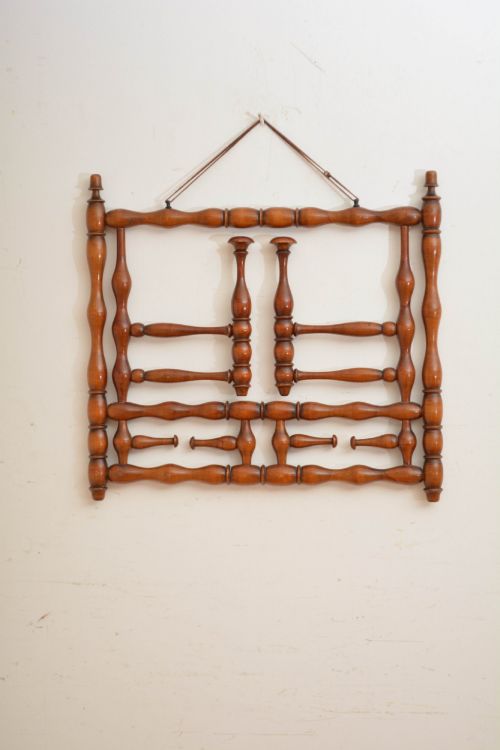


Antique Entryway Wall Rack
These antique entryway wall rack pieces organise your hall with practical hooks and mirrors, bringing period utility to daily life.
Antique Entryway Wall Rack
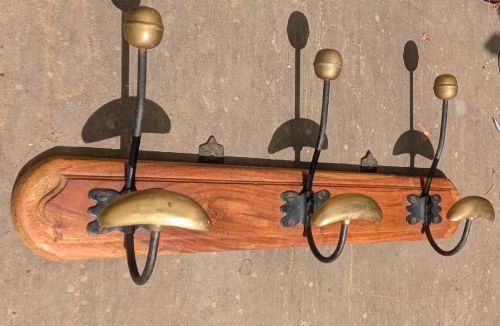
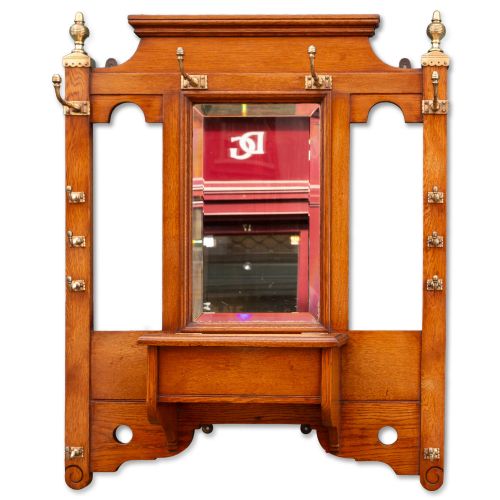
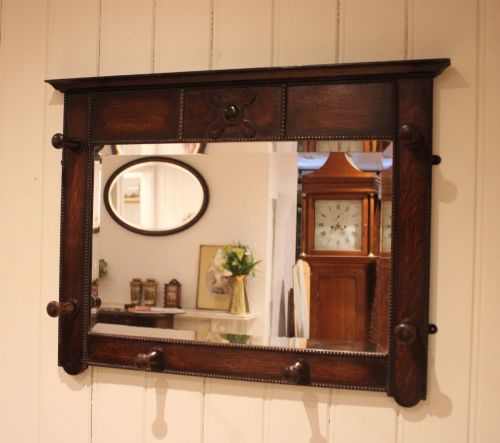
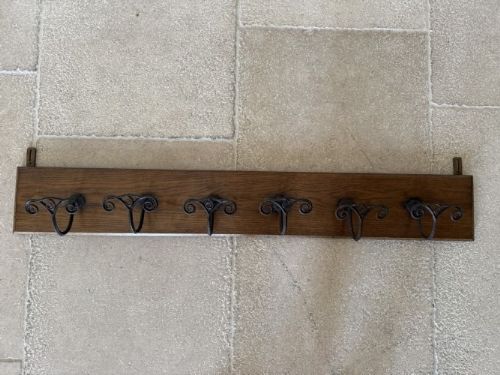
An antique entryway wall rack brings period storage into a hallway, combining hooks for garments with occasional mirror plates and shelves. You meet forms ranging from simple wooden boards set with brass hooks to architectural walnut mirror frames.
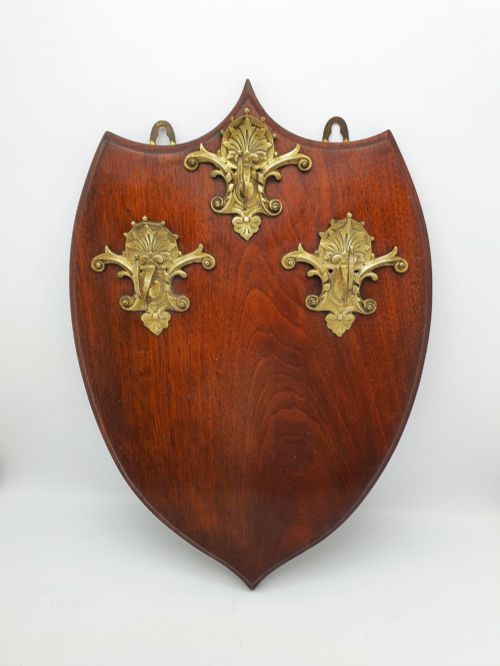
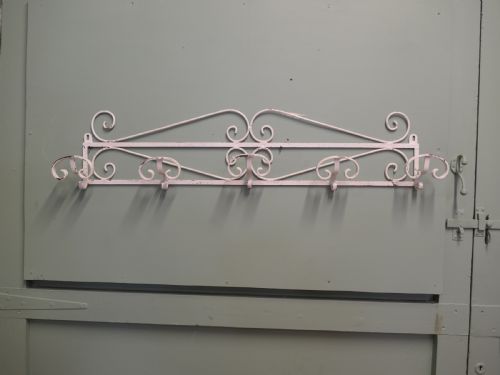
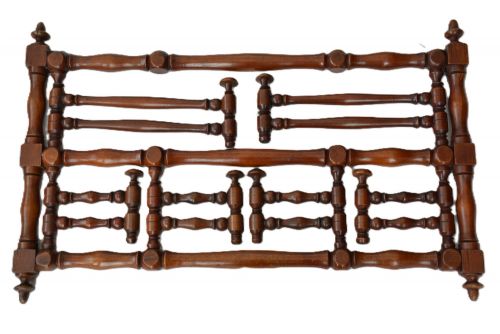
The pieces on this page span the Victorian era, the Edwardian period, and the Art Deco style, showing how hallways changed over decades. Golden oak, mahogany, and walnut provide the wooden backplates, while wrought iron and brass form the structural frameworks.
Many designs integrate hat shelves above the main rail, offering a dual purpose for small entrances. French country and industrial variants also appear, using iron and mirrored glass to brighten narrow spaces.
How they were made
Makers built these racks using solid hardwoods such as oak, walnut, and mahogany, shaped with carved details or left with a clean grain. Metal elements rely on cast iron, brass, and wrought iron, screwed or bolted directly to the timber backplates.
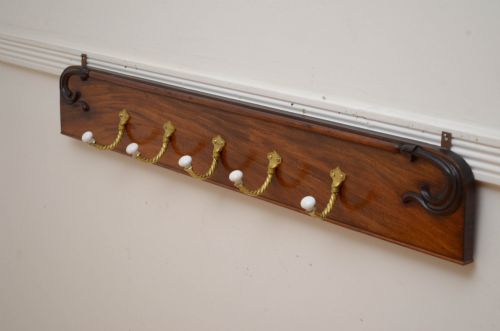
Hooks frequently feature ceramic inserts or twisted rope details, fixed firmly to withstand heavy outdoor garments. Mirror plates are bevelled and set securely into wooden rebates, backed by protective panels.
Some of these racks feature twisted rope metalwork that makes the hooks look like coiled cordage.
What varies in quality
The distinction between standard and superior pieces rests on the weight of the metalwork and the depth of the timber mouldings. Heavier brass and wrought iron elements demonstrate a more substantial casting process than lighter stamped alternatives.
Integration of the mirror glass into the wooden frame indicates the maker's skill, with bevelled edges and secure housings showing careful construction. Richer grain selection in walnut and golden oak elevates the visual presence of the hall rack.
The Antique Entryway Wall Rack Glossary
- Hat shelf
- A slatted or solid projecting ledge positioned above the coat hooks, originally designed for headwear. It provides additional display space in modern settings.
- Mirror plate
- The reflective glass inset into the wooden backplate of a hall stand. These plates often feature bevelled edges.
- Coat hook
- A projecting metal fixture fastened to the wooden rail for hanging garments. They frequently incorporate ceramic details or double prongs.
- Backplate
- The principal wooden board or frame that mounts to the wall and anchors the hooks and mirror. It provides structural rigidity for the entire rack.
Antique Entryway Wall Rack: Frequently Asked Questions
How do I mount a heavy wall rack?
These pieces require sturdy fixings into solid wall studs or masonry to support the weight of heavy coats and bags. Use appropriate wall plugs and screws matched to the mounting holes provided in the wooden backplate.
Ensure the weight is distributed evenly across multiple fixing points to prevent the rack from pulling away from the wall under daily use.
Were all these racks used in hallways?
Most designs served the entrance hall, vestibule, or boot room for storing outdoor garments upon entering the home. Mirrors allowed a final check of appearance before departure.
Some variants with integrated shelves and multiple hooks also appeared in bedrooms and kitchens for general storage.
How do I care for the wood and metal?
Clean wooden surfaces with a soft cloth and periodic application of suitable wax to maintain the finish. Avoid excessive moisture on both the timber and the mirrored glass.
Polish brass and iron components gently with dry cloths to preserve their patinas without stripping the historical surface.
How can I tell Victorian from Art Deco pieces?
Victorian examples lean towards dark mahogany or walnut, featuring carved decorations and turned wooden components. They often present heavier proportions and traditional joinery.
Art Deco items utilise wrought iron and streamlined French styling, prioritising geometric lines and industrial metalwork over elaborate wood carving.