








Vintage Haberdashery Tools
Vintage haberdashery tools encompass practical workroom equipment and sewing accessories shaped by industrial trade and domestic needlework.
Vintage Haberdashery Tools
Vintage haberdashery tools include millinery equipment, pin cushions, and thread holders spanning the Victorian, Edwardian, and George V periods.
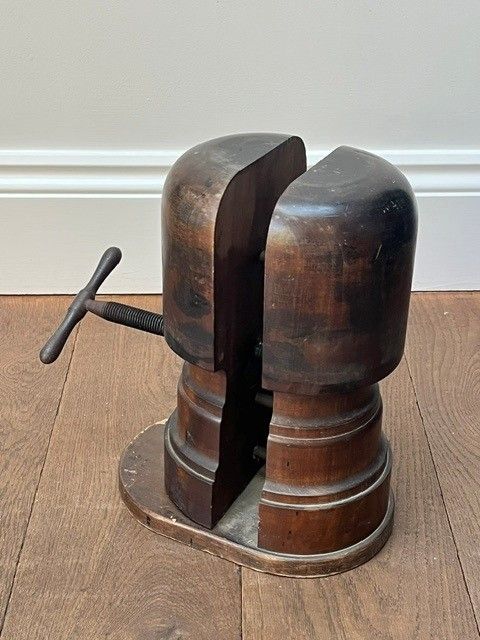
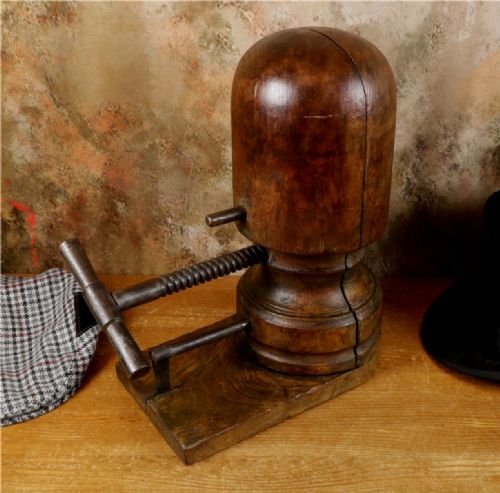
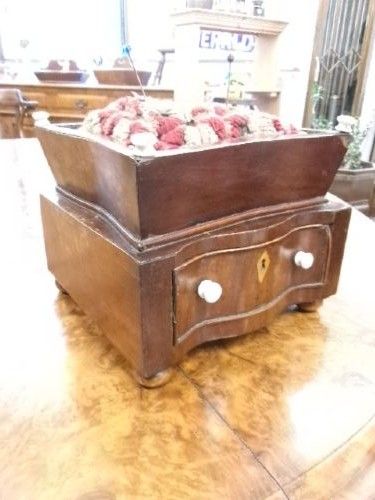
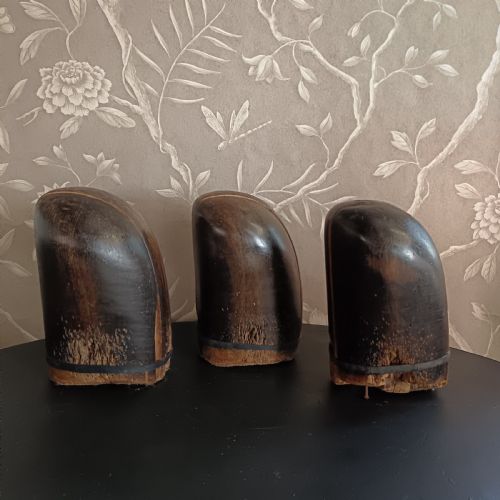
Buyers encounter wooden hat blocks and stretchers alongside sterling silver novelty pin cushions shaped as animals and objects.
Domestic sewing sets and millinery irons represent the functional side of these workshop and dressing table implements.
Materials and Construction
Hardwood and mahogany provide the solid structure for hat stretchers, blocks, and forms.
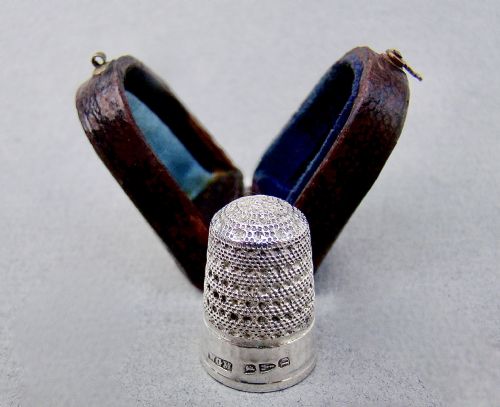
Sterling silver is utilised extensively for novelty pin cushions and cotton holders, often featuring pierced scrollwork.
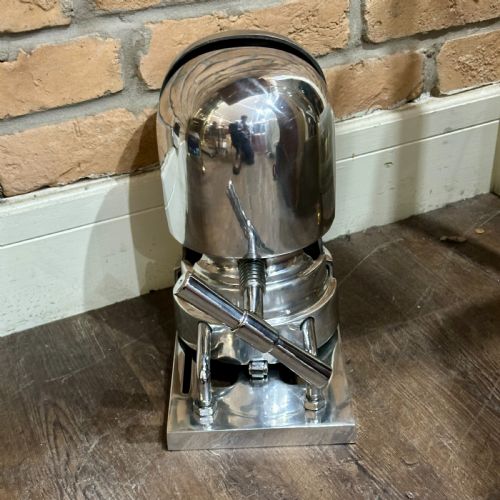
Cast iron and aluminum form the heavy industrial millinery tools and hat stretchers.
Silver pin cushions take whimsical shapes including railway lamps, stags, foxes, swans, and Red Cross emblems.
Assessing Quality and Execution
The precision of detail in novelty silver pin cushions distinguishes simpler items from finely modelled animal forms.
The integrity of wooden hat blocks depends on the preservation of the original grain and structural joinery.
Maker marks and assay hallmarks add documentary clarity to silver sewing implements.
Walter and George Myers·McDonald
The Vintage Haberdashery Tools Glossary
- Millinery
- The design and manufacture of hats. Millinery tools include wooden blocks and stretchers used in shaping.
- Haberdashery
- Small articles used in sewing and dressmaking. Items comprise pins, thread, and specialised cutting equipment.
- Pin Cushion
- A small pad used to hold pins safely. Novelty versions take the form of animals or objects in silver.
- Hat Stretcher
- A device used by hatters to adjust the size of headwear. These typically utilise wooden or aluminium mechanisms.
Vintage Haberdashery Tools: Frequently Asked Questions
What are hat blocks used for?
Hat blocks serve as solid wooden moulds for shaping and maintaining the form of hats during manufacture.
Milliners utilise these carved forms alongside stretchers to resize or construct millinery items.
How do I date silver pin cushions?
Silver pin cushions carry hallmarks indicating the assay office, metal purity, and date letter.
Stylistic cues such as Edwardian or Victorian design motifs also help establish the production period.
What is a thread holder?
Thread holders keep spools and reels secure and orderly during sewing tasks on dressing tables.
Silver versions often incorporate pierced scrollwork and decorative motifs characteristic of the early twentieth century.
Where were haberdashery tools used?
These implements served in both commercial workshops and domestic sewing rooms.
Milliners relied on heavy wooden blocks and irons, while domestic users engaged with silver sewing sets and pin cushions.