

Vintage Green Chair
A vintage green chair brings deep colour and character to a room, offering practical seating shaped by centuries of craftsmanship.
Vintage Green Chair
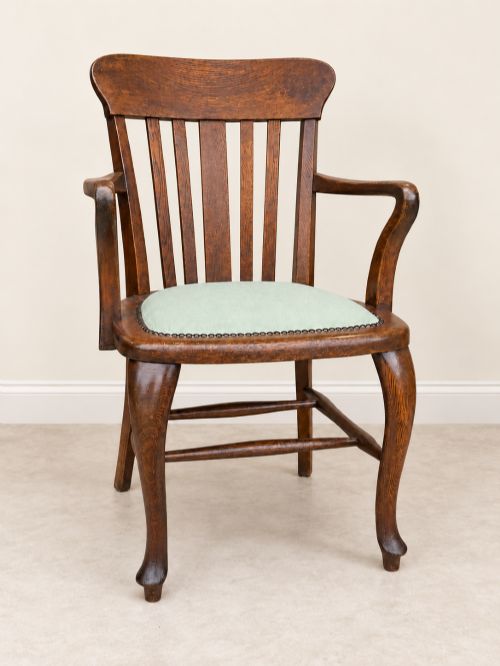
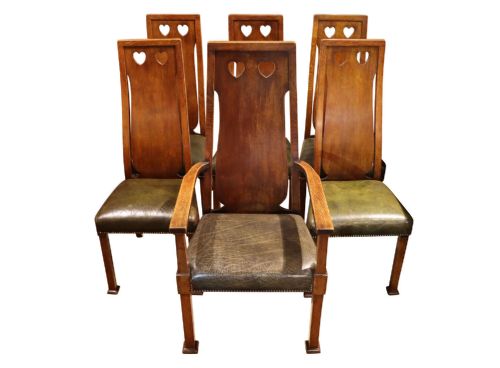
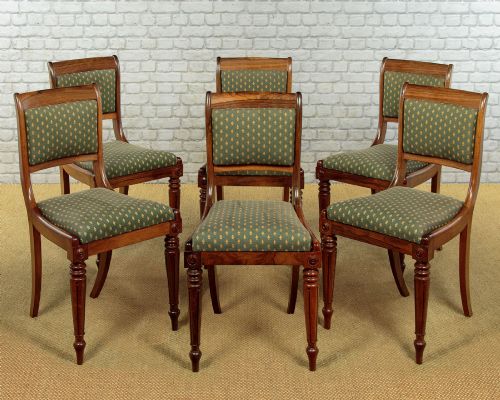
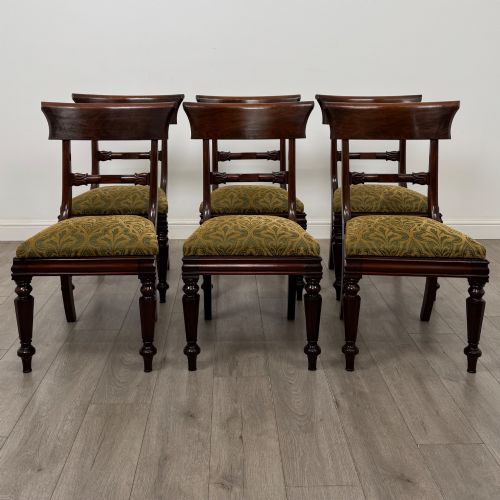
A vintage green chair covers a broad spectrum of seating forms, ranging from sturdy desk chairs and revolving office models to comfortable armchairs and dining sets. These pieces span multiple eras, including the Victorian, Edwardian, and Art Deco periods, drawing on styles such as Georgian, William IV, and Arts and Crafts.
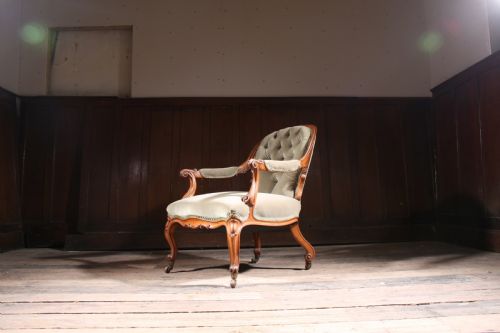
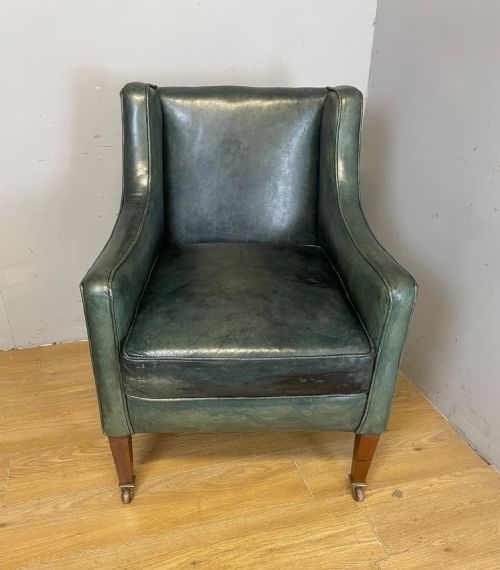
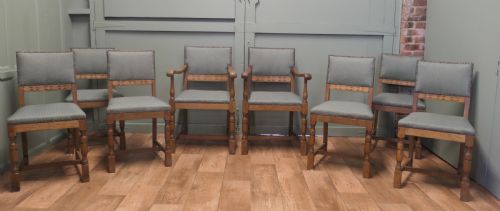
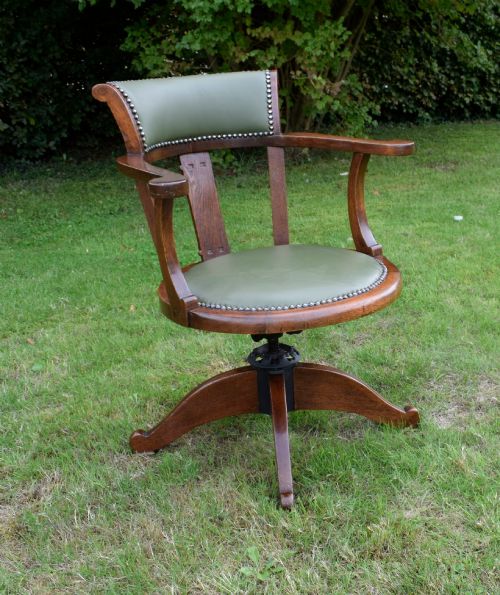
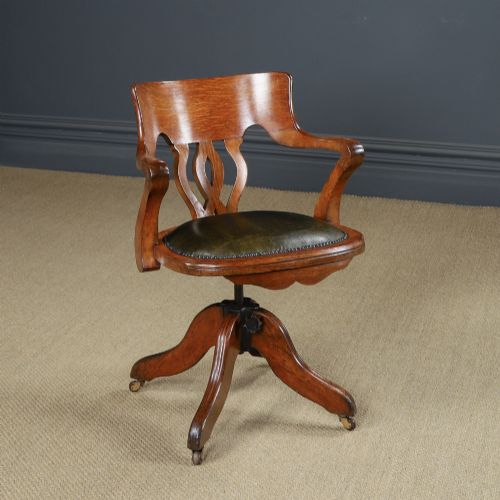
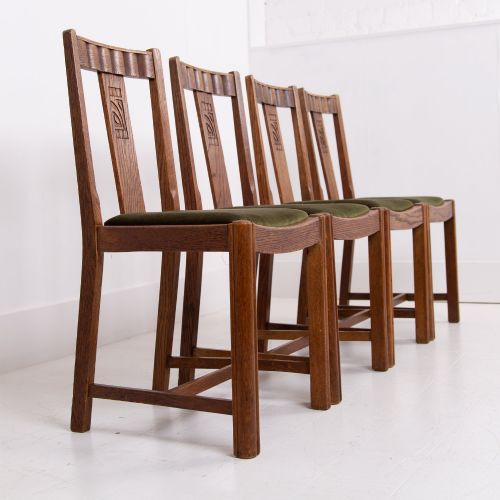
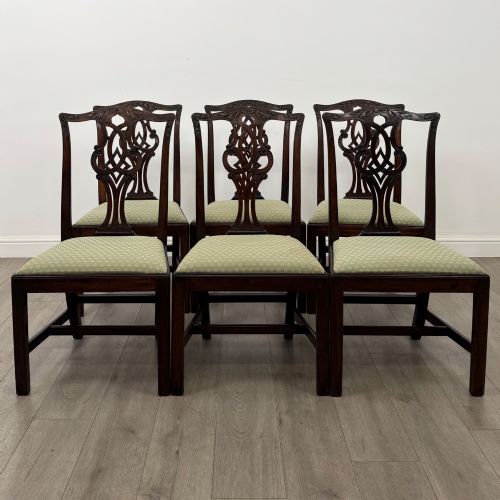
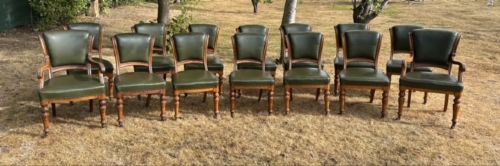
Buyers seeking a vintage green chair will frequently encounter upholstered desk and library armchairs finished in rich green leather, alongside wooden frames softened by green fabric or velvet. The selection includes everything from simple stick-back child armchairs to swivel desk chairs and campaign seating.
The origins of these chairs trace through various British and continental workshops from the nineteenth and early twentieth centuries. Whether chosen for a study, a dining room, or a quiet corner, each piece combines historical form with practical utility.
How they were made
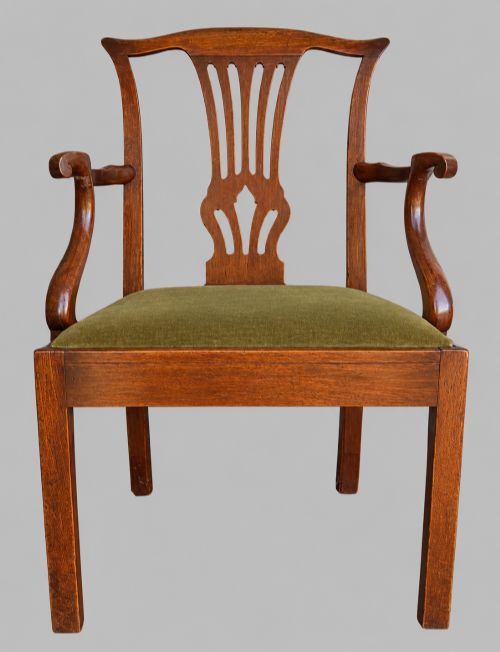
Makers relied primarily on timbers such as mahogany, oak, walnut, and beech to construct robust frames, often incorporating carved details, cabriole legs, or bentwood elements. Brass hardware, including castors, hinges, and swivels, frequently supported the functional mechanics of desk and campaign chairs.
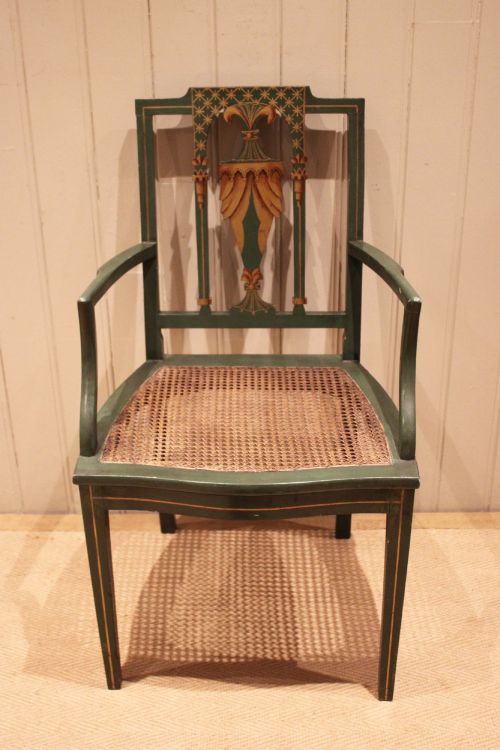
Upholstery techniques involved durable leather, velvet, and woven fabric stretched over traditional stuffing, secured with tacks and sometimes finished with button-back detailing. Painted finishes also appear on select frames, adding decorative colour to woods like maple and mahogany.
One child managed to leave their mark on history simply by sitting still for an artist painting grandma's chair.
What varies in quality
The distinction between standard examples and finer pieces rests on the precision of the timber joinery and the integrity of the carved ornamentation. Superior chairs exhibit carefully selected grains, robust structural framing, and well-executed stylistic details that reflect the standards of their period workshops.
Upholstery standards also define the tier of a piece, with high-grade leather, rich velvet, and hand-finished buttoning retaining their character and tactile depth over generations. Original brass fittings, smooth swivelling mechanisms, and harmonious proportions further elevate the standing of an individual chair.
Gillows·Howard and Sons·Holger Løvgreen
The Vintage Green Chair Glossary
- Bergere
- An enclosed upholstered armchair with a wooden frame, typically featuring cane work on the back and sides. This style gained popularity during the eighteenth century and remained a favourite through later revival periods.
- Gainsborough
- A wide, open-armed desk chair with a padded seat and back, usually upholstered in leather and supported on cabriole or straight legs. It is named after the painter who frequently depicted sitters in such seating.
- Campaign
- Portable furniture designed for military officers on the move, often featuring folding frames and brass mounts. These pieces combine clever engineering with sturdy timbers like mahogany.
- Stick Back
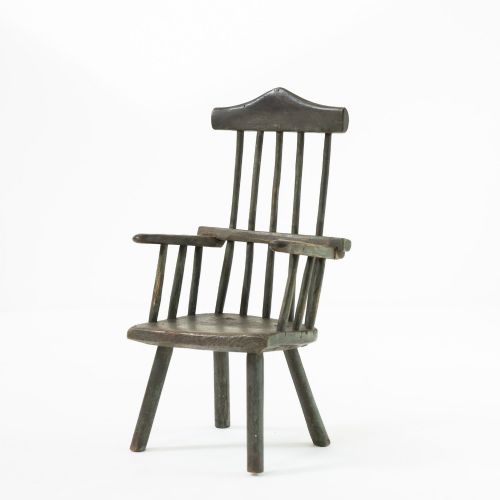
- A chair construction where turned wooden spindles are fitted directly into a solid wooden seat. This vernacular technique is common in rustic and primitive seating.
- Cabriole
- A furniture leg that curves outward in a convex arc at the top and inward in a concave arc near the foot, mimicking animal limbs. It is a defining feature of many classical and revival designs.
Vintage Green Chair: Frequently Asked Questions
How do I date a vintage green chair?
Dating relies on examining the timber species, construction methods, and characteristic style of the frame. Victorian and Edwardian pieces often display distinct turning, hardware, and upholstery techniques specific to their decade.
Comparing the decorative motifs, such as shield backs or cabriole legs, against known historical periods helps narrow down the exact decade of manufacture.
Are these chairs suitable for daily use?
Most antique and vintage chairs are built from solid hardwoods like oak and mahogany, making them structurally sound for everyday seating. Swivel desk chairs and upholstered armchairs offer robust mechanics designed for regular tasks.
Careful maintenance of the wood and leather ensures these pieces remain functional and comfortable in modern homes.
How should I care for green leather upholstery?
Leather upholstery benefits from regular dusting with a soft, dry cloth and occasional treatment with appropriate conditioning balms to prevent drying. Keeping the material away from direct heat sources preserves its suppleness and colour.
Avoiding harsh chemical cleaners protects the natural grain and historic finish of the leather.
What is the difference between a Gainsborough and a desk chair?
A Gainsborough chair specifically refers to a wide, open-armed seat with upholstered back and arms, traditionally used in libraries and studies. Standard desk chairs may include swivel mechanisms, adjustable backrests, or simpler wooden stick-back designs.
Both forms served administrative and reading purposes in period interiors, but Gainsborough chairs prioritise upholstered comfort.