


Vintage Green Cabinet
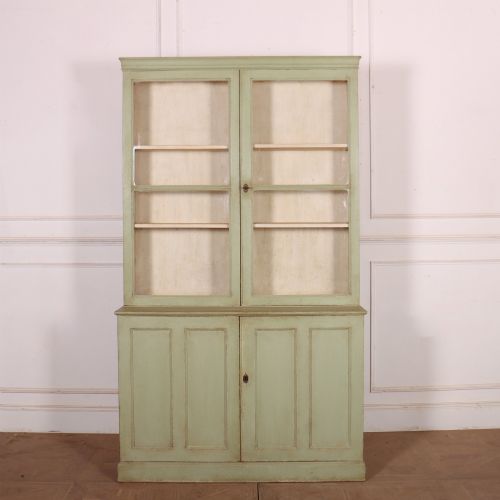
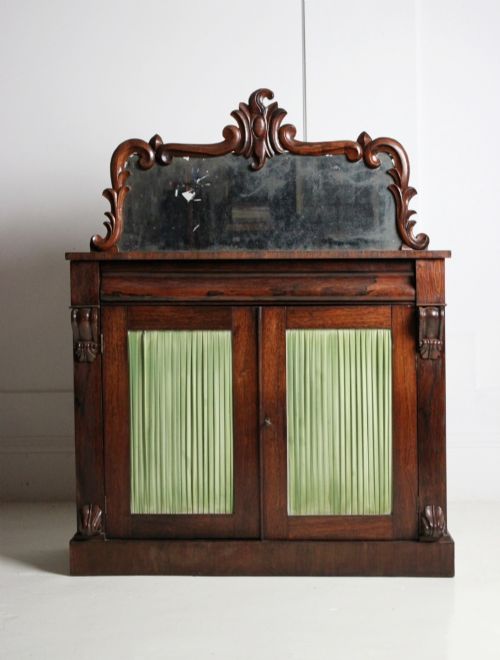
A vintage green cabinet brings character and useful storage to a room through painted wood, pine, and mahogany.
Vintage Green Cabinet
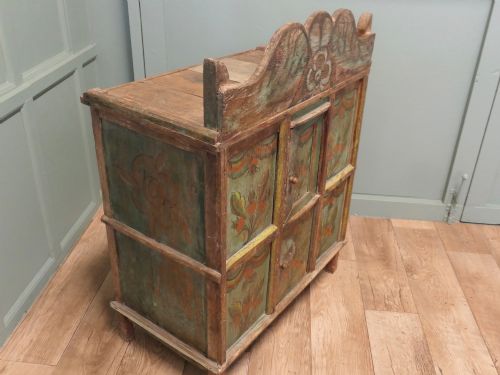
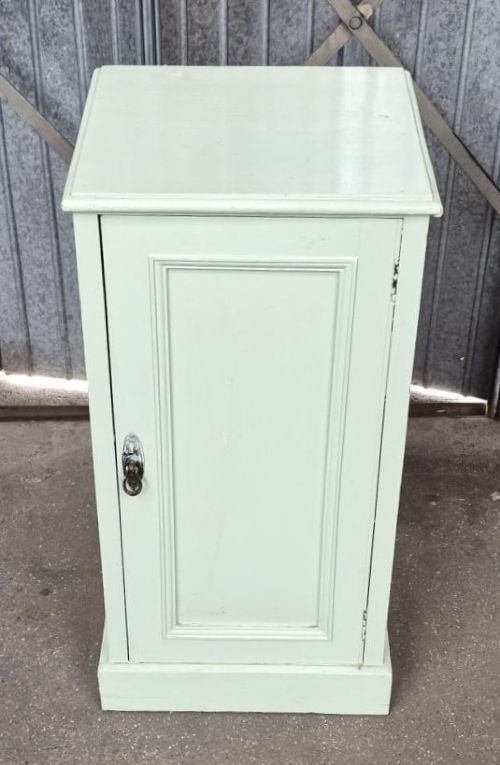
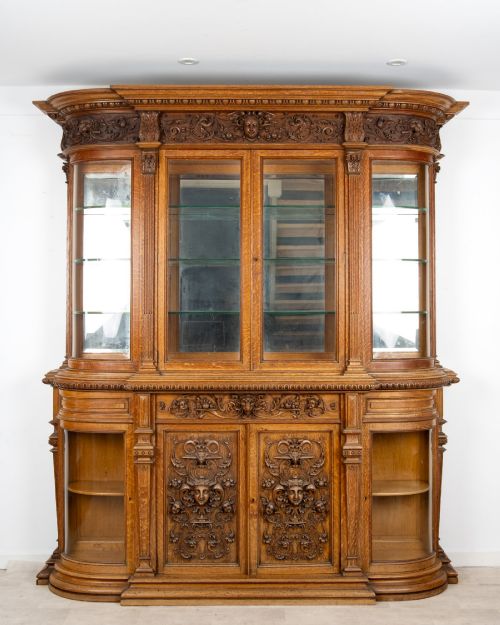
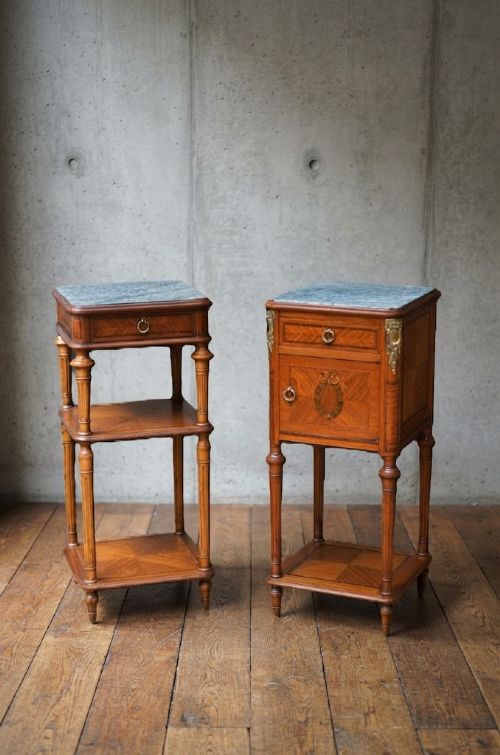
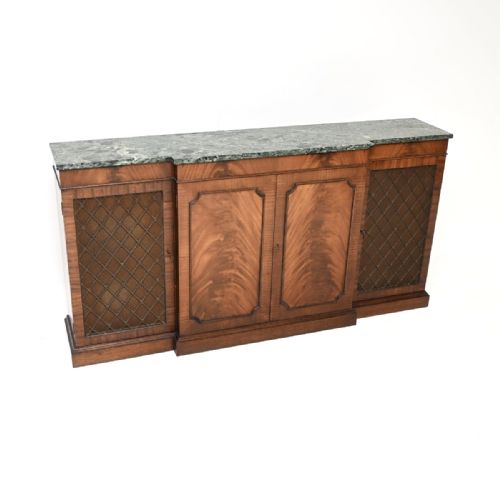
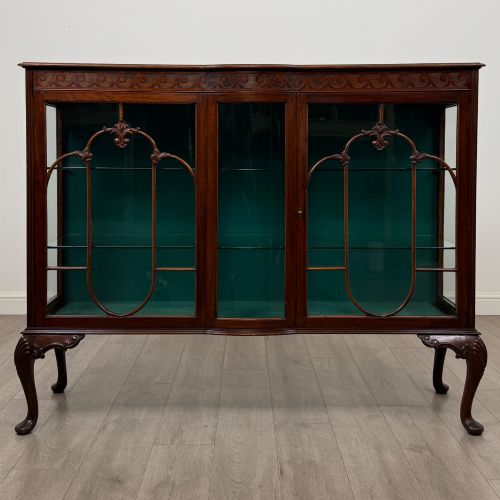
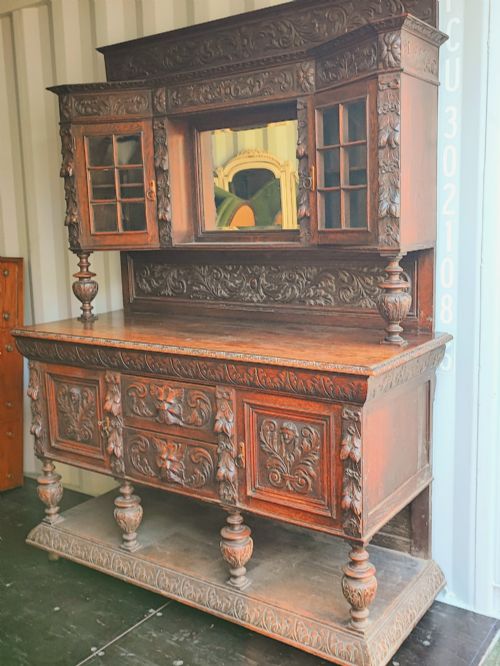
A vintage green cabinet encompasses various storage forms ranging from bedside tables and cupboards to larger kitchen dressers and display cabinets. These pieces often feature painted finishes or natural timber highlights, reflecting periods from the eighteenth century through to the early twentieth century.
Buyers searching for a vintage green cabinet frequently encounter painted pine, oak, and satinwood constructions. Styles span from English country and Edwardian pieces to French provincial and Dutch painted designs, offering versatile options for contemporary interiors.
How they were made
Carpenters and cabinet makers utilised solid timbers such as pine, oak, and mahogany for the structural frames of these pieces. Surfaces often received layers of paint, sometimes in distemper or traditional pigments, which aged to develop patinas over decades.
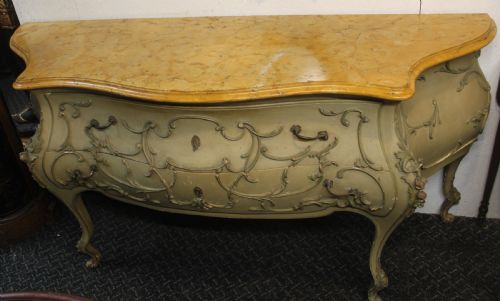
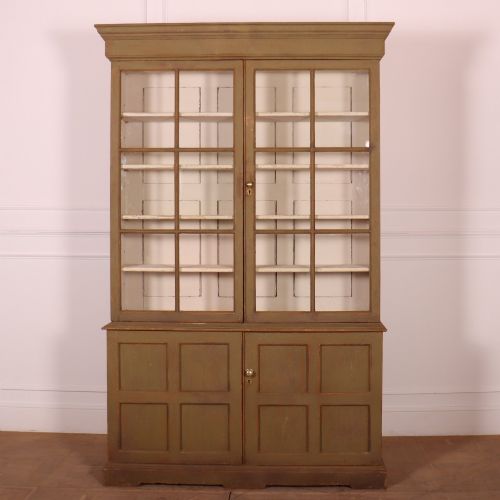
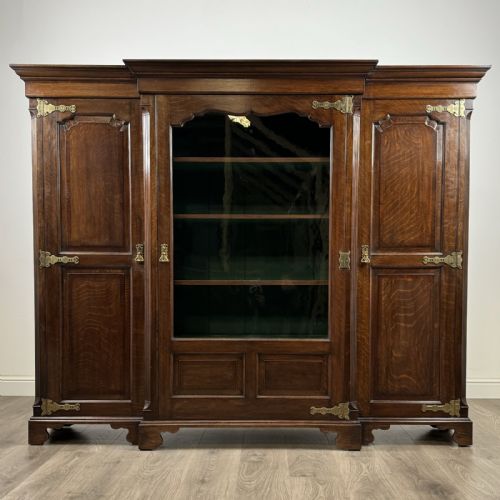
Hardware details typically included brass handles, hinges, and specialised locks such as those by Hobbs and Co. Glass panels appeared on display cabinets and vitrines, while marble tops added weight and durability to select bedside chests and sideboards.
Vintage Green Cabinet Retail Price Guide 2026
Typical asking prices for vintage green cabinet among the pieces listed under this phrase on Sellingantiques today, from the lower quarter to the upper quarter. They describe what is for sale here now, not the wider market.
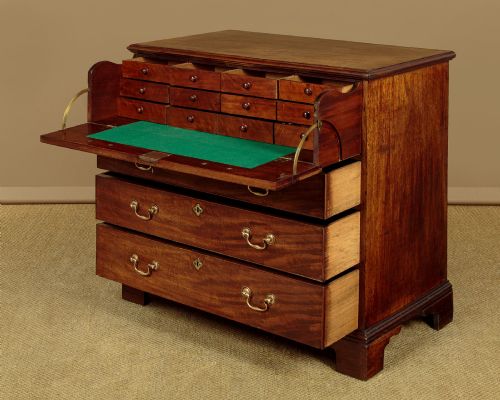
Some nineteenth century cabinets hid unexpected functions, doubling as safes or housing elaborate internal drawer arrangements behind modest wooden doors.
What varies in quality
The standard of a vintage green cabinet depends heavily on the integrity of its timber construction and the authenticity of its surface finish. Pieces retaining their original painted decoration command greater interest than later repainted examples.
Joinery techniques and hardware quality also separate standard utility items from finer specimens. Well-fitted drawers, original brasses, and intact glass or marble elements indicate superior workshop production.
The Vintage Green Cabinet Glossary
- Vitrine
- A glass-fronted cabinet designed for displaying porcelain, curiosities, or books. These pieces often feature delicate timber frames and glass sides.
- Commode
- A low chest of drawers or cabinet originating in the eighteenth century. They frequently stand on cabriole or tapered legs.
- Dresser
- A kitchen or dining room storage unit featuring lower cupboards and drawers, often surmounted by open shelving. They form a staple of country house interiors.
- Chiffonier
- A low sideboard or cabinet developed in the nineteenth century. It typically includes enclosed shelving beneath a smaller surface tier.
- Patina
- The surface sheen and colour acquired by wood, paint, and metal through age and handling. A natural patina develops slowly over generations of use.
Vintage Green Cabinet: Frequently Asked Questions
How do I clean a painted green cabinet?
Dust the surface regularly with a soft, dry cloth to prevent dirt buildup.
Avoid harsh chemical cleaners that might strip or damage the historic painted finish.
Are these cabinets suitable for small spaces?
Compact options such as bedside cabinets, wall cupboards, and small chests fit easily into restricted areas.
Measure your floor space and clearance for opening doors or drawers before selecting a piece.
Can I use a kitchen dresser in a living room?
Kitchen dressers and sideboards provide versatile storage and display surfaces that suit sitting rooms and hallways just as well.
The open shelving allows you to display books and ceramics alongside your main living area items.
How do I identify the period of a cabinet?
Examine the construction methods, timber types, and hardware styles used throughout the piece.
Hand-cut dovetails, secondary woods, and lock types often point towards specific manufacturing eras like the Victorian or Edwardian periods.