

Vintage Grand Tour
Vintage grand tour pieces are tangible fragments of historic European travels, offering classical elegance and scholarly charm to any room.
Vintage Grand Tour
A vintage grand tour search reveals material mementos brought back by travellers journeying through cultural hubs like Rome, Florence and Naples during the nineteenth century and beyond. These objects capture the classical aesthetic of European history through portable art, architecture and sculpture.
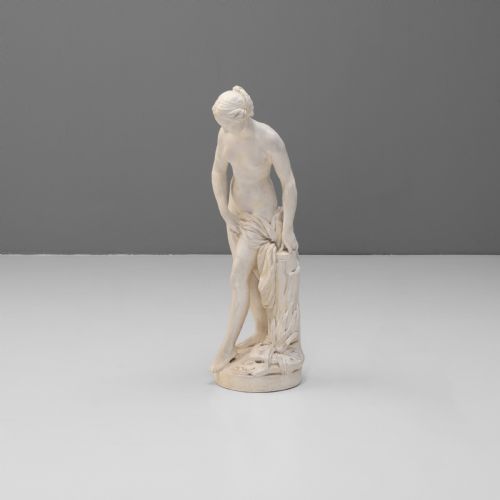
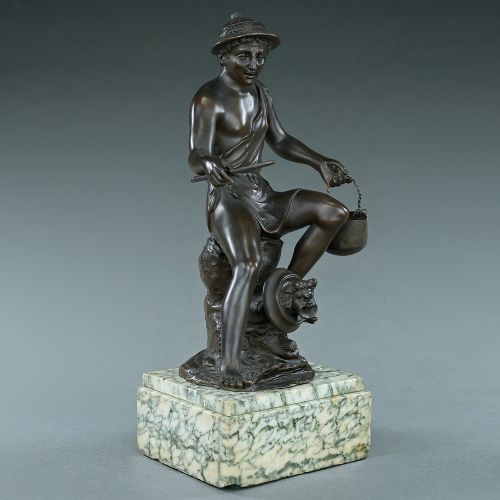
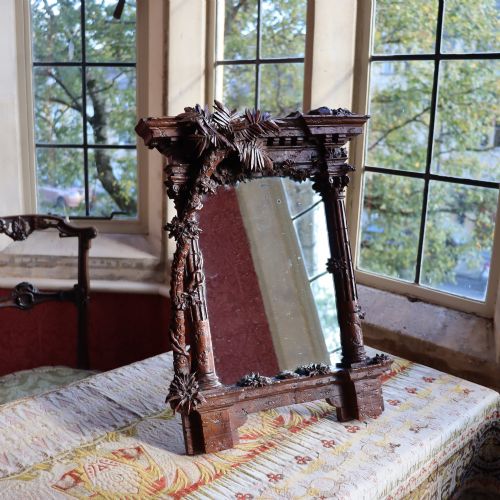
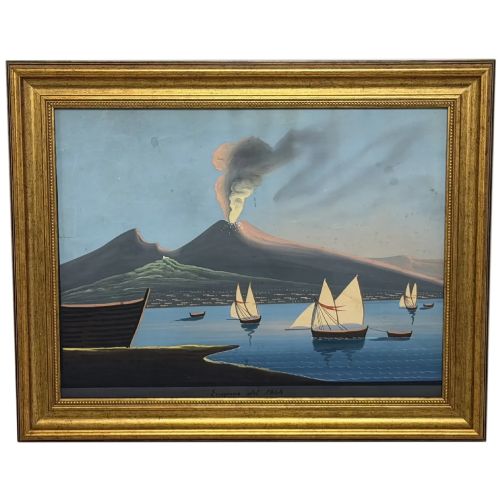
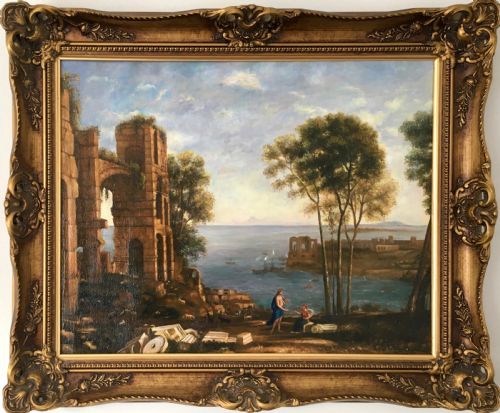
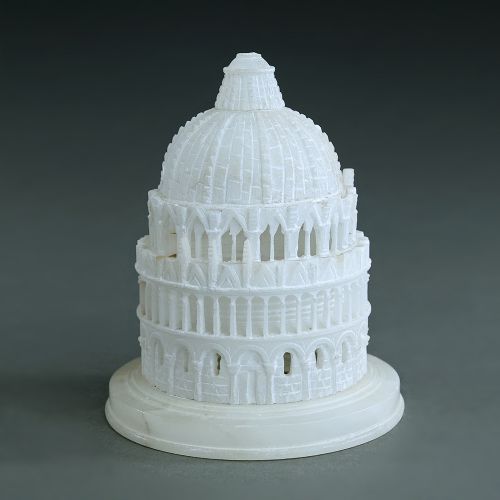
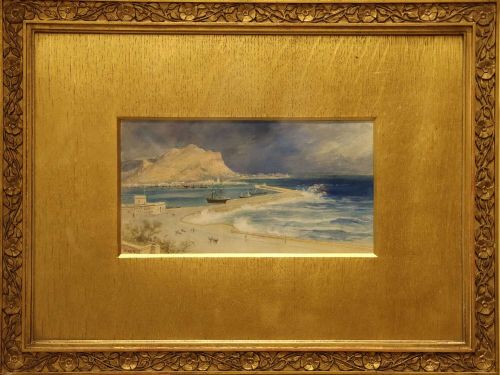
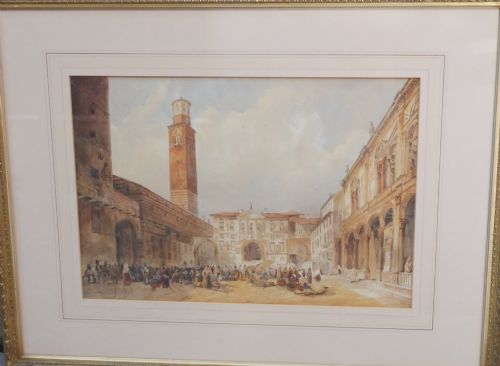
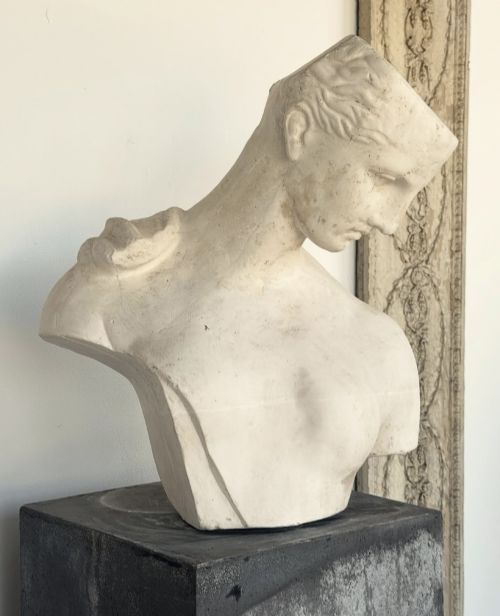
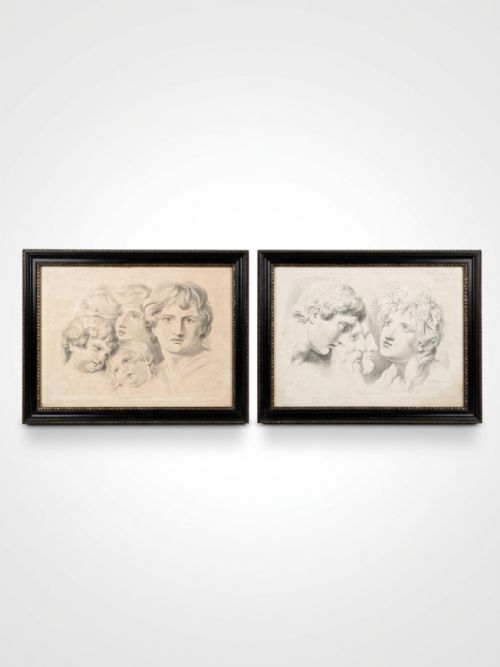
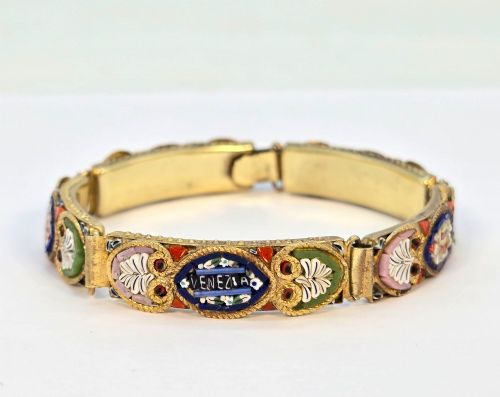
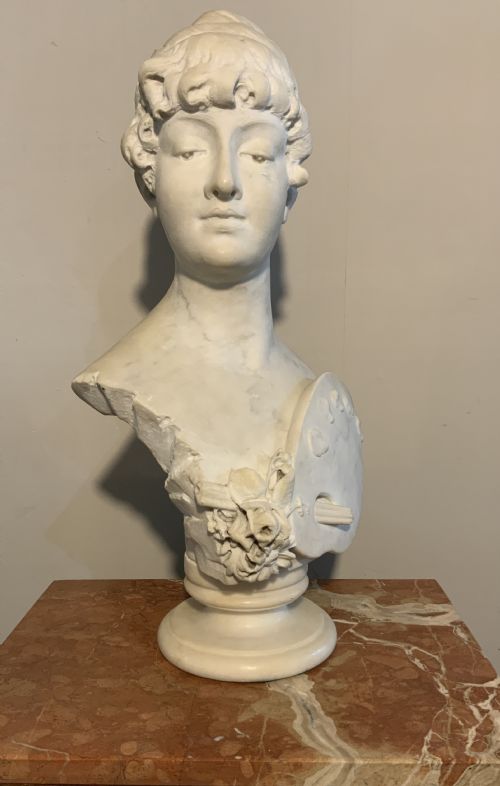
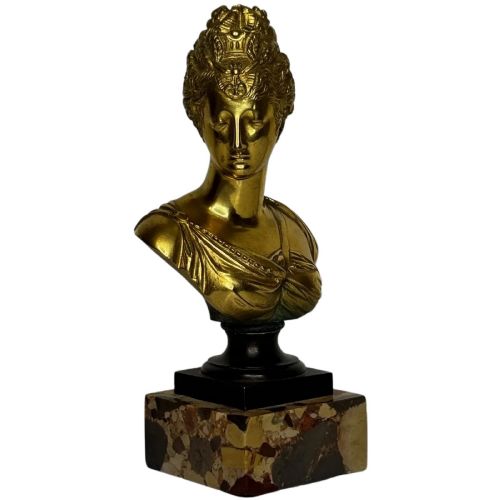
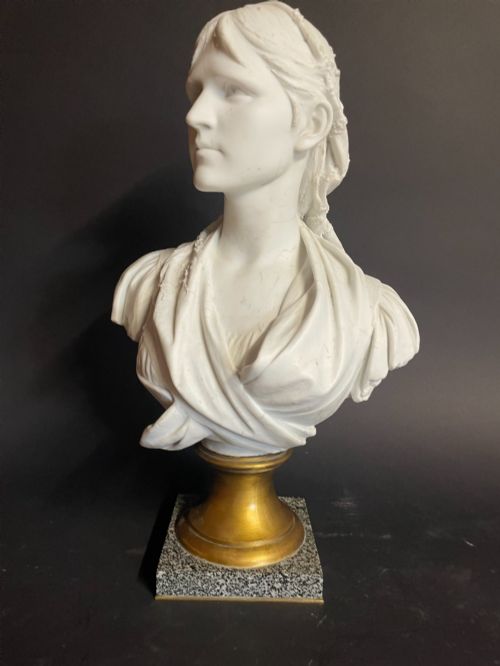
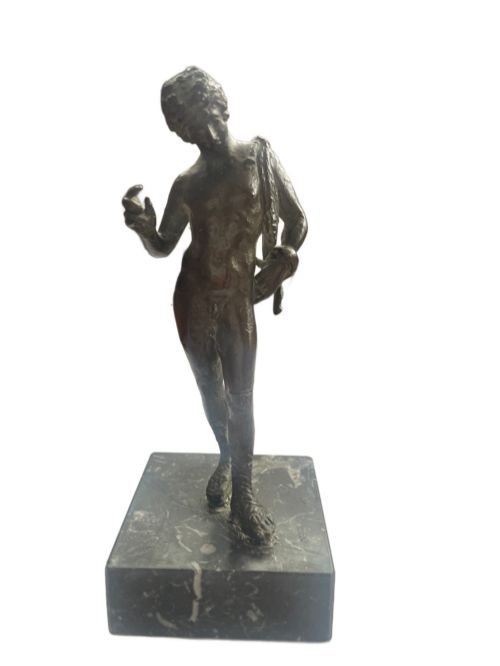
Buyers encounter a diverse array of forms on this page, dominated by bronze mythological figures, marble architectural models of ancient ruins, and framed watercolours or gouache paintings of Italian landscapes. Alongside these sit smaller personal ornaments such as micro mosaic bracelets and shell cameo brooches.
The selection spans several decades, with pieces originating from the nineteenth century into the twentieth century, reflecting shifting tastes in souvenir collecting. Each item serves as a direct link to the tradition of classical education and continental exploration.
How they were made
Materials define the physical presence of these items, relying heavily on stones like Carrara marble, Siena marble and red serpentine alongside cast bronze and terracotta. Artisans utilised these durable mediums to replicate classical statuary and ancient architectural monuments with precise detail.
Paper and canvas support the paintings and prints, utilising watercolour, gouache and oil to capture Mediterranean harbours and pastoral landscapes. Detailed handiwork also appears in delicate micro mosaics and carved shell cameos set into jewellery.
Foundries and local workshops employed traditional casting, carving and painting techniques to produce items suited for travellers' luggage. The combination of mineral bases and metallic figures creates the characteristic weight and balance found across these souvenirs.
Vintage Grand Tour Retail Price Guide 2026
Typical asking prices for vintage grand tour among the pieces listed under this phrase on Sellingantiques today, from the lower quarter to the upper quarter. They describe what is for sale here now, not the wider market.
Listings feature materials spanning Carrara marble, bronze, oil on canvas, terracotta, and walnut.
What varies in quality
The finesse of the chiselwork and the sharpness of the casting distinguish superior examples from ordinary souvenirs. Master artisans achieved subtle facial expressions and accurate architectural proportions, whereas lesser workshop pieces exhibit softer lines and simplified details.
Material selection dictates the grade of the piece, with dense fossil marble bases and rich patinated bronzes holding greater visual authority than standard plaster or base metal substitutes. The depth of tone in oil paintings and the precision of brushwork in watercolours likewise separate accomplished studio work from hasty tourist art.
Augusto Alberici·Hamo Thornycroft·Jean Antoine Houdon
The Vintage Grand Tour Glossary
- Neoclassical
- A style reviving the art and architecture of ancient Greece and Rome. It dominates the design language of these sculptural and architectural souvenirs.
- Campana urn
- A bell-shaped vessel modelled on ancient pottery forms. These metal or marble vessels frequently served as decorative mantel ornaments.
- Gouache
- An opaque water-based paint used to create vibrant landscape scenes. It allows for rich colour application on paper and canvas.
- Micro mosaic
- Tiny coloured glass tesserae assembled into intricate pictorial patterns. This technique appears primarily in wearable jewellery and small accessories.
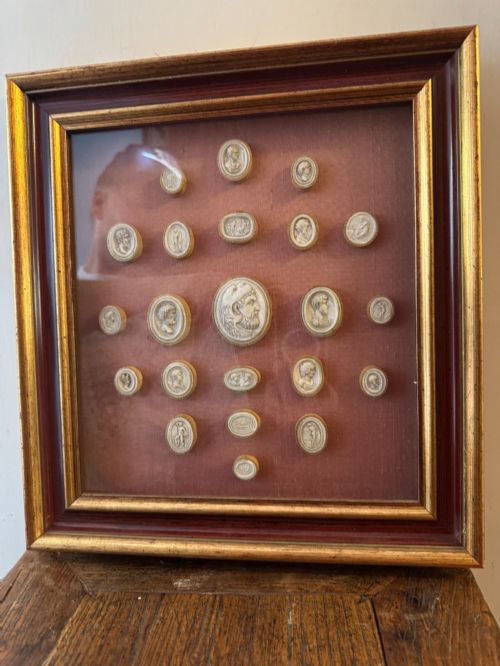
- Intaglio
- A design incised into a gemstone or hard material to produce a depressed image. They were often mounted as panels or worn as personal items.
Vintage Grand Tour: Frequently Asked Questions
What is a vintage grand tour piece?
These items are period souvenirs collected by travellers journeying through historical European cities during the nineteenth and early twentieth centuries.
They encompass everything from miniature bronze sculptures of classical figures to architectural models and painted landscapes of Italy.
How were grand tour bronzes displayed?
Sculptures were typically mounted on heavy marble plinths to serve as desk ornaments or library decorations.
Their substantial weight and classical subjects made them suitable centrepieces for nineteenth-century studies and drawing rooms.
How do I identify the material of a bust?
Examine the weight, temperature and surface texture of the piece to distinguish between marble, plaster and bronze.
Natural stone feels cool to the touch and shows crystalline structure, whereas bronzes reveal a metallic patina and plasters exhibit a lighter, chalky composition.